House extension cost per m2 in Melbourne: what to budget and why it varies
House extension costs in Melbourne rarely follow a one-size-fits-all rule. Your budget depends on many factors, from the size and style of your extension to site conditions and materials. Understanding the house extension cost per m2 helps you plan realistically and avoid surprises. We’ll break down key cost drivers and explain how a design and build approach can give you better control over your budget and project.
For homeowners considering a second storey extension, it’s crucial to understand the various elements that influence costs. Additionally, using a house extension cost calculator can provide a comprehensive guide to budgeting with confidence tailored to Melbourne’s unique market.
If you’re exploring ideas for your home’s expansion, consider reviewing smart options for rear house extensions. These resources offer practical insights for planning a successful and cost-effective home improvement project in Melbourne.
Planning Your Extension Budget
When planning your home extension, getting your budget right is paramount. Let’s explore how to approach this.
Understanding Per Square Metre Costs
When you plan an extension, knowing the average cost per square metre is essential. In Melbourne, this figure can vary significantly. Expect to pay between $2,000 and $4,000 per square metre. The range depends on factors like materials, design complexity, and location. Some projects may even exceed this, especially with high-end finishes. Knowing this helps you set realistic budget expectations from the start.
You’ll need to consider both the size of your extension and the finish quality you desire. For example, a simple extension with basic finishes will be on the lower end of the scale. In contrast, a luxury addition with designer elements will cost more. This clarity helps you align your vision with your budget.
Key Cost Drivers in Melbourne
Several factors drive costs when extending a home in Melbourne. Location is a primary influence. Inner-city areas might incur higher costs due to local regulations and site access challenges. Another key driver is your choice of materials. Premium materials will increase costs, but they can also add value and longevity to your home.
Labour costs are another consideration. Skilled labour for architectural extensions can be more expensive but ensures quality and compliance with local building codes. The complexity of your design also plays a role. More intricate designs require more time and expertise, impacting the overall cost.
Common Exclusions in Budgeting
When setting your budget, it’s vital to recognise what might not be included. Often, landscaping, driveways, and external works are excluded from initial estimates. These can add substantially to total costs if not accounted for early. Similarly, council fees and permits might be overlooked but are necessary for compliance.
Another common exclusion involves unforeseen expenses. These might arise due to site conditions or unexpected changes in design. Setting aside a contingency fund is wise. This ensures you’re prepared for any surprises that might affect your budget during the build.
Cost Variations Explained
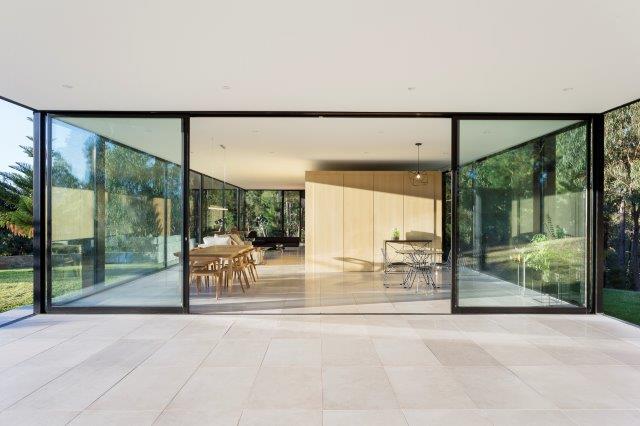
Understanding the variables that affect your budget can help you manage costs effectively.
Impact of Design and Build
Choosing a design and build approach can provide greater cost control. This method integrates the design and construction phases, allowing for streamlined communication and planning. It often results in fewer changes and unexpected expenses during the build. This approach enables you to keep a consistent vision throughout the project.
By working with a single team, you can avoid misunderstandings that occur when design and construction are separated. It ensures that the design aligns with your budget from the start. This continuity helps prevent cost overruns caused by changes in scope or materials later on.
Second Storey vs Ground Floor Costs
Deciding between a second-storey or ground-floor extension affects overall costs. Second-storey extensions can be more expensive, often requiring additional structural work. Expect to see costs ranging from $3,000 to $5,000 per square metre. This is due to the need for reinforcement and potential roof modifications.
Ground-floor extensions might appear less costly initially. However, they can still involve significant expenses if they require excavation or complex foundation work. Each option has distinct benefits: second-storey adds space without reducing yard size, while ground-floor can seamlessly integrate with your existing layout.
Heritage Renovation Considerations
If your home is a heritage property, special considerations will influence costs. Maintaining architectural integrity while modernising can be complex. You may face restrictions on materials and design, which can increase costs. Look for professionals experienced in heritage renovations to navigate these challenges effectively.
The added value of preserving your home’s character can be worth the investment. However, it’s critical to understand that heritage projects often require more time and resources. This ensures compliance with regulations and maintains the property’s historical significance.
Achieving Clarity and Control
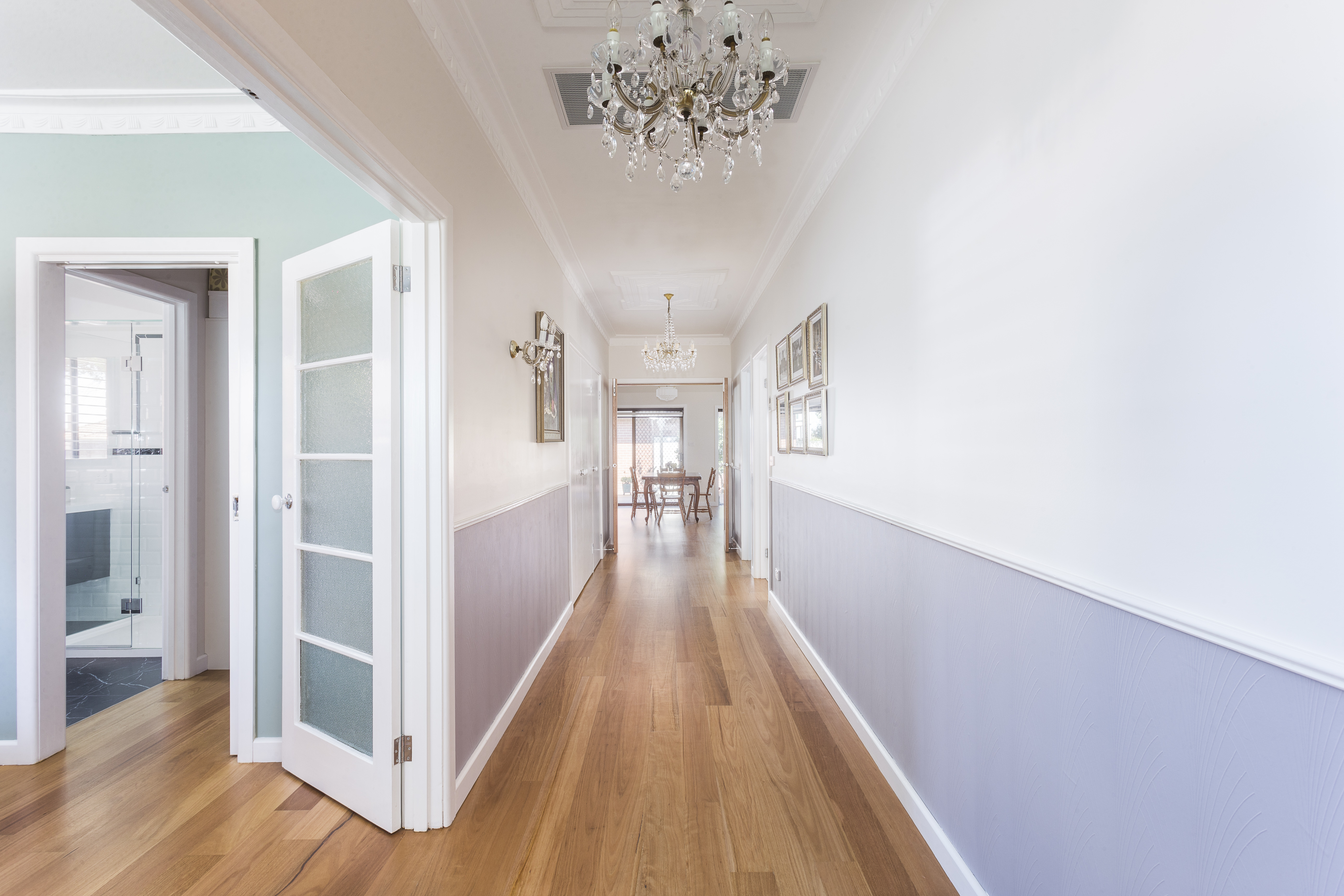
Achieving clarity and control over your budget requires strategic planning and professional guidance.
Benefits of Integrated Design and Build
Using an integrated design and build process helps streamline your project. This approach combines design, planning, and construction phases into one cohesive process. It reduces misunderstandings and ensures that every team member is aligned with the project goals and budget.
With a unified approach, you gain a clearer vision of the project’s timeline and costs. This method reduces the risk of delays and unexpected expenses. The result is a smoother process from start to finish, with fewer surprises along the way.
Importance of an Itemised Estimate
An itemised estimate is crucial for maintaining budget control. It breaks down costs into detailed categories, providing transparency and helping you understand where your money goes. This insight allows you to make informed decisions about where to save or invest.
Having a detailed estimate also aids in identifying potential areas where costs can escalate unexpectedly. It sets the stage for better financial planning and helps prevent budget overruns. This clarity is invaluable for achieving a successful project outcome.
Energy Efficiency and Long-term Value
Investing in energy-efficient upgrades can add long-term value to your home. These improvements might include better insulation, efficient windows, or solar panels. While they may increase upfront costs, they reduce energy bills over time and enhance your home’s value.
Consider the long-term benefits when planning your extension. Energy-efficient homes are more attractive to future buyers and provide ongoing savings. These upgrades align with sustainable living trends and can make your home more comfortable year-round.
Frequently Asked Questions
What is the average cost per m2 for a house extension in Melbourne?
The average cost per square metre for a house extension in Melbourne ranges from $2,000 to $4,000. This range depends on factors like materials, design complexity, and location.
How does a second-storey extension compare to a ground-floor extension?
A second-storey extension often costs more than a ground-floor extension due to additional structural work and potential roof modifications. However, it preserves yard space and can offer better views.
What should I include in my budget for a home extension?
When budgeting for a home extension, include costs for permits, materials, labour, and potential landscaping. Also, consider setting aside a contingency fund for unexpected expenses to ensure financial readiness.