Design a Custom Home for Long‑Term Comfort, Flexibility and Value
Designing a custom home in Melbourne means more than just choosing finishes and floor plans. Your home should offer comfort year-round, adapt as your needs change, and hold its value for decades. In this guide, you’ll see how smart design choices like northern light orientation, flexible floor plans, and energy-efficient features create a living space that works for today and tomorrow. Let’s explore what it takes to build a long‑term value home tailored to your lifestyle.
Custom Home Design Essentials
Creating a home that stands the test of time involves making careful choices. This starts with how your home interacts with its environment.
Orientation to Northern Light
Positioning your home to capture northern light can make all the difference. Natural light not only brightens your living spaces but also reduces energy costs. When your living areas are oriented to the north, they get maximum sunlight in winter and shade in summer. This keeps your home more comfortable throughout the year. Imagine a warm, sunlit kitchen in winter without the need for extra heating. It also helps your home feel more open and inviting. An added bonus: homes with good light orientation often have higher resale value, making it a smart investment for the future.
Passive Design and Ventilation
Passive design is about using your home’s design to maintain a comfortable indoor temperature. This includes placing windows to capture breezes and using materials that regulate temperature. For instance, a well-placed window can let in a cool evening breeze, reducing the need for air conditioning. Additionally, using materials like concrete or brick absorbs heat during the day and releases it at night, keeping your home comfortable. This approach can significantly cut down energy bills and enhance indoor comfort.
Energy Efficiency in Melbourne
Energy-efficient features are crucial for Melbourne homes. They not only reduce your environmental impact but also save money. Consider double-glazed windows: they keep the heat in during winter and out during summer. Adding insulation to your walls and roof further improves your home’s thermal comfort. Solar panels can also be a great addition. They provide renewable energy that can power your home, reducing electricity bills. These features make your home more sustainable and attractive to future buyers.
Flexibility and Future-Proofing
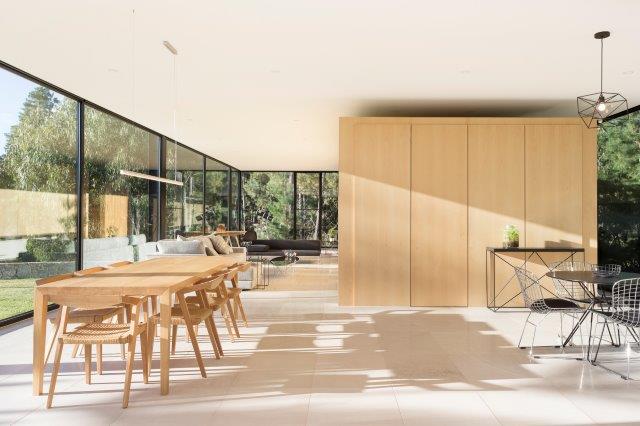
Your home should adapt to your changing needs over time. This involves thinking about how you use spaces now and in the future.
Zoning and Flexible Floor Plans
Creating zones within your home allows for flexible use of space. For example, an open-plan area can be used for family gatherings now, and later converted into separate rooms to suit changing needs. This flexibility is beneficial for growing families or those expecting lifestyle changes. By planning for adjustable spaces, your home remains functional and comfortable as your life evolves.
Universal Design for Ageing in Place
Designing with accessibility in mind ensures your home serves you at every stage of life. Universal design includes features like wider doorways, step-free entrances, and accessible bathrooms. These elements make your home comfortable and safe, regardless of age or ability. They also add value, as they appeal to a wider range of buyers should you decide to sell.
Provisions for Future Technology
Incorporating technology-ready features prepares your home for future advancements. This could include smart wiring for home automation systems or extra power outlets for electronic devices. By planning for future tech needs, your home stays up-to-date without needing major renovations later. This foresight enhances your home’s appeal and functionality.
Craftsmanship and Long-Term Value
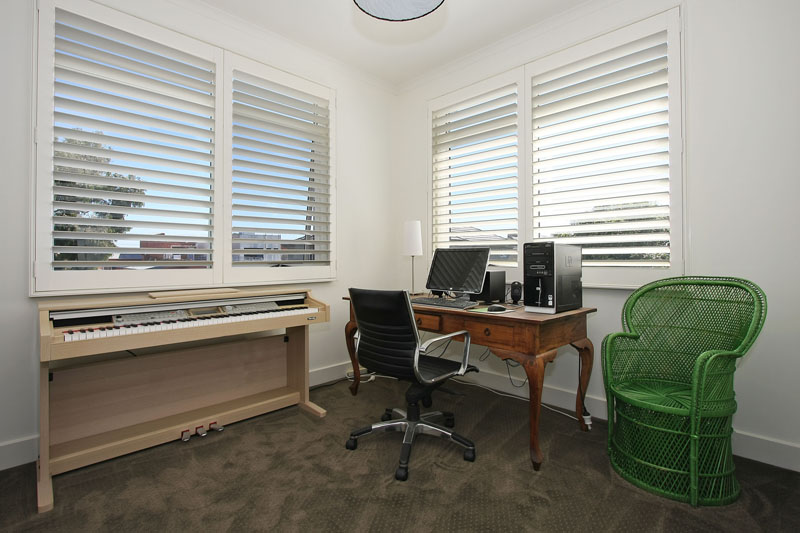
Quality craftsmanship ensures your home stands up to everyday wear and tear while maintaining its appeal and value over time.
Durable, Low-Maintenance Materials
Choosing durable materials means less upkeep and longer life for your home’s features. Consider materials like stone countertops, hardwood floors, and metal roofing. These materials not only look great but also resist wear and damage. By investing in quality now, you save on repairs and replacements in the long run, maintaining your home’s value.
Acoustic and Thermal Comfort
Good acoustic design reduces noise pollution, creating a peaceful indoor environment. This is particularly important in busy areas of Melbourne. Using materials like acoustic insulation or double-glazed windows helps keep your home quiet and serene. Thermal comfort involves maintaining a stable indoor temperature, which can be achieved with proper insulation and ventilation. These features enhance comfort and make your home more enjoyable.
Home Storage and Joinery Planning
Efficient storage solutions keep your home organized and clutter-free. Custom joinery like built-in wardrobes or kitchen cabinets maximize space and provide tailored storage. Thoughtful storage solutions ensure every item has its place, making daily life easier and more efficient. Well-planned storage also adds to your home’s appeal, making it both functional and attractive to potential buyers.
Frequently Asked Questions
What is the importance of northern light orientation in home design?
Northern light orientation maximises natural light, reducing energy costs and enhancing the comfort of living spaces. It increases your home’s value by making it more appealing and energy-efficient.
How can passive design improve my home’s energy efficiency?
Passive design utilises natural elements like sunlight and breezes to regulate indoor temperature. This reduces the need for artificial heating and cooling, lowering energy bills and improving comfort.
Why should I consider universal design in my home?
Universal design ensures accessibility for everyone, regardless of age or ability. It adds long-term value by making your home more adaptable and appealing to a broader audience.