The right layout can make your Melbourne home feel calmer this winter
When winter arrives in Melbourne, the way your home is laid out can change how peaceful and comfortable it feels. Many homeowners overlook how simple layout choices—like north-facing living areas or well-zoned heating—make a big difference during colder months. In this post, we’ll explain how a thoughtful winter home layout can calm your space and keep your family cozy without relying on costly heating. Read on to learn practical design tips for your next Melbourne home renovation. For additional cosy winter decor ideas, you might want to check this link.
Design Strategies for Winter Comfort
Keeping your home warm and inviting during winter doesn’t have to be a challenge. By focusing on specific design strategies, you can create a comforting space.
North-Facing Living Zones
North-facing living zones capture the most sunlight during the day, naturally warming your home. This orientation reduces the need for artificial heating, cutting down on energy costs. To make the most of this, arrange your main living areas such as the living room and kitchen on the north side. Large windows can maximise sunlight exposure. If you’re planning a Melbourne home renovation, consider altering your layout to take advantage of this natural heat source.
Zoned Living and Heating
Zoning separates your home into distinct areas for heating and cooling, making it easier to maintain different temperatures in each zone. You can install separate thermostats for various sections of your house. This approach ensures you only heat the areas in use, saving on energy bills. For instance, bedrooms can be on a different zone from living areas, allowing for custom comfort levels. This not only saves money but also provides a more comfortable living environment.
Passive Solar Design Melbourne
Passive solar design involves using sunlight for heating without active mechanical systems. This method includes features like solar panels and thermal mass materials to store and distribute heat. Incorporating these elements into your Melbourne home design can significantly boost energy efficiency. By using the sun’s natural energy, you can reduce reliance on conventional heating systems. This sustainable strategy is an investment in both your home’s comfort and environmental responsibility.
Effective Layout Enhancements
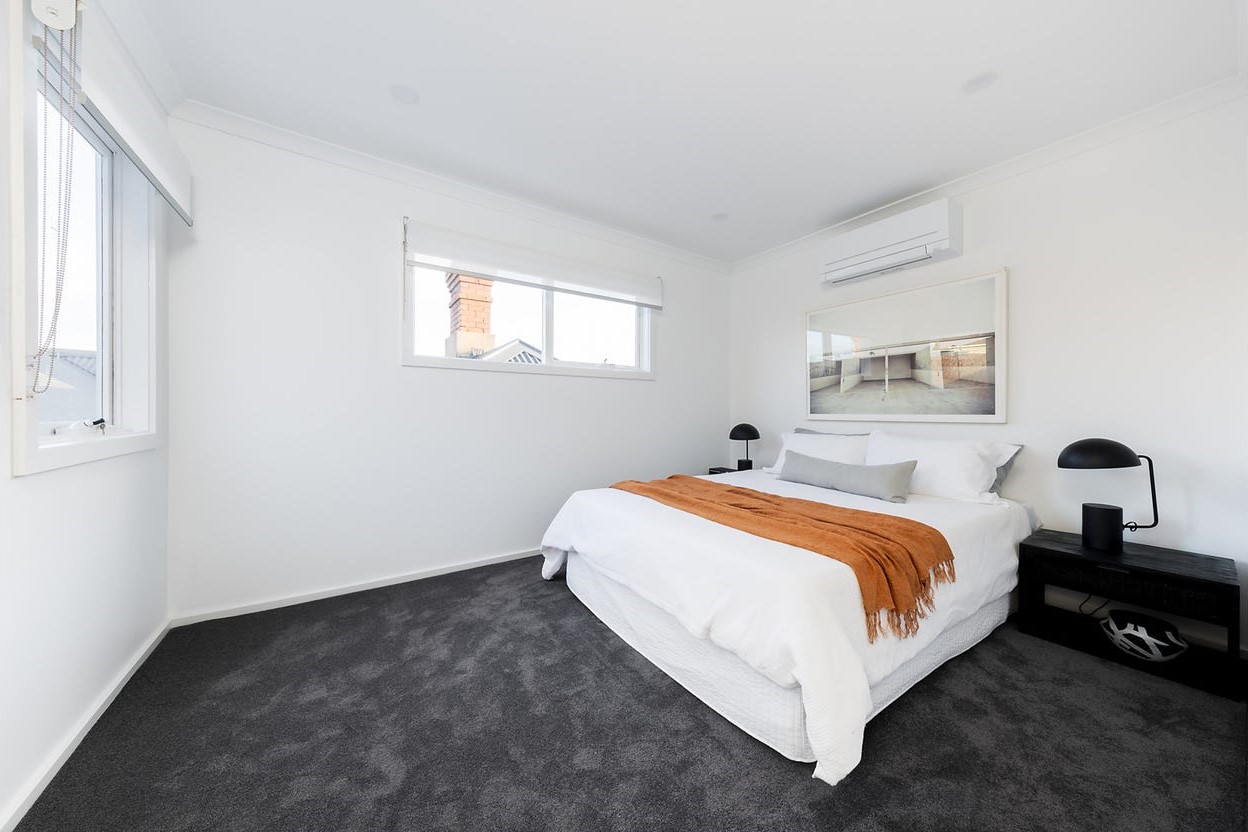
Improving your home’s layout can enhance its functionality and comfort, especially during winter. Here are some effective layout strategies.
Open Plan vs Zoned Layout
Deciding between an open plan or a zoned layout depends on your family’s needs and home design. Open plans offer spacious environments and easy movement, ideal for entertaining. However, they can be harder to heat evenly. Zoned layouts, on the other hand, allow for better temperature control, making them more efficient for winter. Both options have unique benefits, so consider what suits your lifestyle best in a home extension Melbourne.
Mudroom Design Essentials
A mudroom is a practical addition to any home, especially in winter. It serves as a buffer zone where you can leave wet and muddy shoes and clothing. This space keeps the rest of your house clean and dry. You can include storage solutions like cubbies and hooks for coats, hats, and scarves. A well-designed mudroom helps manage the clutter that comes with winter gear, maintaining a tidy and organised home.
Double Storey Extension Benefits
Adding a second storey to your home offers substantial benefits, such as increased living space without expanding the building’s footprint. This extension is particularly useful for growing families looking to stay in their current home. A double storey can also enhance your home’s value and appeal. When considering such an extension, think about how additional rooms can be used to improve zoning and heating efficiency, making your home more comfortable year-round.
Improving Winter Efficiency
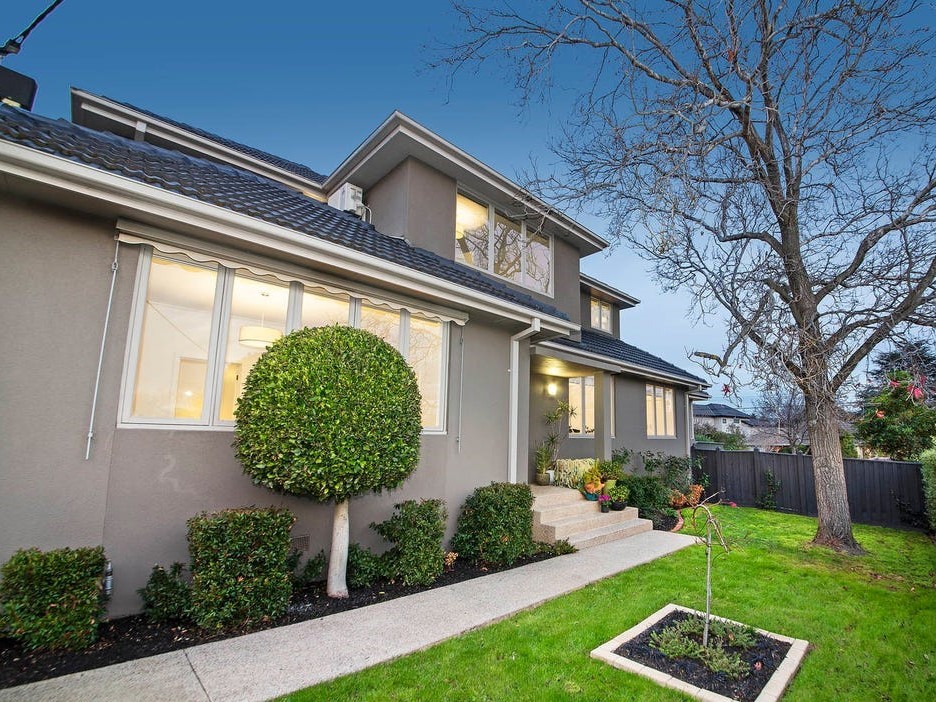
Enhancing your home’s efficiency is crucial in winter, helping to maintain warmth and reduce energy use.
Draught Sealing and Insulation Upgrades
Sealing draughts and upgrading insulation are fundamental steps to improve your home’s efficiency. Draughts occur around doors, windows, and other openings, allowing warm air to escape. Sealing these gaps helps retain heat. Upgrading insulation in walls, floors, and ceilings further boosts your home’s ability to maintain a stable temperature. These changes are simple yet effective ways to make your home more energy-efficient and comfortable.
Double Glazing Advantages
Double glazing involves using two panes of glass with a gap between them in your windows. This design reduces heat loss, noise, and condensation. It’s a smart investment for any homeowner, offering long-term savings on energy bills. Double glazing keeps your home warmer in winter and cooler in summer. It also adds an extra layer of security, making your home safer and more energy-efficient.
Thermal Mass Considerations
Thermal mass refers to materials that absorb and store heat, such as concrete, brick, or stone. These materials help regulate indoor temperatures, releasing stored heat during cooler times. Incorporating thermal mass into your home’s design can significantly improve its energy efficiency. When combined with passive solar design, thermal mass can minimise the need for additional heating, creating a comfortable and sustainable living environment.
By implementing these strategies, you can transform your Melbourne home into a warm and inviting space during winter, while also enhancing its overall efficiency and value.