Melbourne Home Extension Planning Guide for Families Who Want to Stay Put
Staying in the home and neighbourhood you love doesn’t mean you have to settle for cramped spaces or outdated layouts. Planning a home extension in Melbourne can feel overwhelming without a clear roadmap—from permits to design, budget to build. This Melbourne home extension guide breaks down each step clearly, helping you add the space your family needs while preserving your home’s character and charm.
Planning Your Melbourne Home Extension
Taking the first steps in planning your home extension can be daunting. But with careful consideration and the right guidance, you can navigate this journey smoothly.
Assessing Feasibility and Space Needs
Start by evaluating your current living space. Identify which areas feel cramped or underutilized. Consider future family needs. Will you need more bedrooms or a larger living area soon? Think about how you use your home and what changes would enhance your lifestyle. For example, adding a second storey could provide the extra room without sacrificing backyard space. If your home is in a heritage overlay, consult with experts on what modifications are allowed. Knowing your space needs and constraints is key to a successful extension.
Budgeting for Your Extension Project
Establishing a clear budget is crucial. Research typical extension costs in Melbourne. Consider all expenses, from design and permits to construction and finishing touches. Remember to factor in a contingency fund for unexpected expenses. It’s wise to consult with a builder early on to get realistic cost estimates. This will help you understand the financial commitment and plan accordingly.
Navigating Planning and Building Permits
Understanding the permit process is vital for a smooth project. Before starting construction, determine what permits are required for your extension. Melbourne’s local councils have specific regulations that must be followed. Engaging with professionals who have experience in navigating these requirements can save you time and stress. They can guide you through obtaining the necessary approvals, ensuring your project complies with local regulations.
Designing a Family-Friendly Extension
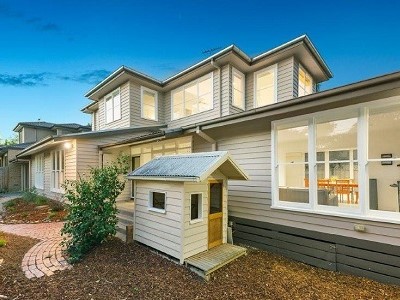
Designing an extension that meets your family’s needs is both exciting and challenging. A thoughtful design will enhance your home’s functionality and appeal.
Creating a Family Friendly Floorplan
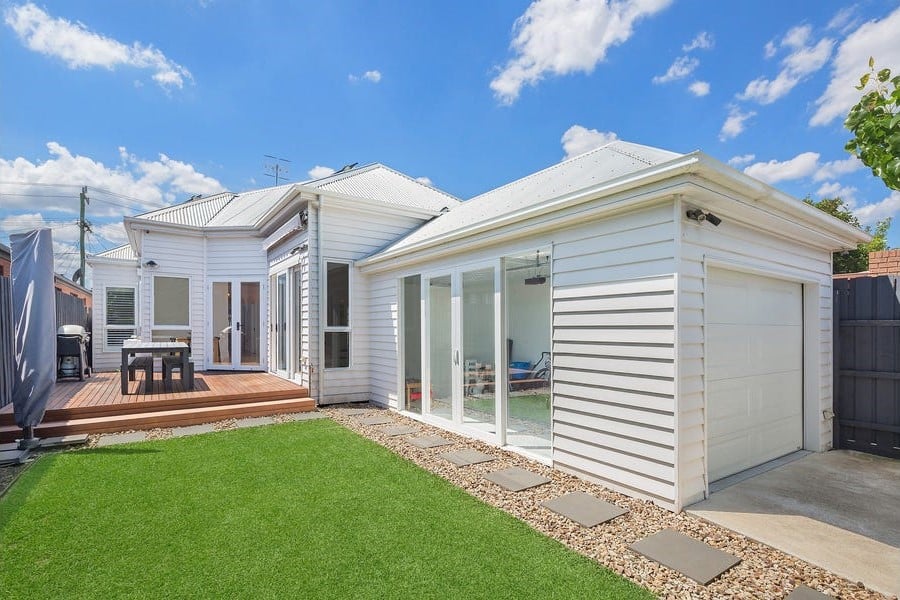
Design your floorplan with everyday family life in mind. Consider open-plan living areas that connect seamlessly with outdoor spaces. This layout is ideal for families, allowing for easy supervision of children while cooking or entertaining. Tailor the design to include spaces that adapt as your family grows, such as multi-purpose rooms that can transform from playrooms to study areas. Ensure the flow of the home is intuitive and accessible for everyone.
Respecting Heritage and Period Homes
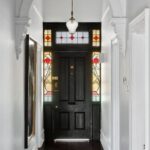
If you own a heritage home, it’s important to respect its character while modernizing it. Work with architects experienced in heritage renovations to ensure that any extension complements the original structure. They can help you maintain the unique charm of your home while integrating modern amenities. This balance is crucial in preserving the historical value of your property and enhancing its usability.
Choosing Between Single and Double Storey
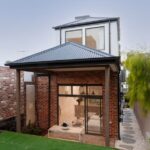
Deciding between a single or double storey extension depends on your space and budget. Single storey extensions are typically less expensive and quicker to build. They’re ideal for expanding living spaces or adding new rooms without altering the home’s height. Double storey extensions, on the other hand, offer more room without increasing the building’s footprint, making them perfect for smaller lots. Consider your long-term needs and consult with a builder to weigh the pros and cons of each option.
Building with Confidence and Quality
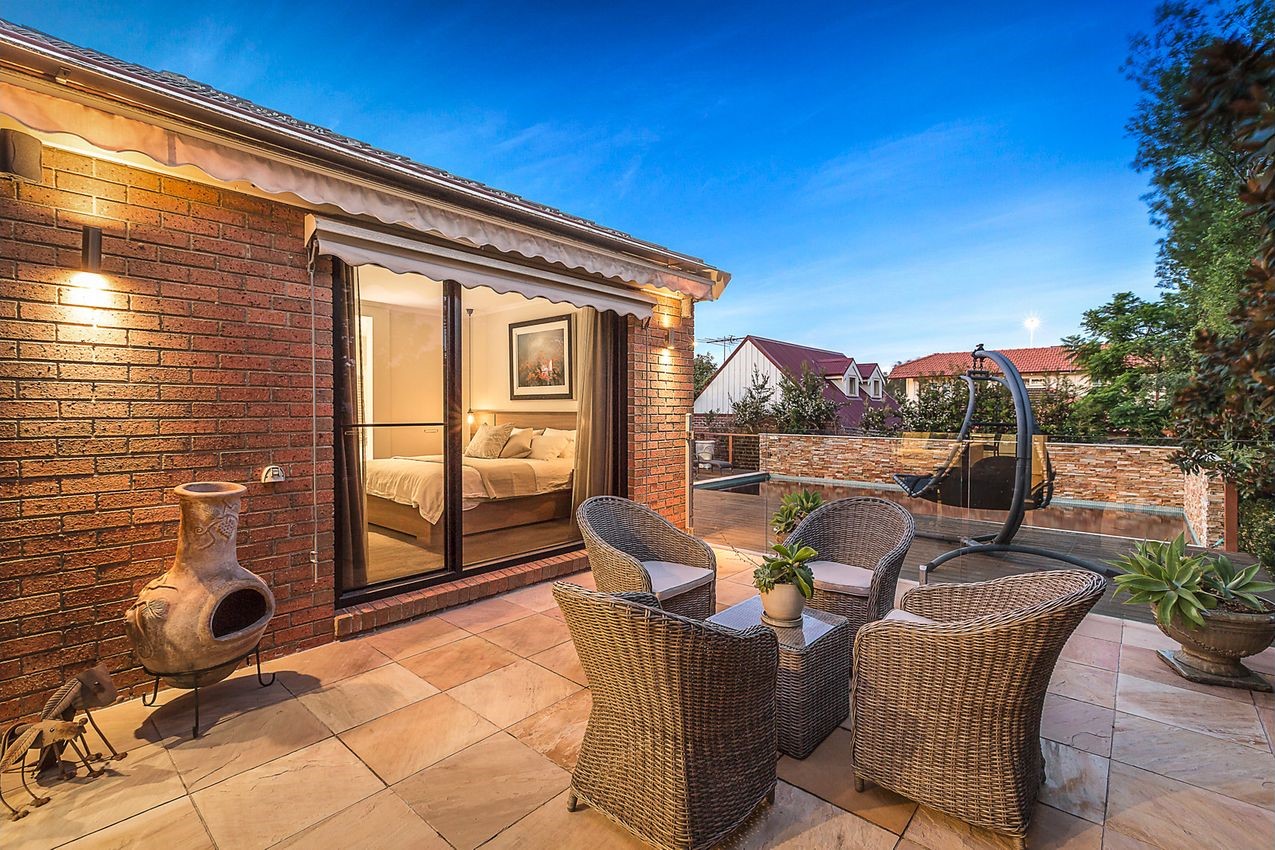
Choosing the right builder and understanding the construction process are essential steps in achieving a successful home extension.
Selecting a Custom Home Builder
Finding a builder you trust is crucial. Look for a company with a strong reputation and expertise in extensions, like Cameron Design & Construction. They should offer a comprehensive service from design to completion. Check their portfolio and client testimonials to gauge their reliability and quality of work. A good builder will communicate transparently, keeping you informed throughout the project.
Understanding House Extension Costs
Knowing the costs involved in a house extension helps in planning effectively. Consider the price of materials, labour, and any additional features you want to include. Keep in mind that quality often comes with a higher price tag, but it ensures a durable and aesthetically pleasing result. Discuss with your builder to get a detailed breakdown of all costs, helping you to avoid surprises later on.
Stress-Free Construction Process
A well-managed construction process minimizes stress. Regular updates from your builder keep you informed of progress and any potential issues. Good project management ensures that timelines are met, and quality is maintained. Choose a builder who prioritizes communication and transparency, ensuring that your extension is completed smoothly and to your satisfaction.
By following this guide, you can confidently embark on your Melbourne home extension project, transforming your living space into a more functional and beautiful home that suits your family’s needs.