How to plan a home extension in Melbourne without unnecessary stress
How to plan a home extension in Melbourne without unnecessary stress
Planning a home extension in Melbourne can quickly become overwhelming without a clear roadmap. You’re juggling budget decisions, design choices, council approvals, and finding the right builder—all while trying to keep disruption to a minimum. This guide breaks down the home extension process into straightforward steps, showing how a design and build Melbourne service can simplify your project and reduce stress along the way. Let’s make your home extension a confident, well-managed experience.
Planning Your Melbourne Home Extension
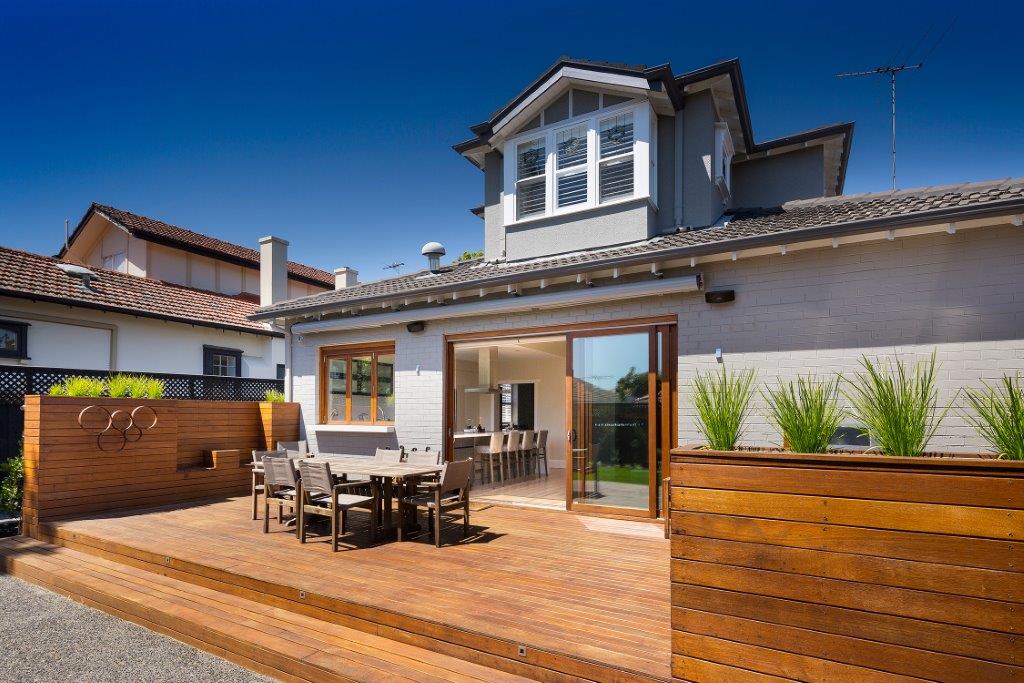
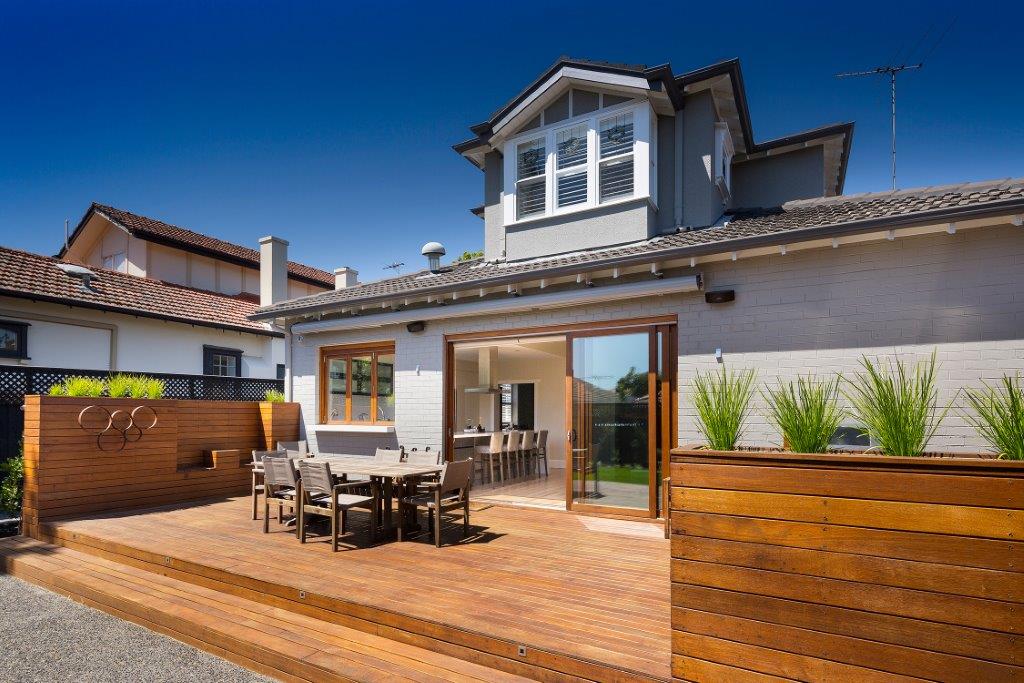
Thinking of extending your home in Melbourne? You’re not alone. Many homeowners are opting to improve rather than move. Here’s how you can plan your extension without unnecessary stress.
Setting a Realistic Budget
The first step is setting a budget that matches your vision for the project. You want to make sure every dollar counts.
When you start planning, consider all costs involved. This includes design fees, materials, permits, and potential unexpected expenses. It’s wise to have a contingency fund, say 10% of your total budget, for surprises. A realistic budget helps you stay on track and avoid financial strain. For more insights, check this guide to home extensions.
To ensure your budget aligns with your goals, consult with professionals early. They can provide accurate cost estimates and identify areas where you might save money. Remember, a well-planned budget reduces stress and sets a clear path forward.
Designing with Purpose
Design is crucial in making your extension a success. It’s not just about adding space, but enhancing how you live.
Begin by listing your needs and wants. Do you need more bedrooms, a larger kitchen, or a home office? Prioritise these based on your lifestyle. Next, think about the flow of your home. A great design ensures that new and existing spaces work together seamlessly. For more ideas, explore luxury home extensions.
Engaging a designer or architect can bring your ideas to life, balancing aesthetics and functionality. They help you visualise the end result and make informed design choices. Your home should be beautiful and practical, serving your family for years to come.
Navigating Council Approvals
Securing the right approvals is vital for your project to move forward smoothly.
You’ll need to understand local regulations and what’s required for your specific extension. Depending on your location, you might need a planning permit Melbourne. Research your council’s rules and start the approval process early, as this can take time.
Professional help is invaluable here too. Builders and designers familiar with Melbourne’s regulations can guide you through. They ensure all paperwork is completed and submitted correctly, helping you avoid delays and penalties. This step can seem daunting, but with the right support, it becomes manageable.
Choosing the Right Builder
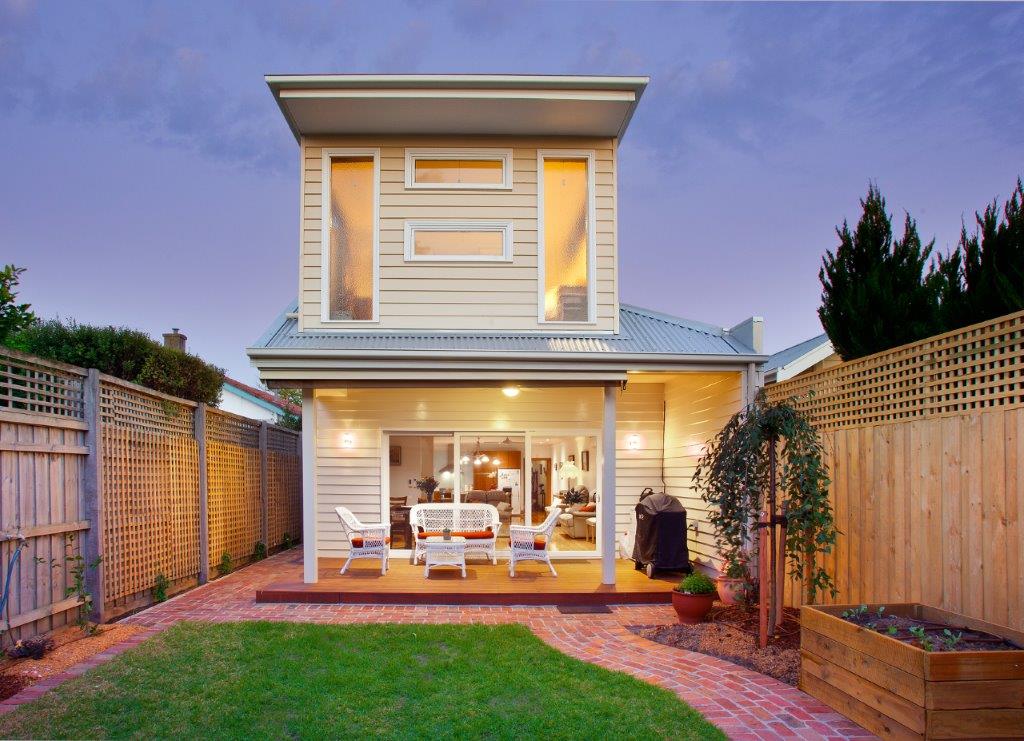
Choosing the right builder is key to a successful extension. The right team can transform your vision into reality.
Evaluating Integrated Services
Integrated services can simplify your project. But what does this mean?
When a builder offers both design and construction, you’re dealing with a single team from start to finish. This simplifies communication and coordination. It also often leads to better cohesion between design and build phases, reducing the chances of miscommunication. Many homeowners find this approach less stressful and more efficient. For more on this, explore the benefits of an integrated approach.
Choosing integrated services means you have one point of contact, which streamlines the process and helps keep everything on schedule and within budget.
Understanding Builder Contracts
Contracts are crucial. They outline expectations, timelines, and costs—everything you need to know.
Before signing any contract, read it thoroughly. Make sure it includes detailed descriptions of the work to be done, materials to be used, and project timelines. This document protects both you and the builder. If anything seems unclear or missing, don’t hesitate to ask questions.
Having a lawyer or experienced advisor review the contract can provide peace of mind. They can spot potential issues and help ensure your interests are protected. A clear, detailed contract is a foundation for a successful partnership with your builder.
Communication with Your Builder
Good communication is vital to a smooth project. Regular updates and open dialogue keep everyone on the same page.
Establish a communication plan at the outset. Decide how often you’ll meet or speak and what forms of communication (email, phone, meetings) work best for you. This helps prevent misunderstandings and keeps the project moving forward smoothly. Open communication builds trust and ensures any issues are addressed promptly.
If something isn’t going as planned, don’t hesitate to bring it up. A responsive builder will address your concerns and work with you to find solutions. Your satisfaction is their priority.
Managing the Extension Process
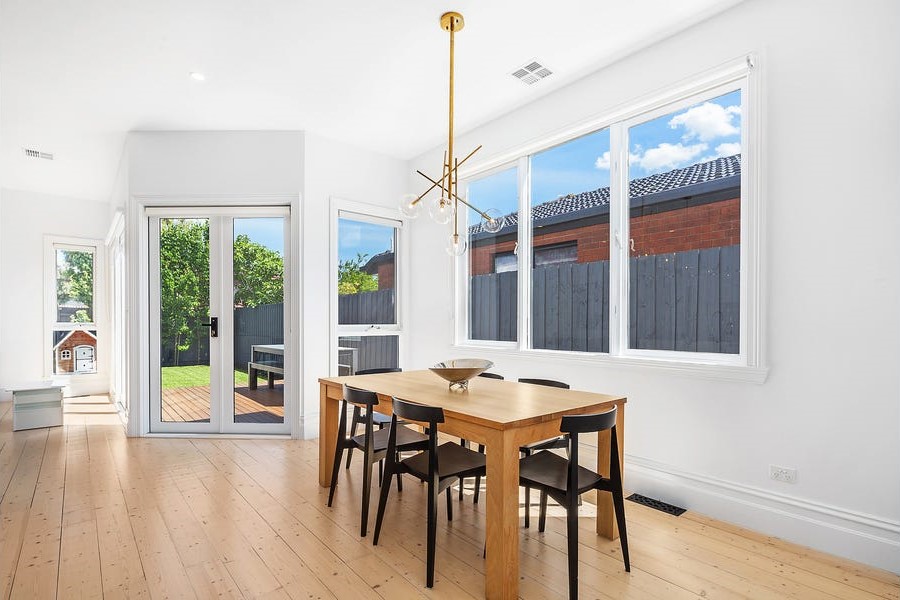
Once everything is in place, focus on managing the process itself. Here’s how to keep things on track and stress-free.
Timeline Expectations
Setting realistic timelines helps manage stress and expectations. Know what to expect at each stage.
Discuss timelines with your builder early. Understand how long each phase will take and what factors might affect progress. Weather, supply chain issues, and approvals can all impact timing. Being aware of potential delays helps you plan accordingly. You can learn more about scheduling in this stress-free home building guide.
Stay flexible and communicate regularly with your builder. They’ll provide updates and notify you of any changes to the schedule. This keeps you informed and prepared for any adjustments.
Handling Permits and Approvals
Permits and approvals might sound daunting, but they’re a critical part of the process.
Work closely with your builder to ensure all necessary permits are obtained. They should handle this on your behalf, ensuring everything is in compliance with local regulations. This step can take time, so patience and planning are key.
Approval processes can vary, but having a knowledgeable team supporting you will make a significant difference. They guide you through each step, minimising stress and ensuring nothing is overlooked.
Ensuring Quality and Craftsmanship
Quality should never be compromised. It’s about creating a home that stands the test of time.
Choose materials and finishes that reflect your style but also offer durability. Your builder will guide you on the best options for your budget and needs. They should also have a proven track record of quality craftsmanship, as seen in awards and testimonials.
Regular site visits allow you to monitor progress and ensure standards are met. Your builder should welcome your involvement and address any concerns you have. This partnership ensures the final product is something you’re proud of.
The journey to a successful home extension in Melbourne starts with careful planning, realistic budgeting, and choosing the right partners. By focusing on these key areas, you can transform your home into something truly special, with confidence and peace of mind.