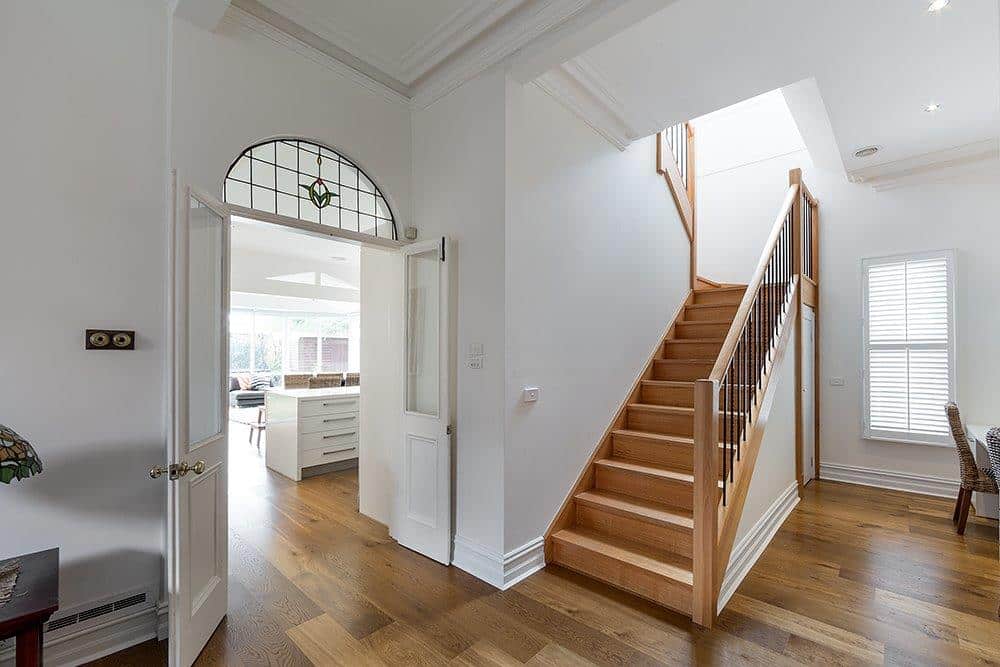
How to modernise a heritage home while preserving its character
How to modernise a heritage home while preserving its character
Modernising a heritage home in Melbourne isn’t just about adding new features—it’s about respecting the original charm while making spaces work for today’s lifestyle. Tackling a period home renovation means navigating heritage overlays, council approvals, and design choices that keep character intact. We’ll guide you through smart design moves and build considerations that protect your home’s story while improving comfort and function. Read on to learn how our integrated design and build process removes uncertainty from your project. [https://thefergusoncottage.com/you-dont-have-to-gut-it-to-update-it-how-to-modernize-an-old-house-without-losing-the-character/]
Approvals and Planning
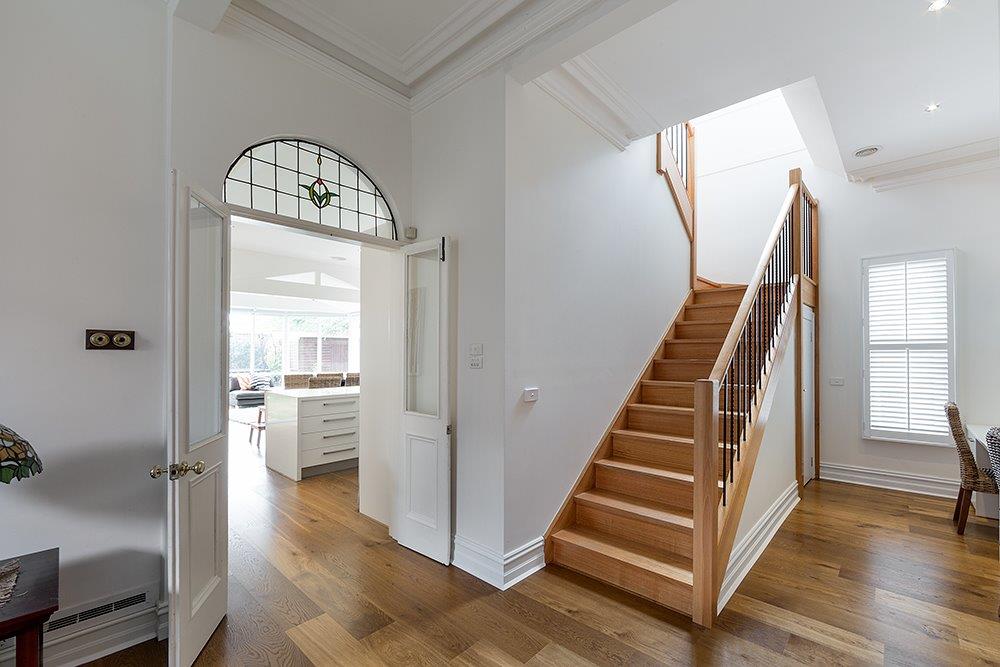
Understanding the groundwork needed for a heritage home renovation is key. Let’s venture into the approvals and planning essential to safeguarding your home’s distinctive character.
Navigating Heritage Overlays
Heritage overlays add a layer of protection to your home, preserving its historical significance. But how do you ensure compliance? First, check if your property is listed on the local heritage overlay. This will inform what changes you can make.
Next, engage a specialist who understands the complexity of heritage regulations. They can guide you on permissible alterations, ensuring your upgrades respect the original design. Collaborating with experts helps ensure your plans align with heritage standards, preserving your home’s authenticity.
Securing Planning Permits
Before you start swinging hammers, you’ll need the right permits. Start by consulting with your local council to understand specific requirements for your heritage home. A detailed plan showing proposed changes is crucial.
Working with an experienced architect can streamline this process. They can draft plans that meet both your vision and legal requirements. When the council sees that your project respects heritage values, securing permits becomes a smoother journey.
Understanding Council Requirements
Every council has unique regulations for heritage homes. Understanding these is vital for a successful renovation. Begin by reviewing your local council’s guidelines on heritage buildings. This will give you a clear picture of what’s permissible and what’s not.
Engage with council officers early in the process. They can offer insights and answer questions you might have. Building a relationship with them can ease the path to approvals, ensuring your renovation progresses without unnecessary delays.
Smart Design Strategies
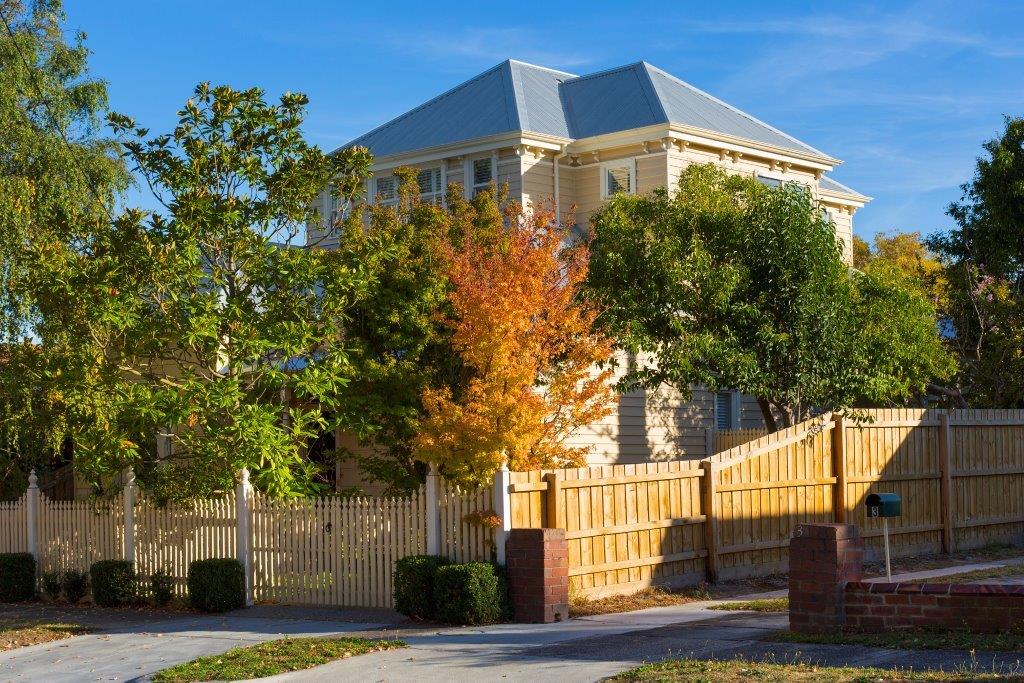
With approvals underway, it’s time to focus on design. Let’s explore how to blend the charm of yesteryears with modern comforts, creating a home you love to live in.
Balancing Character and Modernity
Preserving your home’s character while introducing modern amenities is an art. Start by identifying key features like cornices, fireplaces, or stained glass windows that represent the home’s history.
Incorporate modern designs that complement these features rather than overpower them. For instance, a sleek, open-plan kitchen can coexist with a vintage fireplace, creating a seamless blend of old and new. Thoughtful design ensures your home remains a timeless reflection of its past.
Enhancing Light and Space
Many period homes suffer from dim lighting and cramped spaces. Solving this involves more than just adding windows. Consider high ceilings and strategically placed skylights to brighten interiors.
Open up spaces by removing non-structural walls. This not only improves flow but also enhances natural light. These adjustments can make your home feel more inviting while maintaining its historical appeal.
Energy Efficiency in Period Homes
Older homes often lack energy efficiency. To address this, start with insulation. Adding roof and wall insulation can significantly reduce energy bills. Consider double-glazed windows that keep heat in and noise out.
Installing energy-efficient heating and cooling systems can further enhance comfort. These updates not only protect the environment but also ensure your home remains comfortable year-round.
Integrated Design and Build Process
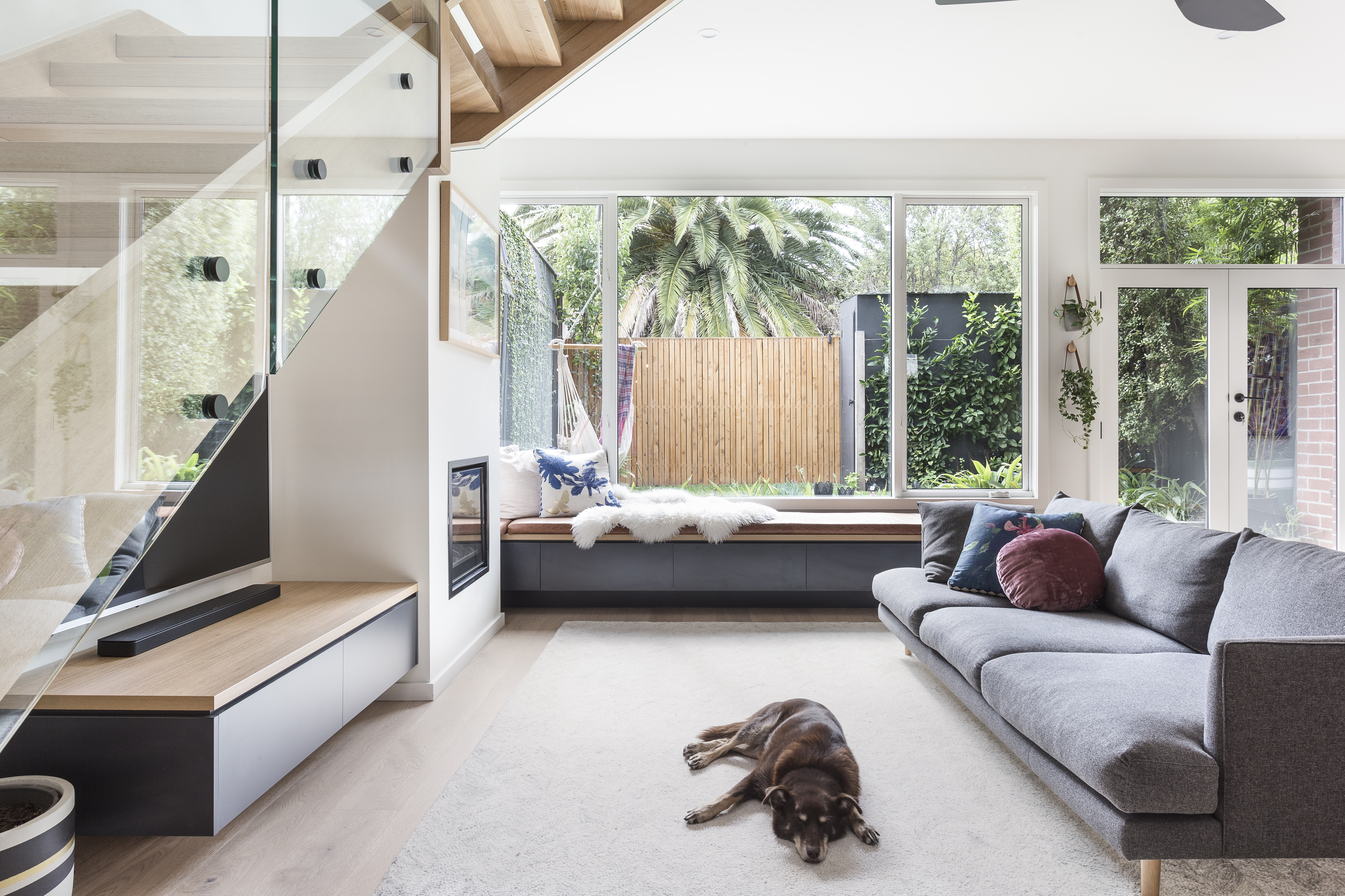
With smart strategies in mind, let’s delve into how an integrated approach simplifies your renovation, ensuring a stress-free experience.
Stress-Free Renovation Steps
Renovating a heritage home doesn’t have to be daunting. Our integrated design and build process simplifies each step, from concept to completion. This streamlined approach saves you time and reduces stress.
By having a single team manage your project, communication is clear, and decisions are made swiftly. This ensures your renovation stays on track, both in terms of timing and budget.
Importance of Clear Communication
Communication is the backbone of any successful project. With our approach, you have a single point of contact. This means fewer surprises and more certainty about your renovation’s progress.
Regular updates keep you informed, reducing any anxiety about unexpected changes. This transparency builds trust, ensuring you’re confident every step of the way.
Long-Term Value and Craftsmanship
Investing in quality craftsmanship pays off in the long run. Our focus on detail and durability means your home not only looks beautiful but stands the test of time.
A well-renovated heritage home can significantly increase in value. By choosing a builder with a reputation for excellence, you’re ensuring your investment will continue to grow. Your home becomes a space of pride, reflecting both its rich history and your modern lifestyle.
For a deeper dive into modernising your heritage home while preserving its character, explore resources like Story Renovations and J&D Remodel. These insights can guide your renovation journey, ensuring both respect for tradition and embrace of modern comforts.