How to Improve Liveability in an Older Melbourne Home Without Moving
Many Melbourne homeowners feel stuck in older homes that no longer suit their lifestyle. You don’t have to move to enjoy better comfort, storage, and natural light. With thoughtful upgrades, your period or mid-century home can offer modern liveability while respecting its character. This guide walks you through practical improvements that increase value and ease, all supported by a design and build process tailored to Melbourne homes. Read more.
Enhancing Comfort in Older Homes
Breathing new life into an older home can dramatically improve your comfort level. Let’s explore how you can make it happen.
Improve Thermal Performance
Keeping your home warm in winter and cool in summer is crucial. Start by focusing on thermal performance. Double glazing your windows plays a huge role. It can reduce heat loss by up to 50%. Also, passive design principles are key. Positioning windows to maximise sunlight in winter and shade in summer can make a big difference. Insulated walls and roofs further ensure comfort, making your home energy-efficient. This approach reduces energy bills and enhances living quality.
Maximise Natural Light
Natural light not only brightens up your space but also improves your mood. Consider adding skylights. They bring in light from above, transforming dark corners. Glass doors leading to outdoor areas are another option. They blur the line between indoor and outdoor spaces. Removing heavy curtains and replacing them with light-filtering options can also help. More light means a more inviting and warm home atmosphere.
Upgrade Insulation and Windows
Older homes often lack proper insulation. Upgrading insulation in your walls and roof can make a significant difference. R-value is a measure of insulation’s ability to resist heat flow: the higher the R-value, the better. Modern windows come with low-emissivity (Low-E) coatings, which reduce heat transfer. This means your home stays warmer in winter and cooler in summer, providing comfort all year round.
Design-Led Home Extensions
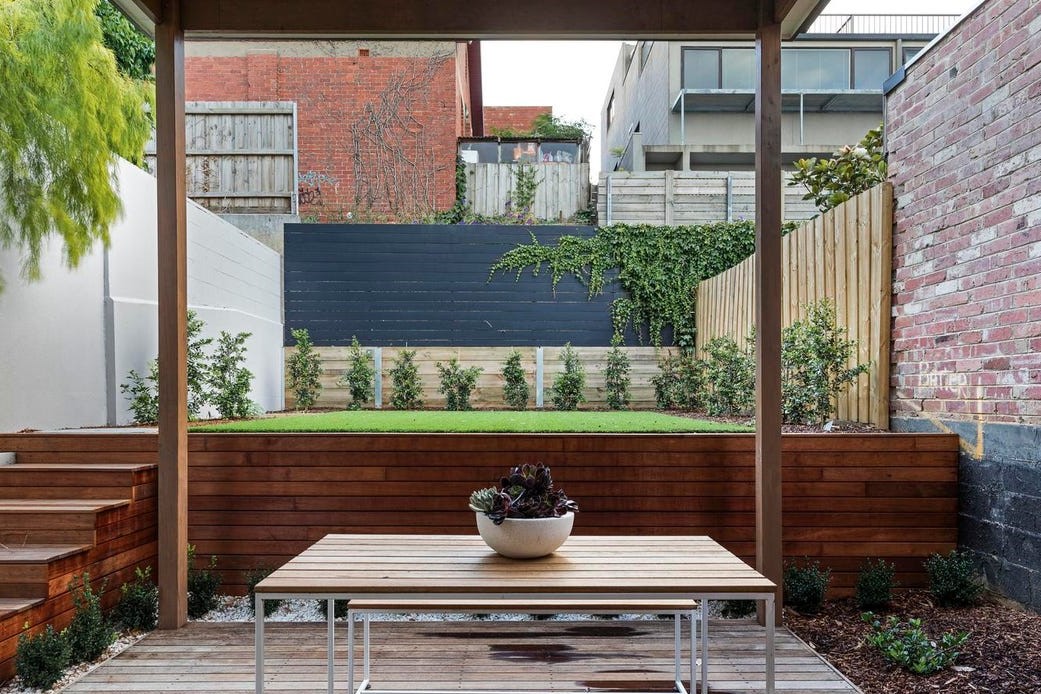
When your home feels cramped, extensions can offer a spacious solution. Let’s dive into some creative options.
Open Plan with Defined Zones
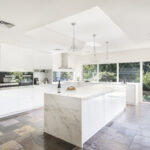
An open plan design can transform your home, making it feel more spacious and connected. By knocking down walls, you can create a seamless flow between spaces. But it’s important to have defined zones within this openness. Use rugs or furniture to separate living, dining, and kitchen areas visually. This approach keeps the space open yet organised, enhancing both functionality and style.
Indoor-Outdoor Living Spaces
Melbourne’s climate is perfect for indoor-outdoor living. Consider bi-fold doors that open up your living area to a deck or patio. A well-designed transition enhances your lifestyle and extends your living space. Use similar materials and colours to create a harmonious flow between inside and out. This not only adds space but also encourages more time spent outdoors.
Double Storey Extensions
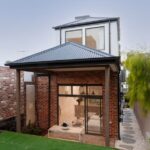
If you need more space but have limited land, think vertically. A double storey extension can add rooms without expanding your home’s footprint. This option is great for growing families needing extra bedrooms or home offices. It’s a cost-effective way to increase space while maintaining your garden or outdoor area. Plus, it can significantly boost your property’s value.
Heritage Renovation Considerations
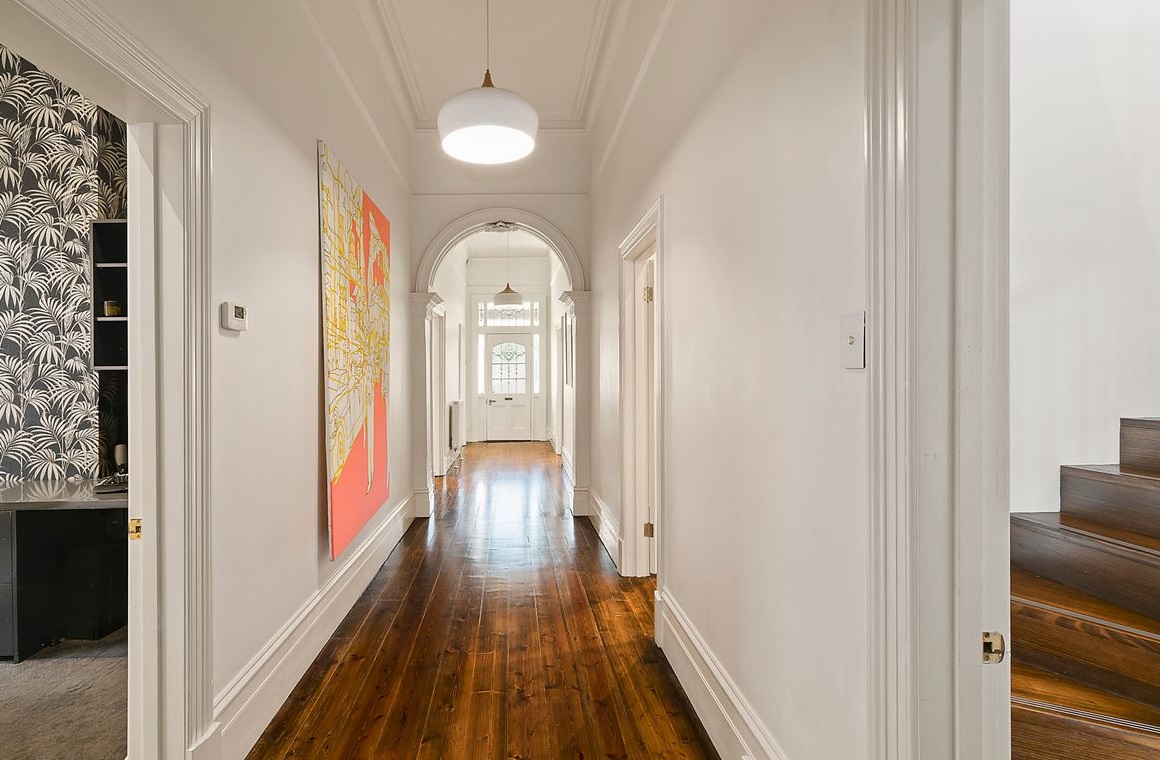
Preserving the character of a heritage home while enhancing its functionality is an art. Here’s how you can do it.
Maintaining Architectural Integrity
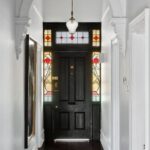
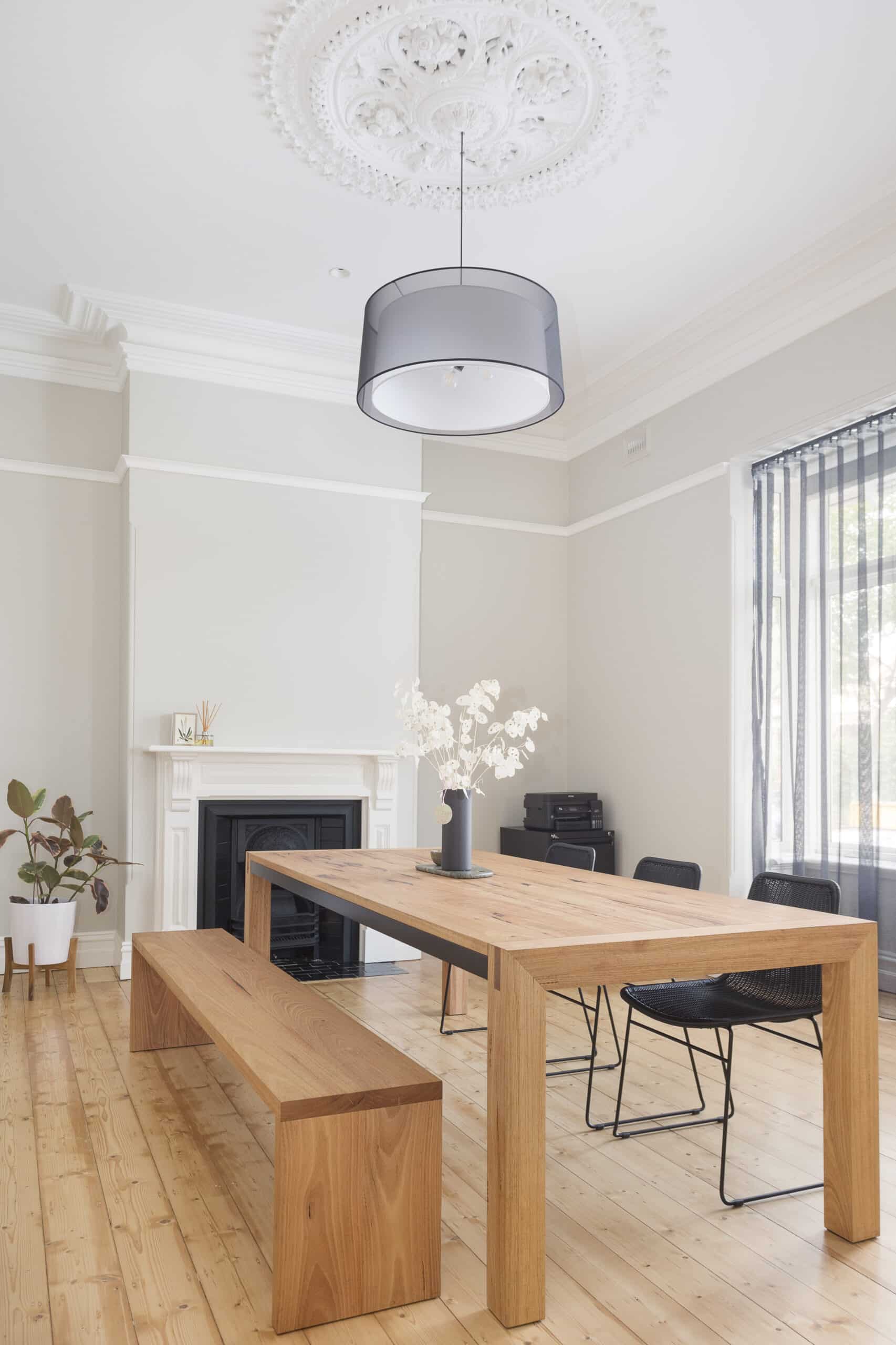
When renovating a heritage home, it’s important to respect its original features. Preserve ornate cornices, ceiling roses, and fireplaces. These elements add charm and character. Integrating modern comforts without overshadowing these features can be achieved with subtle upgrades like underfloor heating or modern lighting that complements the period style.
Council Approvals Melbourne
Renovating a heritage home in Melbourne often requires navigating council approvals. It’s essential to understand the process and requirements. Consulting with professionals familiar with local heritage overlays can save time and stress. Proper documentation and adherence to guidelines ensure that your renovation not only preserves the home’s character but also meets all legal standards.
Bespoke Cabinetry Storage Solutions
Older homes often lack adequate storage. Consider bespoke cabinetry solutions to make the most of available space. Custom cabinets can fit into awkward nooks and crannies, maximising storage while maintaining the home’s aesthetic. Tailoring solutions to your needs ensures functionality without compromising on style or space.
Frequently Asked Questions
How can I improve the energy efficiency of my older home?
Improving energy efficiency involves upgrading insulation, installing double-glazed windows, and incorporating passive design principles. These changes help maintain a comfortable temperature inside your home and reduce energy bills.
Is it possible to modernise a heritage home without losing its character?
Yes, it’s possible. Focus on preserving key architectural features while integrating modern comforts subtly. Consult professionals who respect heritage values and can guide you through renovations that balance old-world charm with new-world convenience.
Do I need council approval for a home extension in Melbourne?
Yes, council approval is often required for extensions, especially for heritage homes. It’s crucial to understand local regulations and work with experts who can assist with the approval process, ensuring your project complies with all necessary guidelines.
What are the benefits of an open plan layout?
An open plan layout can make your home feel more spacious and connected. It improves the flow between living areas and allows for more natural light. By defining zones within the open space, you maintain functionality and organisation.
Can I expand my home if I have limited land space?
Absolutely. A double storey extension is a great solution for limited land space. It adds rooms without increasing your home’s footprint, providing the extra space you need while preserving your garden or outdoor areas.