What to consider before renovating a period home in Melbourne
What to consider before renovating a period home in Melbourne
Renovating a period home in Melbourne comes with unique challenges that don’t apply to newer builds. From navigating heritage overlays and planning permits to balancing modern upgrades with original character, there’s a lot to consider before you start. This guide breaks down what you need to know to plan your period home renovation Melbourne with confidence and clarity.
Understanding Heritage Overlays
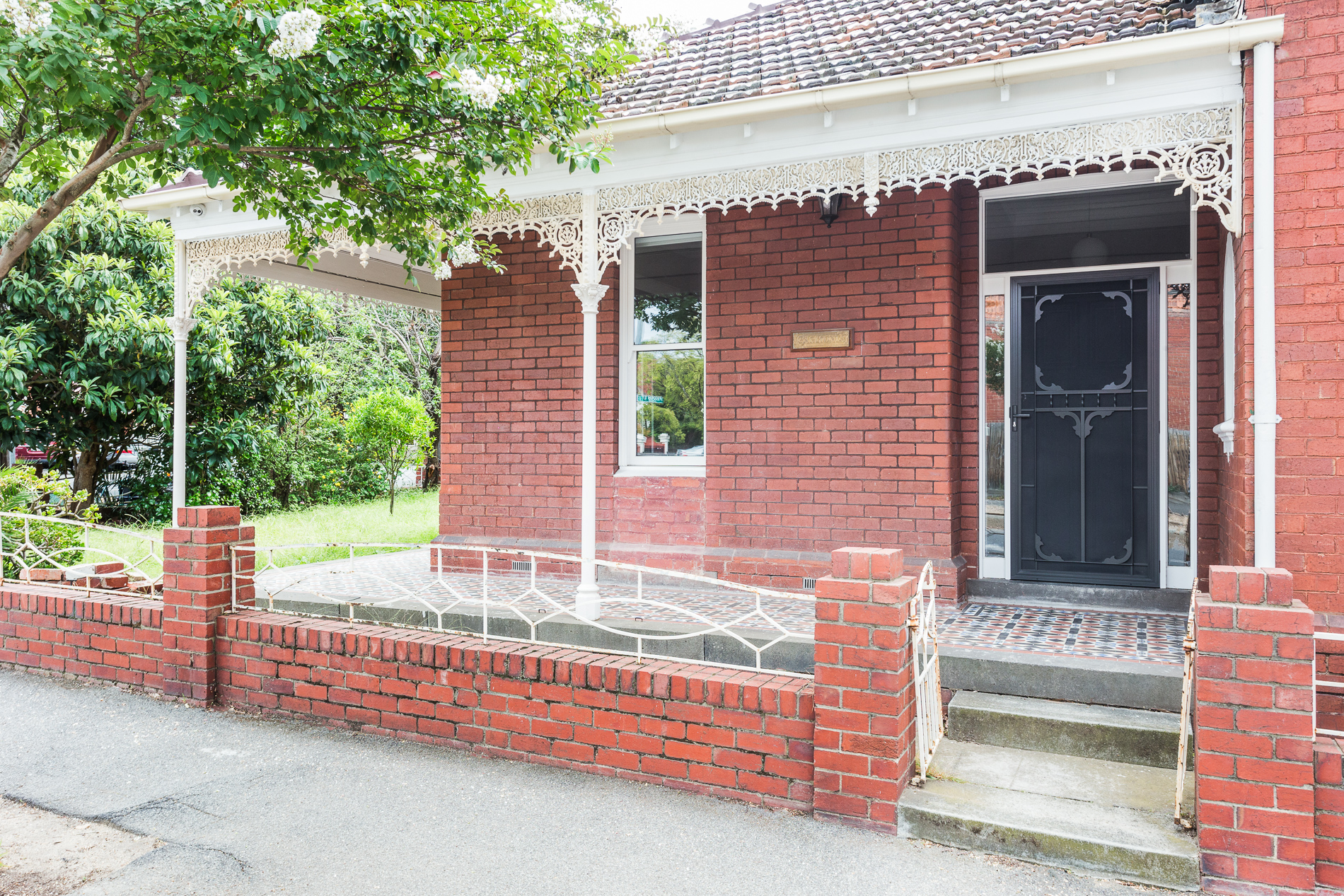
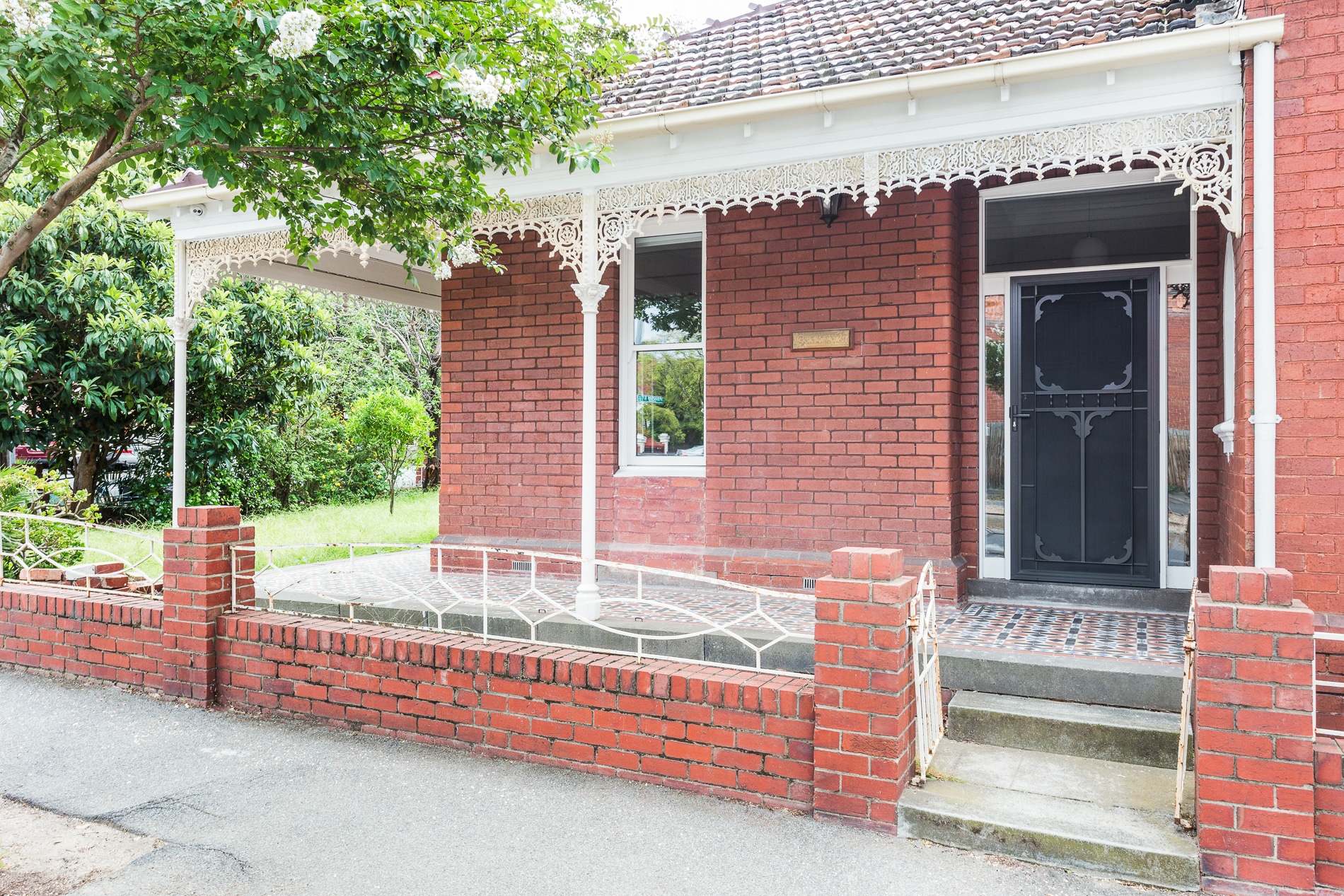
To transform your period home while preserving its charm, you must first understand the regulations that come with heritage overlays. These overlays ensure that the architectural character of Melbourne’s historic homes is protected.
Navigating Heritage Overlay Melbourne
Heritage overlays can feel daunting, but they are crucial for maintaining the charm of Melbourne’s period homes. These overlays dictate what changes can be made to your home’s exterior. You’ll need to check with your local council to see if your home is affected. Typically, any alterations must keep the original facade intact. Engaging an expert familiar with heritage requirements can save you time and help you avoid costly mistakes. Learn from other homeowners’ experiences by reading resources like the expert guide to period home renovations.
Planning Permit Melbourne Basics
Planning permits ensure your renovation aligns with local rules. If your home is covered by a heritage overlay, obtaining this permit becomes even more critical. You’ll need to demonstrate that your renovation respects the heritage significance. It’s often best to have a professional present your plans to ensure compliance. This can prevent delays and ensure your project starts on time.
Building Permit Victoria Essentials
A building permit is different from a planning permit and focuses on structural integrity, safety, and compliance with building codes. For period homes, this might mean reinforcing old structures or updating services like plumbing and wiring. Working with a knowledgeable builder familiar with Victoria’s building codes can make this process smoother. This step is essential to ensure your renovation is both safe and compliant.
Key Renovation Considerations
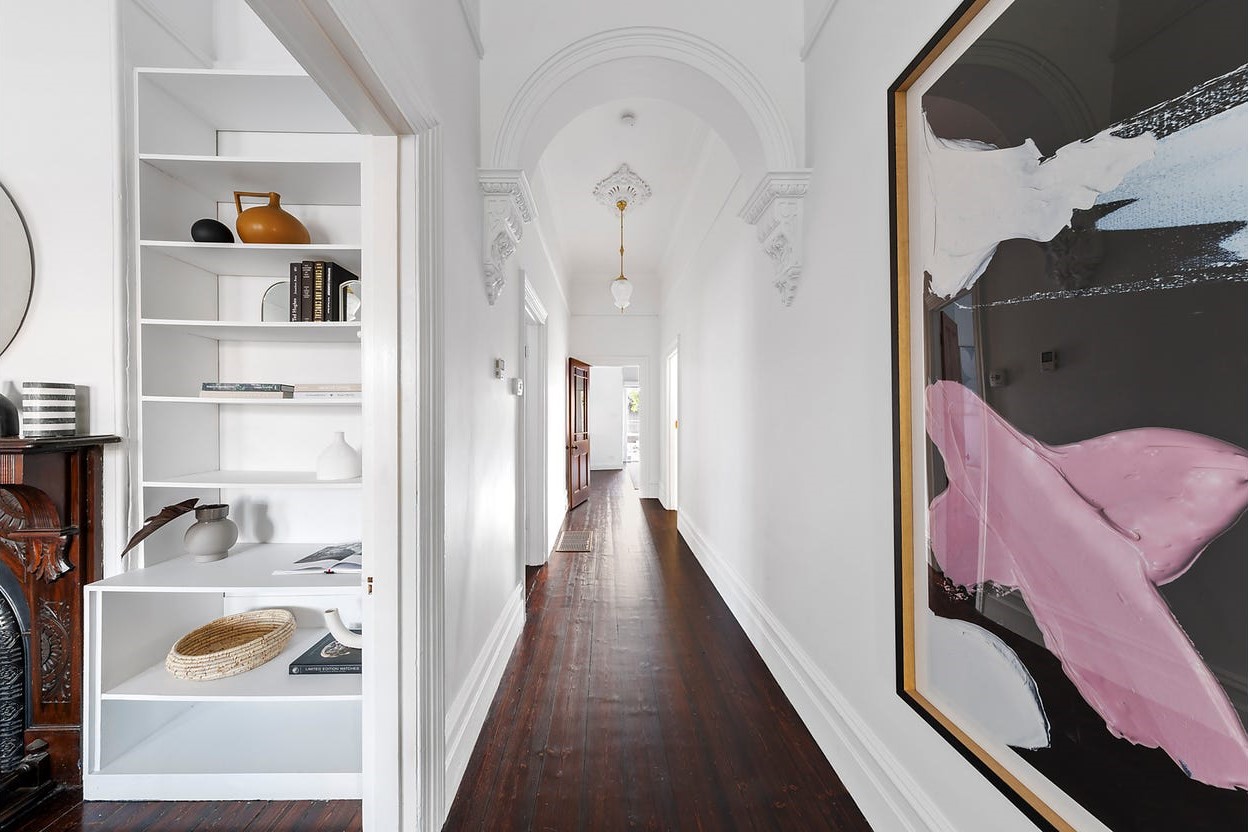
With permits sorted, it’s time to consider the key elements of your renovation. These decisions will impact the comfort and efficiency of your period home.
Energy Efficiency Heritage Home Tips
Older homes often have poor energy efficiency. Improving this can reduce your bills and increase comfort. Consider upgrading insulation, installing efficient heating systems, and sealing draughts around doors and windows. Double glazing can also make a significant difference. By focusing on these areas, you enhance comfort while preserving the home’s original features. For more tips, check out energy efficiency upgrades for heritage homes.
Structural and Services Upgrades
Older homes may require structural improvements to meet modern standards. This could include reinforcing foundations or updating electrical systems. Plumbing often needs attention too, as old pipes can be inefficient or corroded. Addressing these areas will provide a safer and more reliable home. Investing in these upgrades not only ensures safety but also increases the property’s value.
Sympathetic Design and Architectural Extension
Balancing modern needs with historic charm is key. Sympathetic design involves blending new extensions seamlessly with the original structure. Choose materials and styles that complement the existing architecture. This approach maintains the home’s character while offering modern functionality. It’s about enhancing lifestyle without losing the home’s essence. For inspiration, explore examples of successful heritage renovations.
Practical Planning for Renovation
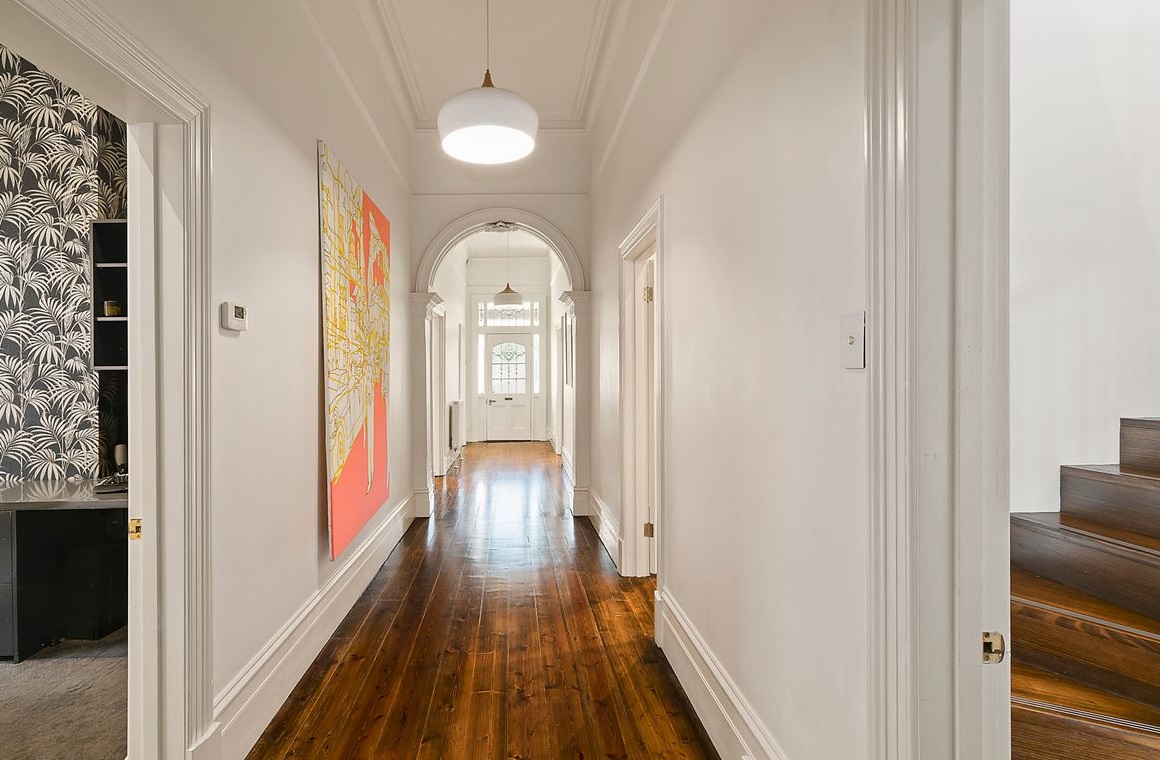
With design and upgrades in mind, practical planning ensures a smooth renovation process.
Budget Allowances and Hidden Costs
Budgeting is crucial. Include a contingency for unexpected costs, which are common in period home renovations. These could involve unforeseen structural issues or heritage compliance requirements. Knowing potential costs upfront helps avoid financial strain later. A detailed budget keeps the project on track and within financial limits.
Living Arrangements During Construction
Consider your living situation during the renovation. Depending on the project’s scale, staying in the home might not be feasible. Plan temporary accommodations if necessary. This reduces stress and ensures the project proceeds without disruptions. Clear planning here can lead to a smoother renovation experience.
Choosing a Melbourne Heritage Builder
Selecting the right builder is vital for a successful renovation. Look for someone with experience in heritage projects and a good understanding of local regulations. A builder specialising in period homes will respect the property’s character while providing modern solutions. With the right team, your renovation will meet both your vision and heritage requirements, ensuring a beautiful and functional home.