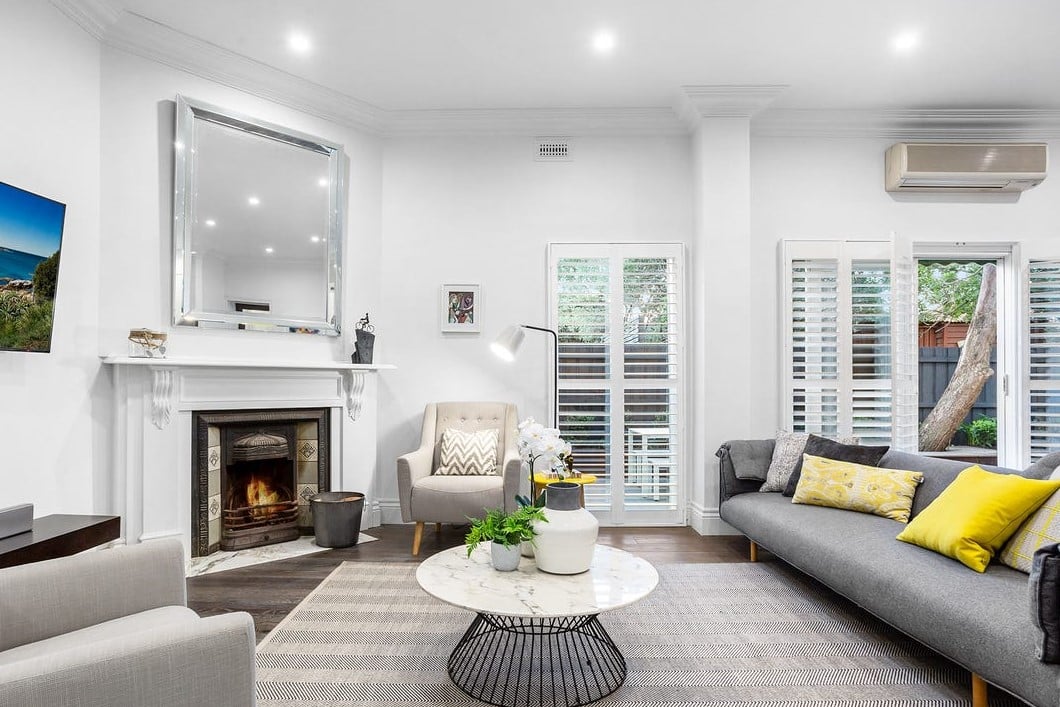
Renovating a Heritage Home in Melbourne: What to Know Before You Start
Renovating a heritage home in Melbourne is more complex than a standard renovation. You need to navigate heritage overlays, secure the right council approvals, and work with designers and builders who understand period homes. Knowing what to expect with budgets, planning permits, and design options will save you stress and keep your project on track. Here’s what every Melbourne homeowner should know before starting a heritage renovation. Learn more about preserving character in modern extensions.
For the commercial design-and-build service, see our heritage renovation builders in Melbourne. This article focuses on what homeowners should consider before starting.
Navigating Heritage Overlays
Understanding the unique challenges of heritage renovations is crucial to preserving the architectural integrity of your home. Let’s explore the essentials for making your project a success.
Understanding Heritage Renovation Melbourne
Heritage renovations in Melbourne require special attention to detail. You need to understand how to blend modern amenities with historical charm. Start by assessing the existing structure. Check which elements must remain due to heritage restrictions. This will guide your design choices. Consulting with experts who specialise in heritage renovations can be invaluable. They can provide insights on how to incorporate modern comforts without compromising the home’s character.
Council Heritage Approvals Melbourne
Securing the right approvals is a vital step in any heritage renovation. Each council has specific requirements for heritage properties. Understanding these requirements can save you time and hassle. Contact your local council for guidance on what permits you need. Be prepared to submit detailed plans showing how your renovations will maintain the historical aspects of the property. This process may seem daunting, but it’s a necessary step to preserve Melbourne’s rich architectural history.
Planning and Permits Explained
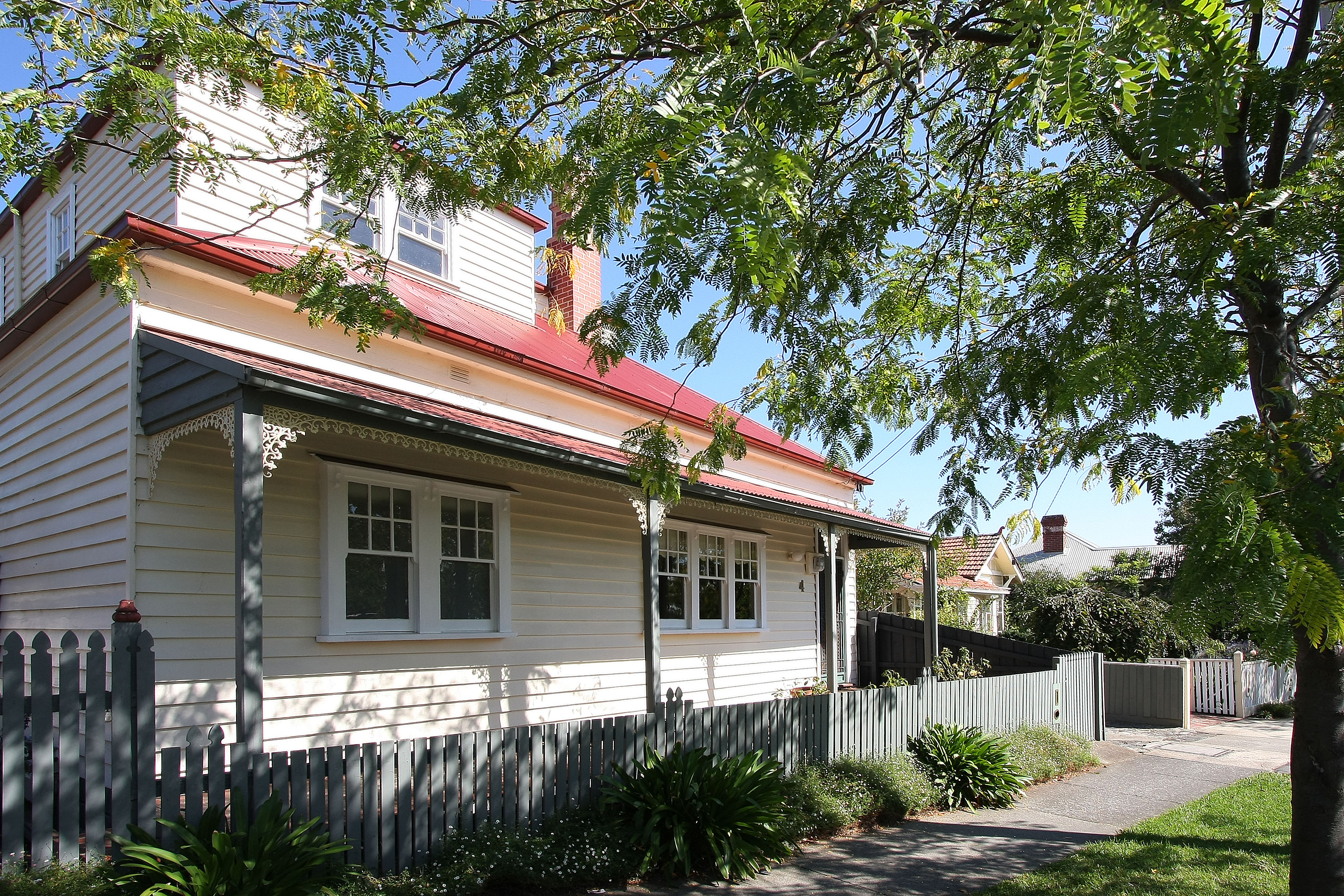
Once you understand the overlay and approval process, it’s time to tackle planning and permits. These are key for moving from concept to construction.
Melbourne Council Planning Permit
A planning permit is your ticket to getting started. It ensures your renovation meets local regulations. In Melbourne, this permit covers aspects like design and impact on the neighbourhood. Begin by submitting a thorough application. Include sketches and descriptions of your proposed changes. Working with someone experienced in the Melbourne council process can ease this step. They know what councils expect and can help streamline your application.
Planning Permit vs Building Permit Victoria
Understanding the difference between these permits is crucial. A planning permit allows you to make changes to your property’s use or appearance. A building permit, however, focuses on ensuring safety and compliance with construction standards. You need both for a successful renovation. Check with your builder on which permits apply to your project. This clarity will prevent delays and ensure compliance.
Creating a Realistic Budget
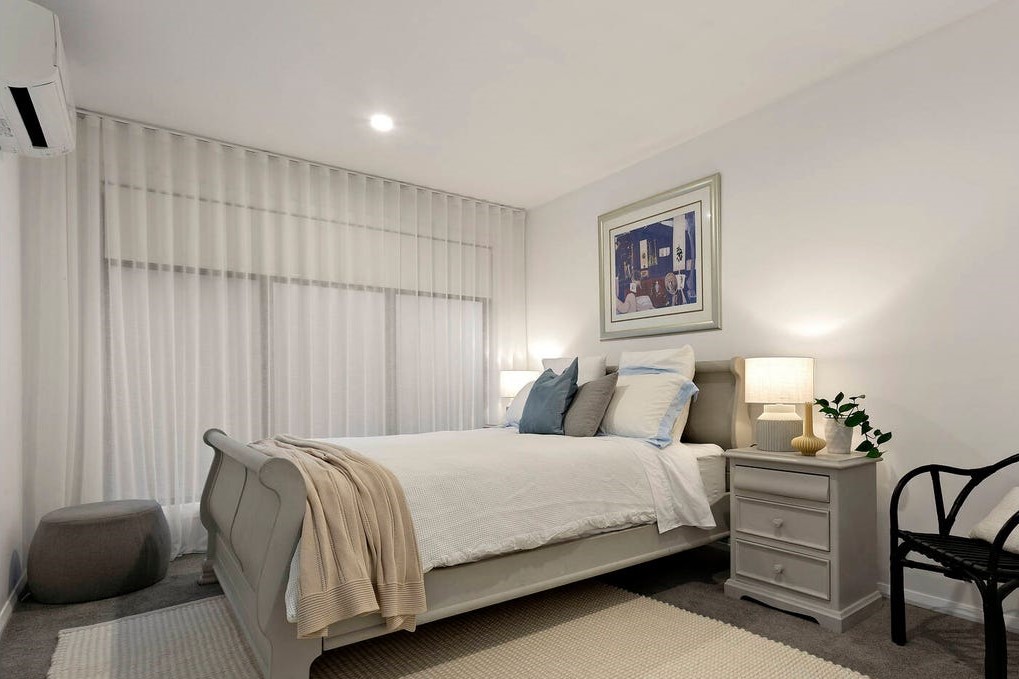
With approvals in hand, focus turns to budgeting. Knowing the cost helps you plan effectively and avoid surprises.
Heritage Renovation Cost Melbourne
Budgeting for a heritage renovation involves many variables. Costs can vary widely based on the scope of work and the need for specialist materials or trades. Start by getting quotes from multiple builders. Discuss your vision and ask for a detailed breakdown. This approach helps you understand where your money goes. Consider setting aside a contingency fund for unforeseen expenses. Heritage homes can hide surprises like structural issues that only come to light during renovations.
Selecting a Heritage Builder Melbourne
Choosing the right builder is crucial for a smooth renovation. Look for someone with experience in heritage projects. They should have a portfolio of past work you can review. Ask for references from past clients. A good builder will guide you through the process, from initial concepts to final touches. They should also be familiar with local council requirements and have a track record of on-time, on-budget delivery. This ensures your renovation respects the home’s history while upgrading its functionality. Discover more about selecting the right builder for your project.
Frequently Asked Questions
Do I need a permit for minor renovations on a heritage home?
Yes, even minor changes often require permits. It’s best to consult with your local council to determine the specific requirements for your home.
What is the difference between a heritage overlay and a heritage listing?
A heritage overlay applies to a specific area and sets guidelines for renovations, while a heritage listing is for individual properties deemed significant. Both require careful planning and approvals for renovations.
How can I modernise my heritage home without losing its character?
Work with specialists in heritage renovations. They can help you integrate modern features subtly, ensuring the historical essence of your home remains intact.
Can I extend a heritage home?
Yes, extensions are possible, but they must comply with heritage guidelines. It’s important to work with a designer who understands these constraints to maintain the home’s character.
How long does the heritage approval process take?
The timeline varies by council and the complexity of your project. It’s wise to allow several months for this process and factor it into your renovation timeline.