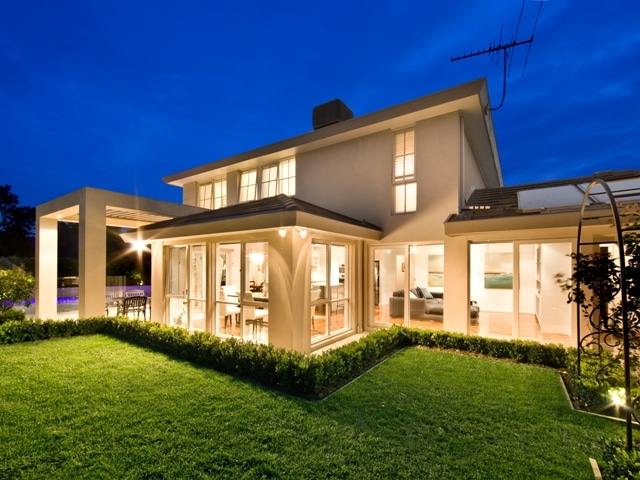
Renovate or Extend? A Melbourne Homeowner’s Guide to Choosing the Right Path
Choosing between a renovation and an extension in Melbourne can feel overwhelming. You want to improve your home, but knowing which path suits your lifestyle, budget, and site constraints isn’t always clear. This guide breaks down the key factors to help you decide whether to renovate or extend, covering everything from heritage overlays to council approvals. Read on to gain clarity and make confident decisions for your Melbourne home.
Renovate or Extend: Factors to Consider
Deciding whether to renovate or extend involves several key considerations. You’ll want to think about your lifestyle goals, budget, and any site or heritage constraints. Let’s dig deeper into each of these aspects.
Lifestyle Goals and Space Needs
Your home should fit your lifestyle like a glove. Consider how you use your space daily. Do you often find yourself wishing for a larger kitchen for those family gatherings, or do you need a quiet home office? If expanding your living area will enhance your daily life, an extension could be the answer. On the other hand, a renovation might be the right choice if you simply want to refresh and better utilise your current space. It’s about creating a home that supports your lifestyle today and in the future.
Budget Planning for Melbourne Homes
Budget is a crucial factor in deciding between renovation and extension. Home extensions in Melbourne can vary significantly in cost depending on the size and complexity of the project. Renovations might be more budget-friendly, especially if you’re making cosmetic changes rather than structural ones. It’s wise to get a clear estimate and consider the long-term value of the investment. Discussing your budget with a professional can provide clarity and help you allocate funds where they’ll be most effective.
Assessing Site and Heritage Constraints
In Melbourne, site constraints and heritage overlays can influence your decision to renovate or extend. If your property is in a heritage overlay area, preserving the architectural character while enhancing functionality becomes essential. Extensions might require more complex planning and approvals, particularly if space is limited or if there are significant heritage considerations. Engaging with experts familiar with Melbourne’s local council regulations can guide you through these challenges.
Navigating Council Approvals in Melbourne
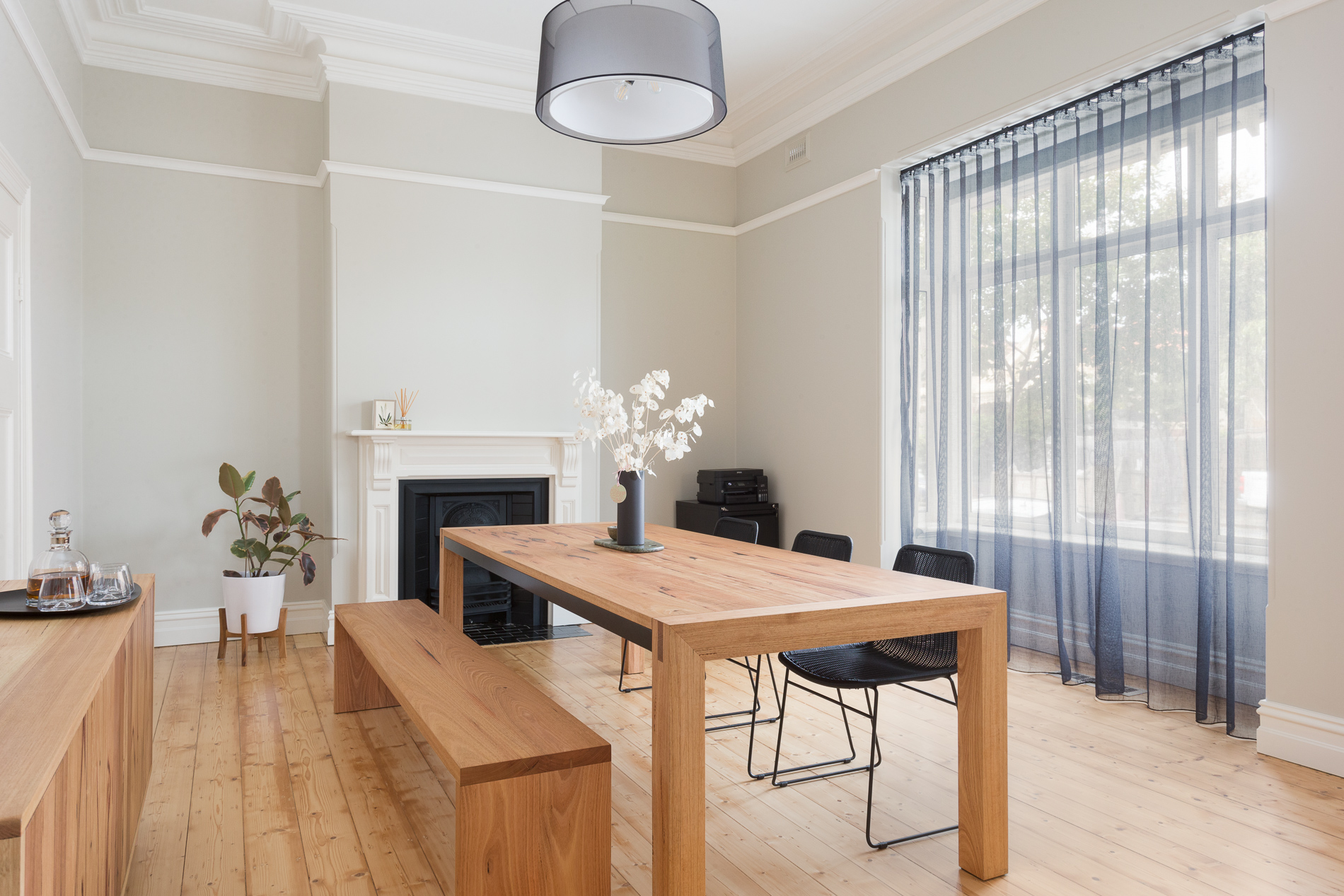
Council approvals are a critical step in the renovation or extension process. Understanding these can prevent delays and ensure your project aligns with local regulations.
Understanding Heritage Overlays
Heritage overlays protect Melbourne’s rich architectural history. If your home is in such an area, you’ll need to consider how changes will affect its character. This doesn’t mean you can’t extend or renovate—it just requires thoughtful design that respects the original features while adding modern functionality. Consulting with specialists in heritage renovations can help you maintain your home’s charm while updating its utility.
Process for Council Approvals
Navigating council approvals might seem daunting, but it ensures that your project meets all legal requirements. Typically, you’ll submit plans for review, demonstrating how the changes will comply with local building codes and community expectations. It’s a step-by-step process that might seem cumbersome, but it safeguards the quality and safety of your extension or renovation. Professional guidance can streamline this process, helping you address any concerns proactively.
Impact on Timeline and Costs
Council approvals can impact both the timeline and cost of your project. Delays in approvals can extend the project duration, and any required modifications might increase costs. Planning ahead and engaging experienced builders can mitigate these risks. They can provide realistic timelines and cost projections, helping you keep the project on track.
Long-Term Value and Design Considerations
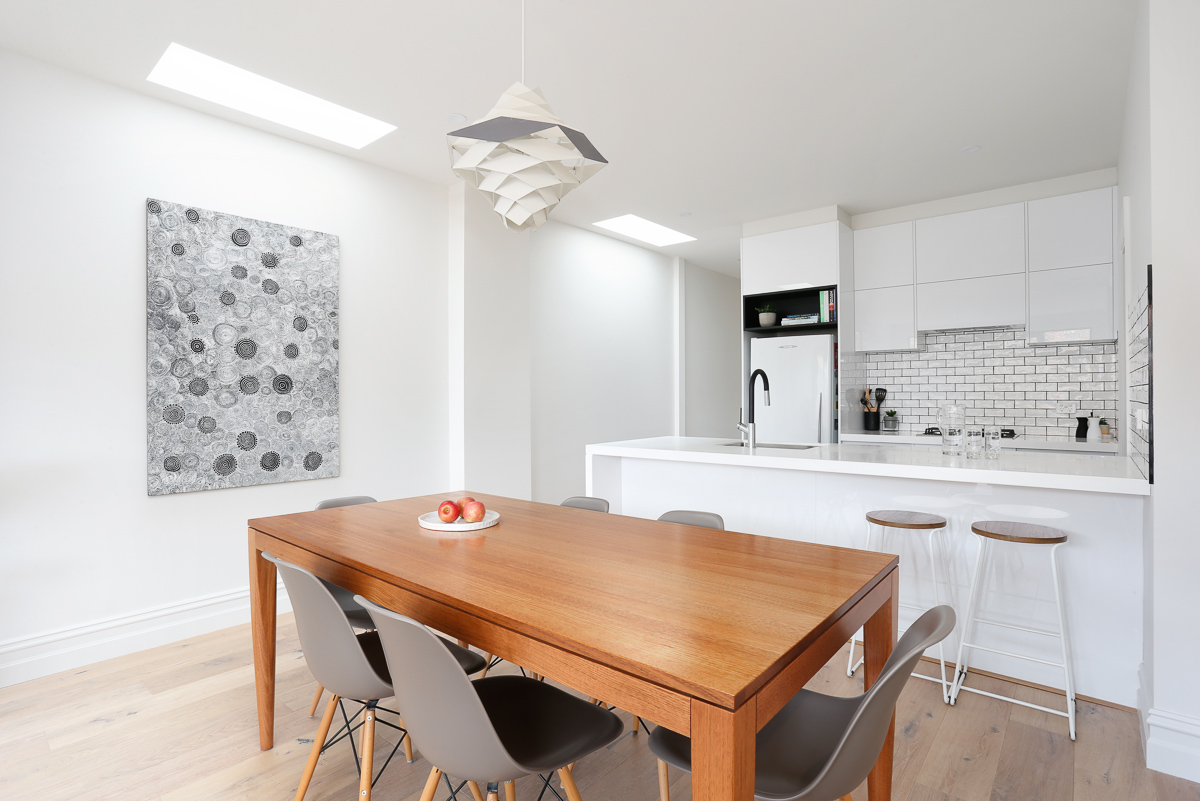
Thinking about the long-term value and design is crucial when deciding between renovating and extending. Your choice should enhance not only the immediate liveability but also the future value of your home.
Reconfiguring Floor Plans for Liveability
Reconfiguring your floor plan might improve the liveability of your home without the need for an extension. Consider how rooms are used and whether a new layout could better meet your family’s needs. Sometimes, opening up spaces or adding storage can make a world of difference. A well-thought-out renovation can transform how you experience your home daily.
Benefits of Architectural Extensions
Architectural extensions do more than add space—they enhance the overall look and feel of your home. By carefully designing an extension that complements your current structure, you maintain aesthetic integrity while significantly boosting functionality. This approach can be particularly valuable in maintaining a cohesive look in heritage properties.
Renovation vs Knockdown Rebuild Decisions
Sometimes, a renovation isn’t enough, and a knockdown rebuild might be the best option. This decision usually depends on the extent of changes needed and the condition of the existing structure. If a significant transformation is required, starting fresh could offer better long-term value. Discussing these options with a reputable builder can help clarify what’s best for your situation.
Frequently Asked Questions
Is it cheaper to renovate or extend in Melbourne?
The cost depends on the scope and complexity of the project. Renovations might be less expensive if you’re making minor changes. However, extensions can add significant value and space, justifying the investment.
How do heritage overlays affect my renovation or extension plans?
Heritage overlays require that changes preserve the property’s historical character. This means you might need to follow specific guidelines and obtain additional approvals, which can affect project scope and design.
What is the process for obtaining council approvals in Melbourne?
The process involves submitting detailed plans for review by the local council. These must demonstrate compliance with building codes and community standards. It’s a necessary step to ensure your project meets all regulatory requirements.
Can I extend my house if my property is in a heritage overlay area?
Yes, but it requires careful planning to ensure that the extension respects and maintains the property’s historical elements. Working with professionals experienced in heritage renovations can help navigate this process.
How can I decide between a renovation and a knockdown rebuild?
Consider the extent of changes needed and the structural condition of your home. A knockdown rebuild might be more cost-effective if extensive updates are required. Consulting with a builder can provide insight into the best option for your needs.