Renovate, Extend or Rebuild in Melbourne: A Practical Guide to Choosing Well
Choosing whether to renovate, extend or rebuild your Melbourne home can feel overwhelming. Site conditions, heritage overlays and your lifestyle all play a part. This guide breaks down the key factors so you can weigh up your options with clarity and confidence. Whether you’re considering a home extension Melbourne or a knockdown rebuild, understanding the practical steps helps you plan well from the start.
Renovate vs Rebuild Melbourne
Choosing between renovating and rebuilding can be a tough call. Each option has its own benefits, and understanding your home’s specific needs is key. Let’s look at some factors to consider in making that decision.
Assessing Heritage Overlays
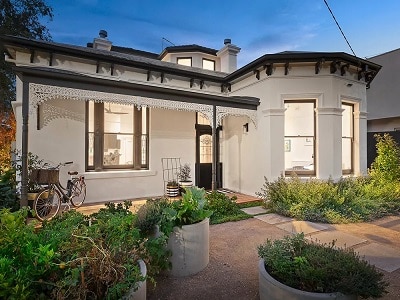
Heritage overlays can significantly impact your renovation or rebuild project. These overlays protect the historical significance of buildings and may limit changes you can make. If your home is subject to a heritage overlay, you’ll need to consider preserving its character while making improvements. This might make renovation more appealing, as it allows you to maintain the original charm while updating for modern living.
Evaluating Structural Health
Understanding the structural health of your home is crucial before deciding to renovate or rebuild. If the foundation or structure is compromised, a rebuild might be necessary. On the other hand, if the bones of your home are strong, renovating can be a cost-effective way to enhance its functionality and appearance. A professional assessment can provide clarity on what your best path forward is.
Weighing Long-term Value
When considering long-term value, think about how each option will affect your home’s worth. A rebuild can offer a fresh start with modern features, which might appeal to future buyers. However, a well-executed renovation can also increase value, especially if it enhances liveability and energy efficiency. Weighing these factors against your budget and future plans will guide your decision.
Home Extension Melbourne Options
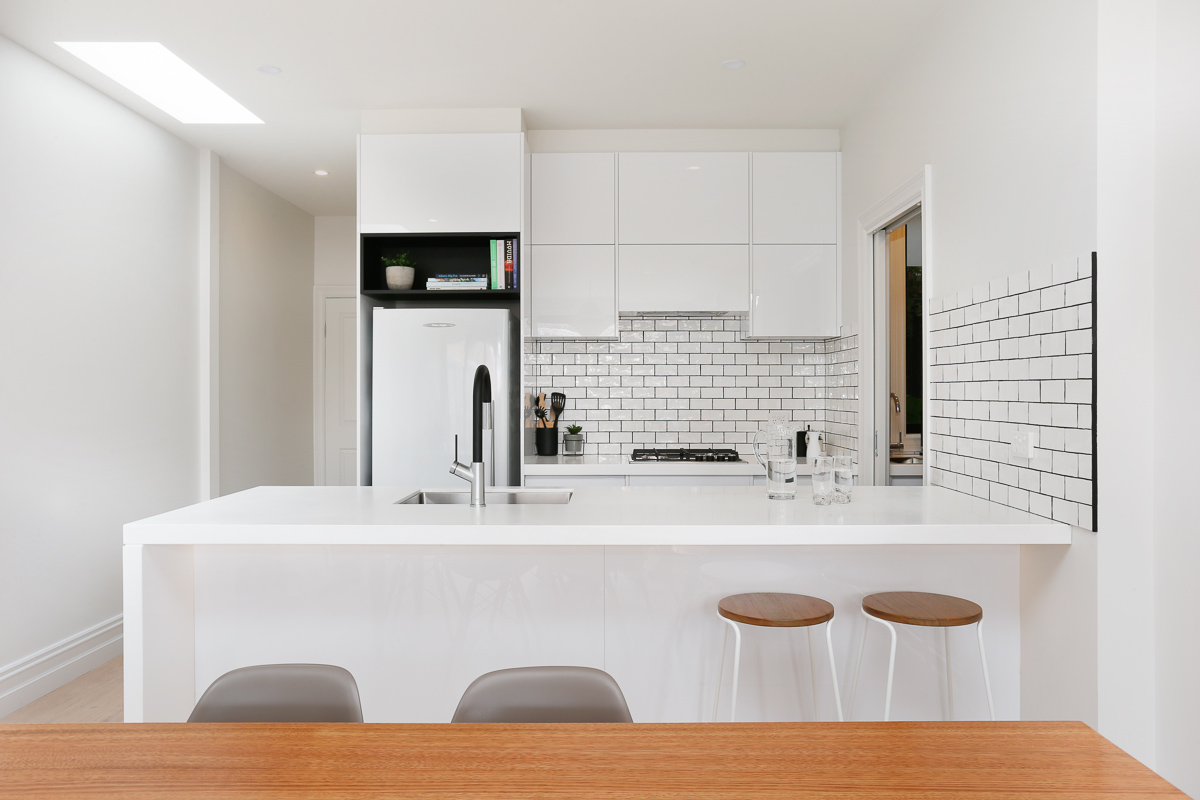
Extending your home can be an excellent way to add space without the hassle of moving. Various options are available depending on your needs and property layout.
Ground vs Second Storey Extension
Deciding between a ground or second storey extension depends on your current home layout and available land. A ground floor extension can seamlessly expand living areas like kitchens and lounges, providing easy access to outdoor spaces. Meanwhile, a second storey extension Melbourne can add bedrooms and bathrooms, perfect for growing families needing more private areas. Consider your lifestyle and long-term needs when making this choice.
Sustainable Renovation Melbourne
Sustainability is increasingly important in home renovations. Incorporating eco-friendly materials and energy-efficient systems not only benefits the environment but can also lower utility bills. Think about solar panels, efficient insulation, and water-saving fixtures. These investments not only reduce your carbon footprint but also add appeal to environmentally conscious buyers.
Family Home Extension Ideas
Creating a family-friendly space is often a priority when extending. You might consider open-plan living areas that allow for easy supervision of children or adding a playroom that can evolve as your family grows. Outdoor spaces are also valuable for family gatherings and play. Think about how the extension can adapt to your changing needs over time.
Navigating Planning Overlays Melbourne
Planning overlays are another important consideration, as they can affect how and what you can build on your property.
Understanding Local Regulations
Local regulations can seem daunting, but they’re crucial for ensuring your project complies with planning laws. Understanding these rules can prevent costly mistakes and delays. It’s wise to consult with a local expert who can guide you through the regulations specific to your area, ensuring a smoother approval process.
Site Conditions and Buildability
Site conditions play a vital role in determining the feasibility of your project. Factors like soil type, slope, and drainage can influence buildability. Conducting a site assessment will help identify potential challenges and inform your planning, ensuring that your project is both viable and efficient.
Liveability During Construction
The construction phase can disrupt daily life, but planning can reduce its impact. Consider temporary living arrangements if major works are expected or plan for smaller, phased projects to maintain some normalcy. Clear communication with your builder about timelines and expectations is key to minimising stress.
Frequently Asked Questions
What are heritage overlays, and how do they affect my renovation?
Heritage overlays protect the historical and cultural significance of buildings. They may restrict changes to the exterior and require that renovations preserve the original character. It’s important to consult with a professional familiar with heritage regulations.
How do I decide between a ground and second storey extension?
Consider your property’s land size, your family’s needs, and future plans. A ground floor extension is ideal for expanding common areas, while a second storey is better for adding private spaces like bedrooms.
What should I consider for a sustainable renovation?
Focus on eco-friendly materials, energy-efficient appliances, and systems that reduce water usage and energy bills. Sustainable renovations not only lessen environmental impact but also increase your home’s appeal to future buyers.
If rebuilding is the option you want to explore, see our custom new homes and knockdown rebuilds in Melbourne and discuss the possibilities for your existing block.