How to Improve Liveability in an Older Melbourne Home
Older Melbourne homes charm with their character but often fall short on comfort and space. If your period home feels cramped or outdated, you’re not alone. A thoughtful Melbourne home renovation can improve liveability without losing the style that makes your house unique. This guide walks you through design-led upgrades, council approvals, and smart choices between extending or renovating, all tailored to your family’s needs and budget. For more insights, explore consider these home modifications for seniors aging in place.
Enhancing Liveability in Older Homes
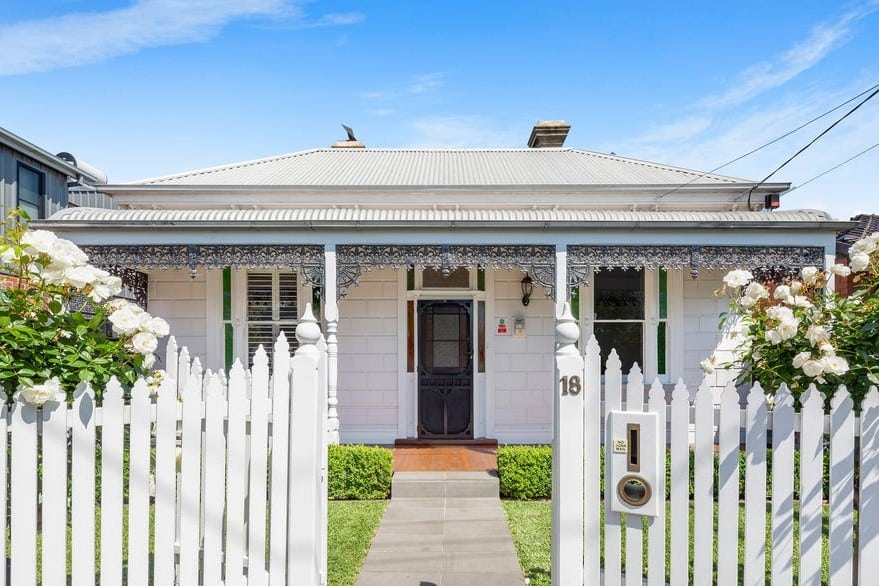
Older homes hold a special charm, yet they often come with unique challenges. Adapting these spaces to meet modern living needs while preserving their historic character requires careful planning.
Balancing Heritage with Modern Needs
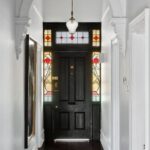
Maintaining your home’s historical charm while upgrading its functionality is key. Start by identifying features you love and want to preserve. This could include original woodwork, decorative cornices, or stained glass windows. From there, you can plan updates that complement these elements. Perhaps you want to add a contemporary kitchen that blends seamlessly into your existing dining room. Using similar colours and materials can tie new and old spaces together beautifully.
Prioritising Comfort and Function
When updating an older home, focus on comfort and practicality. Think about how your family uses each room. Does the layout work, or are there bottlenecks that need addressing? Simple changes, like adding extra storage or improving lighting, can make a big difference. Consider how energy efficiency upgrades, like better insulation and double glazing sash windows, could also enhance your home. For more ideas, check out these renovations that add value to your house.
Smart Design Choices for Melbourne Homes
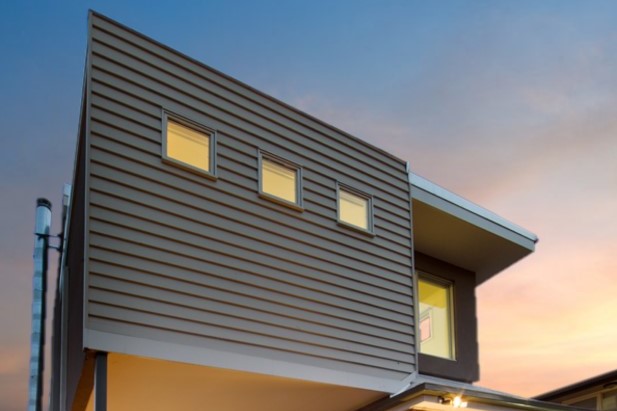
Design choices can transform your home into a more comfortable and inviting space. Let’s explore some strategic updates that cater to modern lifestyles.
Architectural Extensions and Open Plan Living
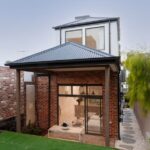
Architectural extensions, such as adding a second storey, can provide much-needed space. This allows for the addition of bedrooms, a home office, or a playroom. Open plan living areas create a sense of spaciousness and improve flow between rooms. Consider knocking down non-load-bearing walls to connect the kitchen, dining, and living areas. This design not only modernises your home but also fosters family interaction. For inspiration, view this video on open plan transformations.
Kitchen and Bathroom Renovation Tips
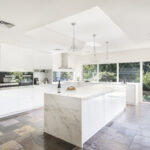
Kitchens and bathrooms are high-impact renovation areas. In the kitchen, focus on enhancing functionality with smart storage solutions and efficient layouts. An island bench can serve as a focal point and provide additional workspace. For bathrooms, consider modern fixtures that offer both style and ease of use. Opt for materials that are durable and easy to maintain. The addition of a large mirror or glass shower can make these spaces feel more expansive.
Navigating the Renovation Process
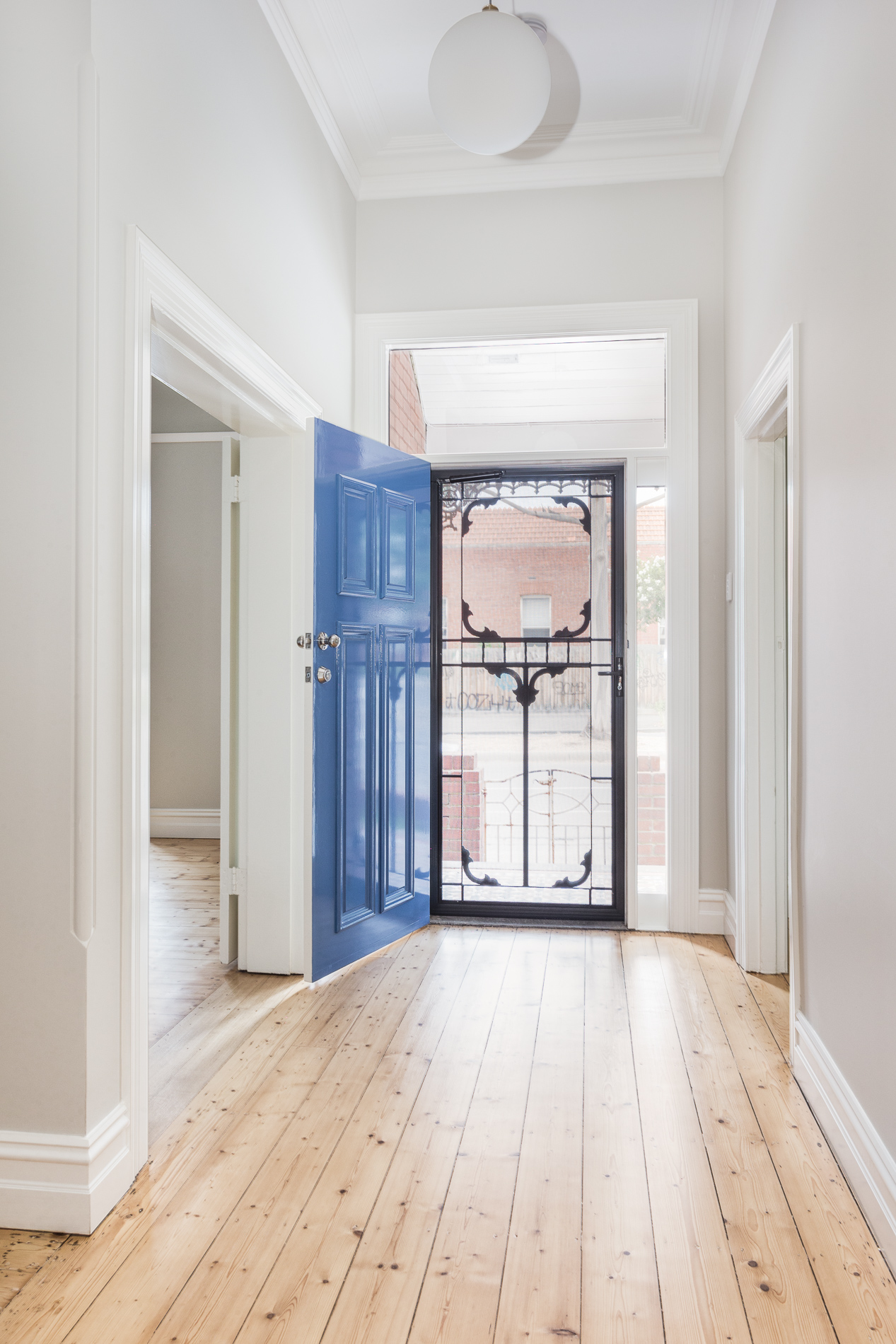
Understanding the renovation process is crucial to achieving your desired outcome. This section will guide you through important considerations and planning steps.
Understanding Heritage Overlay Permits
Heritage overlays protect the historical significance of a property. Before making any changes, check if your home is under such an overlay. If it is, you’ll need to apply for permits before starting work. This might sound daunting, but it ensures any alterations respect the building’s character. Engaging a professional familiar with local regulations can simplify this process and prevent costly mistakes.
Budgeting and Planning for Your Project
Proper budgeting and planning are essential for a successful renovation. Start by establishing a clear budget that includes all possible expenses. This should cover materials, labour, permits, and a contingency for unexpected costs. Planning each stage of the renovation can help avoid delays and keep the project on track. Communicating openly with your builder about timelines and expectations is key to a smooth experience.
Frequently Asked Questions
How do I preserve the character of my period home during renovations?
To preserve character, focus on maintaining original features like mouldings and windows. Use materials and colours that complement the existing aesthetic.
What should I consider before planning a home extension?
Consider your budget, space needs, and how the extension will integrate with the existing structure. Consulting with an architect ensures a cohesive design.
Do I need a permit for every renovation in a heritage home?
Not every renovation requires a permit, but significant changes often do. Always check local regulations and consult with professionals to ensure compliance.
How can I improve energy efficiency in an older home?
Improving energy efficiency can be achieved with insulation retrofits, upgraded windows, and energy-efficient appliances. These changes can reduce utility costs and enhance comfort.
Is it better to extend or renovate a small space?
The decision depends on your needs and budget. Extensions add space, while renovations improve the function of existing areas. Assess your priorities to decide the best approach.