Double Storey Extension Ideas for Melbourne Homes
A double storey extension can add substantial living space without sacrificing valuable backyard area. The best design depends on your existing home, block, family requirements and how you want the property to function over the long term.
This guide focuses on double storey extension ideas for Melbourne homes, from additional bedrooms and parents’ retreats to flexible living areas and layouts that make better use of narrow or established blocks.
If you are looking for information about the complete design-and-build service, see our double storey extensions in Melbourne page.
Popular Double Storey Extension Ideas
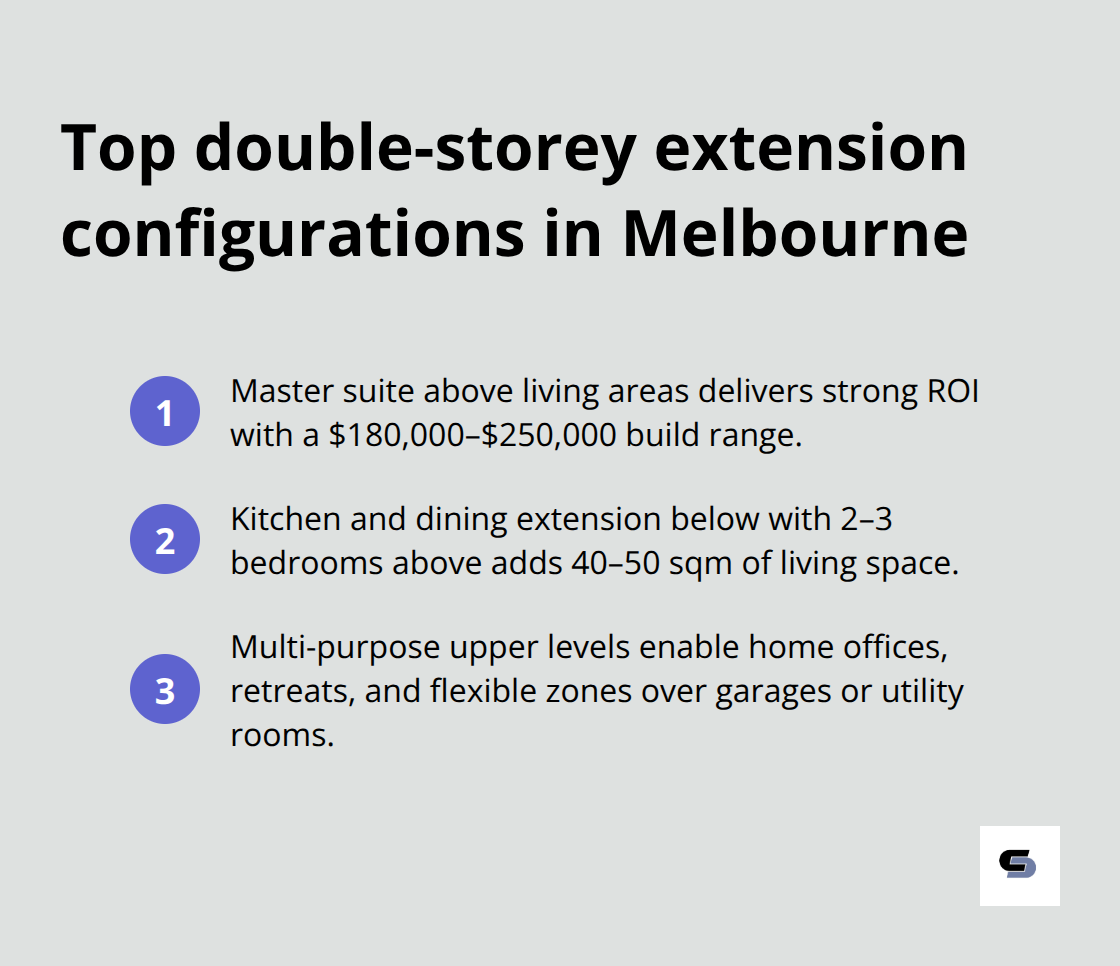
Create a Parents’ Retreat Upstairs
Moving the main bedroom upstairs can create a private parents’ zone separated from children’s bedrooms and the busiest parts of the home.
A parents’ retreat may include:
- master bedroom
- walk-in robe
- ensuite
- small sitting area
- private balcony where appropriate
This arrangement can work particularly well when the existing ground floor already contains children’s bedrooms that can remain largely unchanged.
Add Bedrooms and a Family Bathroom
For growing families, one of the most practical second-storey layouts is an upper floor containing two or three bedrooms, a family bathroom and additional storage.
Keeping most sleeping areas upstairs can free the ground floor for larger living, kitchen and entertaining spaces.
The layout should consider bedroom privacy, natural light, bathroom access and how the staircase connects with both levels.
Combine Ground-Floor Living With Bedrooms Above
A two-level extension can sometimes solve two problems at once.
The ground floor can be expanded to create a larger kitchen, dining or family area while the new upper floor provides bedrooms, bathrooms or a retreat above.
This approach can be especially effective where the rear of the existing house needs improvement as well as additional accommodation upstairs.
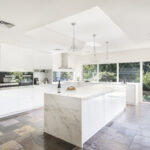
Open the Ground Floor to the Backyard
Where site orientation allows, the lower level can create a stronger connection between the kitchen, dining area and outdoor space.
Large windows and doors can improve natural light and provide better access to decks, gardens and entertaining areas.
The upper floor should be designed at the same time so structural supports, wall positions and services work efficiently across both levels.
Create a Teenage Retreat
An upstairs retreat can give older children their own living area while still remaining connected to the family home.
A typical arrangement might combine bedrooms with:
- a secondary living room
- study area
- bathroom
- storage
- built-in desks
The space can later adapt as family needs change, becoming a guest zone, home office or additional living area.
Add a Home Office or Flexible Room
Not every room upstairs needs to have a single fixed purpose.
A flexible room can operate as a home office, guest bedroom, study, playroom or additional living space depending on how the household changes over time.
Considering flexibility during the design stage can make the extension more useful throughout different stages of family life.
Use the Upper Floor to Improve Zoning
A second storey creates an opportunity to rethink how activities are distributed throughout the home.
Instead of simply adding bedrooms upstairs, consider whether the extension can improve separation between:
- quiet and active areas
- parents and children
- working and living spaces
- entertaining and sleeping areas
Good zoning can make the entire house function better, not just the newly added level.
Double Storey Extension Ideas for Narrow Blocks
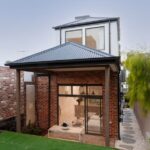
Building upward can be particularly useful on narrow Melbourne blocks where there is limited room to extend sideways.
A well-planned upper level can provide substantial additional accommodation while retaining more of the existing backyard.
For narrow homes, consider:
- placing the staircase centrally
- using skylights or roof windows where appropriate
- positioning bedrooms to maximise natural light
- keeping circulation areas efficient
- using built-in storage rather than freestanding furniture
Second Storey Ideas for Period and Character Homes
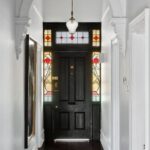
Victorian, Edwardian, Federation and other period homes often require a different design approach from contemporary houses.
The objective may be to preserve the appearance of the original home from the street while introducing a modern upper-level addition further back.
The relationship between old and new should be considered through:
- roof form
- building proportions
- external materials
- window placement
- visibility from the street
Where heritage controls apply, these decisions should be considered alongside the relevant planning requirements.
For heritage-specific projects, see our heritage renovation and extension services.
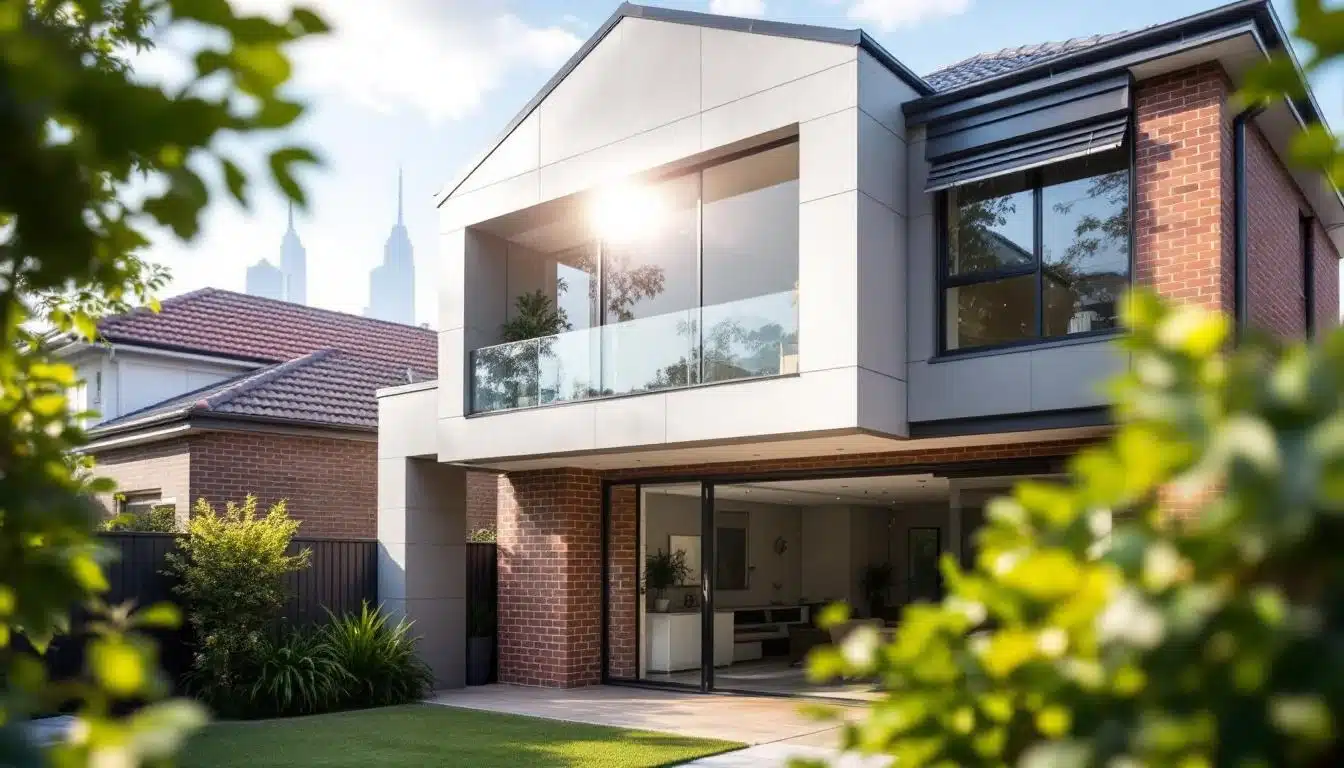
Consider a Balcony Carefully
A balcony can add outdoor space to an upper level, but it needs to work with the home’s architecture, privacy requirements and orientation.
It may suit a parents’ retreat, upstairs living area or a home with views worth capturing.
Privacy, overlooking, waterproofing and ongoing maintenance should all be considered before incorporating a balcony into the design.
For more inspiration, see our double storey façade and balcony design ideas.
Make Natural Light Part of the Design
Adding another level can change the way natural light enters both the new rooms and the existing ground floor.
Window orientation, stair voids, skylights and the position of internal walls should be considered together.
A good design should improve the home’s overall light and ventilation rather than simply creating additional enclosed rooms.
Plan Storage Into the Extension
Storage is easy to overlook when the focus is on bedrooms and bathrooms.
Useful opportunities can include:
- built-in wardrobes
- linen cupboards
- storage beneath or beside the staircase
- study joinery
- roof-space storage where suitable
Integrating storage into the floor plan usually produces a cleaner and more functional result than trying to add it after construction.
Start With the Floor Plan, Not Just the Façade
Exterior appearance is important, but the success of a double storey extension ultimately depends on how the new spaces function.
Room sizes, circulation, staircase position, bathrooms, storage and the relationship between the two levels should be resolved before focusing too heavily on the external appearance.
For more detailed layout guidance, see our second storey extension floor plan guide.
Choosing the Right Double Storey Extension Idea
The best solution is the one that responds to your existing home rather than forcing a generic layout onto the property.
Consider your family’s current requirements, how those needs may change, the site’s planning and structural constraints, and how the new level can improve the entire house.
Cameron Construction designs and builds double and second storey extensions across Melbourne, managing design, engineering, approvals and construction from concept through to completion.