What to know before starting a home extension in Melbourne
Starting a home extension in Melbourne calls for more than just an idea—it demands careful planning to avoid costly delays and surprises. From navigating planning permits to understanding heritage overlays, each step shapes the success of your project. This guide walks you through key considerations like feasibility, budgeting, and builder selection, helping you approach your Melbourne home extension with confidence and clarity. For more information, check out this step-by-step guide.
Preparing for a Melbourne Home Extension
Embarking on a home extension in Melbourne is an exciting venture. Each step, from planning to construction, is crucial in shaping your project’s success.
Assessing Extension Feasibility
Determining if an extension is feasible for your property is the first crucial step. Melbourne’s diverse landscape and building regulations mean not all extensions are straightforward. Assessing feasibility involves evaluating your property’s current structure and space. Begin by considering your family’s needs and how the extension will address them. Think about the impact on your home’s overall layout and whether it complements your existing home. Be mindful of Melbourne’s unique weather conditions as they may influence design decisions. Consulting with professionals can provide insights into potential challenges and solutions.
Planning Permits and Approvals
Navigating the world of planning permits can feel overwhelming. In Melbourne, securing the right permits is a critical step before any work begins. Depending on your suburb, you may need to meet specific local council requirements, especially if your home is under a heritage overlay. Start by contacting your local council to understand the necessary permits for your project. This step ensures your extension complies with local regulations, saving time and preventing legal issues down the line. It’s helpful to engage professionals who are familiar with Melbourne’s planning processes to guide you through this stage.
Budgeting for Your Extension
Budgeting accurately is key to a successful home extension. An extension can range from simple room addition to a complete second storey, and costs can vary significantly. Begin by setting a realistic budget that includes construction, materials, permits, and any professional fees. Remember to allocate funds for unexpected expenses that may arise during construction. Speak to builders and professionals to get estimates tailored to your specific project. This ensures you have a clear understanding of potential costs and can adjust your plans accordingly.
Navigating Design and Build in Melbourne
Understanding how to manage the design and build process in Melbourne will set your project up for success.
Selecting the Right Builder
Choosing the right builder is critical for your home extension. Look for a builder with extensive experience in Melbourne who understands local building regulations and conditions. A trusted builder will guide you through the entire process, from initial concept to final handover. Make sure to check their credentials, past projects, and client reviews. A good builder will communicate clearly and work with you to deliver your vision within your budget and timeline. This partnership is vital for a stress-free and successful build.
Creating Architectural Designs
Designing your extension starts with creating architectural plans that align with your vision. Architectural designs should blend seamlessly with your existing home and consider future needs. Work with an architect who can translate your ideas into detailed plans and ensure they meet Melbourne’s building codes. These designs will serve as a blueprint for your project, guiding builders and contractors throughout the construction phase. An effective design will enhance your home’s functionality and aesthetic, adding value and comfort.
Managing Heritage Overlays
If your home is under a heritage overlay, additional considerations are necessary. These overlays aim to preserve the historical and cultural significance of certain properties. It’s essential to understand the specific restrictions and guidelines applicable to your home. Consult with experts who specialise in heritage renovations to ensure your extension respects and complements the existing architecture. Modifying a heritage property requires careful planning and may involve negotiating with local councils to meet heritage requirements while achieving your desired outcome.
Enhancing Lifestyle with Extensions
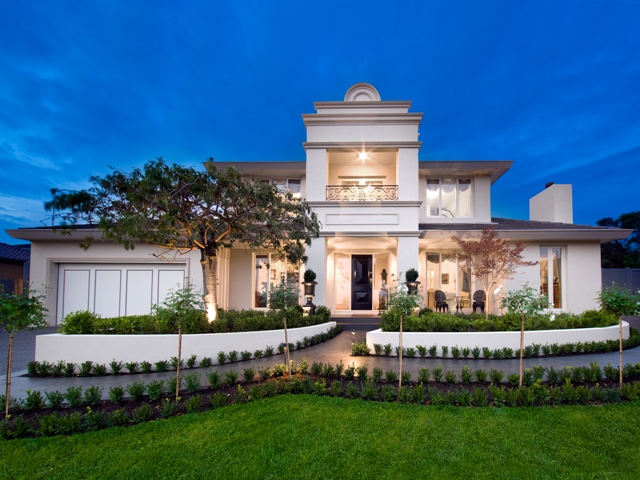
Well-planned extensions can transform your home, adding value and improving your lifestyle.
Benefits of Double Storey Extensions
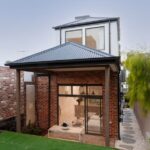
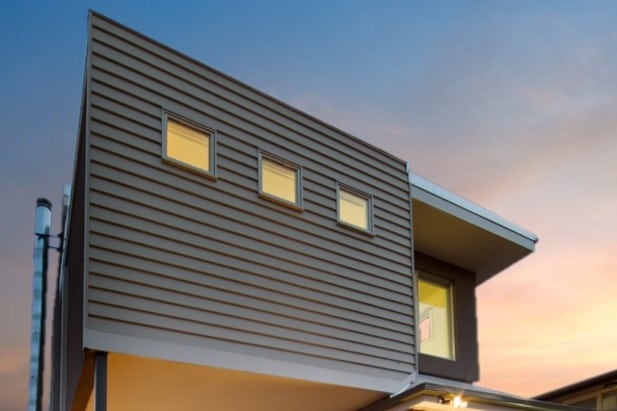
A double storey extension can significantly enhance your living space without expanding your home’s footprint. This type of extension is ideal for growing families needing extra bedrooms or living areas. Building upwards allows you to maximise space on smaller blocks, common in many Melbourne suburbs. It offers opportunities to create distinct zones for living, working, and relaxing, improving your home’s overall functionality. Double storey extensions can also boost your property’s value by increasing its size and appeal.
Renovating Victorian and Edwardian Homes
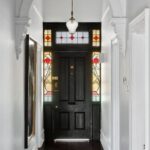
Renovating period homes like Victorian and Edwardian styles presents unique opportunities and challenges. These homes often feature intricate details and architectural character worth preserving. When planning an extension, it’s important to maintain these historical elements while integrating modern amenities. Work with specialists who understand the nuances of period renovations and can respect your home’s heritage. Thoughtful design ensures the new and old parts of your home blend harmoniously, enhancing its charm and functionality.
Live-in Renovations and Family Spaces
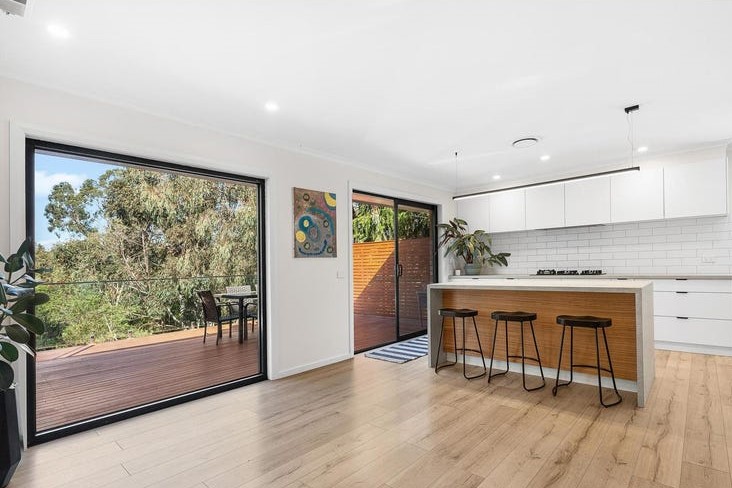
Live-in renovations allow your family to stay in their home during the transformation. This approach minimises disruption and maintains your daily routines. Consider how the extension will improve family spaces like the kitchen, living room, or outdoor areas. Creating open-plan living areas can foster family interaction and enhance the sense of space. Discuss with your builder how to manage construction phases to ensure a smooth experience while living on-site. Proper planning ensures your renovation meets your family’s needs without the need to relocate.
Frequently Asked Questions
What are the first steps in planning a home extension in Melbourne?
Start by assessing your extension’s feasibility and understanding local planning regulations. Consult with professionals to evaluate structural possibilities and obtain necessary permits.
How do I budget for a home extension?
Set a realistic budget that includes all potential costs, from construction to professional fees. Speak to builders for detailed estimates tailored to your project.
Why is selecting the right builder important?
A reputable builder ensures your project runs smoothly, on time, and within budget. They provide expertise in Melbourne’s building regulations and guide you from concept to completion.
How do heritage overlays affect home extensions?
Heritage overlays require you to preserve certain architectural elements. Consult with experts to navigate restrictions and ensure your extension respects the property’s historical significance.
What are the benefits of a double storey extension?
Double storey extensions maximise space without increasing the building’s footprint, ideal for creating additional bedrooms or living areas in smaller Melbourne blocks.