Choosing Materials That Suit Melbourne’s Climate and Your Lifestyle
Many Melbourne homeowners underestimate how much local weather impacts their choice of building materials. Picking the wrong cladding, flooring, or windows can lead to higher upkeep costs and less comfort year-round. In this guide, you’ll learn how to select materials for Melbourne climate that suit your lifestyle and stand the test of time, helping your renovation or extension deliver lasting value and peace of mind. Learn more here.
Understanding Melbourne’s Climate Challenges
Melbourne’s climate presents unique challenges for homeowners. To ensure your home withstands local conditions, it’s essential to understand these challenges and choose the right materials.
Navigating Seasonal Variations
Melbourne experiences distinct seasons with varying weather conditions. Summers can be hot, while winters bring cold and dampness. These variations require materials that can adapt to changing temperatures. For instance, double glazing windows help regulate indoor temperature, keeping your home comfortable year-round. Consider the insulation R-value when selecting materials to improve your home’s energy efficiency.
Handling Coastal Conditions
Proximity to the coast introduces challenges like salt-laden winds and high humidity. These conditions can lead to corrosion and weathering. Using coastal corrosion resistant materials, such as stainless steel or treated metal roofing, can prevent long-term damage. It’s crucial to choose materials that can withstand the harsh coastal environment while maintaining their aesthetic appeal.
Adapting to Urban Heat
Urban areas in Melbourne often experience higher temperatures due to the urban heat island effect. To combat this, incorporating thermal mass materials, like brick or concrete, can help absorb and release heat slowly, keeping your home cooler. Additionally, cross ventilation design can enhance airflow, reducing reliance on air conditioning.
Material Choices for Local Conditions
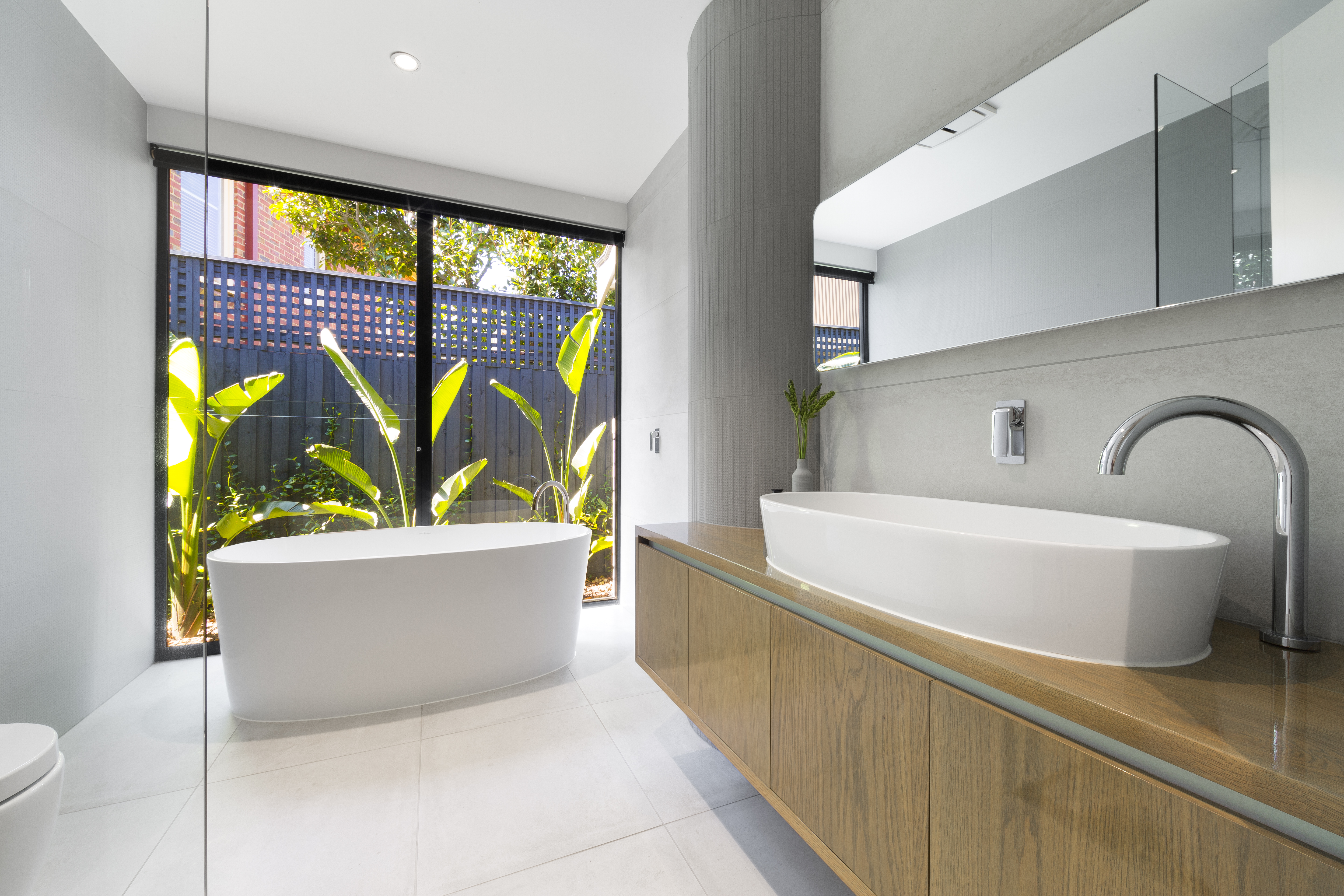
Choosing the right materials is key to ensuring your home performs well in Melbourne’s climate. Here are some materials to consider for optimal results.
Energy Efficient Windows and Insulation
Selecting energy efficient windows is crucial for maintaining a comfortable indoor climate. Double glazing reduces heat loss in winter and heat gain in summer. Combined with high-quality insulation, you can achieve better energy efficiency. Look for materials with a high insulation R-value to ensure effective thermal performance.
Low Maintenance Cladding and Roofing
For low maintenance and durability, consider fibre cement cladding and metal roofing. These materials require minimal upkeep and provide excellent protection against the elements. Fibre cement cladding offers a modern look while being resistant to pests and fire. Metal roofing, particularly in coastal areas, provides longevity and withstands harsh weather conditions.
Incorporating Recycled Timber and Brick
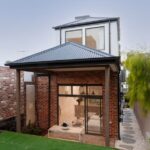
Using recycled timber and brick not only adds character to your home but also supports sustainability. These materials offer durability and a unique aesthetic. Brick veneer vs solid brick can be a consideration, with brick veneer providing better insulation and ease of construction. Recycling these materials can also help reduce environmental impact.
Merging Lifestyle and Design Goals
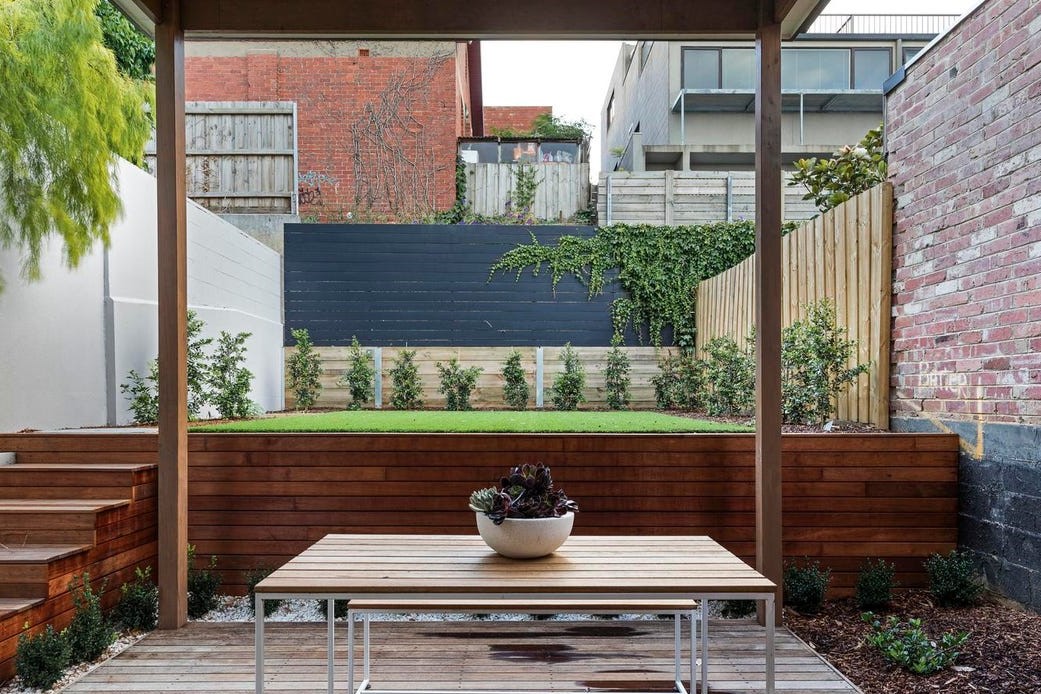
When choosing materials, it’s important to balance functionality with design. Your home’s materials should align with your lifestyle while enhancing its aesthetic appeal.
Selecting Hardwood Flooring for Durability
Hardwood flooring Melbourne is a popular choice due to its durability and timeless appeal. It’s ideal for high-traffic areas and can withstand wear and tear. When selecting hardwood, consider the type of wood and finish that best suits your lifestyle. A well-chosen hardwood floor can enhance the beauty and value of your home.
Integrating Passive Solar Design
Passive solar design is an effective way to harness natural energy. By strategically placing windows and using materials with high thermal mass, you can maximise natural heating and cooling. This approach reduces energy consumption and enhances indoor comfort. Incorporating passive design principles can significantly improve your home’s sustainability.
Balancing Aesthetics with Practicality
Achieving the right balance between aesthetics and practicality is crucial. While it’s important for your home to look great, the materials should also be functional and easy to maintain. Consider materials that offer both beauty and durability. For example, using acoustic insulation can improve indoor comfort while maintaining a stylish appearance.
In conclusion, selecting the right materials for your Melbourne home involves understanding the climate challenges and finding a balance between functionality and design. By choosing materials that suit local conditions and align with your lifestyle, you can create a home that is both beautiful and practical, ensuring long-term value and comfort.