Choosing materials that suit Melbourne’s climate and your home’s style
Building materials that suit Melbourne’s climate don’t just protect your home—they shape its comfort and style for years. Choosing the right balance of thermal mass, insulation, and bushfire attack level (BAL) materials can cut your energy bills and reduce maintenance. In this guide, you’ll learn how to pick materials that withstand coastal corrosion, respect heritage overlays, and enhance your home’s design. Keep reading to make informed choices tailored to Melbourne’s unique conditions and your lifestyle. Read more
Understanding Melbourne’s Climate and Materials
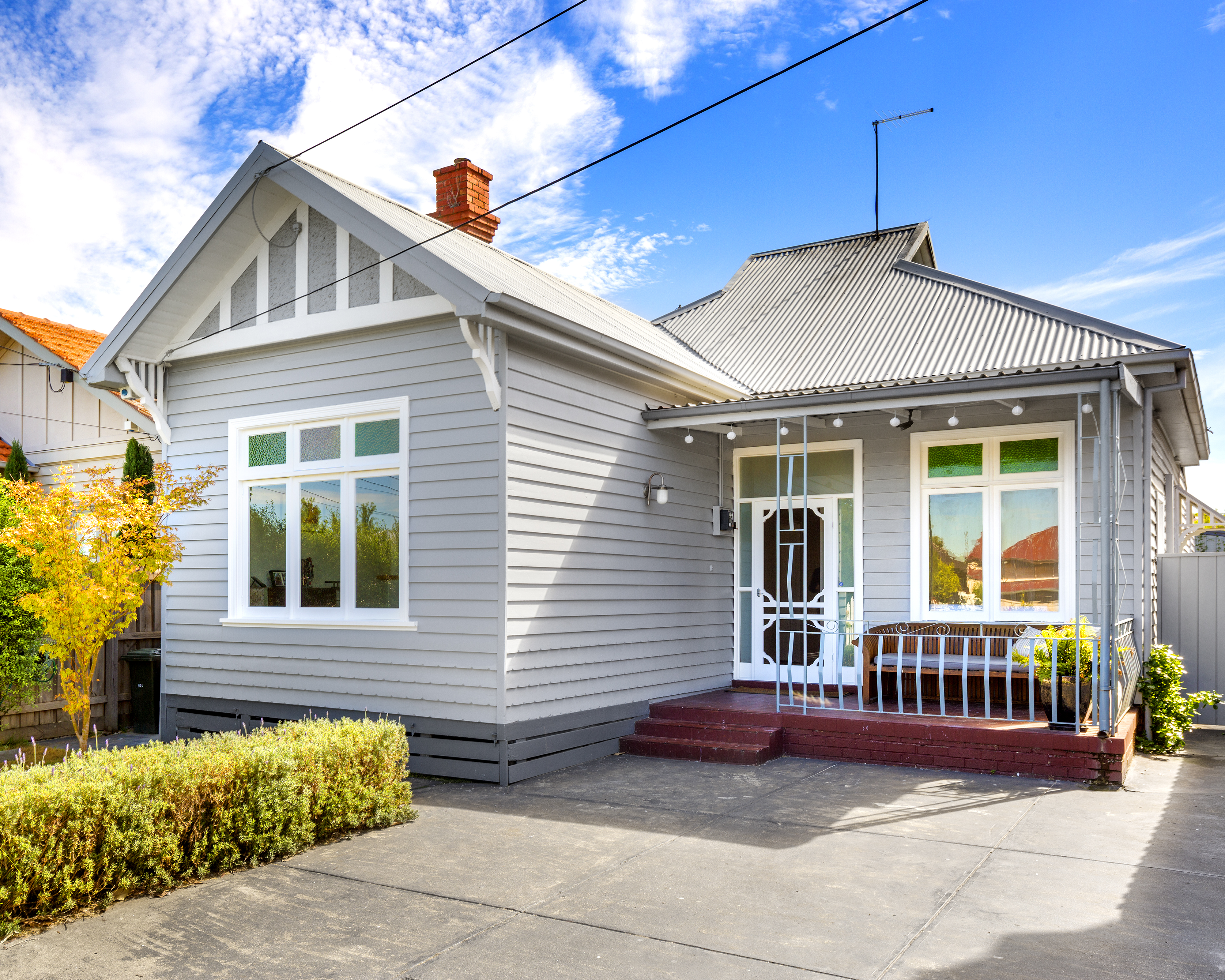
Melbourne’s unique weather patterns demand a thoughtful approach to building materials. Let’s explore how climate impacts these choices.
Impact of Melbourne Climate on Building Materials
Melbourne’s weather is known for its unpredictability. This means your building materials must withstand varied conditions. Thermal mass and insulation are key. They help keep indoor temperatures stable, reducing the need for heating and cooling. Materials like brick and concrete absorb heat during the day and release it at night. This is known as passive solar design and it’s crucial for comfort in Melbourne homes.
Additionally, frequent rain and humidity necessitate moisture-resistant options. Fibre cement cladding is a popular choice here. It resists swelling and buckling, making it long-lasting. Brick veneer vs weatherboard is another common debate. Brick offers durability, while weatherboard provides a classic look but requires more upkeep. When selecting materials, consider both function and appearance to ensure a harmonious home.
Energy Efficient Materials for Melbourne Homes
Energy efficiency starts with smart material choices. Double glazing is a prime example. It reduces heat loss and noise, creating a more comfortable living space. For Melbourne homes, double glazing can cut energy bills significantly. The key is to install it in windows and doors where heat transfer is highest.
Insulation is another must-have. Consider using sustainable building materials like wool or recycled materials. They provide excellent thermal resistance, keeping homes warm in winter and cool in summer. The Your Home guide offers insights into using climate-specific materials effectively. Lastly, don’t overlook the roof. COLORBOND steel roofing reflects more of the sun’s heat, lowering cooling costs. This combination of materials not only saves money but also supports a greener lifestyle.
Bushfire Attack Level Materials and Safety
Living in Melbourne means bushfire preparedness is essential. Bushfire attack level (BAL) materials are designed to withstand high heat and embers. Homes in bushfire-prone areas need robust solutions. Products like metal mesh screens and closed eaves can prevent ember entry. Furthermore, using non-combustible materials like brick or metal for exteriors enhances safety.
Windows are another critical point. Consider toughened glass or metal shutters to protect against heat. Also, opt for metal-framed doors for added security. Fire-resistant insulation can further safeguard your home. By incorporating these materials, you’re not only complying with safety standards but also ensuring peace of mind.
Balancing Style and Functionality
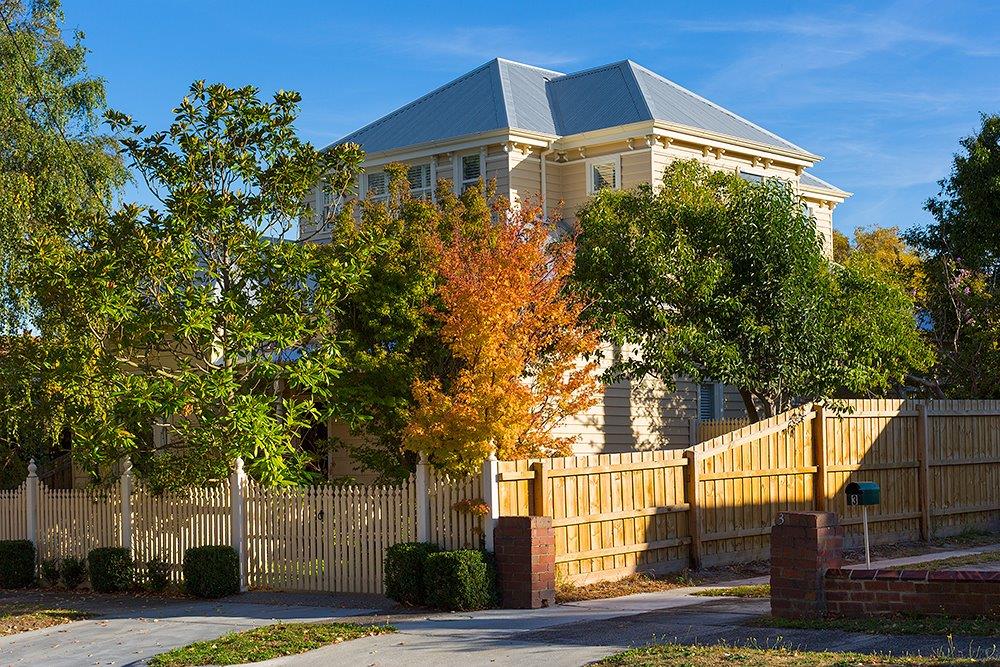
While functionality is crucial, style should not be compromised. Here’s how you can balance both in your home.
Coastal Corrosion Resistant Materials
Melbourne’s coastal areas face a battle with corrosion. Coastal corrosion-resistant materials are essential for longevity. Stainless steel and aluminium are excellent choices for fixtures and fittings. They resist rust, even in salty air. For exterior cladding, fibre cement is a smart pick due to its durability and low maintenance.
Paint selection also matters. Look for marine-grade paints. These provide an additional layer of protection against the elements. When it comes to roofing, COLORBOND steel is again a winner. It’s designed to withstand tough coastal conditions without losing its aesthetic appeal. Choosing these materials ensures your coastal home remains beautiful and resilient.
Heritage Renovation Materials for Melbourne Homes
Preserving Melbourne’s architectural heritage is a rewarding challenge. Heritage renovation materials must respect historical aesthetics while providing modern comfort. Timber is often used for its classic look. However, it requires careful sourcing and treatment to meet today’s standards. Architectural Styles in Melbourne explores these historical designs and modern adaptations.
For walls, consider lime plaster. It’s breathable and suits older buildings. Meanwhile, insulated plasterboard can enhance thermal efficiency without altering the home’s character. Heritage overlays often dictate colour palettes. Sticking to these can maintain visual harmony in neighbourhoods. By blending old and new, you create a home that honours its past while embracing the future.
Timber vs Aluminium Windows for Aesthetic Appeal
When it comes to windows, timber and aluminium each have their merits. Timber windows offer warmth and a classic look. They’re perfect for period homes aiming to maintain a traditional style. Regular maintenance, including painting and sealing, is necessary to keep them in top shape.
On the other hand, aluminium windows are low maintenance and durable. They provide a sleek, modern aesthetic that suits contemporary designs. Melbourne homeowners often choose aluminium for its resilience in varied weather. A simple comparison can help: timber adds charm, while aluminium offers efficiency. The decision depends on balancing these needs with your home’s overall design vision.
Practical Considerations for Material Selection
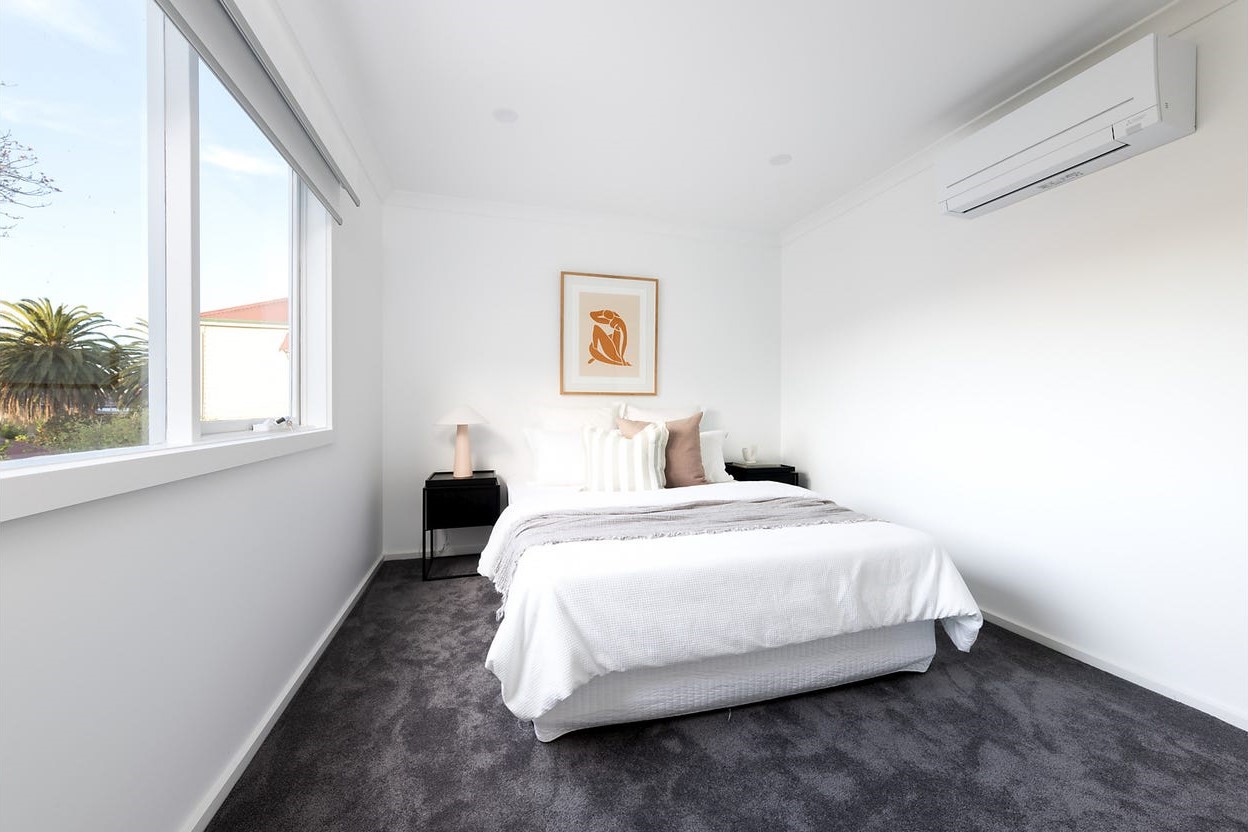
Beyond style and function, practical aspects guide material choices. Let’s delve into sustainable and efficient options.
Sustainable Timber and Recycled Materials
Environmental responsibility is a growing concern for homeowners. Sustainable timber and recycled materials provide eco-friendly building options. Look for timber certified by the Forest Stewardship Council (FSC). This ensures it’s sourced from responsibly managed forests.
Recycled materials, like reclaimed wood or recycled metal, reduce environmental impact. They offer unique textures and histories. Incorporating these materials can significantly lower your home’s carbon footprint. For more on sustainable building practices, check out the sustainable design guide.
Choosing Moisture Resistant Flooring
Melbourne’s weather requires flooring that can handle humidity and spills. Moisture-resistant flooring, like vinyl or tile, is ideal for kitchens and bathrooms. These materials are easy to clean and maintain, making them practical for busy households.
Engineered wood is another option. It combines the beauty of timber with added durability against moisture. When choosing flooring, consider your family’s lifestyle and the room’s use. This ensures you have a floor that looks great and stands up to daily wear.
Benefits of Double Glazing in Melbourne Homes
Double glazing offers numerous benefits for Melbourne homes. It significantly reduces noise, which is essential in busy urban areas. Additionally, it enhances energy efficiency by trapping heat in winter and keeping it out in summer. This leads to lower energy bills and a more comfortable home environment.
Installing double glazing can also increase property value. It’s an attractive feature for potential buyers looking for comfort and efficiency. By investing in double glazing, you’re improving your home’s performance and appeal. This simple upgrade can make a world of difference in your daily life.
By understanding and choosing the right materials, you’ll create a home that suits Melbourne’s climate and your personal style.