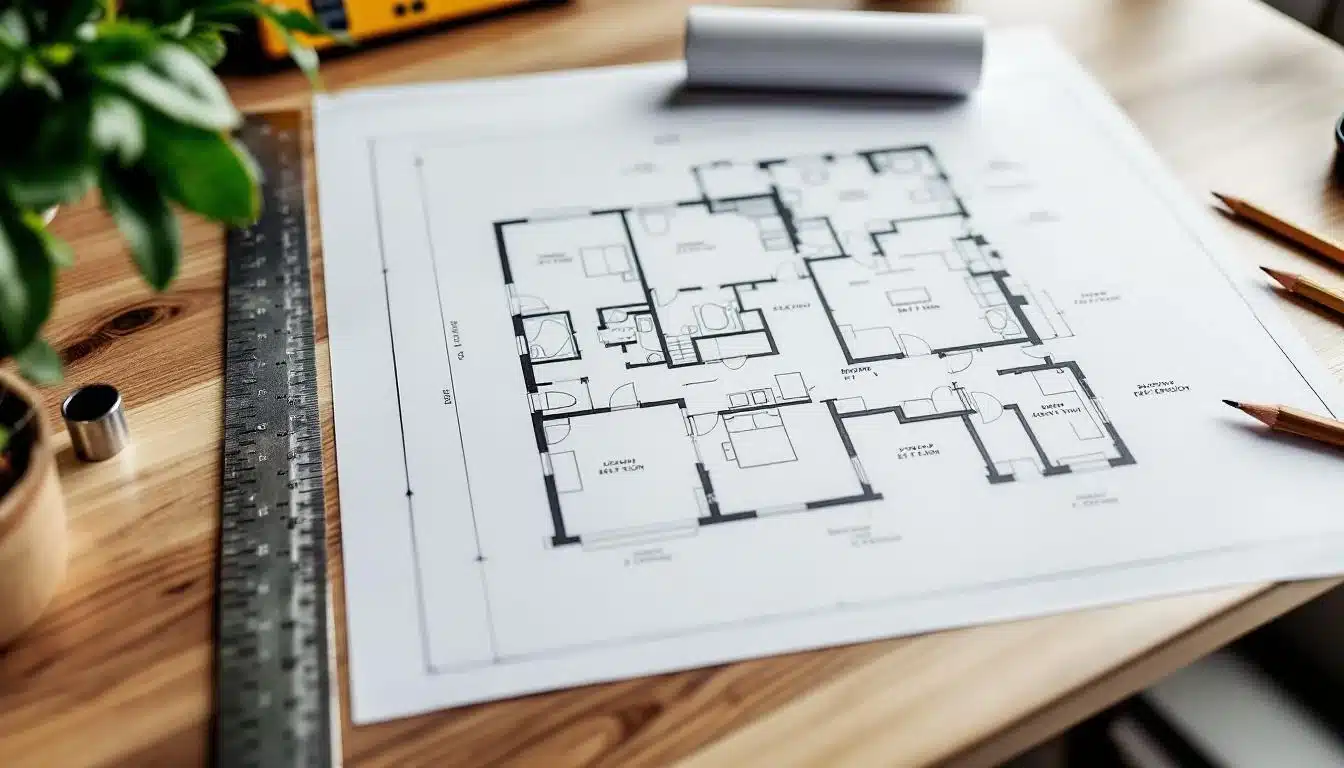
How to Design Second Storey Extension Floor Plans
Planning a second storey extension requires careful consideration of floor plan design to maximise your home’s potential. Two bedroom second storey extension floor plans are among the most popular choices for Melbourne families seeking additional living space.
At Cameron Construction, we understand that successful extensions depend on thoughtful design that complies with local regulations while meeting your family’s needs.
Understanding Second Storey Extension Planning Requirements
Melbourne councils require planning permits for most second storey extensions, with limited exemptions available only in specific zones under ResCode provisions. The planning permit process takes 60 to 90 days through council assessment, though heritage overlays extend timelines to 120 days. Building permits follow as a separate requirement and need structural engineering certification, particularly for existing foundation assessments that determine load-bearing capacity for additional floors.
Council Permit Requirements
Planning permits cost between $1,500 and $3,500 depending on your municipality and project scope. Bayside Council charges $1,684 for residential extensions, while Boroondara Council fees reach $2,890 for second storey additions. Your application must demonstrate compliance with neighbourhood character policies, setback requirements of minimum 1.8 metres from side boundaries, and overlooking provisions that prevent direct sight lines into neighbouring properties within 9 metres.
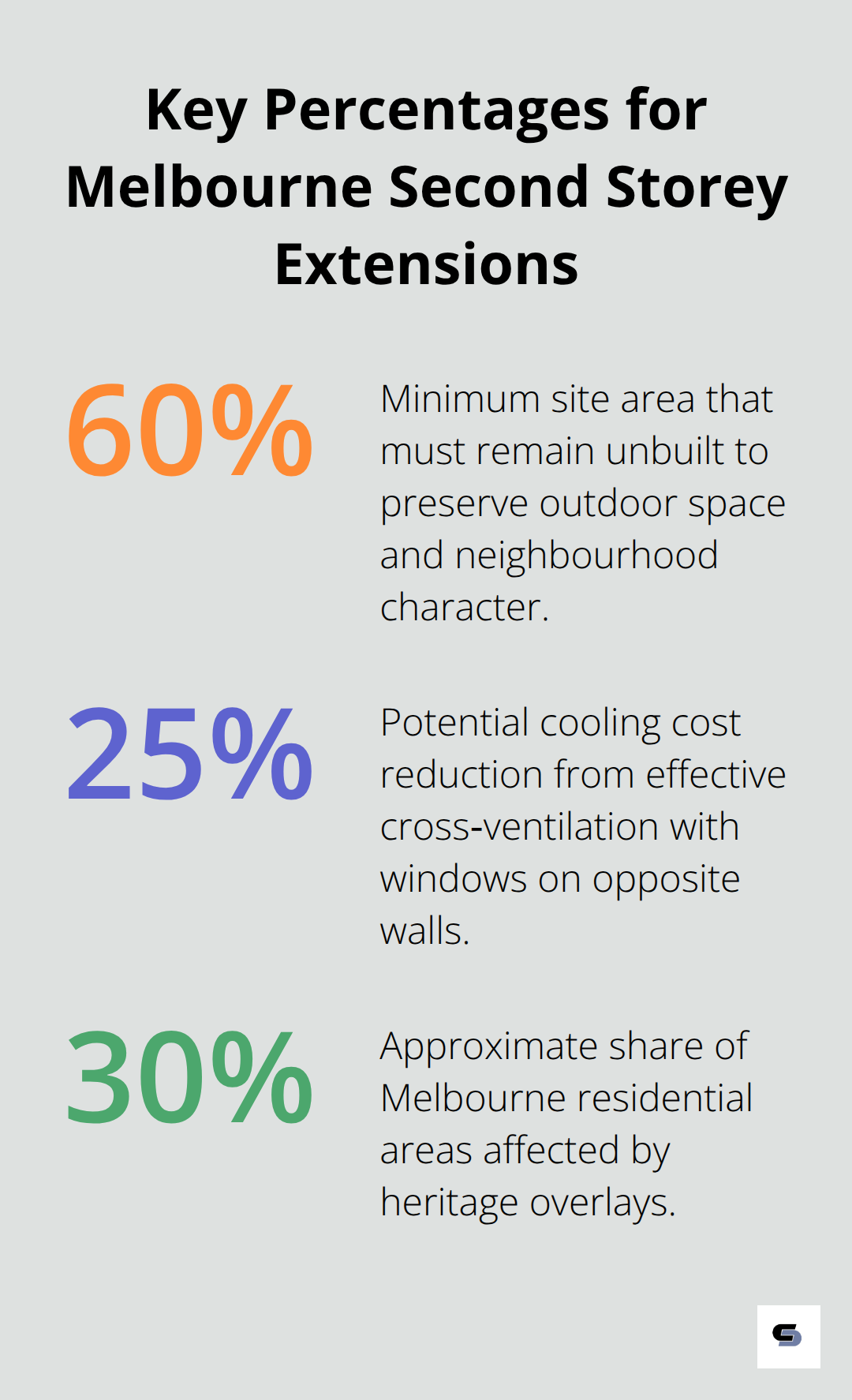
Building height restrictions cap most second storey extensions at 9 metres, though sloping sites may permit 10 metres under Planning Practice Note 27 (PPN27). Councils also require that at least 60% of your site remains unbuilt to preserve outdoor space and neighbourhood character.
Structural Engineering Requirements
Building permits require structural engineering reports that cost $2,000 to $4,000 for foundation analysis and load calculations. Engineers assess your existing foundation’s capacity to support additional floors and specify any reinforcement work needed. The National Construction Code mandates minimum 7-star energy ratings for new construction, which requires detailed thermal performance modelling in your building permit documentation.
Structural assessments also examine wall heights and setbacks to meet regulations that base distance requirements on the height of new walls relative to property boundaries.
Heritage Overlay Compliance
Heritage overlays affect approximately 30% of Melbourne’s residential areas and mandate heritage impact assessments through qualified consultants. These assessments cost $3,000 to $6,000 and evaluate materials, roof forms, and facade treatments that maintain historical character. Heritage consultants work with councils to approve designs that respect the original architecture while accommodating modern living needs.
Properties within heritage overlays face stricter design controls that influence everything from window styles to roofline treatments, making early consultation with heritage specialists essential for project success.
With planning requirements understood, the next step involves addressing key design considerations that shape your second storey floor plan layout and functionality.
Key Design Considerations for Second Storey Floor Plans
North-facing rooms have a greater daylight factor than those facing south, which makes orientation the most important factor in second storey design. Primary living areas and bedrooms perform best along northern walls where they capture maximum daylight while avoiding afternoon heat through western facades. Cross-ventilation works when windows sit on opposite walls with minimum 2.4-metre separation to create effective airflow patterns that reduce cooling costs by up to 25% (according to the Australian Building Codes Board energy efficiency guidelines).
Strategic Staircase Placement
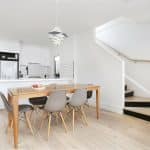
Straight-run staircases consume 12 square metres of floor area compared to L-shaped designs that require 9 square metres, which makes configuration choice critical for space efficiency. Central staircase placement creates natural separation between public and private zones while it maintains sight lines that enhance spatial flow. Staircases work poorly against external walls as this wastes valuable window space and limits natural light penetration into lower levels. Minimum 2-metre ceiling height above staircase landings meets building code requirements while 2.4-metre heights improve comfort and resale value.
Privacy Protection Strategies
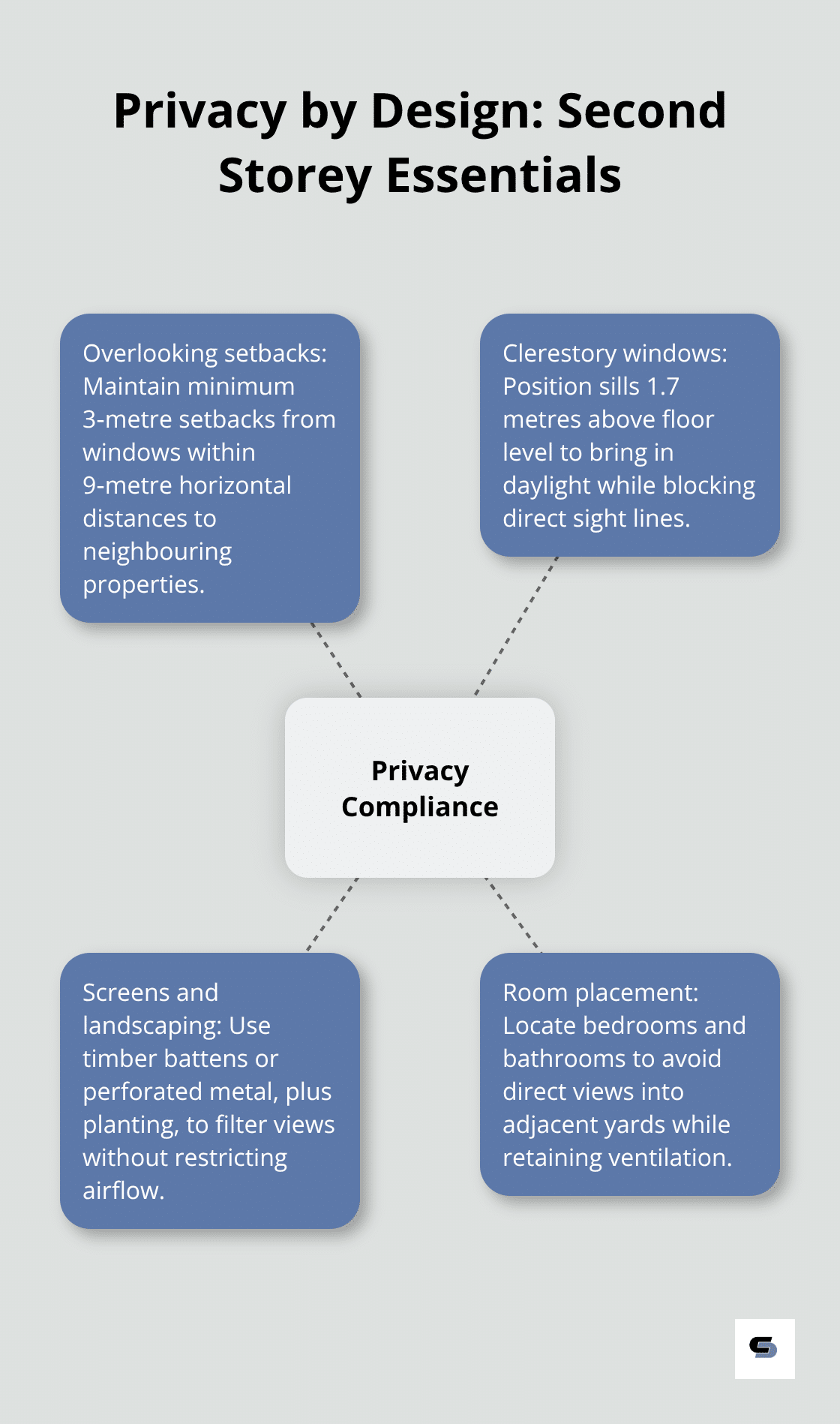
Overlooking regulations mandate minimum 3-metre setbacks from windows that face neighbouring properties within 9-metre horizontal distances, which directly influences bedroom and bathroom placement. High-level clerestory windows positioned 1.7 metres above floor level provide natural light while they prevent direct sight lines into adjacent yards. External screens and landscaping buffers maintain privacy without they sacrifice ventilation, using materials like timber battens or perforated metal that filter views while they allow airflow.
Cost Implications of Design Choices
Privacy measures add $3,000 to $8,000 to construction costs but they prevent costly council enforcement actions that can reach $15,000 in penalties. Window placement decisions affect both immediate construction expenses and long-term energy performance. North-facing glazing reduces heating costs while western windows require additional shading solutions that increase project budgets.
The design process transforms these considerations into detailed documentation that guides construction and satisfies council requirements.
Professional Design Process and Timeline
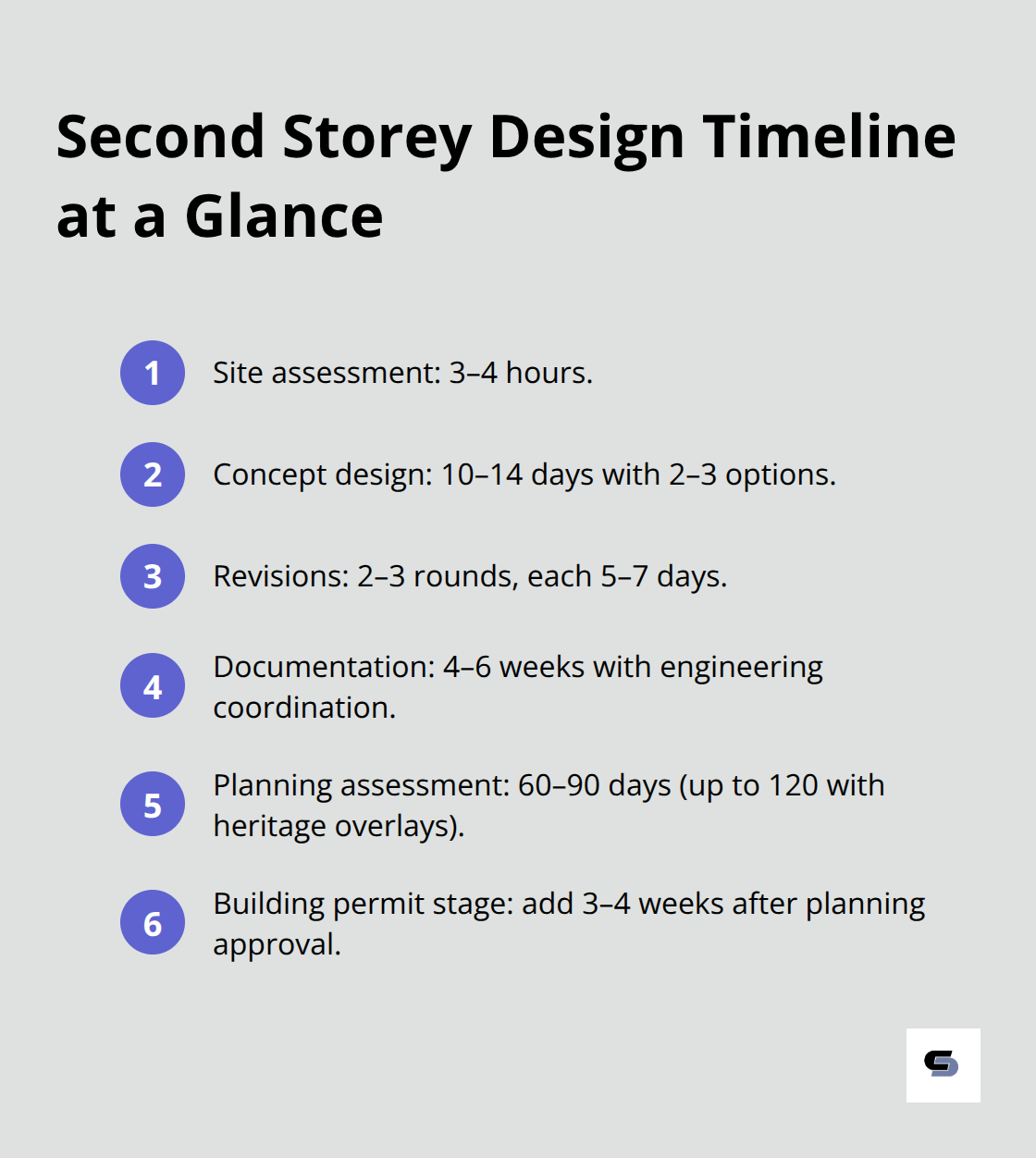
Professional design development starts with a comprehensive site assessment that measures existing structures, identifies load-bearing walls, and documents soil conditions through geotechnical testing. Site surveys cost $800 to $1,200 and include detailed measurements that architects require for accurate floor plan development. The assessment also examines neighbouring properties to identify overlooking constraints and setback requirements that shape design parameters.
Initial Site Assessment
Qualified professionals conduct these assessments over 3 to 4 hours, recording ceiling heights, foundation types, and structural elements that influence second storey feasibility. Engineers test soil conditions to determine foundation capacity for additional loads. Surveyors document existing setbacks, boundary locations, and neighbouring window positions that affect privacy requirements. The assessment produces a detailed report that architects use to develop compliant designs.
Concept Design Development
Initial concept designs emerge within 10 to 14 days following site assessment, presenting 2 to 3 floor plan options that address your brief while meeting regulatory requirements. Architects typically charge $8,000 to $15,000 for concept design services that include scaled drawings, 3D visualisations, and preliminary cost estimates. Design revisions occur through structured feedback sessions where changes to room layouts, window positions, and staircase configurations refine the concept.
Client Collaboration and Revisions
Most projects require 2 to 3 revision rounds before finalising the preferred design direction. Architects present options that balance your requirements with council regulations and structural constraints. Each revision cycle takes 5 to 7 days and addresses specific concerns about room sizes, natural light access, or privacy protection. Concept approval triggers the detailed documentation phase that produces construction-ready plans.
Construction Documentation
Final documentation takes 4 to 6 weeks and includes detailed floor plans, elevations, sections, and engineering specifications required for building permits. Architectural documentation costs range from $12,000 to $25,000 depending on project complexity and includes structural engineer coordination for foundation assessments. Documentation must demonstrate compliance with energy efficiency requirements (minimum 7-star NatHERS rating) and accessibility standards.
Council Submission Process
Council submissions incorporate planning reports that address neighbourhood character, overlooking analysis, and energy efficiency calculations. Planning applications receive council acknowledgement within 5 business days, with formal assessment periods of 60 days for standard applications or 90 days for complex projects. Building permit applications follow planning approval and require additional engineering certifications that add 3 to 4 weeks to the timeline.
Final Thoughts
Professional architects create compliant 2 bedroom second storey extension floor plans that maximise your investment and avoid costly council rejections. Experienced designers navigate complex regulations, structural requirements, and heritage constraints that homeowners find difficult to address independently. Total project timelines span 6 to 8 months from initial consultation through construction completion (design development requires 8 to 12 weeks, council approvals add 60 to 120 days, and construction takes 16 to 20 weeks).
Professional design fees range from $20,000 to $40,000 but prevent expensive redesigns and permit delays that cost significantly more. Investment in quality design services typically returns 15% to 25% in property value increases for well-executed second storey extensions. Professional documentation reduces construction risks, maintains neighbourhood relationships through compliant designs, and creates functional spaces that enhance daily living.
We at Cameron Construction combine decades of experience with in-house designers and engineers to deliver extensions from concept to completion. Our team handles planning permits, structural assessments, and council approvals across Melbourne’s diverse municipalities. Contact Cameron Construction today to discuss your second storey extension project and transform your home’s potential.