How to Convert Single Storey to Double Storey Extension
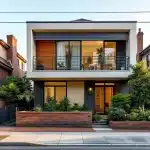
Converting your single storey home into a double storey extension represents one of Melbourne’s most popular renovation choices for growing families.
At Cameron Construction, we’ve guided hundreds of homeowners through this transformative process. The right approach combines structural expertise with thoughtful design to maximise your property’s potential while maintaining neighbourhood character.
Planning Your Single to Double Storey Conversion
Structural Assessment Determines Project Viability
Your existing foundation controls every aspect of your double storey conversion project. Professional engineers inspect slab thickness, soil conditions, and load-bearing capacity before they recommend structural modifications. Most homes built after 1960 need minimal foundation work, while pre-1950s properties often require underpinning or additional footings.
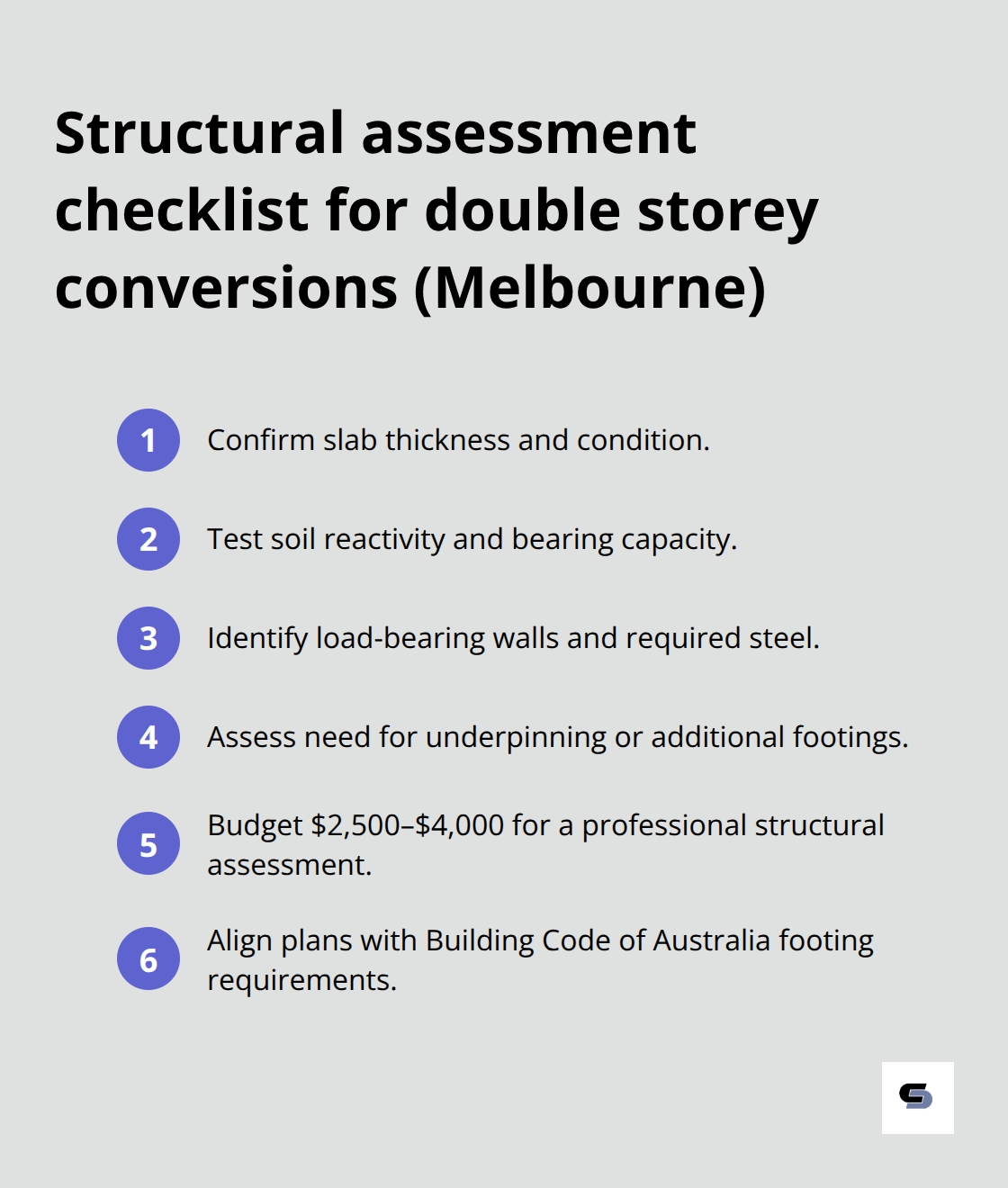
The Building Code of Australia sets specific foundation requirements for additional loads, and a structural assessment costs $2,500 to $4,000 but prevents expensive surprises during construction.
Council Permits Drive Your Project Timeline
Melbourne councils process double storey extension applications within 60 statutory days, though complex heritage overlays extend this to 90 days. Your application must include detailed architectural plans, engineering calculations, and neighbour consultation evidence. Properties in heritage areas face stricter height limits of 8 metres, while standard residential zones allow 9.5 metres maximum. Planning permits cost $1,578 for most extensions (plus additional fees for complex sites), and building permits follow separately with certified plans from registered building practitioners.
Budget Expectations for Melbourne Conversions
Double storey conversions range from $180,000 for basic additions to $350,000 for premium finishes across Melbourne’s market. Foundation work adds $15,000 to $45,000 depending on soil conditions and structural requirements. Construction typically takes 16 to 24 weeks, with weather delays extending winter projects by 2-3 weeks. Material costs fluctuate seasonally, with steel and timber prices peaking during summer building periods. Add 15% contingency for unforeseen structural discoveries and council variation requirements that emerge during construction phases.
These planning fundamentals set the stage for smart design decisions that maximise your home’s potential while respecting neighbourhood character.
Design Considerations for Second Storey Additions
North-Facing Windows Transform Upper Level Living
Strategic window placement controls natural light distribution across your second storey addition. North-facing windows capture consistent daylight throughout the year, while east-facing openings provide morning warmth without afternoon glare. Double-glazed windows provide superior energy efficiency compared to single glazing, making them essential for upper levels exposed to direct sunlight. Clerestory windows positioned along the roofline flood central spaces with light while they maintain privacy from neighbouring properties. Cross-ventilation requires windows on opposite walls with openings positioned 1.2 metres apart vertically to create effective airflow patterns that cool upper levels naturally.
Roofline Integration Prevents Architectural Conflicts
Your extension must complement your home’s original proportions to avoid council rejections and neighbourhood complaints. Hip roof additions work best with existing hip roofs, while gable extensions suit homes with pitched rooflines. The Victorian Planning Provisions specify that new additions should not exceed the existing ridge height by more than 1 metre in residential zones. Material continuity matters more than perfect matches – weatherboard cladding pairs effectively with modern fibre cement when profiles and colours coordinate. Window proportions should reflect existing openings, with vertical rectangles that suit period homes and horizontal formats that complement contemporary architecture.
Floor Plan Optimisation Maximises Family Function
Upper level layouts require careful consideration of traffic flow and privacy zones. Master bedrooms perform best when positioned away from stairwell noise (typically at the rear of the extension). Children’s bedrooms benefit from proximity to shared bathrooms and study areas. Open-plan living spaces upstairs create flexible entertainment zones, while separate retreat areas provide quiet spaces for family members. Floor-to-ceiling ratios of 2.7 metres upstairs match standard ground floor heights and create visual balance between old and new construction elements.
These design principles work hand-in-hand with proper construction methods to deliver extensions that enhance both function and value.
Construction Process and What to Expect
Engineering Compliance Sets Construction Standards
Structural engineers submit detailed calculations to building surveyors before construction begins. Load-bearing modifications require specific steel beam specifications and connection details that meet strict safety standards. The National Construction Code establishes construction requirements for multi-residential and commercial buildings, while roof structures need wind load calculations for your specific Melbourne location.
Building surveyors conduct three mandatory inspections: footings before concrete pour, frame inspection before wall lining, and final inspection before occupancy certificate issue. Council inspectors arrive within 24 hours of inspection requests, and failed inspections delay construction by 5-7 days minimum. Structural steel deliveries require crane access and street permits (with most Melbourne councils charging $150 daily for road closure permits during beam installation).
Construction Disruption Requires Strategic Management
Demolition and structural work generate noise levels of 85-95 decibels during standard construction hours of 7am to 6pm on weekdays. We recommend temporary accommodation arrangements for families with young children or shift workers, as upper level construction creates dust and vibration throughout existing areas.
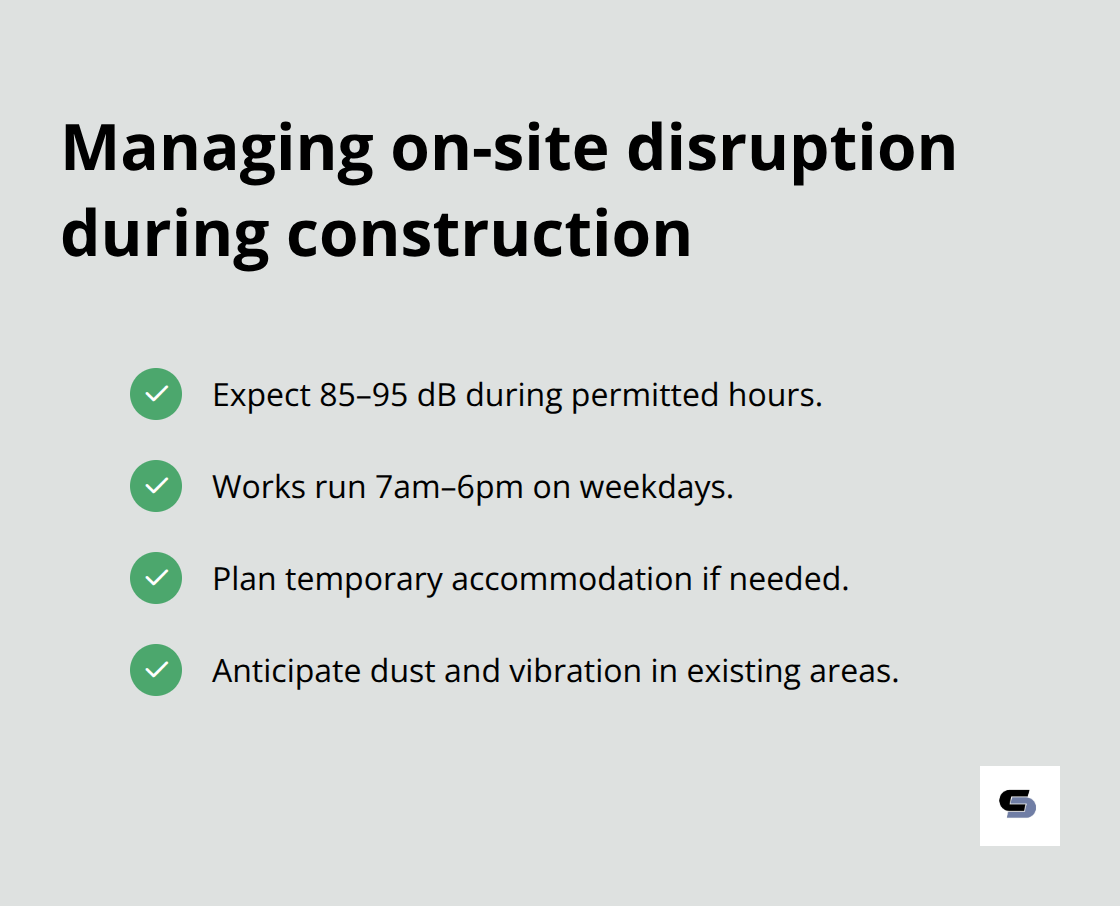
Material deliveries occur weekly and require driveway access for concrete trucks, steel transporters, and scaffolding equipment. Weather delays extend construction timelines by 15-20% during Melbourne’s winter months, with concrete pours postponed during temperatures below 5 degrees Celsius.
Trade Coordination Maintains Project Momentum
Project managers coordinate trades in precise sequences: structural work first, followed by roofing, electrical and plumbing rough-ins, then insulation and wall installation. Quality control inspections occur at each trade completion, with photographic documentation that prevents disputes and warranty claims.
Professional project management reduces construction delays by 30% compared to owner-managed builds (through daily progress reports and proactive problem-solving that maintains momentum toward completion deadlines). Each trade must complete their work to specification before the next phase begins, which prevents costly rework and timeline extensions.
Final Thoughts
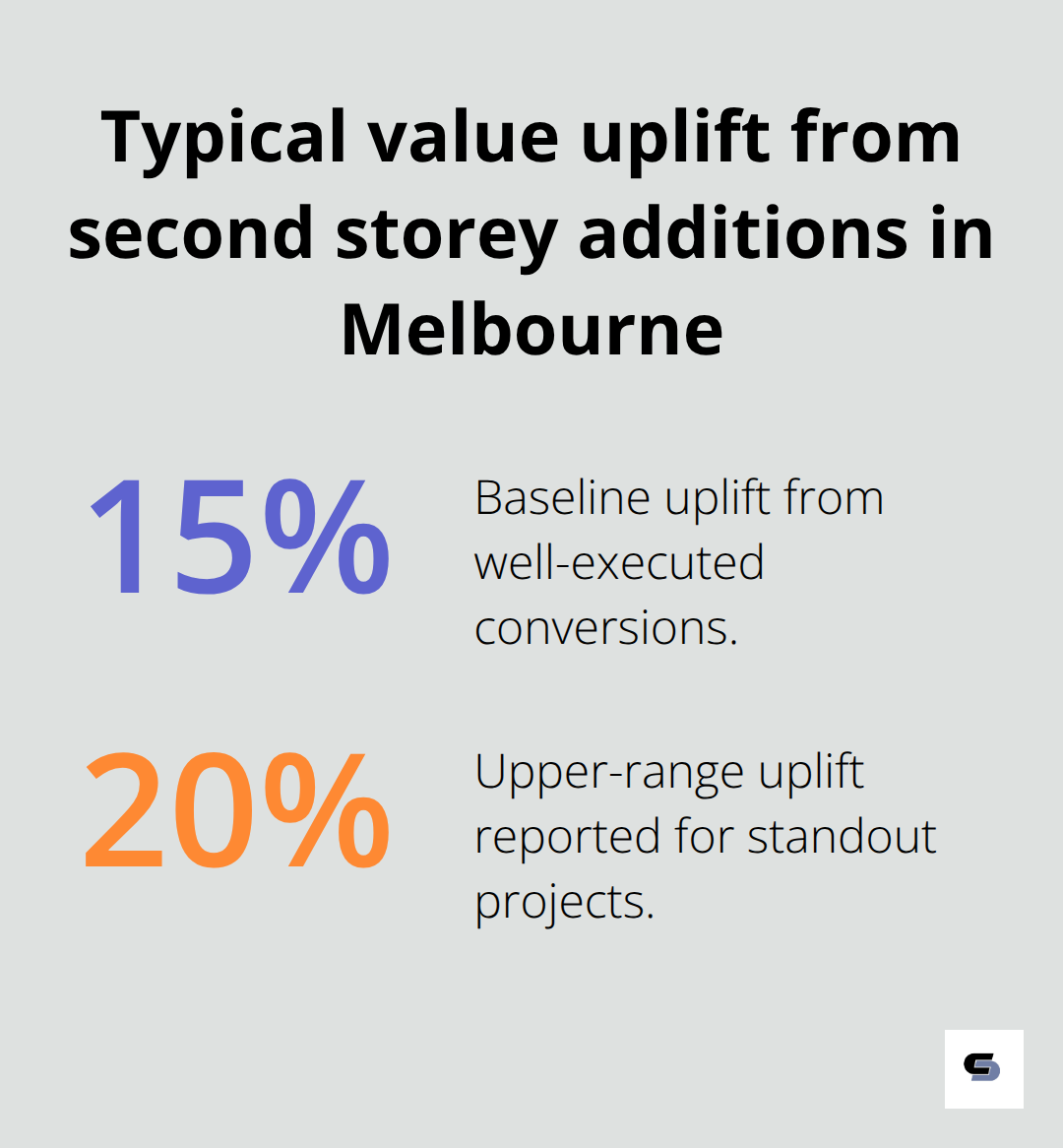
Single storey to double storey extensions deliver substantial returns through increased space and property value. Melbourne homeowners typically see 15-20% value increases from well-executed conversions while they gain essential bedrooms without relocating. The process transforms cramped family homes into spacious properties that accommodate growth.
Professional extension builders bring technical expertise that prevents costly mistakes and delays. Structural engineers, council compliance specialists, and trade coordinators require specialised knowledge that owner-builders rarely possess. Experienced builders navigate Melbourne’s complex planning requirements efficiently and secure permits faster than amateur applications.
Cameron Construction combines decades of extension expertise with in-house designers and project managers who handle concept to completion delivery. Our team manages planning, permits, and compliance across Melbourne’s councils (transforming single storey homes into double storey masterpieces). We enhance space, function, and value for families who need more room to grow.