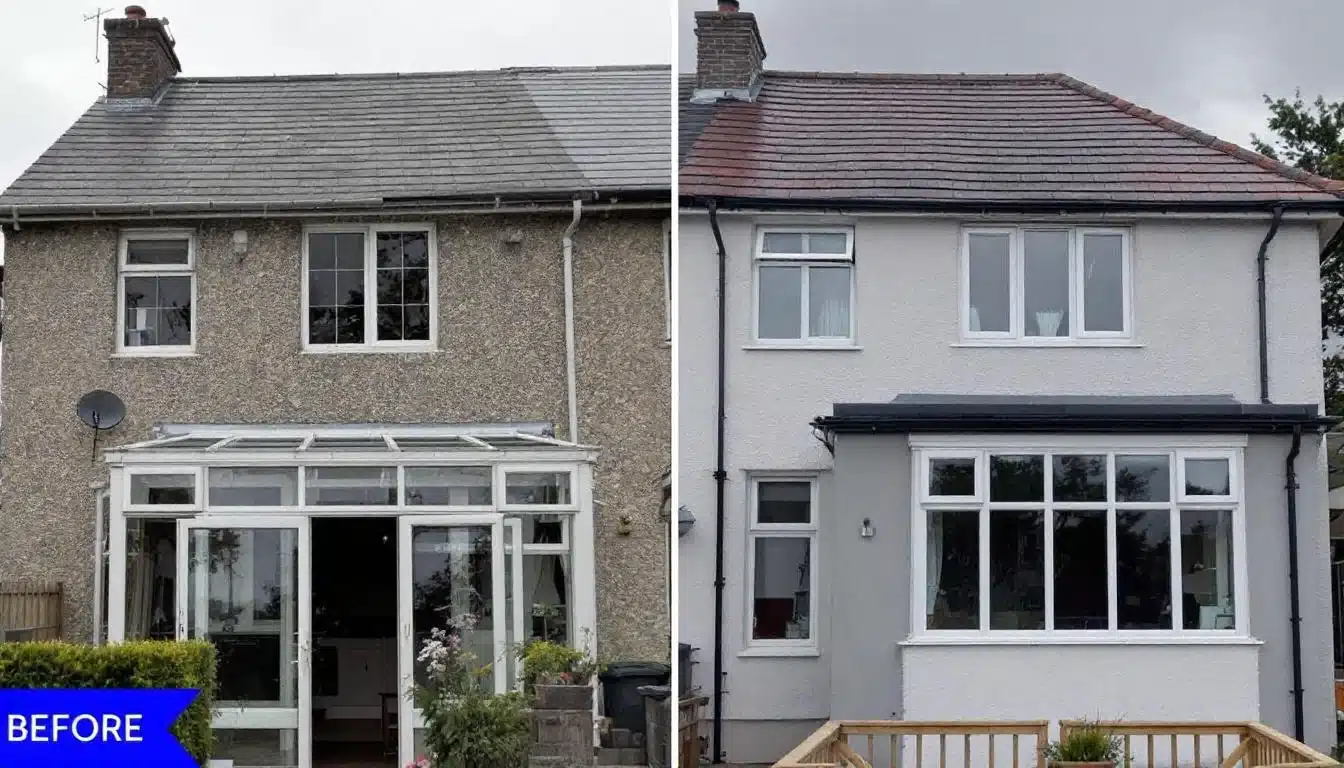
Second Storey Extension Before and After Transformations
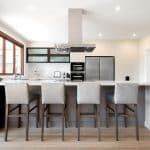
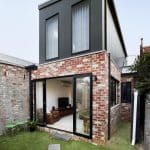
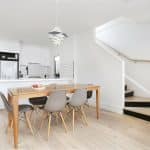
Second storey extension before and after photos reveal the incredible potential of Melbourne homes. These transformations show how adding an upper level can double your living space while maintaining your home’s character.
At Cameron Construction, we’ve completed dozens of second storey additions across Melbourne’s inner suburbs. Each project demonstrates how strategic design and quality construction can transform cramped family homes into spacious, modern residences.
Real Second Storey Extension Transformations in Melbourne
Federation Home Extension in Hawthorn
A 1920s Federation home in Hawthorn gained 85 square metres through a carefully designed second storey addition that respected the property’s heritage character. The original 120-square-metre home featured high ceilings and period details that influenced the new level design.
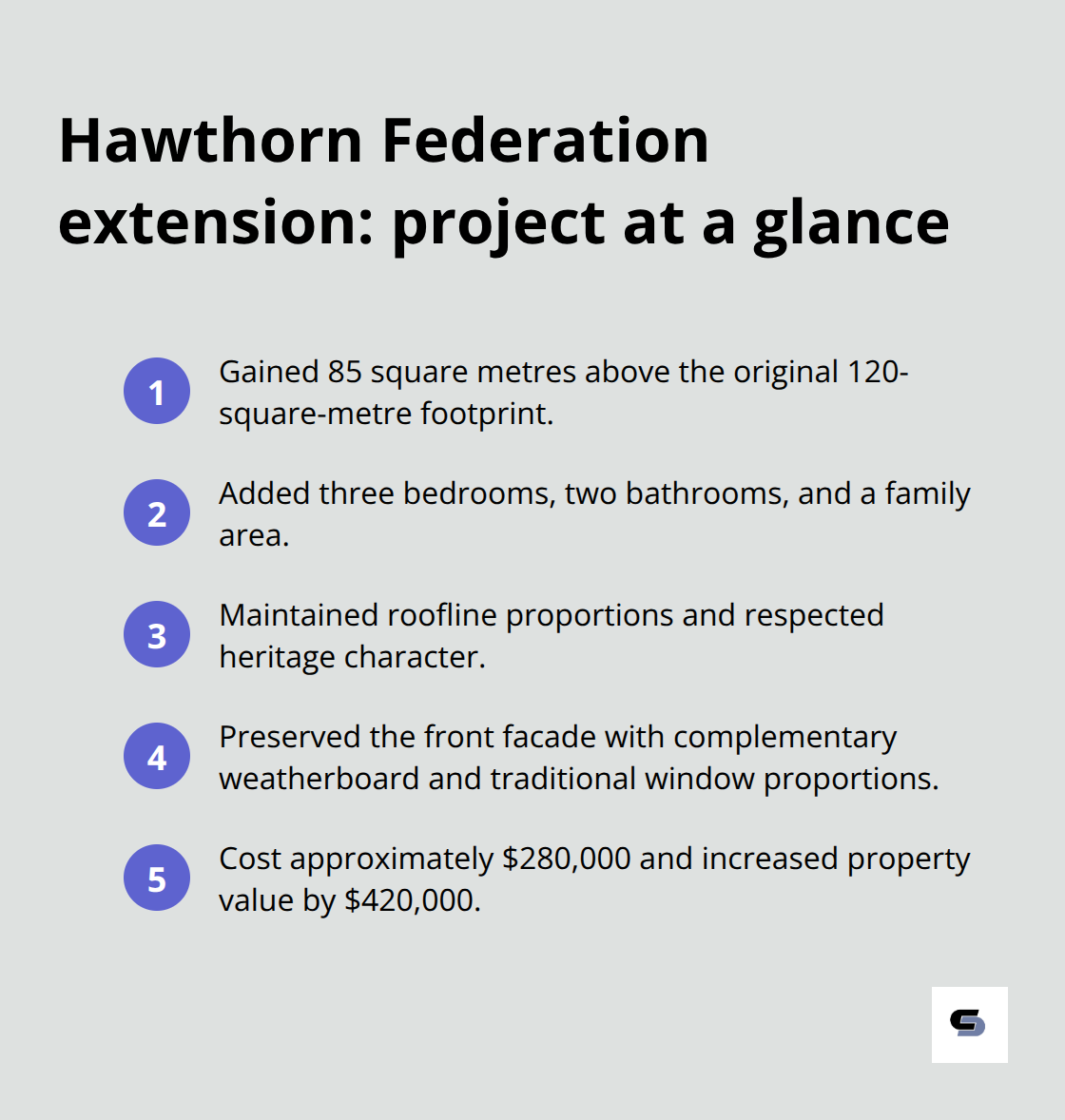
The extension added three bedrooms, two bathrooms, and a family area while it maintained the roofline proportions. Heritage overlay requirements in Boroondara Council meant the project preserved the front facade and used complementary materials like weatherboard and traditional window proportions.
The project cost approximately $280,000 and increased the property value by $420,000 (according to recent comparable sales data). This transformation demonstrates how heritage homes can accommodate modern family needs without compromising their architectural integrity.
Victorian Terrace Transformation in Richmond
A narrow Victorian terrace in Richmond doubled its space from 90 to 180 square metres through a full second storey addition. The original two-bedroom home lacked adequate family accommodation, with cramped rooms and limited storage areas.
The extension created four bedrooms, two bathrooms, and an open-plan area with north-facing windows that maximise natural light. Side setback requirements of 1 metre plus 0.3 metres for each metre above 3.6 metres height determined the upper level footprint.
Planning Practice Note 27 provides guidance for residential development standards that influenced the design to maintain neighbourhood character while the 60% site coverage limit allowed for generous outdoor space. This transformation cost $320,000 and delivered exceptional value for the family.
Californian Bungalow Addition in Camberwell
A 1930s Californian bungalow in Camberwell expanded from 110 to 220 square metres through strategic second storey construction that preserved the distinctive low-pitched roof and wide eaves. The extension added master bedroom accommodation, ensuite, walk-in wardrobe, and study while it maintained the home’s horizontal emphasis.
Structural assessment revealed the timber frame could support the addition with minimal reinforcement, which reduced construction costs by approximately $35,000. The design incorporated overshadowing requirements to protect neighbours while it maximised floor area within the 9-metre height limit.
These real transformations show the potential that exists in Melbourne’s established suburbs. The next step involves careful planning to achieve similar results for your property.
Planning Your Second Storey Addition Project
Structural Assessment Forms the Foundation
Structural assessment determines the viability of every second storey addition project. We recommend you engage a structural engineer within the first month of planning, as older Melbourne homes often require foundation reinforcement. Timber-framed homes typically need additional stumps or footings, which cost $15,000 to $45,000 depending on soil conditions and existing foundation quality. Brick veneer homes often require steel frame support, with costs that range from $25,000 to $60,000 for typical residential extensions.
Council Permits Navigate Complex Approval Processes
Planning permit applications take 28 to 60 days for standard residential zones, though heritage overlay properties require an additional 14 to 21 days for assessment. Boroondara Council charges $1,558 for planning applications, while Yarra Council fees reach $1,847 for similar projects. Building permits cost approximately $2,100 for second storey additions under 200 square metres, with mandatory inspections at base, frame, lock-up, and final stages. Properties within Heritage Overlay areas must demonstrate compliance with local character guidelines (often requiring specialist heritage consultant reports that cost $2,500 to $4,500).
Budget Planning Determines Project Scope
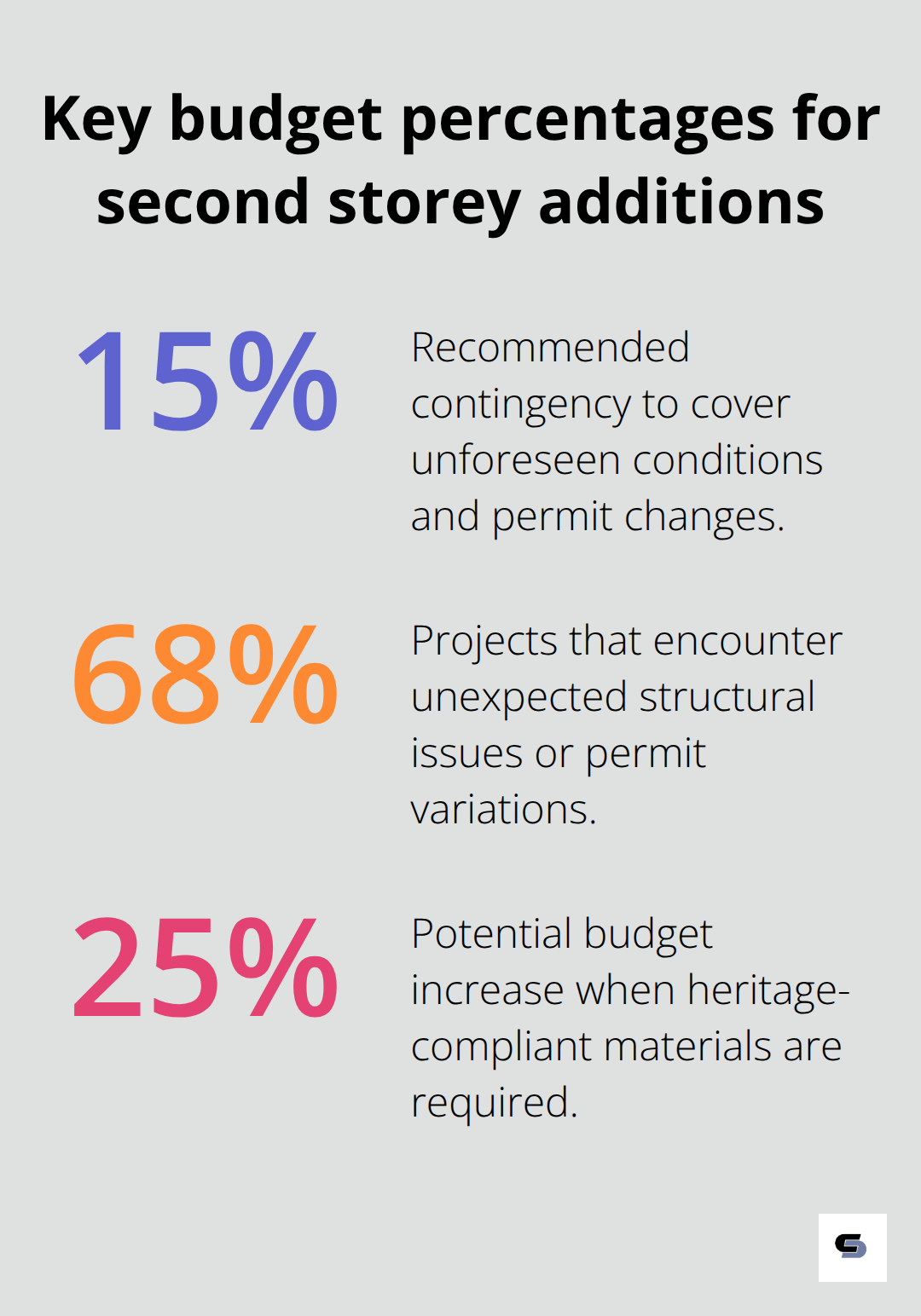
Extension costs vary significantly based on size and finishes, with basic second storey additions that start at $2,800 per square metre for standard specifications. Premium finishes and complex rooflines increase costs to $3,500 to $4,200 per square metre, while heritage-compliant materials add 15% to 25% to construction budgets. Contingency funds of 15% prove essential, as 68% of extension projects encounter unexpected structural issues or permit variations.
Professional fees include architects, engineers, and surveyors that typically represent 12% to 18% of total project costs for comprehensive second storey additions.
Smart design strategies can maximise the value of your investment while they address these planning requirements effectively.
Design Strategies for Successful Second Storey Extensions
Maximise Natural Light and Ventilation
North-facing windows deliver the most effective natural light strategy for second storey additions, as your building design and how you treat north-facing walls will determine how much solar access your home receives. We position primary areas along the northern elevation and limit east-west windows to prevent overheating. Double-height voids that connect ground and upper levels amplify light distribution throughout the home, while clerestory windows above rooflines capture additional daylight without privacy compromise.
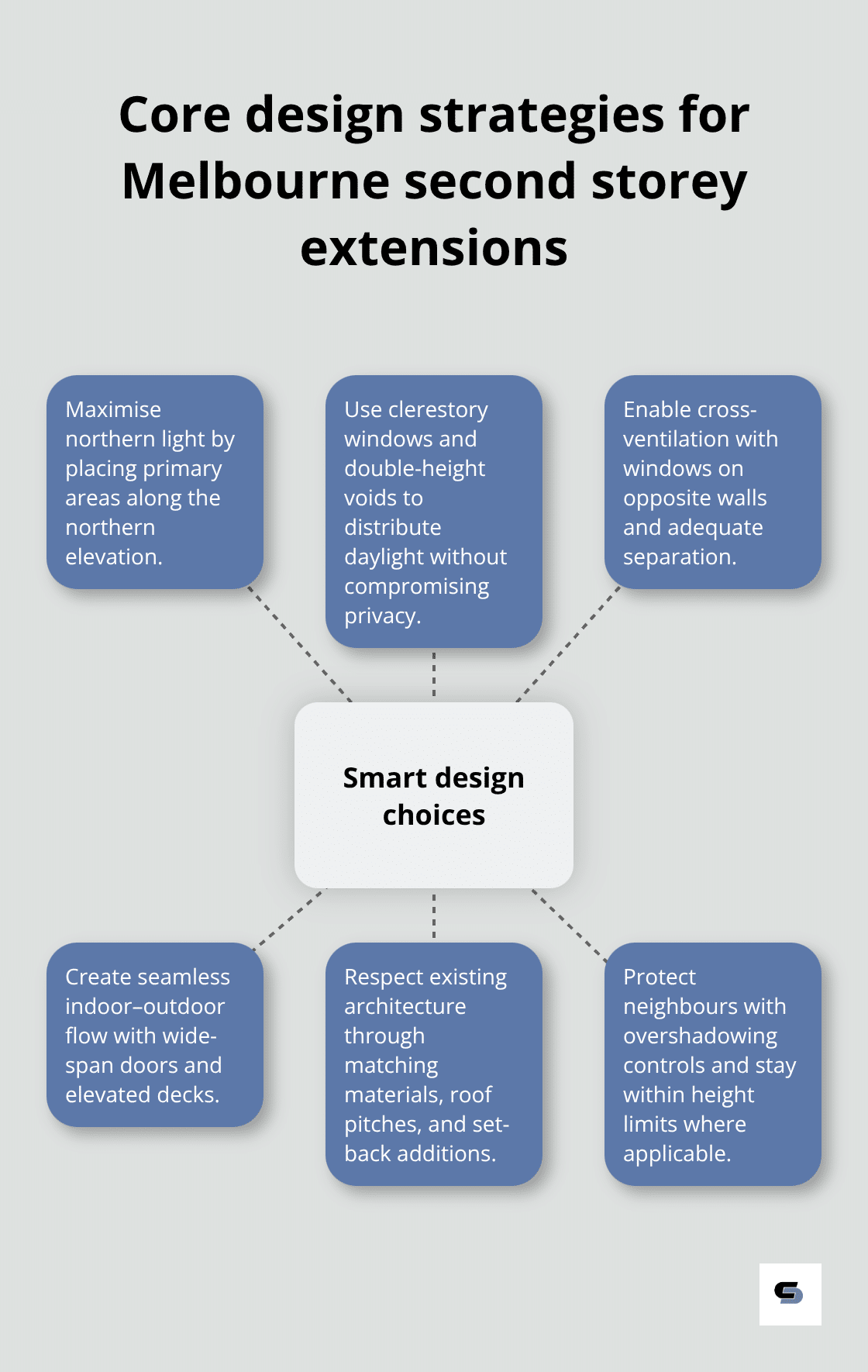
Cross-ventilation requires window placement on opposite walls with adequate separation, which creates pressure differentials that move air naturally through spaces. Ceiling heights of 2.7 metres in bedrooms and 3.2 metres in areas optimise airflow patterns, with high-level operable windows that exhaust warm air effectively.
Create Seamless Indoor-Outdoor Flow
External staircases and elevated decks bridge indoor-outdoor transitions more successfully than internal connections. Door systems that span 4 to 6 metres create unobstructed openings that merge interior and exterior spaces, while consistent materials extend visually between areas.
Covered outdoor rooms with ceiling heights maintain architectural continuity, and integrated boxes soften hard edges between built and natural environments. These connections transform upper levels from isolated spaces into integrated parts of the home.
Integrate New Architecture with Existing Home Style
Weatherboard extensions on Federation homes require 150mm board widths and traditional lap joints to match existing profiles, while roof pitches must align within 2 degrees of original angles. Victorian terraces demand face brick construction with mortar joints and window proportions that reflect existing rhythms.
Californian bungalows need low-pitched roofs under 22 degrees and wide eaves that extend 600mm to maintain horizontal emphasis. Material transitions occur at internal corners rather than prominent facades, and new work sits behind the front line to preserve streetscape character. These details determine whether extensions complement or clash with original architecture.
Final Thoughts
These second storey extension before and after transformations demonstrate the remarkable potential that exists within Melbourne’s established suburbs. The Federation home in Hawthorn, Victorian terrace in Richmond, and Californian bungalow in Camberwell each achieved substantial value increases while they preserved neighbourhood character through thoughtful design and quality construction. Properties with heritage overlays require additional time and specialist consultants, but the investment delivers exceptional returns when executed properly.
Successful projects share common elements that determine their outcome. Thorough structural assessment, early council engagement, realistic budgets with contingencies, and design strategies that maximise light while they respect existing architecture form the foundation of every transformation. Melbourne’s planning requirements and construction standards demand qualified professionals who understand local council processes (including heritage overlay compliance and building permit procedures).
We at Cameron Construction specialise in second storey additions across Melbourne’s councils. Our in-house designers, engineers, and project managers handle concept to completion, which includes planning, permits, and BCA compliance to transform your home into the spacious, functional residence your family deserves. Contact us today to discuss how we can create your own remarkable transformation.