Inner North Extensions Melbourne: Elevate Your Home With Local Expertise
Inner North Melbourne’s established suburbs offer character and location, but space is often limited. Many homeowners face a choice: move or extend, and most prefer to stay and add value to their existing homes.
At Cameron Construction, we’ve spent years navigating the specific planning requirements and heritage considerations that make Inner North extensions challenging. We know how to turn tight blocks and council restrictions into thoughtful, compliant designs that work.
Why Inner North Homeowners Extend Rather Than Relocate
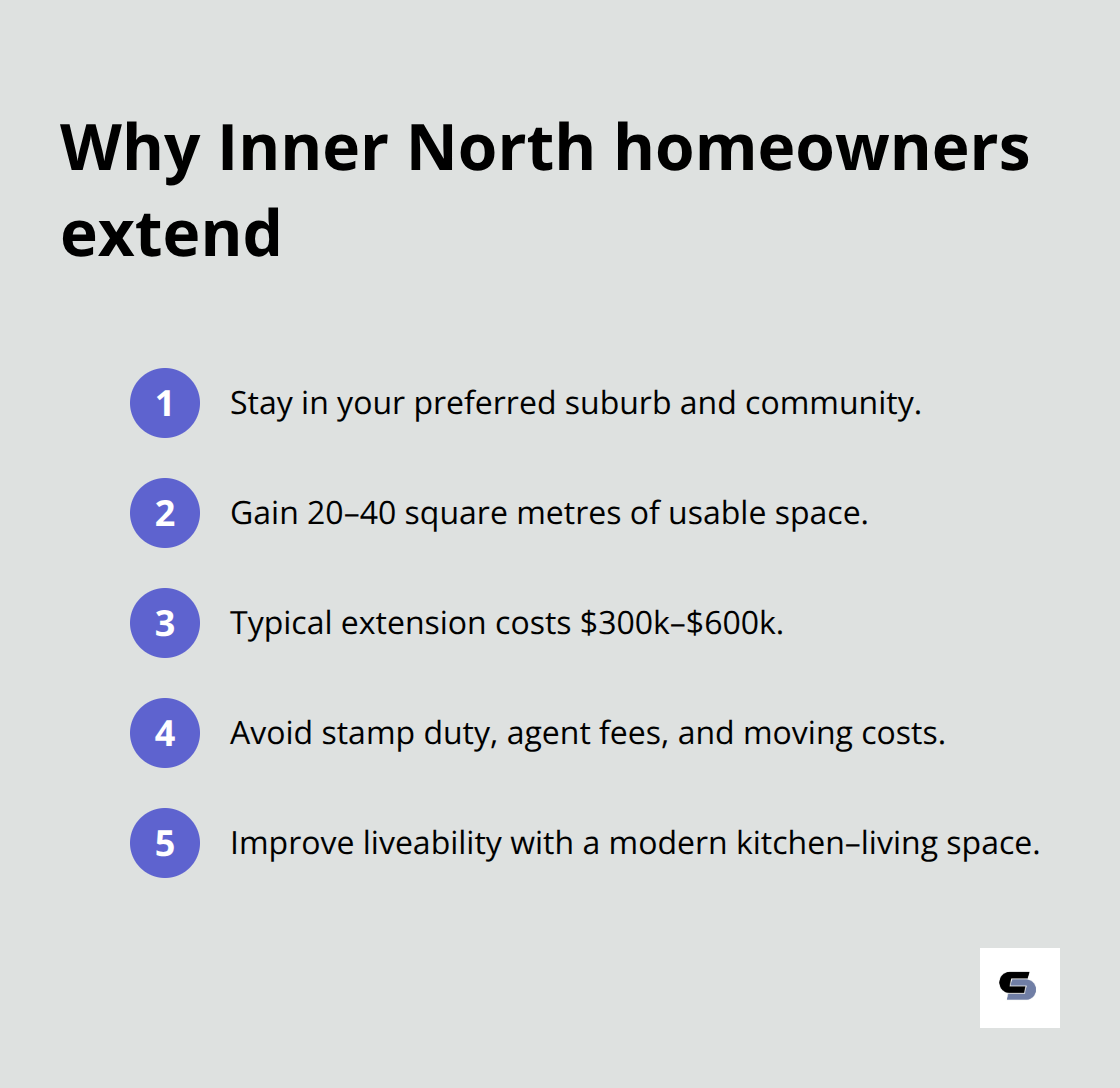
Inner North Melbourne’s established suburbs command premium prices, but the homes themselves often struggle to meet modern living standards. A typical Victorian or Edwardian terrace in North Melbourne, Fitzroy, or Carlton North sells for $1.2 to $1.8 million, yet many contain just two or three bedrooms with cramped kitchens and single bathrooms. Relocating to a larger home elsewhere costs significantly more-outer suburbs offer space but sacrifice location, transport access, and the walkable neighbourhood character that Inner North residents value. Extensions add 20 to 40 square metres of usable floor space without the transaction costs, stamp duty, and moving logistics of selling and buying elsewhere. An extension typically costs $300,000 to $600,000 depending on scope, whereas purchasing a larger home in the same area costs hundreds of thousands more. For families needing an extra bedroom or a functional kitchen-living space, extending makes financial sense and keeps you in the suburb you chose.
Heritage overlays and planning controls Define Your Options
Inner North suburbs operate under strict planning controls that most homeowners don’t anticipate until they start investigating. Heritage overlays protect character in suburbs like Fitzroy, Carlton North, and parts of North Melbourne, meaning even external alterations require planning permits that can take months to approve. The City of Melbourne’s Planning Scheme restricts building height, setbacks, and façade changes in many Inner North zones. A double storey extension on a narrow block in Collingwood might need to step back from the street line or reduce window sizes to comply with neighbourhood character guidelines.
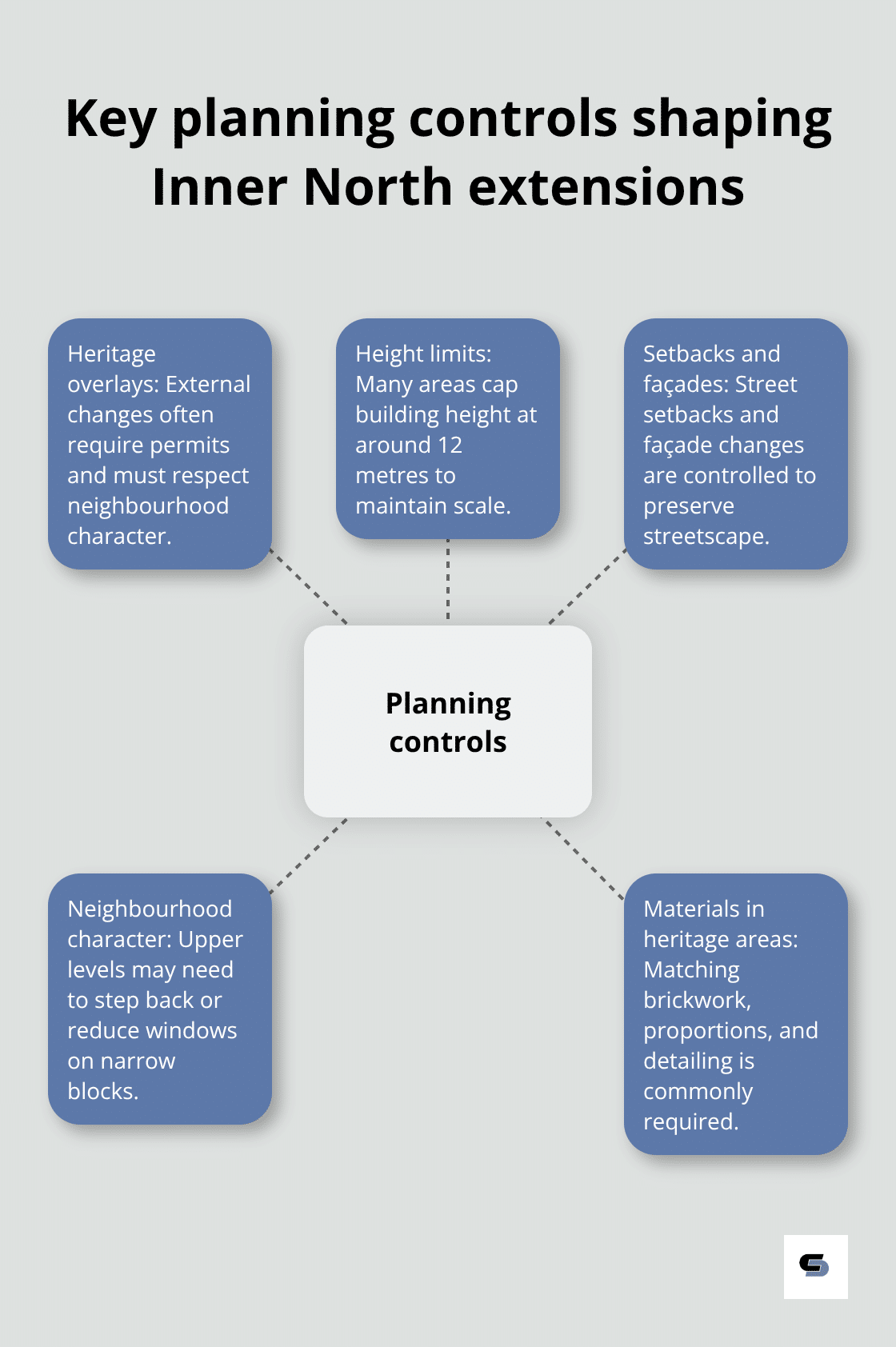
Ground floor additions in heritage areas often require matching materials, proportions, and architectural details that add cost but are non-negotiable. You must verify whether your property sits in a heritage overlay and contact the City of Melbourne Planning and Building Services to understand what you can and cannot do. Properties in high-risk termite zones also require specific construction methods and barriers, which affects design and budget. These controls frustrate some homeowners, but they’re why Inner North streets retain their appeal and property values hold strong.
Design That Enhances Rather Than Clashes
Inner North extensions that succeed financially are those that enhance the home’s existing character rather than clash with it. A sympathetic rear extension with appropriate materials and proportions can add value, whereas poorly designed additions that ignore neighbourhood context add little or subtract value. Council approval moves faster and easier when your design aligns with local guidelines, reducing delays and unexpected costs. Designers and builders who understand Inner North planning requirements-not just generic renovation practices-make the difference between a smooth approval process and months of revisions. The investment in local expertise upfront pays for itself through faster permits, fewer surprises, and a finished result that integrates seamlessly into your street. Understanding what works in your specific suburb and council zone shapes every decision from this point forward.
Extension Types That Work Best in Inner North
Double Storey Extensions Maximise Narrow Blocks
Double storey extensions dominate Inner North projects because most blocks are narrow, deep, and constrained by setback requirements that make ground-level expansion difficult. A typical Fitzroy or Carlton North terrace sits on a 300 to 400 square metre block with a 6 to 8 metre frontage, leaving minimal room for side or front additions. Building upward rather than outward makes spatial and financial sense. Double storey extensions add 40 to 80 square metres across two levels without consuming precious ground space, and the cost-per-square-metre typically runs 15 to 25 per cent lower than ground-only additions because structural systems and services serve both floors at once.
Council setback rules in Inner North zones often allow closer positioning at upper levels than ground level, which architects use strategically to maximise usable floor area while maintaining street presence. The City of Melbourne’s Planning Scheme restricts building height to 12 metres in most residential Inner North areas, so double storey extensions fit within that envelope without triggering additional heritage review delays. Heritage overlays do complicate upper-level design-matching roof lines, proportions, and materials to the original dwelling adds cost and design time-but compliant double storey work gains faster approval because it respects neighbourhood character rather than fighting it.
Ground Floor Additions Deliver Immediate Functional Improvement
Ground floor additions and rear extensions work best where blocks are wider or where heritage constraints limit upward growth. A rear extension of 3 to 5 metres adds a modern kitchen-living space while keeping the original façade intact, which satisfies heritage requirements in suburbs like Fitzroy where front elevations must remain unaltered. These projects typically cost $250,000 to $400,000 depending on finishes and structural work, and they transform daily living immediately-most Inner North terraces lack integrated living spaces, so a well-designed rear addition delivers functional improvement without the complexity of double storey approvals.
Termite Risk Shapes Ground Floor Design
Termite risk in Inner North areas requires specific construction methods: raised timber floors with barriers, concrete slabs with protective membranes, or non-timber alternatives depending on soil conditions and local council guidance. Ground floor work also demands careful drainage design because many Inner North blocks slope toward the rear or have poor existing water management. Soil reports and drainage surveys must precede ground floor designs, because unexpected subsurface conditions create budget blowouts that proper investigation prevents.
Heritage Materials Add Cost but Gain Approval
Heritage-compliant additions must match existing materials, proportions, and detailing-a rear extension in Carlton North might require brickwork that replicates the original façade, period-appropriate joinery, and window styles that cost 20 to 30 per cent more than contemporary alternatives but gain planning approval without revision cycles. These material and design choices reflect the specific requirements of your suburb and heritage overlay, which means no two Inner North extensions follow identical specifications. Understanding what your local council accepts-and what your heritage overlay demands-shapes every decision from design concept through to final construction. Cameron Construction’s in-house designers and engineers work within these local constraints to deliver extensions that comply with planning requirements while maximising the value and functionality your home gains.
How We at Cameron Construction Deliver Inner North Extensions From Start to Finish
Inner North Melbourne’s planning framework demands expertise that most homeowners lack. The City of Melbourne requires planning permits for most residential additions, heritage overlays demand material and design compliance, and the Building Code of Australia sets structural and safety standards that vary by site conditions. We at Cameron Construction work within these parameters because we’ve built dozens of extensions across Fitzroy, Carlton North, North Melbourne, and Collingwood. Rather than treat these requirements as obstacles, we treat them as parameters that shape better design.
Upfront Assessment Prevents Costly Revisions
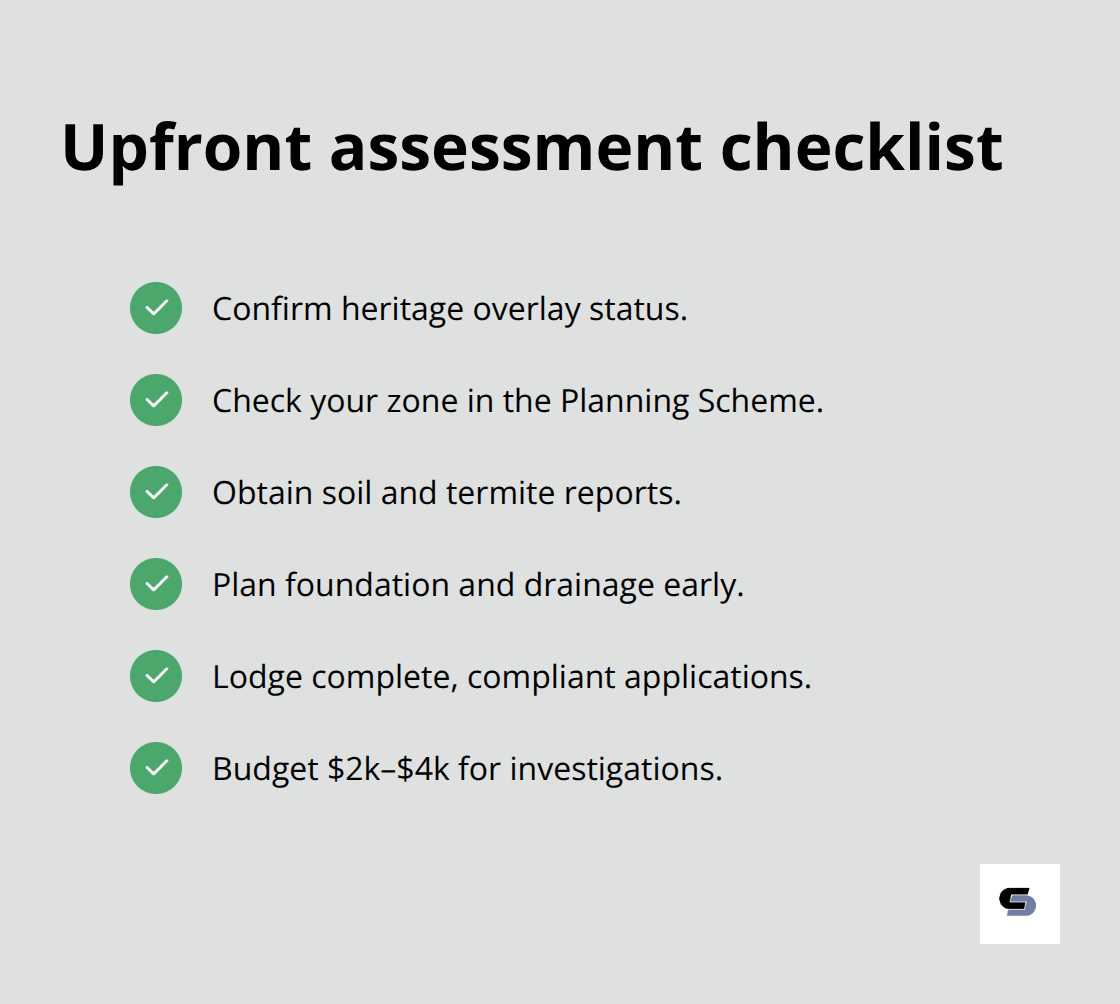
Our in-house designers and engineers start every project by confirming heritage overlay status, checking the Planning Scheme for your specific zone, and obtaining soil reports for termite risk and foundation design. This upfront work costs $2,000 to $4,000 but prevents the costly revisions and approval delays that emerge when homeowners or builders skip these steps. The City of Melbourne’s Planning and Building Services team moves faster when applications are complete and compliant, reducing approval timelines from four to six months down to six to ten weeks in many cases.
Local Knowledge Shapes Design Decisions
We’ve learned which design moves satisfy heritage requirements in each suburb-setbacks, material choices, roof lines, window proportions-so our initial designs rarely require council revision. This local knowledge compounds across projects: a double storey addition in Carlton North needs matching brickwork and a hipped roof to gain approval, whereas a similar project in Collingwood may allow contemporary materials if the proportions respect the original dwelling. We handle the Building Code compliance documentation, structural engineering, and construction sequencing that councils require before issuing building permits, meaning your extension meets safety standards and council expectations from the moment work starts.
Transparent Contracts Protect Your Investment
Planning permits and building compliance aren’t bureaucratic hurdles-they’re the framework that protects your investment and ensures your extension adds genuine value. Many homeowners underestimate the timeline and cost of navigating these requirements alone. We manage the entire approval process, coordinate with councils, respond to planning officer questions, and adjust designs if required-work that homeowners typically outsource to separate architects, building surveyors, and project managers at additional cost. Consumer Affairs Victoria recommends obtaining soil reports before finalising designs, especially for ground floor work in Inner North termite zones, and we factor this into our initial assessment. We also ensure your contract clearly identifies who obtains permits, what variations cost, and how we manage the staged payment process as work progresses through foundation, frame, lock-up, and fixing phases. This transparency prevents disputes and gives you control over budget and timeline from start to finish.
Final Thoughts
Inner North extensions Melbourne transform homes by solving the space problem that keeps families trapped in undersized properties. A $400,000 extension costs far less than relocating to a larger home in the same area, and you avoid stamp duty, agent fees, and moving disruption. You gain a home tailored to how you actually live, with a modern kitchen-living space, additional bedrooms, or a functional bathroom that the original Victorian or Edwardian terrace never provided.
Local expertise makes the difference between a smooth project and a frustrating one. Inner North planning controls, heritage overlays, and termite requirements protect your investment and ensure your extension adds genuine value. Builders and designers who understand these specific requirements deliver faster approvals, fewer revisions, and finished work that integrates seamlessly into your street.
We at Cameron Construction have spent over 40 years delivering extensions across Melbourne’s Inner North suburbs. Our in-house designers, engineers, and project managers handle everything from initial assessment through to final completion, managing planning permits, BCA compliance, and council coordination so you don’t have to. Contact Cameron Construction to discuss your project and understand what’s possible on your block.