Inner Eastern Suburbs Extensions Melbourne: Modern Layouts In Historic Areas
Inner Eastern Suburbs extensions demand a different approach than standard renovations. Heritage overlays, conservation requirements, and period architecture create genuine planning challenges that most builders overlook.
At Cameron Construction, we’ve completed dozens of extensions across suburbs like Fitzroy, Collingwood, and Abbotsford where heritage constraints shape every decision. This guide shows you how modern design and historic character can work together, not against each other.
Planning Permits and Heritage Requirements for Inner Eastern Suburbs Extensions
Heritage overlays in Melbourne’s inner eastern suburbs operate as legal requirements, not optional suggestions. The City of Melbourne applies heritage overlays to protect places of heritage significance, and once applied to your property, you’ll need a planning permit for most external works. This includes painting, window replacements, roof repairs, and any structural additions. Properties in heritage overlays face stricter scrutiny than those outside them. The City of Melbourne uses five value criteria to assess heritage significance-historic, social, scientific, aesthetic, and spiritual values-and any extension design must address how it interacts with these values.
Your first step involves checking whether your property sits within a heritage overlay. The City of Melbourne’s website shows completed and current heritage studies for each precinct, and you can access the Planning Permit Register to review past decisions on your specific address. This tells you what the council has approved before and what constraints apply to your site.
What Requires a Planning Permit
In heritage overlay areas, nearly everything visible from the street requires a permit. Extensions, additions, demolition, exterior painting, new fencing, and solar panels all need approval. Standard renovations costing more than $10,000 in Victoria require a major domestic building contract by law, and if your project exceeds $16,000, your builder must provide a current certificate of domestic building insurance before taking a deposit.
Heritage properties add a planning layer on top of building compliance. A wing addition to your Victorian terrace needs both a planning permit from the council and a building permit from the Victorian Building Authority. The planning permit focuses on heritage impact and streetscape compatibility; the building permit focuses on structural safety and building code compliance. Most extensions in inner eastern suburbs require both, and processing times reflect this complexity. Standard planning permits typically take 60 days, but heritage assessments can extend this timeline significantly. The council must consult with heritage officers, and if your design doesn’t align with the Heritage Design Guide principles-such as maintaining proportionate roof forms, respecting material choices, or avoiding bulk that overwhelms the original structure-you’ll face requests for design modifications.
Design Approach and Heritage Alignment
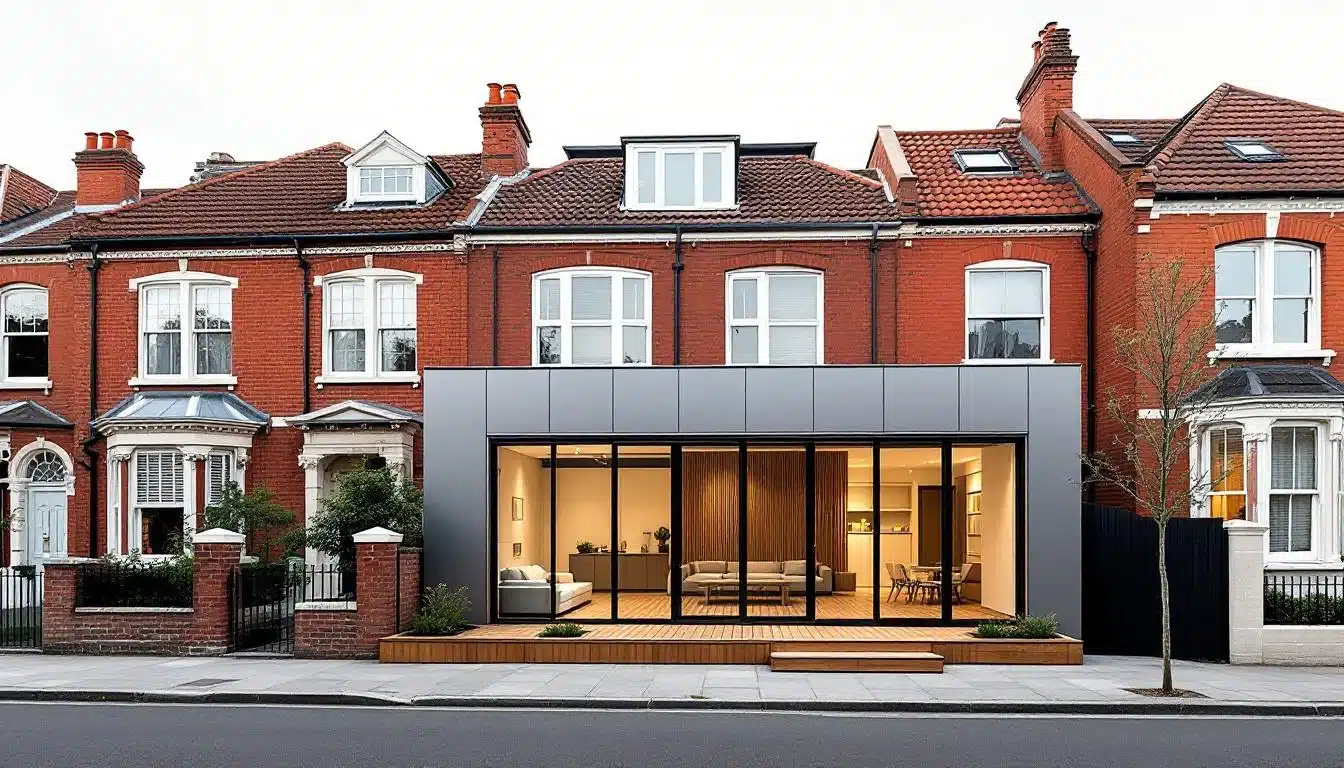
Three design approaches work within heritage frameworks: replicative designs that match original details exactly, complementary designs that use similar proportions and materials without copying details, and interpretive designs that introduce contemporary elements with subtle heritage references. Interpretive design performs strongest with a qualified heritage architect because it shows confidence in modern expression while respecting character.
The Heritage Design Guide provides 12 real case studies showing how thoughtful extensions have enhanced value and liveability. The Arnold Street House in Princes Hill paired restoration with elegant new elements; the Bustle House in Northcote used an extension inspired by Victorian-era clothing to connect memory and beauty to the street. These examples demonstrate that council approval isn’t about rejecting modernity-it’s about how you integrate it.
Wing additions should be proportionate and have roof forms mirroring the original; pavilion additions work best placed behind the original house to minimise street-view impact; lean-to extensions should stay around three metres deep to keep the original façade readable. Flat roofs, second-storey additions across the full width, and basement conversions that raise the street façade perception face stronger objection. The council’s position remains firm on one point: extensions must not dominate the street or alter the property’s overall presence.
Managing Design Iterations and Costs
This constraint forces smarter design but creates better outcomes. Your extension budget should account for design iteration. If your initial concept doesn’t align with heritage requirements, revisions cost time and money. A heritage-design professional understands the five-value assessment framework and can position your extension to demonstrate how it respects heritage significance rather than detracts from it. Working with someone experienced in heritage approvals from the start reduces expensive redesigns later.
The difference between a standard extension approval and a heritage extension approval often comes down to timing, cost, and design complexity. Processing heritage permits requires more consultation, more documentation, and more design refinement than standard approvals. This is why the design phase matters as much as the construction phase. Your extension concept must address heritage values explicitly, not assume the council will overlook them.
Once you understand what your heritage overlay permits and what design approach aligns with council expectations, the next challenge involves translating those constraints into a layout that actually works for modern living.
Designing Extensions That Work in Heritage Areas
Modern living requires open kitchens, larger windows, and flexible spaces that Victorian terraces never offered. Heritage overlays demand that extensions respect proportions, materials, and street presence. These two requirements create genuine tension, and the solution isn’t compromise-it’s strategic design that achieves both without sacrificing either.
Heritage constraints function as design parameters, not obstacles. A wing addition limited to three metres deep forces you to think vertically and use that space more efficiently than a sprawling single-storey extension would. A pavilion placed behind the original house creates distinct zones without visual impact from the street. An interpretive approach using contemporary materials in traditional forms-weatherboard cladding in a modern profile, or large-format glazing set within a traditional window rhythm-performs better with council than designs that attempt to replicate Victorian details poorly.
Material Selection and Visual Harmony
Material selection determines whether an extension reads as respectful or jarring. The Heritage Design Guide emphasises that new elements should remain distinguishable from original fabric; exact replication signals uncertainty about contemporary design. Weatherboard, brick, and render work because they’re historically appropriate, but the finish, profile, and colour matter more than material type. A modern extension in weatherboard with tighter spacing and a different paint colour reads honestly as a new addition while maintaining visual harmony.
Glazing presents the strongest opportunity for contemporary expression. Victorian windows used small panes and deep sills; modern extensions can use larger glass areas if the overall window composition-the spacing, rhythm, and head/sill heights-respects the original. Group windows into traditional patterns rather than creating blank expanses of glass. This approach satisfies both heritage officers and building code requirements for natural light.
Open-Plan Layouts Behind Heritage Façades
The Heritage Design Guide’s 12 case studies show how thoughtful extensions handled modern layouts. The Jewel Box House in South Yarra added a modern extension on a former garage without overpowering the streetscape by keeping the addition lower and narrower than the original house. The Kia Ora Apartment in inner Melbourne created beautiful new daily spaces through a Streamline Moderne renovation while respecting the heritage exterior completely. Both projects prove that modern internal layouts don’t require external expression.
The kitchen, living, and dining zones can flow seamlessly behind a façade that maintains character. Load-bearing walls come down internally while external walls remain visually unchanged. This approach costs less in design iteration because council approval focuses on what’s visible from the street, not what happens inside. You achieve the open-plan living your family needs without triggering additional heritage objections.
Translating Constraints Into Functional Space
Strategic design transforms heritage requirements into advantages. A three-metre lean-to extension forces efficient spatial planning. A pavilion addition behind the original house creates a clear separation between heritage-sensitive frontage and contemporary living zones. An interpretive material approach (contemporary weatherboard profiles, large-format glazing within traditional window rhythms) demonstrates design confidence rather than uncertainty.
These constraints shape better outcomes than unrestricted extensions produce. Once you understand what your heritage overlay permits and what design approach aligns with council expectations, the next challenge involves selecting the right extension type for your property and family needs.
Extension Types That Work in Inner Eastern Suburbs
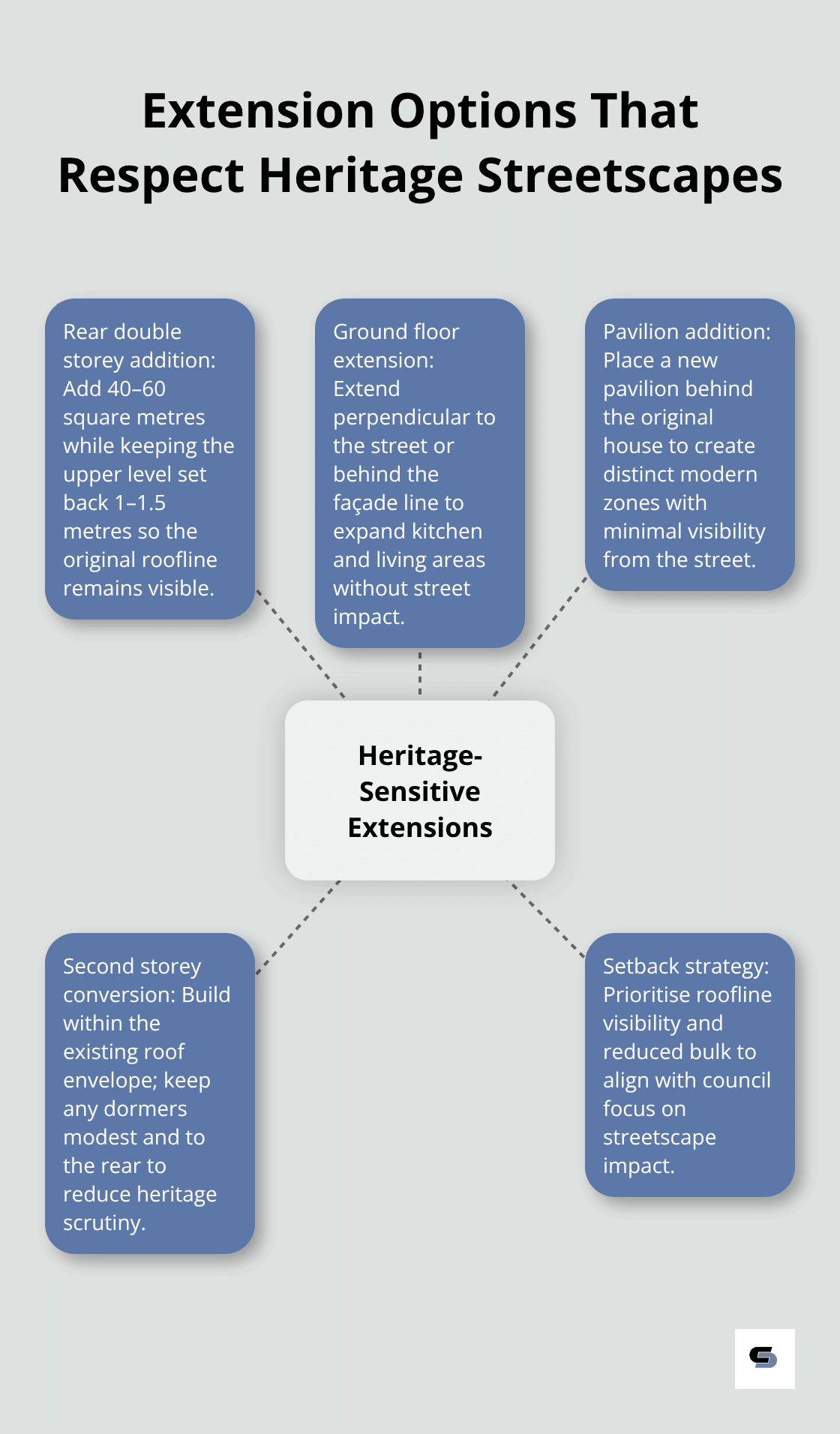
Double storey additions remain the most practical choice for Victorian terraces in suburbs like Fitzroy and Collingwood where land is constrained and street presence matters. A second storey placed behind the original façade adds 40–60 square metres of usable space without triggering the visual bulk that council objections focus on. The key is setback: pulling the upper storey back 1–1.5 metres from the front wall keeps the original roofline visible from the street, maintaining the terrace’s single-storey character.
Why Setbacks Preserve Council Approval
This approach works because council approval hinges on streetscape impact, not total floor area. Victorian terraces typically sit on 150–200 square metre blocks, and a rear double storey extension maximises internal space while respecting heritage overlay constraints. The City of Melbourne’s Heritage Design Guide emphasises that setback design preserves the original house’s visual dominance, and this principle directly translates to planning approval. Upper levels that sit entirely behind the original roofline allow families to add bedrooms and bathrooms without redesign iterations that cost time and money.
Ground Floor Extensions and Pavilion Additions
Ground floor extensions perform strongest when they extend perpendicular to the street or sit entirely behind the original façade line. A side extension limited to three metres depth-aligned with Heritage Design Guide recommendations-adds kitchen and living space while maintaining the property’s street presence. Pavilion additions placed centrally behind the original house create distinct functional zones without external visibility, and this approach costs less in design iteration because council focuses on street-facing elements.
Second Storey Conversions: When They Work
Second storey conversions sit entirely within the existing roof envelope in specific circumstances. If your terrace has sufficient roof height and the conversion doesn’t alter the external silhouette, council treats it as an interior modification rather than an extension. However, dormer windows required for headroom and light trigger heritage scrutiny unless they’re positioned at the rear and kept modest in scale. Second storey conversions rarely perform as well as rear double storey additions because they require external modifications that heritage officers question.
Material Selection and Design Honesty
Ground floor extensions with open-plan layouts flowing into converted heritage spaces deliver better outcomes: you achieve modern living without external complexity. Material selection determines approval speed-weatherboard cladding with tighter spacing and contemporary window groupings reads as honest new construction rather than attempted replication, and this transparency satisfies heritage assessment criteria faster than designs attempting to mimic Victorian details.
Final Thoughts
Inner eastern suburbs extensions succeed when you treat heritage constraints as design parameters rather than obstacles. The five-value assessment framework, setback requirements, and material guidelines shape better outcomes than unrestricted extensions produce. A rear double storey addition with proper setback adds 40–60 square metres of usable space while maintaining street presence, and an interpretive material approach demonstrates design confidence rather than uncertainty about contemporary expression.
The planning process demands more time and design iteration than standard renovations, but this investment produces extensions that council approves faster and families enjoy longer. Heritage officers assess whether your design respects historic significance, and this assessment hinges on how you address proportions, materials, and streetscape impact. Understanding what your heritage overlay permits before design begins eliminates expensive redesigns later, and working with a designer experienced in heritage extensions positions your project for approval from the start.
Your next step involves checking your property’s heritage overlay status on the City of Melbourne website and reviewing past planning decisions for your address. Then contact a designer experienced in inner eastern suburbs extensions to develop a concept that aligns with council expectations from the start. We at Cameron Construction can guide you through this process and deliver an extension that adds space, function, and value while respecting the character that makes these homes worth extending in the first place.