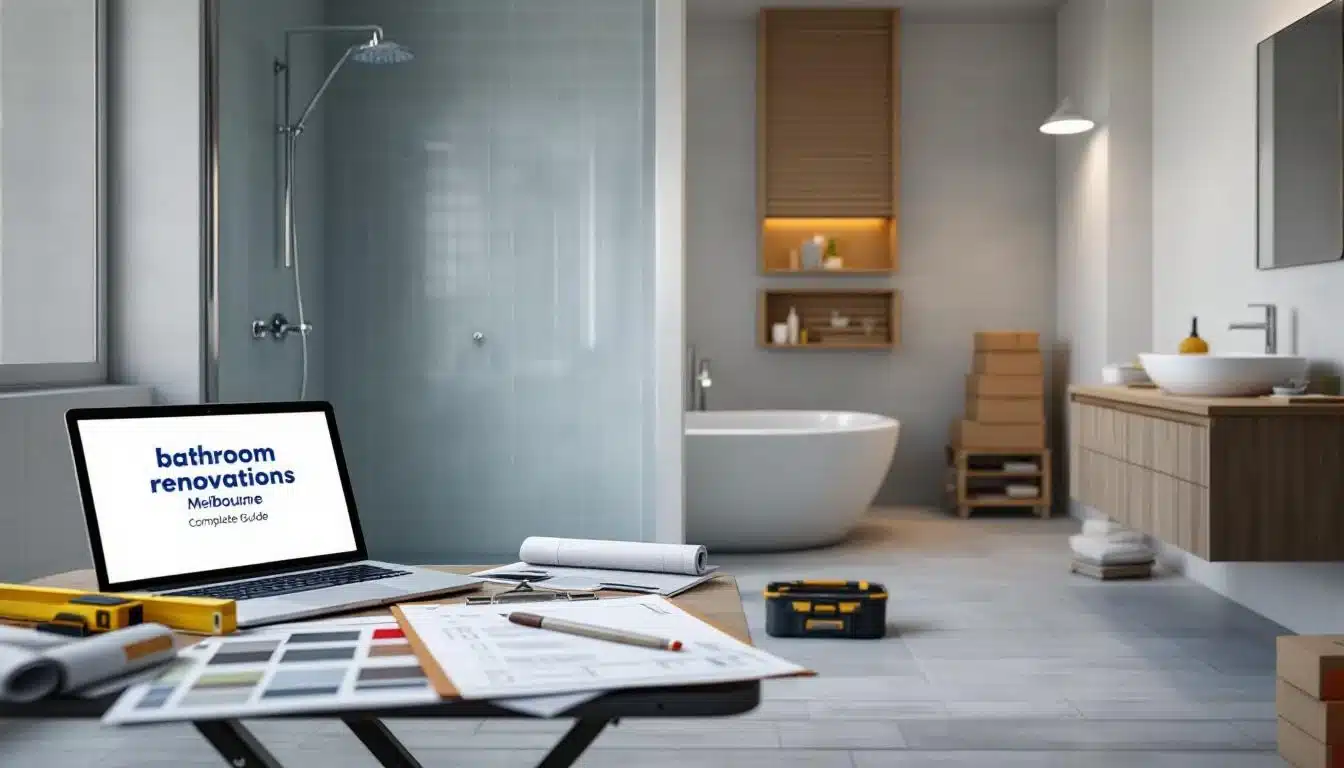
Bathroom Renovations Melbourne: Complete Guide
Bathroom renovations in Melbourne require careful planning, the right contractor, and a clear understanding of local regulations. At Cameron Construction, we’ve guided hundreds of homeowners through this process and know what separates successful projects from costly mistakes.
This guide walks you through every stage-from assessing your space and setting a budget to managing construction and inspecting the finished result.
Planning Your Bathroom Renovation
The first step toward a successful bathroom renovation is honest assessment of what you have and what you actually need. Many Melbourne homeowners overestimate their space requirements or underestimate the complexity of their current layout, which leads to budget blowouts and extended timelines. Walk through your bathroom at different times of day and note where natural light enters, where moisture collects, and which fixtures cause frustration. If your home was built before 1990, check for asbestos before any work begins by consulting asbestos.vic.gov.au, as licensed removal adds cost and complexity. Measure your space precisely in millimetres-not estimates-and photograph existing plumbing, electrical, and ventilation routes. This foundation work takes a few hours but prevents thousands in unexpected costs later.
Setting a Realistic Budget
Your budget must account for three distinct cost categories: construction, permits and insurance, and contingency. For bathroom renovations exceeding $10,000 in Victoria, you’ll need a written major domestic building contract and a builder registered with the Building and Plumbing Commission. If your project exceeds $16,000, the builder must hold a current certificate of domestic building insurance before taking any deposit. The Home Building Compensation Fund covers this insurance-use the HBCF premium calculator to estimate costs, which typically range from several hundred to over a thousand dollars depending on project scope. Collect at least three written quotes from registered builders and specify every fixture, fitting, and material in your contract rather than accepting prime cost items or provisional sums that blow budgets.
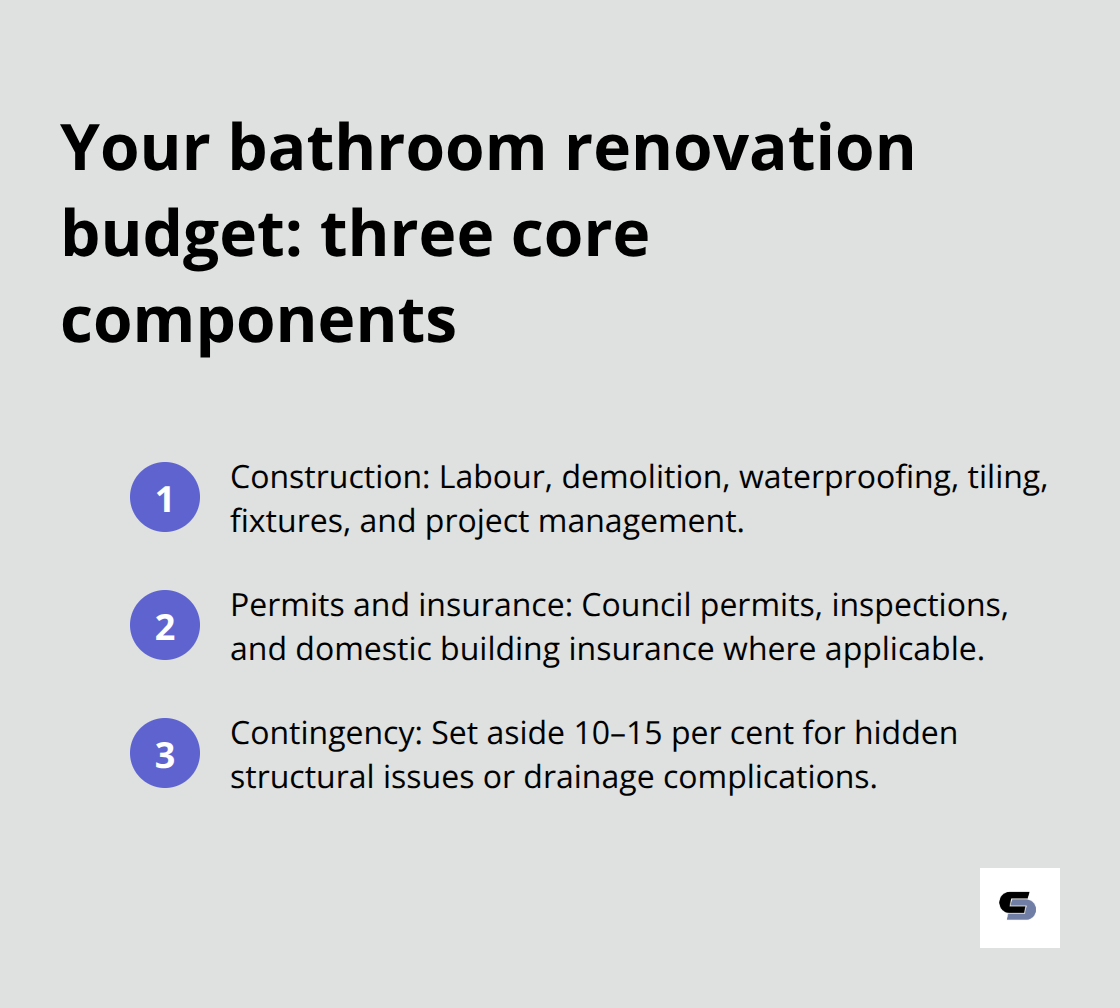
Lifecycle costing reveals true affordability: a solar hot water system costs more upfront but delivers payback within ten years at current energy prices, while water-efficient fixtures meeting the Water Efficiency Labelling and Standards Scheme reduce annual water and heating costs by meaningful amounts. Try setting aside 10 to 15 per cent of your total budget as contingency for unforeseen issues like hidden structural damage or drainage complications.
Understanding Council Permits and Compliance
Most bathroom renovations in Melbourne require either a planning permit or building permit if they involve structural changes, new plumbing work, or changes to wet areas. Your local council determines which applies, so contact them before committing to a design. Structural work, new windows, or changes to external walls require a building permit and inspections at foundation, frame, lock-up, and fixing stages. Plumbing work must comply with AS/NZS 3500 drainage standards and the Plumbing Code of Australia within the National Construction Code 2022, and your licensed plumber must provide a compliance certificate on completion. Waterproofing of wet areas follows approved guidelines to prevent leaks and failures, and this work is inspected. If you choose to act as an owner-builder, you must complete necessary training and meet eligibility requirements, but do not sign a building permit at your builder’s request-this creates liability and cost exposure. Have a lawyer review your building contract before signing, as cooling-off period rules apply and design work affects your rights to reuse plans with another builder.
Verifying Your Builder’s Credentials
Your builder’s registration number, business history, and disciplinary record are publicly verifiable through the Building and Plumbing Commission, so verify these details before engagement. Always require a current certificate of public liability insurance from your builder, and confirm that all subcontractors (plumbers, gasfitters, drainers) hold current licences. Electricians must be licensed with Energy Safe Victoria, and asbestos removals must be licensed by WorkSafe Victoria. These checks take time but protect you from unlicensed practitioners and uninsured work. Once you’ve selected a builder and agreed on scope, the real work of managing timelines and quality begins.
Design Choices That Actually Work in Melbourne Bathrooms
Melbourne bathrooms face genuine constraints: period homes have cramped layouts, newer apartments demand efficiency, and humid summers accelerate moisture damage if ventilation fails. Poor design choices cost homeowners thousands in repairs within five years. The difference between a bathroom that functions well and one that deteriorates comes down to three decisions made during planning: how you arrange fixtures to maximise usable space, which materials survive Melbourne’s moisture and temperature swings, and whether your lighting and ventilation actually work year-round.
Space Efficiency and Fixture Selection
Space efficiency starts with honest measurement and fixture placement. A standard bathroom footprint of 2.5 by 3 metres is common in Melbourne homes, yet most layouts waste 30 to 40 per cent of this area through poor circulation or oversized fixtures. Wall-mounted vanities free floor space compared to pedestal sinks, and corner showers with frameless screens occupy less visual footprint than traditional enclosures. The key insight is that smaller doesn’t mean cramped if plumbing and electrical runs are planned before construction.
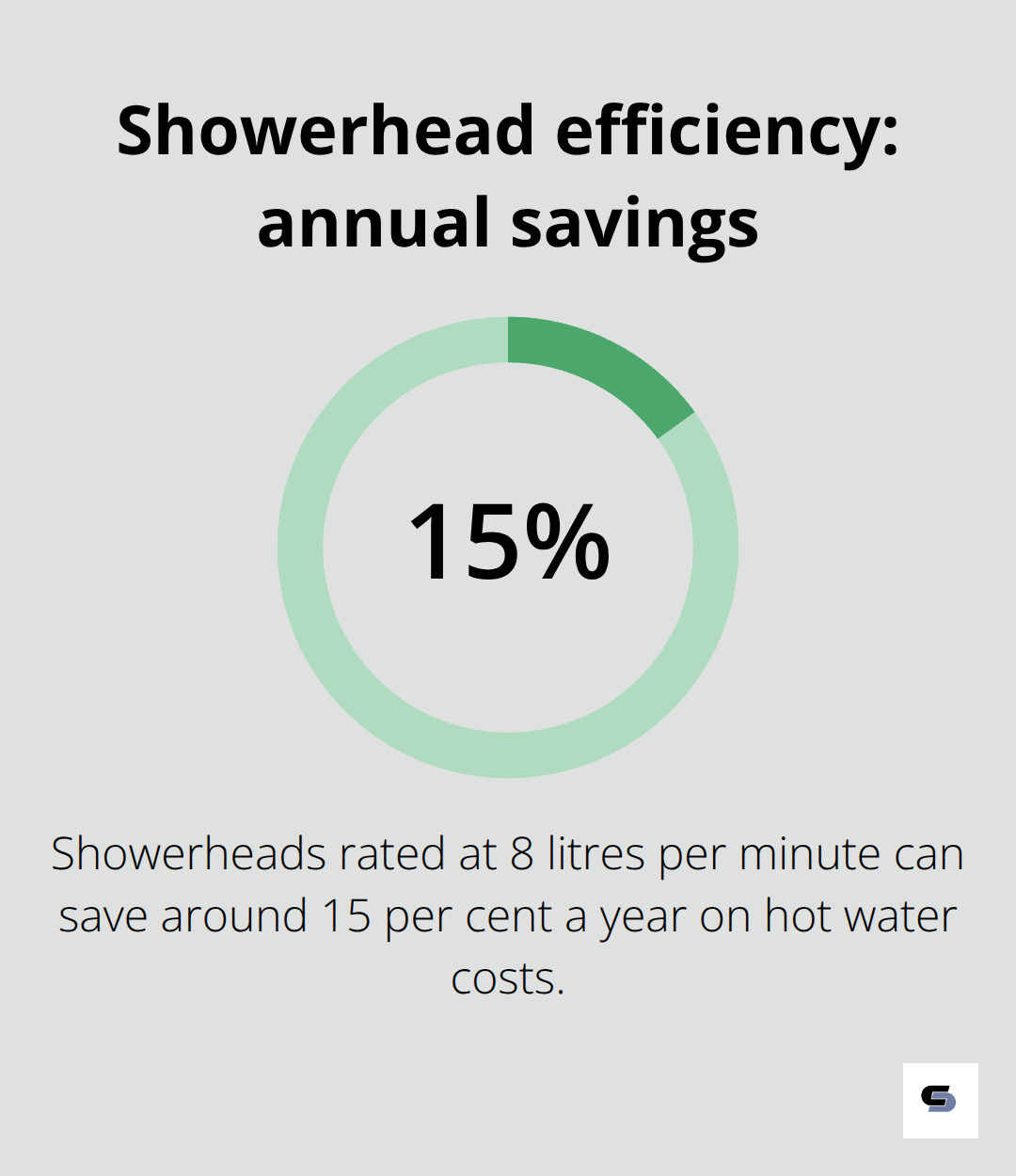
A 1.2-metre vanity with storage underneath serves most households better than a sprawling 1.8-metre counter that forces you to step around it. Dual-flush toilets meeting WELS standards use 4.5 litres for full flush and 3 litres for half flush, cutting water costs without sacrificing performance. Showerheads rated at 8 litres per minute reduce both water and heating energy compared to standard 10 to 12 litre models, saving around 15 per cent annually on hot water costs.
Materials That Withstand Melbourne’s Climate
Material selection determines whether your bathroom looks fresh in ten years or shows wear in three. Porcelain tiles outperform ceramic in wet areas because they absorb less than 0.5 per cent moisture, while ceramic absorbs up to 3 per cent and degrades faster in Melbourne’s humid climate. Epoxy grout resists mould and staining far better than cement, though epoxy costs 30 to 40 per cent more upfront.
Natural stone like marble looks premium but stains easily and requires regular sealing every 12 months; engineered stone or large-format porcelain tiles deliver similar aesthetics with zero maintenance. These choices protect your investment and reduce the maintenance burden over time.
Ventilation and Moisture Control
Ventilation prevents the moisture damage that ruins bathrooms faster than any other factor. Exhaust fans should aim for 5 or more air changes per hour, which means a 2.5 by 3 metre bathroom needs appropriate extraction running for 20 minutes after showers. Continuous low-speed extraction running during and two hours after use prevents condensation build-up that leads to mould on walls and ceilings.
Heat recovery ventilation systems capture warmth from extracted air and preheat incoming fresh air, reducing energy loss in winter. A window or skylight reduces moisture and energy use, so if your renovation includes structural work, consider adding a roof light even if it requires additional waterproofing.
Lighting and Accessibility
Lighting should include task lighting at the vanity (minimum 500 lux) and softer ambient lighting elsewhere to avoid harsh shadows and glare. LED downlights rated 4000K colour temperature mimic natural daylight better than warmer 2700K tones and help you see true colours when applying make-up or shaving.
Accessibility matters regardless of age because slippery tiles and poor lighting create hazards for anyone. Grab rails installed into wall framing (not surface-mounted) support up to 200 kilograms and prevent falls that hospitalise thousands of Australians annually. Non-slip flooring with a coefficient of friction above 0.6 reduces slip risk significantly compared to polished tiles below 0.4. Accessible design means wider door openings (at least 800 millimetres), clear floor space in front of the toilet and vanity, and lever-style taps that require less grip strength than traditional knobs.
These design decisions shape how your bathroom performs for years to come, and they directly influence the construction phase that follows.
Execution and Control During Construction
Construction timelines in Melbourne bathroom renovations typically run 4 to 8 weeks depending on scope, but this assumes no hidden structural issues, asbestos removal, or permit delays. Fixed completion dates written into contracts prevent budget creep and tenant disruption. Your contract should specify payment schedules tied to construction stages: base and rough-in, lock-up and waterproofing, fixture installation, and final inspection.
Never pay the full amount upfront, and never pay for a stage until you inspect it and confirm the work meets standards.
Managing Inspections and Permits
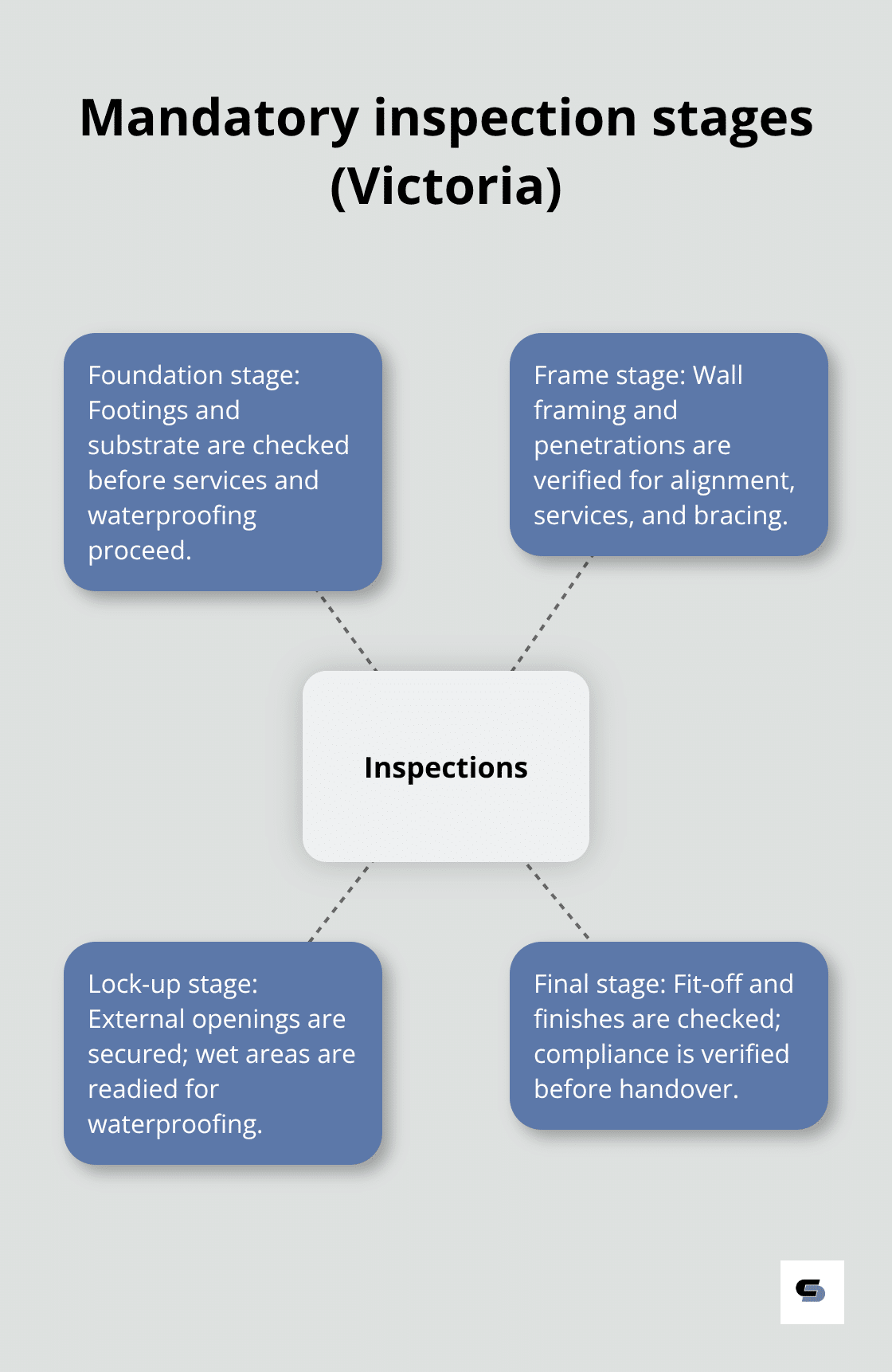
If your project involves structural changes, building inspections occur at foundation stage, frame stage, lock-up stage, and final stage-these inspections are mandatory under Victorian Building Authority rules and add 1 to 2 weeks to the timeline. Permit delays from your local council can extend timelines by 2 to 4 weeks, so submit applications the moment your builder confirms drawings and specifications. Your builder should provide a site induction, establish a communication protocol (weekly site meetings or email updates), and maintain a site diary documenting progress, inspections passed, and any variations to scope.
Site Safety and Disruption Management
During construction, disruptions are inevitable: water shutoffs, electrical isolations, and dust containment mean you lose access to the bathroom for weeks. Negotiate access to a second toilet or arrange alternative facilities with your builder before work starts-this costs far less than relocating temporarily. Site safety compliance under WorkSafe Victoria rules requires proper scaffolding, fall protection, and electrical safety. Poor contractors cut corners here and expose you to liability if someone is injured.
Waterproofing and Quality Control
Waterproofing inspection is non-negotiable: a licensed waterproofer must inspect shower bases, wet areas, and all penetrations before tiling begins, and this inspection must be documented. If waterproofing fails after handover, you face structural damage that costs tens of thousands to repair. Quality control during construction means checking materials as they arrive, verifying tile grout colour and consistency, confirming fixture brands match your specifications, and photographing completed stages before moving forward.
Final Inspection and Compliance Documentation
Final handover occurs only after a Certificate of Final Inspection or Occupancy Permit is issued by your building surveyor-do not occupy or use the bathroom until this document is in your hands. Your builder must provide all compliance certificates including plumbing compliance, electrical compliance, and waterproofing sign-off. Retain copies of these documents permanently because they protect your property value and support future sales or insurance claims. If defects emerge within the defects liability period (typically 12 months), your builder is responsible for rectification at no cost-document any issues in writing and allow reasonable time for repairs before escalating to dispute resolution.
Final Thoughts
A successful bathroom renovation in Melbourne rests on three pillars: thorough planning before design begins, material choices that withstand Melbourne’s climate, and a builder who executes with rigour and transparency. Projects fail when homeowners skip planning, accept vague quotes with provisional sums, or hire unregistered builders. Projects succeed when every decision is documented, every specification is locked into the contract, and inspections happen at every stage.
Your bathroom renovation affects daily comfort, property value, and long-term running costs in ways that extend far beyond aesthetics. Water-efficient fixtures cut annual water and heating expenses by meaningful amounts, while proper ventilation prevents mould and structural damage that costs tens of thousands to repair. Durable materials like porcelain tiles and epoxy grout protect your investment for decades and compound their value over time.
Professional guidance matters because bathroom renovations involve building codes, permit requirements, waterproofing standards, and compliance documentation that most homeowners encounter once in their lives. Start by measuring your space precisely, photographing existing services, and collecting three written quotes from registered builders-then contact your local council to confirm permit requirements and have a lawyer review your building contract before signing. Cameron Construction specialises in bathroom renovations Melbourne and premium home extensions, and we bring the same rigour to every project we undertake.