Second Storey Extensions Melbourne: Expanding Upstairs With Precision
Second storey extensions Melbourne are transforming how homeowners add space without leaving their suburbs. Inner and middle Melbourne properties often lack the land to expand outward, making upward growth the smart solution.
At Cameron Construction, we’ve guided hundreds of families through this process. The right planning and expertise turn ambitious ideas into reality.
Why Melbourne Homeowners Choose to Build Up
Melbourne’s inner and middle suburbs face a genuine land constraint that makes vertical expansion the only practical option for most homeowners. Properties in suburbs like Fitzroy, Carlton, South Yarra, and Hawthorn average 400 to 600 square metres, leaving minimal room for side or rear extensions at ground level. When you own a narrow Victorian or Edwardian terrace, a small post-war bungalow, or a compact modern townhouse, a second storey addition becomes the logical way to reclaim lost living space without abandoning your suburb or neighbourhood connections. The Melbourne Planning Scheme recognises this reality, which is why planning controls in residential zones typically permit second storey additions on most properties, provided you meet setback and height requirements specific to your area.
The Financial Case for Building Up
A second storey extension adds genuine property value in Melbourne’s competitive market. According to CoreLogic data from 2024, homes with well-designed second storey additions in inner Melbourne suburbs command price premiums compared to identical single-storey counterparts. That premium reflects both the additional floor area and the lifestyle improvement buyers expect. If your property is worth 1.2 million dollars, a thoughtfully executed 40-square-metre upstairs addition could add significant resale value. The payback window is typically three to seven years, depending on market conditions and the quality of the build. Construction costs for a second storey extension in Melbourne currently range from 3,500 to 5,500 dollars per square metre, meaning a 40-square-metre addition costs between 140,000 and 220,000 dollars. That investment recovers quickly when the property sells, and in the meantime, your family enjoys the extra bedrooms, bathrooms, or living areas immediately.
Staying Put in Your Suburb
Relocating from an established Melbourne neighbourhood costs far more than adding a second storey. Stamp duty alone on a property purchase in most inner suburbs exceeds 50,000 to 100,000 dollars for a family home. Agent commissions, legal fees, and moving expenses add another 20,000 to 30,000 dollars. Beyond the financial drain, uprooting means losing your schools, your local networks, your familiar streets, and the community you’ve built over years. A second storey extension keeps you anchored while delivering the space your growing family needs. Whether you need a fourth bedroom for a child, a home office, or a guest suite, building upward solves the problem without the disruption and expense of relocation.
What Comes Next
The decision to build up is clear, but the path forward requires careful planning. Understanding how the second storey extension process actually works-from initial design through council approvals to final construction-separates successful projects from costly mistakes.
How to Move From Design to Construction
Site Assessment and Schematic Design
A second storey extension requires you to move through three distinct phases, each with specific deliverables and decision points that directly affect your final outcome. The design phase begins with a site assessment and preliminary concept sketches, typically completed within two to four weeks. Your designer needs to understand soil conditions, existing structural capacity, site orientation, and your specific needs. Many homeowners make their first mistake here: rushing through design to save money. A thorough design consultation costs between 2,500 and 5,000 dollars but prevents costly changes later.
During this phase, your designer produces a schematic design showing floor layouts, elevations, and preliminary structural notes. You’ll also need a soil report if your extension involves new footings or significant load changes. The National Construction Code 2019 specifies footing requirements based on your site classification. Without this data, your builder cannot accurately price the work or guarantee structural performance.
Detailed Design and Documentation
Once you approve the schematic design, you move to detailed design and documentation. This stage produces construction drawings, specifications, and engineering calculations required for planning and building permits. It typically takes three to six weeks and costs an additional 4,000 to 8,000 dollars depending on complexity. Your designer and engineer work together to translate the concept into documents that satisfy both council requirements and construction reality.
Planning Permission and Building Permits
Council approvals represent the longest and most uncertain phase of any second storey extension. Melbourne’s Planning Scheme requires planning permission for nearly all residential extensions, with specific controls varying by zone and heritage overlays. The application process takes eight to twelve weeks minimum, though complex sites can stretch to six months. You must submit detailed plans, a planning report addressing relevant clauses, and often a heritage impact statement if your property is in a Heritage Overlay.
The City of Melbourne and surrounding councils publish specific requirements on their websites, and requesting pre-application advice before lodging saves time and reduces refusal risk. Once planning approval is granted, you obtain a building permit from your council or a private building surveyor. The Domestic Building Contracts Act 1995 requires a written major domestic building contract for work exceeding 10,000 dollars, and your builder must hold current Certificate of Domestic Building Insurance for projects over 16,000 dollars.
Construction Timeline and Staged Payments
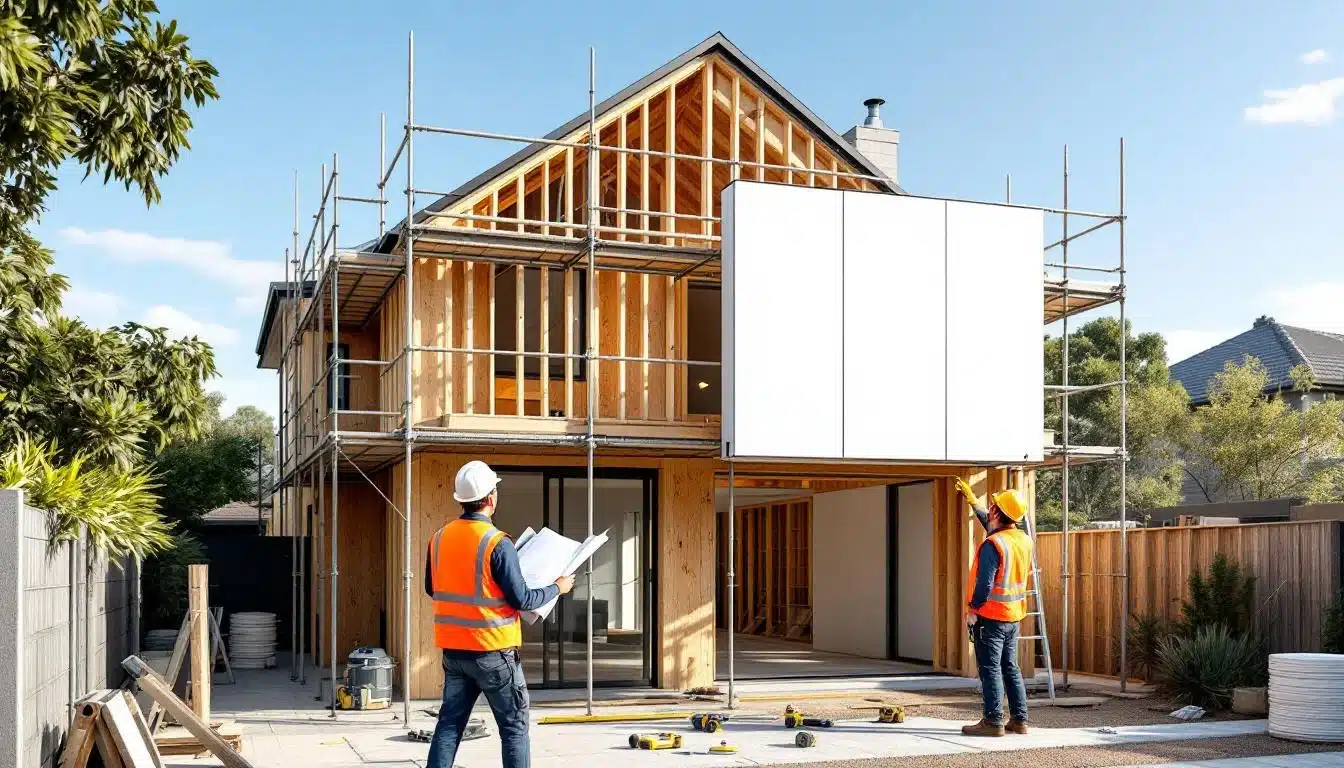
Construction typically begins four to six weeks after permit approval, once your builder confirms site access and material lead times. Most second storey extensions take four to eight months to complete, depending on size and complexity. Your builder provides a detailed project schedule showing each stage: foundation, frame, lock-up, fixing, and final inspection. Payment must align with completed stages under the Building Code, with final payment withheld until the Certificate of Final Inspection is issued by your building surveyor.
The structural requirements for your second storey addition depend entirely on your site classification and existing building capacity. Understanding these technical demands before construction starts determines whether your project stays on budget or faces expensive surprises.
Common Challenges and How to Overcome Them
Structural Capacity and Soil Conditions
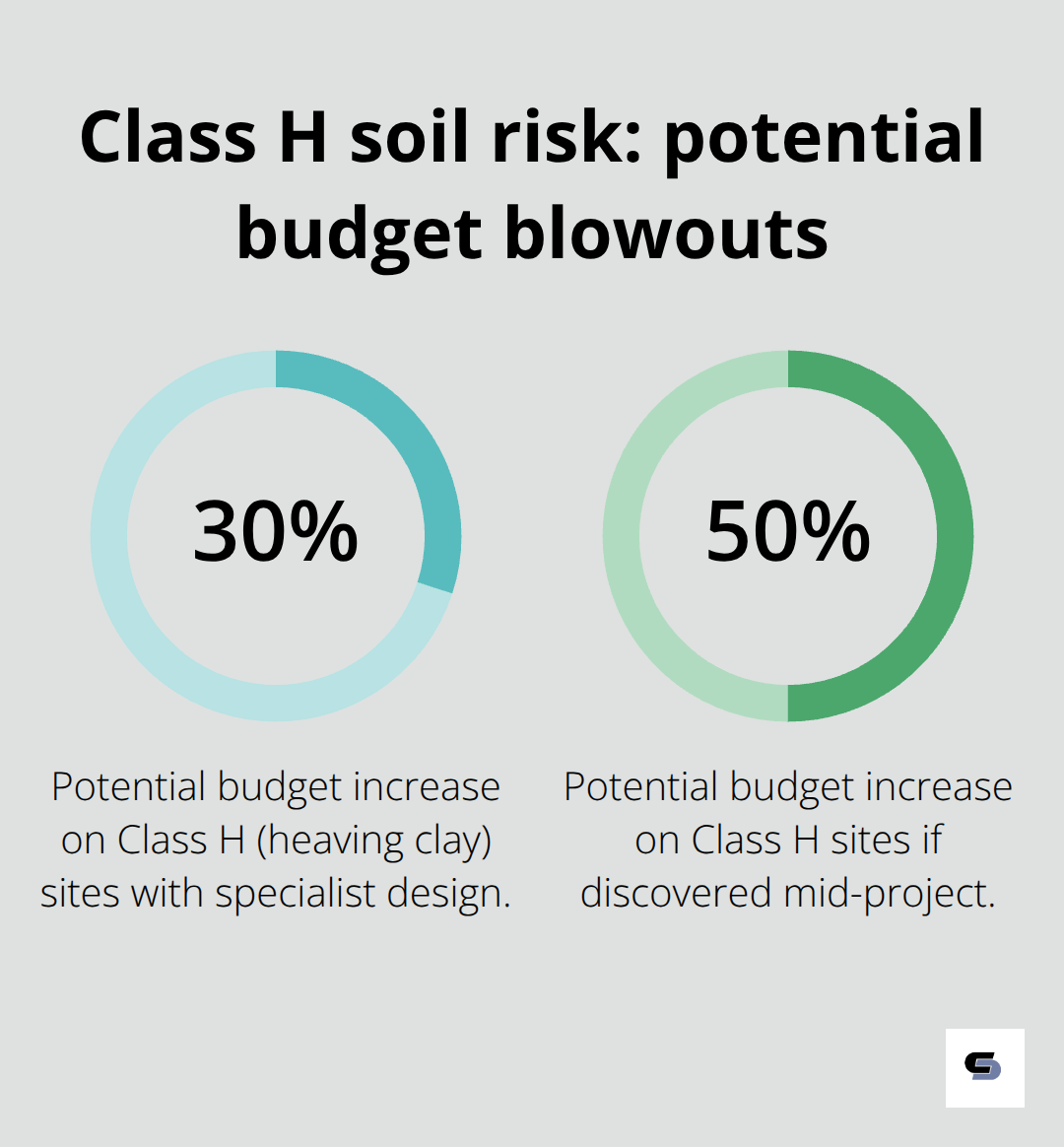
Structural capacity determines whether your extension sits on shallow footings or requires expensive underpinning, and most homeowners discover this far too late. Your existing house was designed for a single storey load, meaning the foundations, walls, and roof frame were sized for that specific weight. Adding a second storey multiplies the downward force significantly. A soil report costs 800 to 1,500 dollars and takes two weeks, but it reveals your site classification under the National Construction Code. Site Class A and S sites (stable sand and rock) need simple pad or strip footings. Class M and M-D sites (clay) demand stiffened raft slabs with reinforcement detailed in NCC tables. Class H sites (heaving clay) require specialist design and can blow budgets by 30 to 50 percent if discovered mid-project.
Your existing structure also needs assessment. If your house sits on timber stumps without adequate bracing or if brick walls show settlement cracks, the engineer may specify reinforced concrete underpinning before the new storey goes up. Projects can jump from an estimated 180,000 dollars to 240,000 dollars because underpinning adds 60,000 dollars in unexpected structural work. The lesson is blunt: obtain your soil report and structural engineer’s assessment during the design phase, not after permits are approved. This costs 3,000 to 4,000 dollars upfront but eliminates the risk of discovering unsuitable soil conditions when your builder has already mobilised on site.
Locking Down Specifications and Budget Control
Budget blowouts happen because homeowners fail to lock down specifications and allowances before construction starts. The Domestic Building Contracts Act 1995 protects you by requiring written major domestic building contracts for work over 10,000 dollars, but the contract itself must be detailed enough to prevent disputes. Prime cost and provisional sum items are the silent killers. If your contract lists the kitchen as a 15,000-dollar prime cost sum, you write a blank cheque because the final cost depends entirely on what you select later.
At least three written quotes from licensed builders, with identical specifications and site conditions, are the only way to compare fairly. Your builder must hold current Certificate of Domestic Building Insurance for projects over 16,000 dollars, and public liability insurance is separate and equally mandatory. Variations to the contract must be in writing, and you should never pay for work the builder should have foreseen based on the original site conditions and permit documentation.
Payment Stages and Financial Protection
Payment stages matter legally and practically. The Building Code requires you to pay only when each stage is complete: base, frame, lock-up, fixing, and final inspection. Withhold final payment until your building surveyor issues the Certificate of Final Inspection. This approach protects your investment and ensures the builder maintains quality standards throughout the project.
Managing Site Disruption and Neighbour Relations
On-site disruption cuts both ways. Construction access, material delivery, and waste removal will impact your daily life for four to eight months. Establish a site management plan with your builder that specifies working hours, parking arrangements, and dust control before day one. Neighbouring properties deserve notice and respect. Many councils require builders to notify adjacent properties in writing before starting work, and Heritage Overlay areas may impose additional conditions on site hours and noise levels.
Your builder should have public liability insurance covering third-party injury or property damage, protecting you from liability if a neighbour’s fence is damaged or a passer-by is injured on your site.
Final Thoughts
A second storey extension in Melbourne solves a real problem: the shortage of land in established suburbs where families want to stay. You’ve now seen the full picture, from the financial case for building up through the technical requirements that determine whether your project stays on budget or faces structural surprises. The common thread running through every successful project is preparation-rushing the design phase, skipping the soil report, or signing a contract with vague specifications creates the conditions for cost blowouts and delays.
Professional expertise matters because second storey extensions involve multiple disciplines working in sequence. Your designer must understand your lifestyle needs and site constraints, your engineer must interpret soil conditions and existing structural capacity, and your builder must coordinate trades, manage the permit timeline, and deliver quality work within the agreed schedule. The projects that run smoothly are the ones where the homeowner understands what’s coming and has chosen specialists who communicate clearly.
Contact a designer or builder with proven experience in second storey extensions Melbourne and request a site assessment. Bring your council planning certificate and any existing building plans, then ask about soil reports, structural assessment, and the timeline from initial design to construction start. Cameron Construction specialises in second storey extensions and premium renovations across Melbourne, handling everything from concept through to completion, including design, permits, and building compliance.