Second Storey Extension Floor Plans: Design Your Dream Space
Second storey extension floor plans transform how Melbourne families live and grow in their homes. The right design maximises space while creating functional, beautiful areas that suit your lifestyle.
We at Cameron Construction understand that every family has unique needs when planning their upper level addition. Smart floor plan choices make the difference between a good extension and an exceptional one.
What Floor Plans Work Best for Second Storey Extensions
Master Suite Extensions That Maximise Value
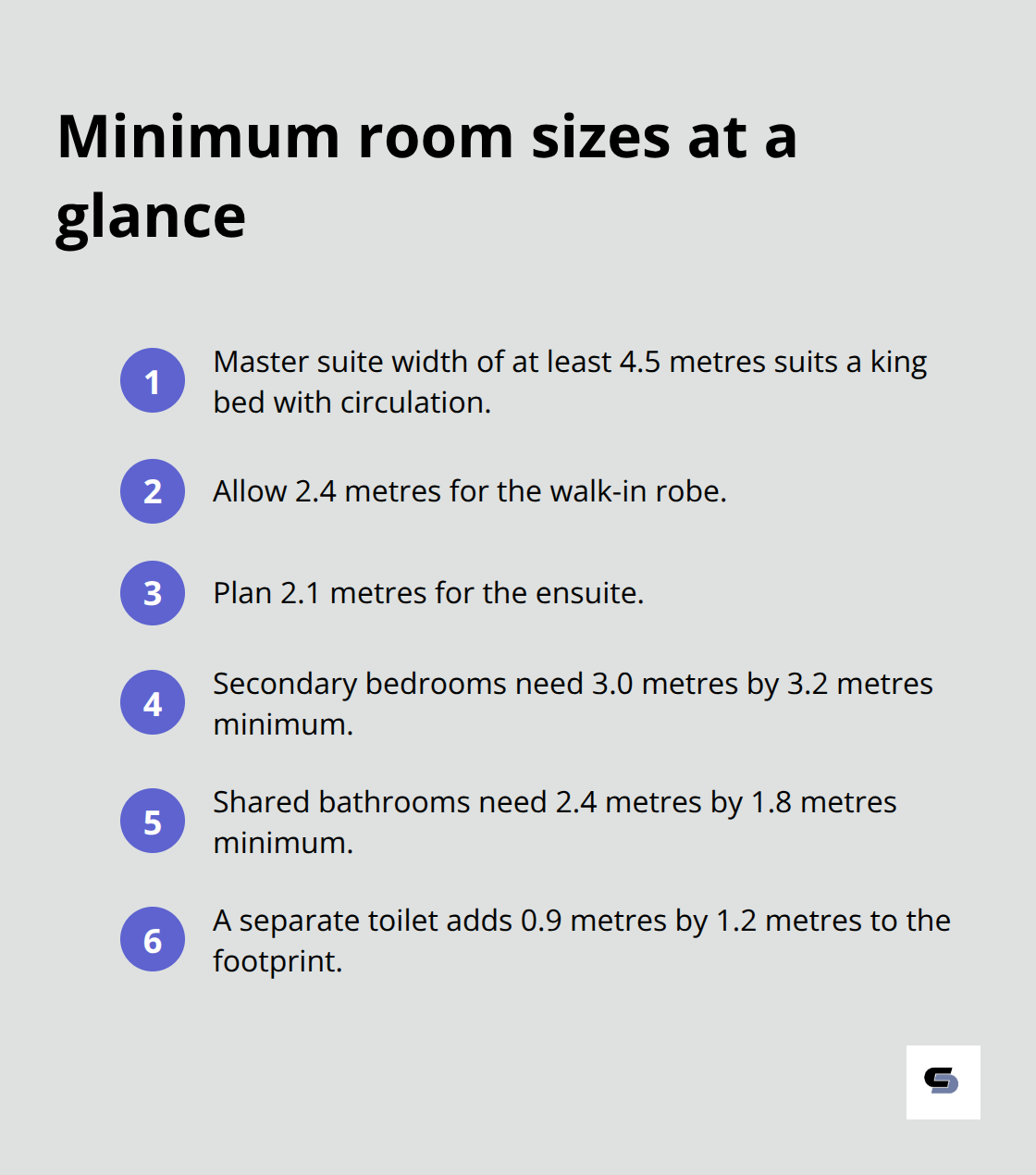
Master suite extensions deliver strong returns for Melbourne homeowners when designed thoughtfully. The optimal layout places the bedroom at the front of the home to capture morning light, while the walk-in robe and ensuite occupy the rear position. This configuration requires a minimum 4.5 metre width to accommodate a king bed with circulation space, plus 2.4 metres for the robe and 2.1 metres for the ensuite. The staircase landing should connect directly to a hallway that separates sleep areas from bathroom zones, which reduces noise transfer between spaces.
Multi-Bedroom Extensions That Actually Work
Family additions need careful bedroom dimensions to avoid cramped spaces that families outgrow quickly. Each secondary bedroom requires minimum 3 metres by 3.2 metres for a double bed and study desk, while the shared bathroom needs 2.4 metres by 1.8 metres minimum. Position bedrooms along the northern wall where possible to maximise natural light, with the bathroom centrally located to serve all rooms efficiently. Smart families choose layouts that include a separate toilet to reduce morning congestion (this adds just 0.9 metres by 1.2 metres to the overall footprint).
Open Plan Upper Level Living Spaces
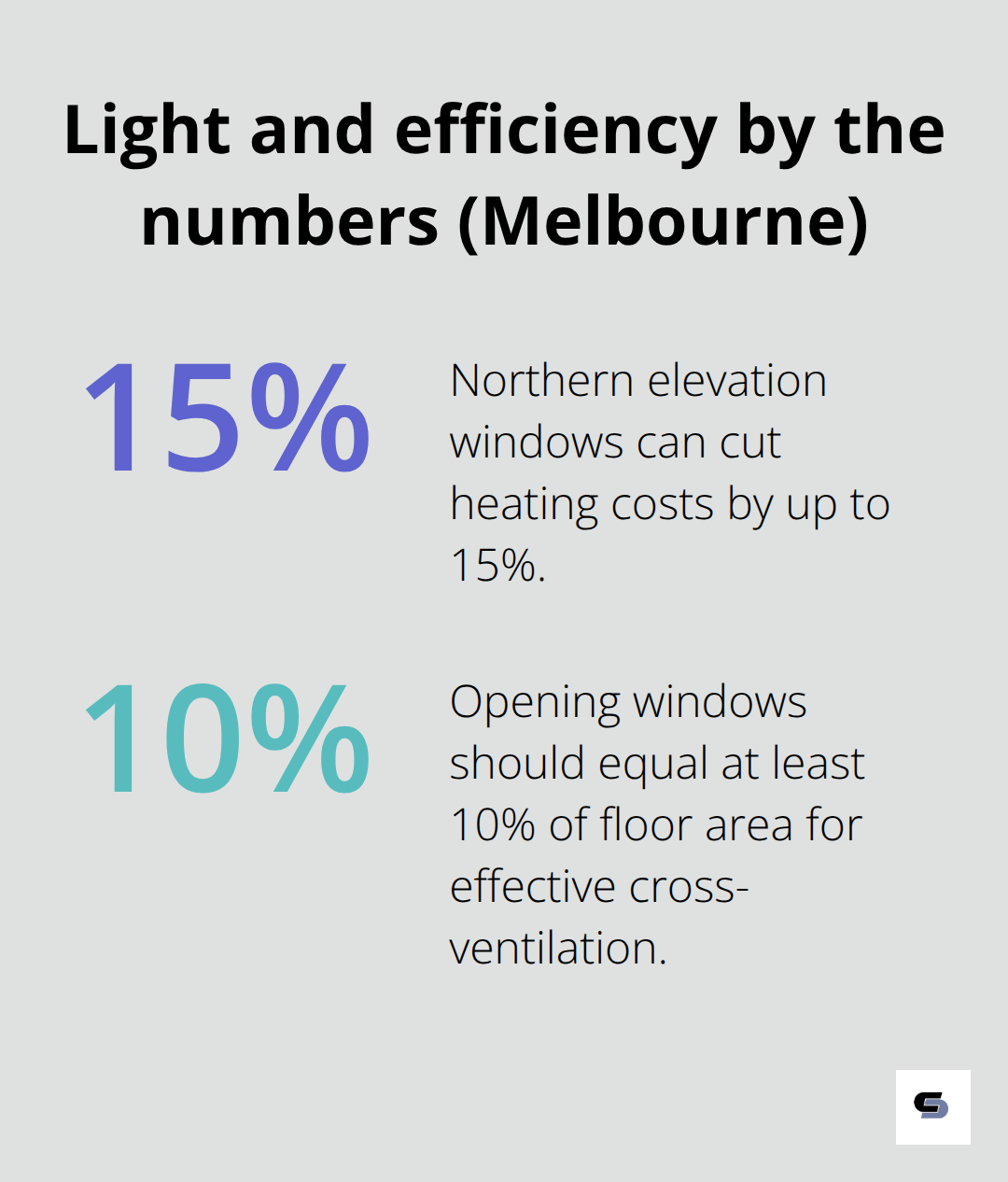
Entertainment-focused extensions work best when the living area spans the full width of the home, typically 6-8 metres, with the kitchen positioned along one wall to preserve sight lines. Floor-to-ceiling windows on the northern elevation flood the space with light while reducing heating costs by up to 15% according to the Australian Institute of Architects. Include a butler’s pantry or scullery behind the main kitchen to hide preparation mess during entertainment (minimum 3.5 metre ceiling height prevents the area from feeling cramped despite the open layout).
These layout choices form the foundation of successful second storey extensions, but structural requirements and building regulations will ultimately determine what’s possible on your specific site.
Key Design Considerations for Second Storey Floor Plans
Foundation and Load Distribution Requirements
Your existing foundation determines whether a second storey addition is viable without expensive underpinning work. Melbourne homes built after 1990 typically have concrete slab foundations rated for single storey loads only. These foundations require steel beam reinforcement or new footings to support upper level weight effectively.
Timber-framed homes need load calculations performed by a structural engineer. Older Oregon frames may require additional posts every 2.4 metres to distribute weight safely across the structure. The critical measurement is your existing wall thickness – standard 90mm framing cannot support upper levels, while 140mm or steel frame construction handles the additional load without compromise.
Natural Light Strategy for Upper Levels
North-facing windows capture maximum winter sun and are recommended by the Building Code for passive heating strategies. Install windows at least 2.1 metres high to flood spaces with light while maintaining privacy from neighbouring properties.
Cross-ventilation requires windows on opposite walls with a minimum 10% of floor area as opening windows. This natural airflow reduces cooling costs during Melbourne’s warmer months (particularly effective in eastern suburbs where afternoon breezes are common). Position stairwells with skylights to eliminate dark transition zones, but avoid west-facing skylights that create uncomfortable afternoon heat build-up.
Staircase Integration That Flows
Straight-run staircases need minimum 3 metres of ground floor space but create the most comfortable ascent with 180mm risers and 280mm treads. L-shaped stairs fit tighter spaces but require intermediate landings every 16 steps maximum per Australian Standards.
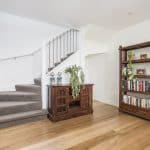
Position the staircase to land directly into a hallway rather than a bedroom to maintain privacy and reduce noise transfer. The stairwell opening needs structural steel beams spanning the gap, typically requiring 200mm universal beams for spans over 3.5 metres (which affects your ceiling height calculations significantly).
These structural and design elements work together to create safe, comfortable upper levels, but smart space planning and storage solutions will determine how functional your new floor plan becomes in daily family life.
How Do You Maximise Function in Second Storey Floor Plans
Built-in Storage That Actually Works
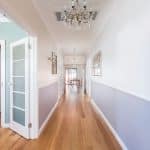
Floor-to-ceiling wardrobes along hallway walls capture dead space that would otherwise remain unused. These built-ins need minimum 600mm depth to accommodate clothes plus shelves, but the investment pays off through storage capacity equivalent to an entire spare room. Install wardrobes with doors that slide rather than swing to save 900mm of circulation space in narrow hallways.
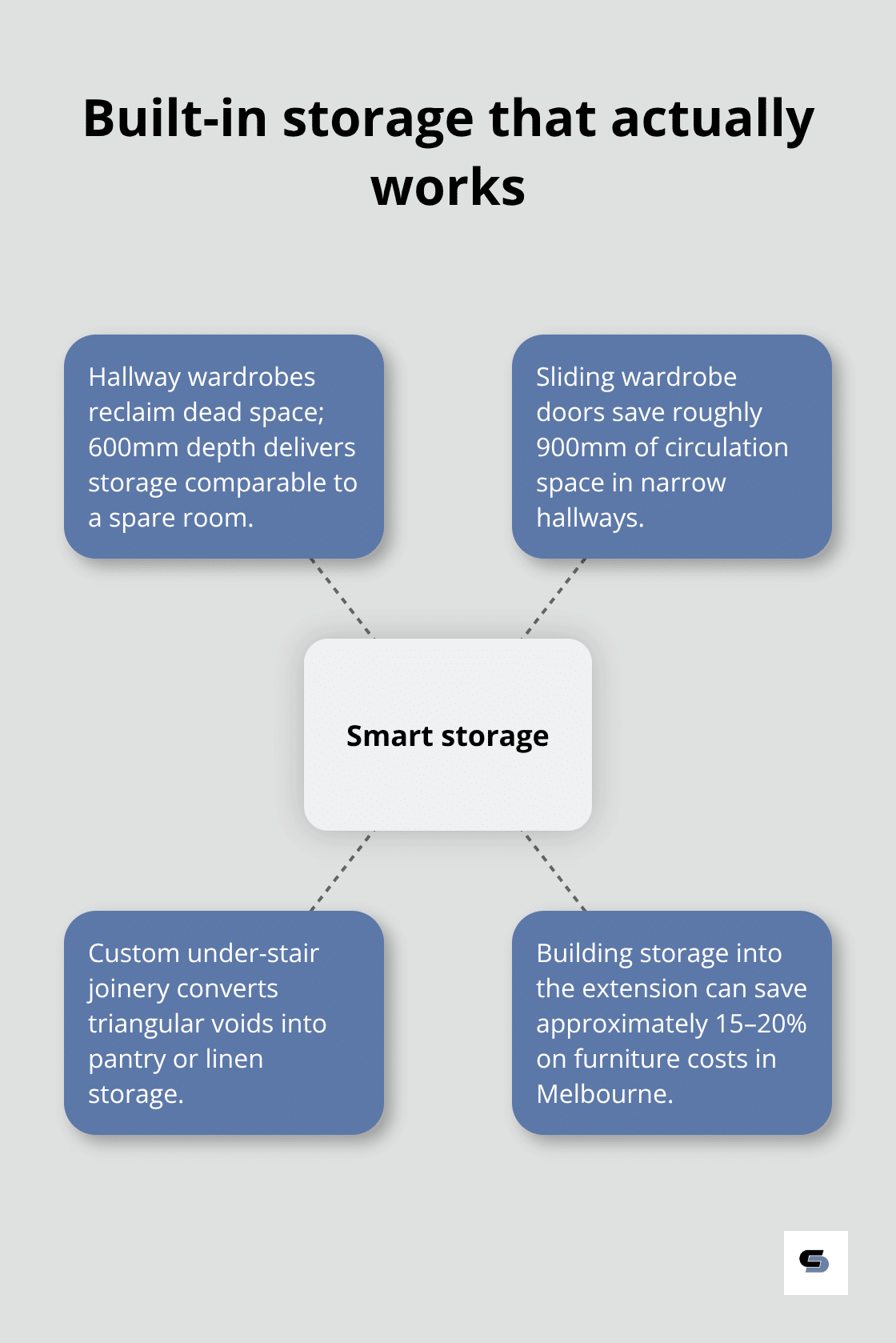
Under-stair storage requires custom joinery but transforms wasted triangular space into practical pantry or linen storage areas. Melbourne families save approximately 15-20% on furniture costs when they build storage into the extension rather than purchase it separately.
Outdoor Integration That Extends Your Space
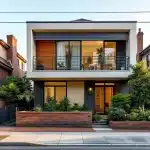
Balconies need minimum 1.5 metre depth to function as genuine outdoor rooms rather than decorative ledges. Position balcony access through your main rooms instead of bedrooms to create seamless indoor-outdoor flow for entertainment and daily use. Covered balconies with 2.4 metre ceiling height feel spacious while they provide weather protection during Melbourne’s unpredictable seasons.
Install full-height doors that slide across 3-4 metres to blur boundaries between interior and exterior spaces. Structural cantilevers allow balconies to extend beyond the lower level footprint, but require evenly distributed loads along bearers with support spacing variations not exceeding 10% difference.
Adaptable Layouts for Future Needs
Design bedrooms with standard door openings that allow wall removal without structural modification. This flexibility enables conversion from three small bedrooms to two larger rooms plus study as families evolve. Install additional electrical circuits during construction to support future home office requirements or elderly parent accommodation (this prevents costly rewiring later).
Position your plumbing stacks centrally to allow bathroom reconfiguration without major replumbing costs. Ceiling heights of 2.7 metres minimum prevent future renovations from feeling cramped when mechanical services get added. Smart families choose floor plans that accommodate both young children and teenage privacy needs through careful door and window placement that adapts over time.
Final Thoughts
Smart second storey extension floor plans require professional expertise to balance structural demands with family needs. Master suites demand 4.5 metre minimum widths, while family bedrooms need 3 by 3.2 metre dimensions for comfortable daily use. North-facing windows and cross-ventilation cut energy costs by 15% while they create healthier indoor environments.
Structural engineers calculate load requirements with precision, while architects integrate staircases, storage, and outdoor spaces effectively. These professionals understand Melbourne’s codes and council requirements that shape your floor plan possibilities. Professional design prevents expensive construction mistakes that amateur plans often create.
We at Cameron Construction work with experienced designers and engineers who handle projects from concept through completion across Melbourne. Our team manages permits, compliance, and delivery from initial design through final handover (with decades of local experience behind every project). Contact us to discuss how your second storey extension can transform your family’s space while it adds lasting value to your Melbourne home.