Second Storey Conversions Melbourne: Reconfiguring Space Without Moving
Melbourne homeowners often assume moving is their only option when they need more space. Second storey conversions offer a smarter alternative that keeps you in your neighbourhood while adding valuable living area.
At Cameron Construction, we’ve helped dozens of families transform underutilised roof and attic space into functional bedrooms, studies, and living areas. This approach costs significantly less than relocating and delivers results faster.
What Makes a Second Storey Conversion Different
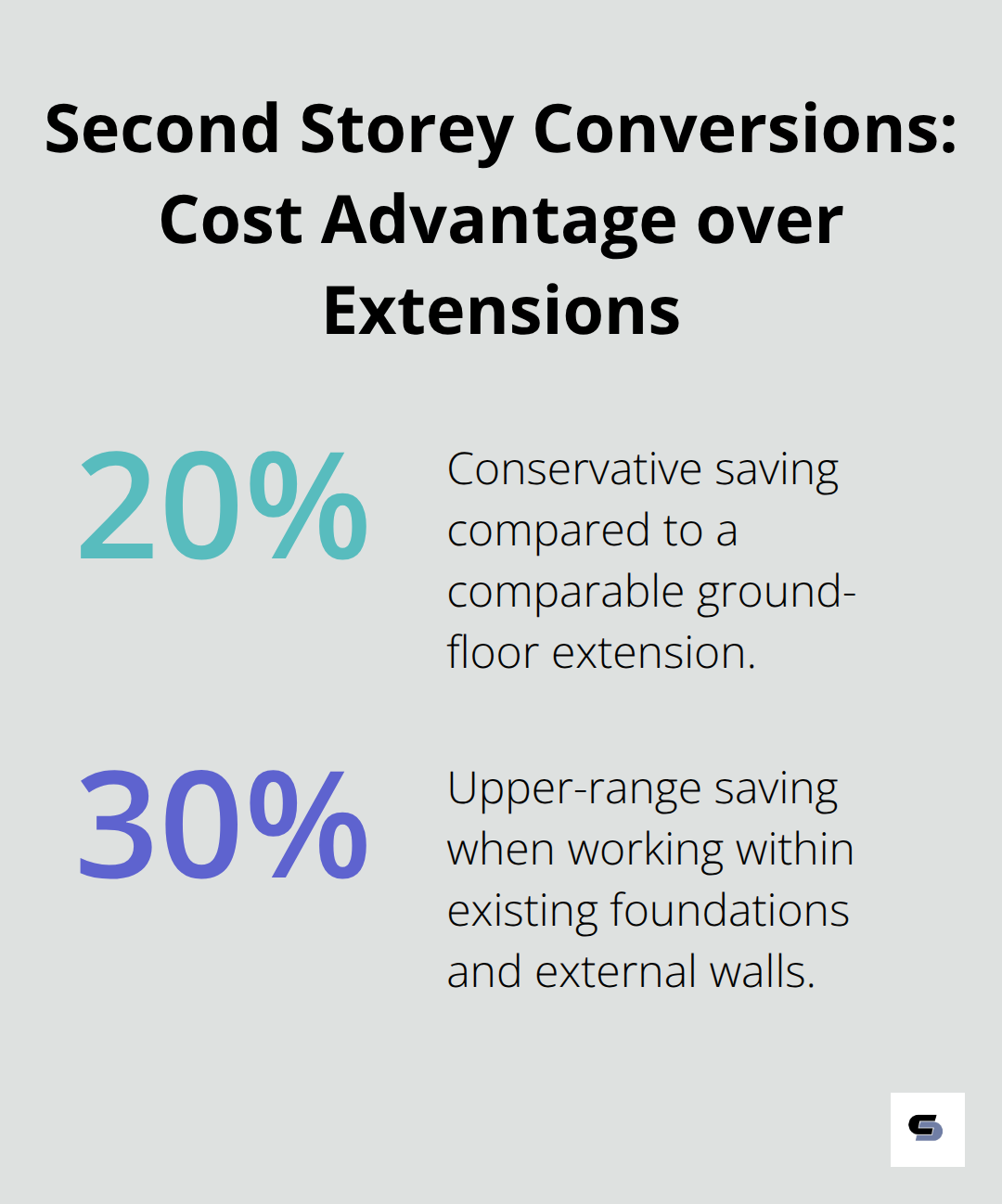
A second storey conversion transforms existing roof or attic space into habitable rooms without adding to your building footprint. The difference from a traditional extension is fundamental: you reconfigure what already exists rather than build outward. Extensions add new floor area to your home’s footprint, requiring additional foundations and structural support for sideways expansion. Conversions work within your existing walls and structure, which means lower construction costs and faster timelines. Conversions typically cost 20–30% less than comparable extensions because you work with established foundations and external walls. The trade-off is that you need sufficient roof height and structural integrity to convert the space safely, which is why a structural engineer’s assessment is non-negotiable before any work begins.
Why Staying Put Makes Financial Sense
Melbourne property prices mean relocating costs far more than homeowners realise. Stamp duty on property purchases in Victoria requires careful calculation based on the purchase price. Add real estate agent fees at 2–2.5% of the sale price, legal costs, and the disruption of moving, and you face $80,000–$150,000 in total transaction costs. A second storey conversion that delivers an extra 40–60 square metres of living space typically costs $250,000–$400,000, depending on finishes and complexity. That investment adds genuine value: alterations and additions to residential buildings reached $3.74 billion nationally in September 2025 according to the Australian Bureau of Statistics, reflecting strong market demand for this type of work. You stay in your established neighbourhood, keep your existing networks, and avoid the stress of moving during what is already a demanding project. Your children do not change schools, your commute stays the same, and you avoid competing in Melbourne’s heated property market to find a replacement home.
The Space and Value Reality
A well-executed second storey conversion adds 30–50% more usable living space to a modest home without expanding your land footprint. On a 200 square metre house, that represents an extra 60–100 square metres of new rooms. The value gain depends on what you build: a master bedroom with ensuite and walk-in wardrobe commands stronger resale appeal than a basic attic conversion. Melbourne council data shows properties with additional bedrooms appreciate faster than those with open-plan renovations alone. The September 2025 ABS figures showed dwelling commencements rose 6.6% to 48,778 units, signalling sustained demand for additional living space. Your conversion must meet current Building Code of Australia standards and Melbourne planning scheme requirements, which means structural reinforcement, proper staircase design, fire safety measures, and compliant electrical and plumbing systems. These are not optional: they separate a legitimate renovation from an unregistered addition that creates future sale complications.
Structural Assessment: Your Essential First Step
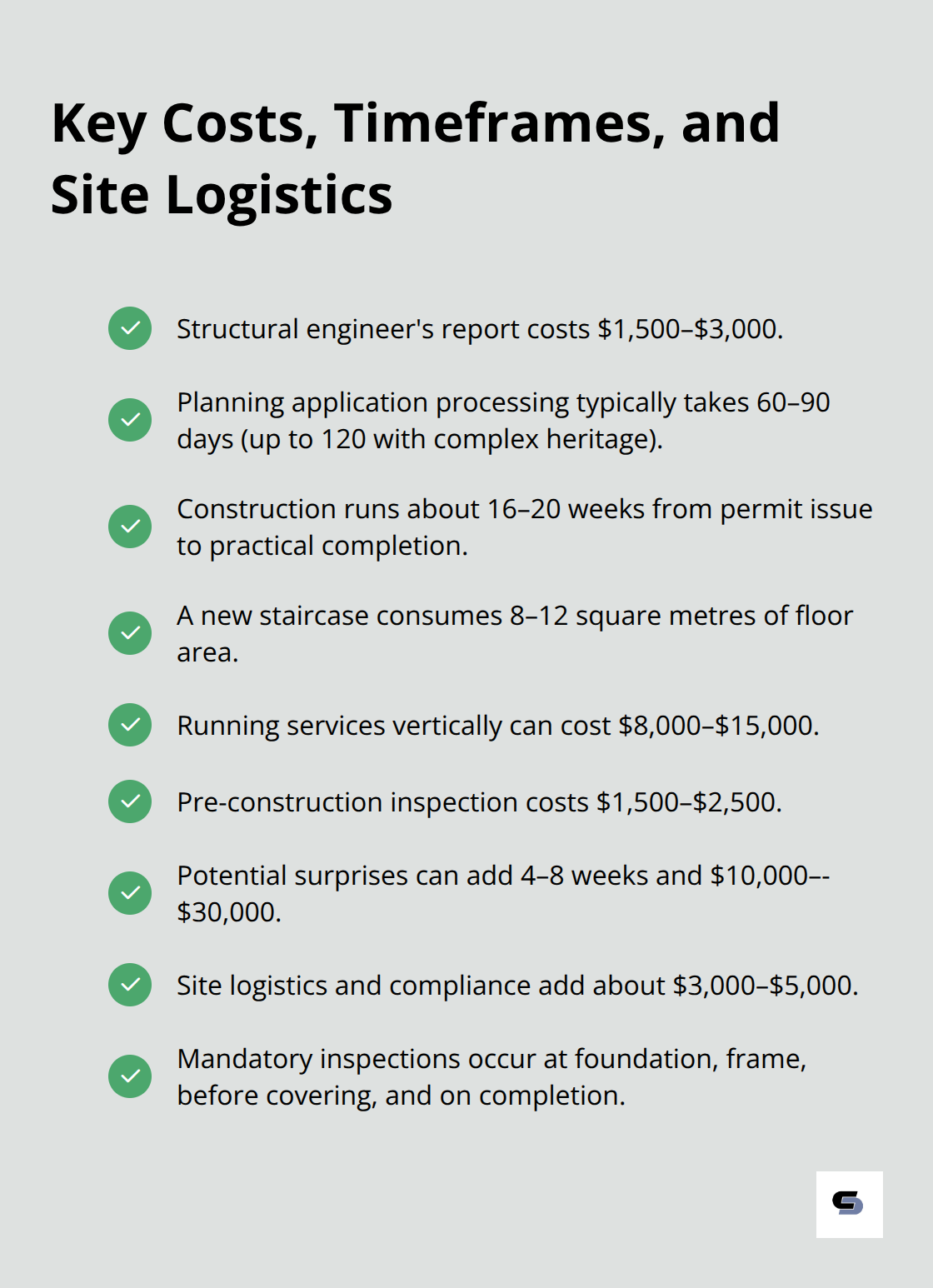
The structural engineer’s report typically costs $1,500–$3,000 and takes 1–2 weeks to complete. This assessment determines whether your roof space is genuinely convertible or whether you need alternative approaches. The engineer evaluates roof pitch, beam capacity, wall strength, and load paths to confirm the structure can support habitable rooms. Without this assessment, you risk discovering mid-project that conversion is not feasible, which wastes time and money. A qualified structural engineer identifies what reinforcement work is necessary and provides the documentation your building surveyor requires to issue a permit. This step is not optional-it is the foundation upon which your entire project rests, and it directly influences your timeline and budget for the conversion work ahead.
Planning and Approval Requirements for Second Storey Conversions
Two Permits, Two Different Purposes
Melbourne’s approval system requires two separate permits, and understanding the difference saves months of delays. A planning permit addresses land use and neighbourhood impact under the Melbourne Planning Scheme, while a building permit certifies structural and safety compliance with the Building Code of Australia. You cannot obtain a building permit until your planning permit is approved, which means the planning stage directly controls your project timeline.
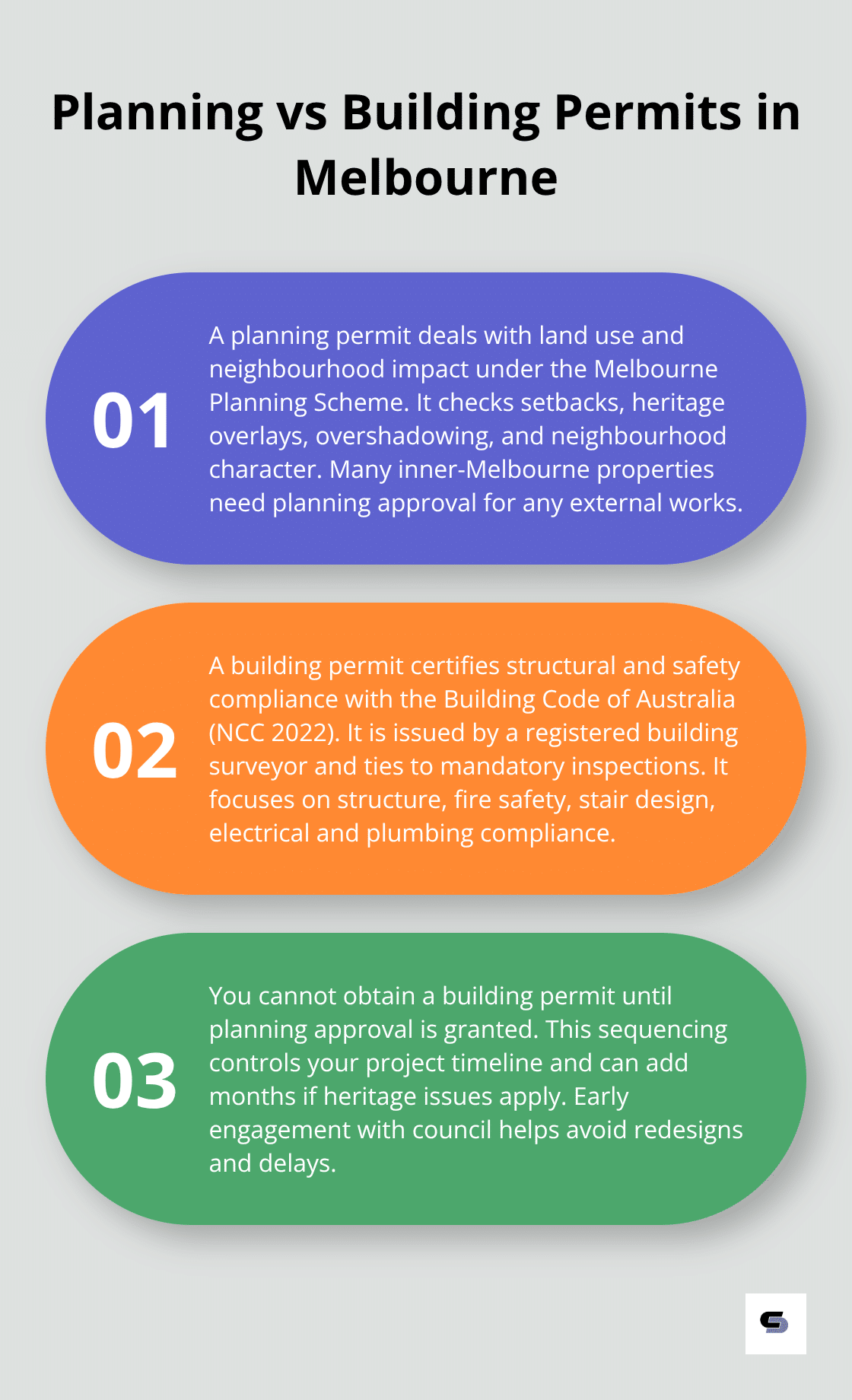
The City of Melbourne planning team assesses whether your conversion respects setbacks, heritage overlays, and neighbourhood character. If your property falls within a heritage overlay-which covers most inner-Melbourne suburbs-a planning permit becomes mandatory for all external works, including painting and fencing.
Checking Your Property’s Planning Controls
VicPlan reveals your property’s zoning and overlays in five minutes by entering your address. Extensions that add floor area, including second storey conversions, almost always require a planning permit in General Residential and Residential Growth zones. A pre-application meeting with your council planner costs nothing and prevents expensive design revisions later. Bring concept plans and photos to this meeting; planners provide written feedback on setback compliance, overshadowing, and design expectations before you lodge a formal application.
The Planning Application Process
The formal planning application includes architectural drawings, a statement addressing the planning scheme, and relevant supporting documents. Your architect or draftsperson prepares these documents, not the council’s planning team, so budget for professional design fees upfront. Processing typically takes 60–90 days, though complex heritage applications can extend to 120 days.
Building Permits and Structural Compliance
Building permits follow planning approval and address structural safety, fire ratings, staircase design, electrical systems, and plumbing compliance. A registered building surveyor issues the permit after reviewing your drawings against the National Construction Code 2022. The building permit levy is based on your estimated construction cost and must be paid before work starts. Mandatory inspections occur at foundation stage, frame stage, before covering, and on completion-you must pass each inspection before proceeding. The surveyor specifies inspection points relevant to your conversion work.
Structural Engineering: The Technical Foundation
Structural engineers are essential because their assessment determines what reinforcement is necessary and provides the technical documentation your building surveyor requires. The engineer’s report typically costs $1,500–$3,000 and identifies beam capacity, load paths, and whether your roof structure can support habitable rooms safely. Without this report, your building surveyor cannot issue a permit. Houses must commence within 12 months of permit issue and finish within 24 months. If delays occur, request a time extension from your surveyor before the deadline; extensions are typically granted, but continuing work without an active permit creates legal exposure. With both permits in place and structural requirements confirmed, your project moves into the design and build phase, where your architect and builder translate approvals into the actual construction work that transforms your roof space into functional living areas.
Design and Build Process for Second Storey Conversions
Structural Reinforcement and Framing
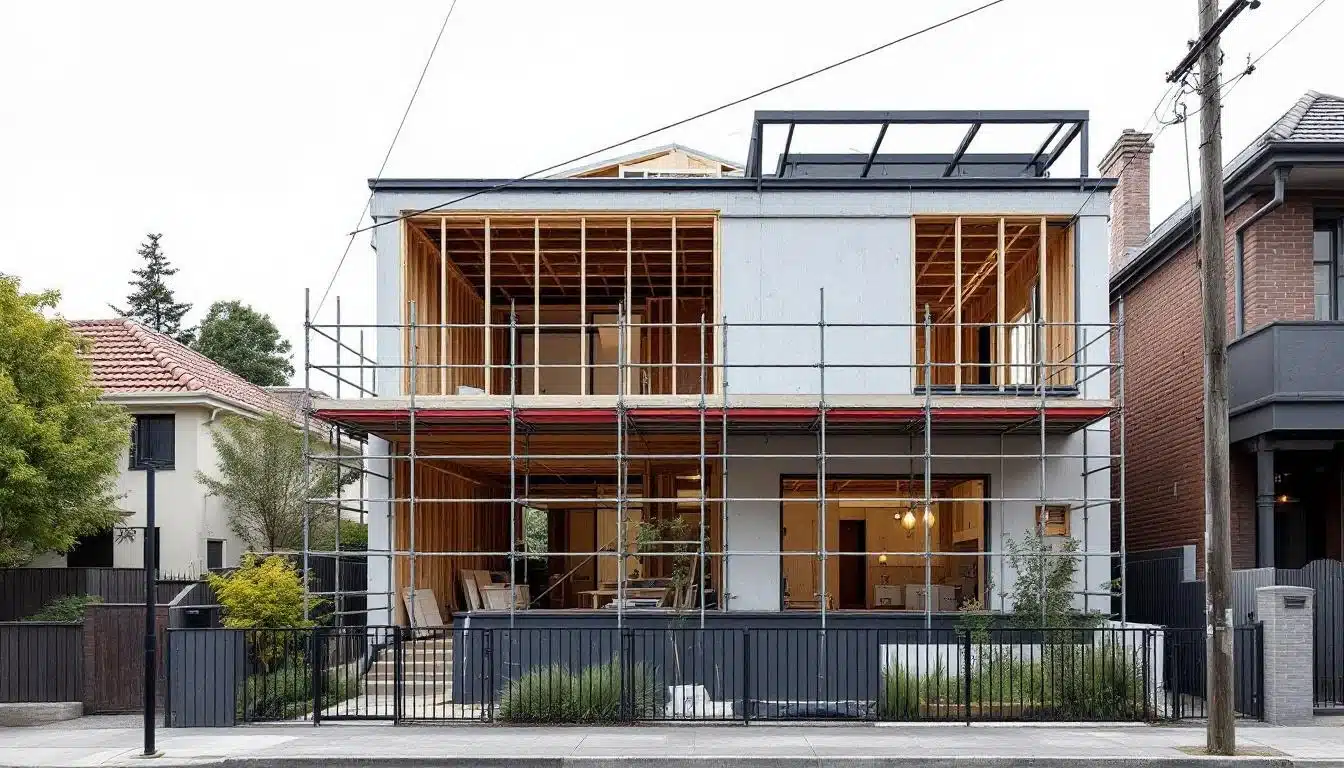
Your building permits are approved, your structural engineer has confirmed the roof can support habitable rooms, and your architect has completed the detailed designs. Now the actual conversion work begins, and this phase demands careful coordination across multiple trades and systems. The conversion process is not sequential-it is overlapping and interdependent, which means delays in one area cascade through the entire timeline. Structural reinforcement is the first physical work: existing roof beams often cannot support the combined weight of flooring, walls, and occupants without strengthening. Steel beams or timber reinforcement, specified by your structural engineer, are installed before any other work proceeds. This phase typically takes 2–3 weeks and must complete before flooring is laid. Your roof space conversion requires more precision than a ground-floor extension because every component must fit within existing constraints. The roof pitch determines staircase design and usable floor area; insufficient pitch means you lose valuable square metres to sloped ceilings. A 6-metre by 8-metre attic with a 35-degree roof pitch typically yields 30–40 square metres of usable space at full standing height, not the full 48 square metres of raw area. Your architect calculates this usable area during design; overselling the conversion’s potential is a common mistake that leads to disappointment on completion.
Staircase Installation and Access
Staircase installation follows immediately after structural reinforcement because access to the new space is essential for all subsequent trades. A new staircase consumes 8–12 square metres of floor area on the ground floor, which is why placement matters strategically. Locating the staircase near an existing hallway minimises disruption to your living spaces and reduces the cost of relocating walls or removing cupboards. Building Code of Australia requirements mandate minimum stair widths of 900 millimetres, tread depths of 250 millimetres, and rise heights of 190 millimetres maximum-your designer handles this, but understanding these constraints explains why your staircase cannot be narrower than specified, regardless of space limitations.
Electrical and Plumbing Systems
Electrical and plumbing systems require careful planning because running cables and pipes through existing framing is more complex than new construction. Your electrician must trace existing circuits, determine capacity, and potentially upgrade your main switchboard if the conversion demands significant additional load. A new bedroom typically requires a minimum of two power outlets, lighting circuits, and potentially dedicated circuits for air conditioning or heating. Plumbing for an ensuite or bathroom in the new space means running waste pipes and water supply lines vertically through walls, which creates structural implications your engineer must approve. The cost of running these services vertically can reach $8,000–$15,000 depending on the complexity and distance from existing risers. Avoiding this cost means locating the new bathroom directly above an existing bathroom or kitchen; this approach minimises pipe runs and reduces both cost and installation difficulty. Rough-in work for electrical and plumbing follows the framing phase and must complete before walls are closed and fire-rated materials are installed.
Fire Safety and Building Code Compliance
Building Code of Australia compliance for fire safety is non-negotiable in second storey conversions: your new rooms must have a fire-rated staircase, compliant smoke alarms on every level, and adequate egress pathways. Fire-rated doors and walls add cost and complexity but are mandatory, not optional. The building surveyor’s mandatory inspections occur at frame stage, before covering, and on completion-each inspection verifies that fire safety measures, structural work, and electrical installations comply with the code. Failing an inspection means rework before you can proceed, which extends timelines by weeks. Pre-construction inspections by your builder identify risks early; this inspection costs $1,500–$2,500 and is worthwhile insurance against timeline surprises. Asbestos discovery in older homes, inadequate roof ventilation, or unexpected rotten timber can extend your timeline by 4–8 weeks and add $10,000–$30,000 to your budget.
Construction Timeline and Site Management
Construction timelines for second storey conversions typically run 16–20 weeks from permit issue to practical completion, depending on structural complexity and whether unforeseen issues arise. Minimising disruption during construction requires clear communication with your builder about noise restrictions, site access, and parking arrangements. Melbourne councils impose construction noise limits: work hours are typically 7 am to 6 pm on weekdays, 9 am to 1 pm on Saturdays, and no work on Sundays or public holidays. Breaching these limits results in fines and stop-work orders. Your builder must arrange skip bins, manage waste removal, and comply with local parking permit requirements if tradies’ vehicles cannot fit on your property. These logistics add $3,000–$5,000 to your project cost but prevent council complaints and neighbourhood friction. The conversion process is linear only in theory; in reality, it is a coordinated sequence where your builder’s experience in managing multiple trades, sequencing inspections, and maintaining momentum directly affects your final cost and timeline.
Final Thoughts
Second storey conversions in Melbourne deliver genuine advantages that justify the planning, permits, and construction effort required. You gain 30–50% more living space without relocating, avoid $80,000–$150,000 in transaction costs, and stay in your established neighbourhood while your property appreciates. The September 2025 ABS data confirmed that alterations and additions reached $3.74 billion nationally, reflecting strong market recognition that conversions add real value to homes.
Starting your conversion project requires three concrete steps: engage a structural engineer to assess whether your roof space is genuinely convertible (this $1,500–$3,000 investment determines your project’s feasibility before you commit further), arrange a pre-application meeting with your council planner to confirm planning permit requirements, and appoint an architect or draftsperson to prepare the detailed drawings your application requires. These early steps take 4–6 weeks but prevent expensive revisions and timeline delays later. Professional builders and designers matter because second storey conversions in Melbourne demand coordination across structural engineering, planning compliance, building code requirements, and multiple trades working within existing constraints.
At Cameron Construction, we understand Melbourne’s planning codes, council requirements, and the technical demands of converting roof space into functional living areas. Contact Cameron Construction to discuss whether a second storey conversion suits your home and budget.