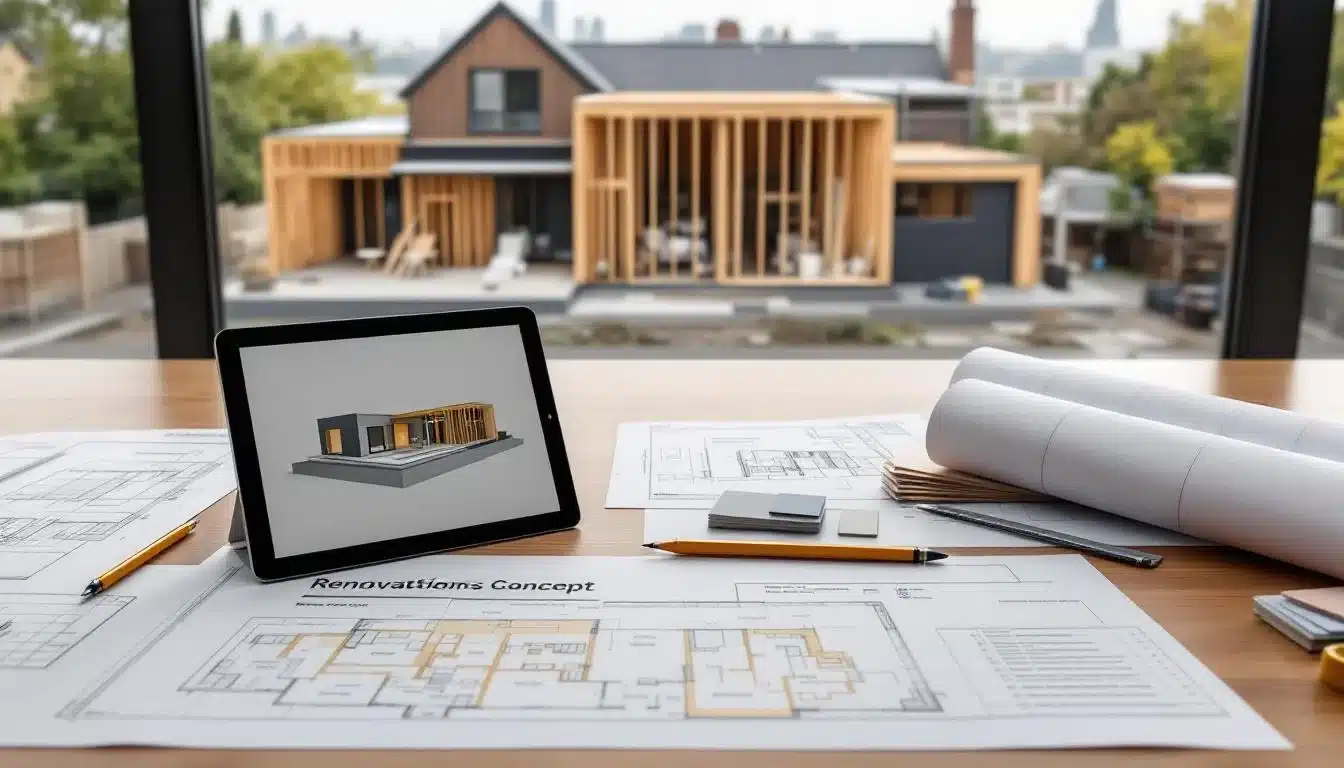
Renovations Concept Melbourne: Turning Ideas Into Cohesive Home Extensions
A renovations concept Melbourne is more than a sketch on paper-it’s the blueprint that transforms your vision into a home that works for how you actually live.
At Cameron Construction, we’ve seen countless homeowners struggle when their extension ideas don’t align with their budget, their block’s constraints, or the practical flow of their home. A cohesive concept prevents costly mistakes and keeps your project on track from day one.
Understanding Your Vision and Goals
Define Your Extension’s Purpose First
The difference between an extension that transforms your home and one that creates frustration starts with clarity about what you actually need. Most Melbourne homeowners arrive with a general idea-more space, better flow, a modern kitchen-but lack the specificity that guides real design decisions. Your extension’s purpose shapes everything from its footprint to its connection with existing rooms, so this conversation must happen first and honestly.
Are you adding bedrooms to accommodate a growing family, or creating a flexible space that works as a home office and guest room? Do you want a seamless connection to your garden, or a defined separation between indoor and outdoor living? These distinctions affect layout, glazing strategy, and how your extension interacts with Melbourne’s climate. Double storey extensions demand different thinking than ground floor additions, particularly around light, structural loads, and visual impact on neighbouring properties. The Victorian Building Authority and Building and Plumbing Commission require clear documentation of intended use as part of permit applications, so defining your extension goals early aligns with regulatory requirements and prevents costly revisions later.
Set Realistic Budget and Timeline Parameters
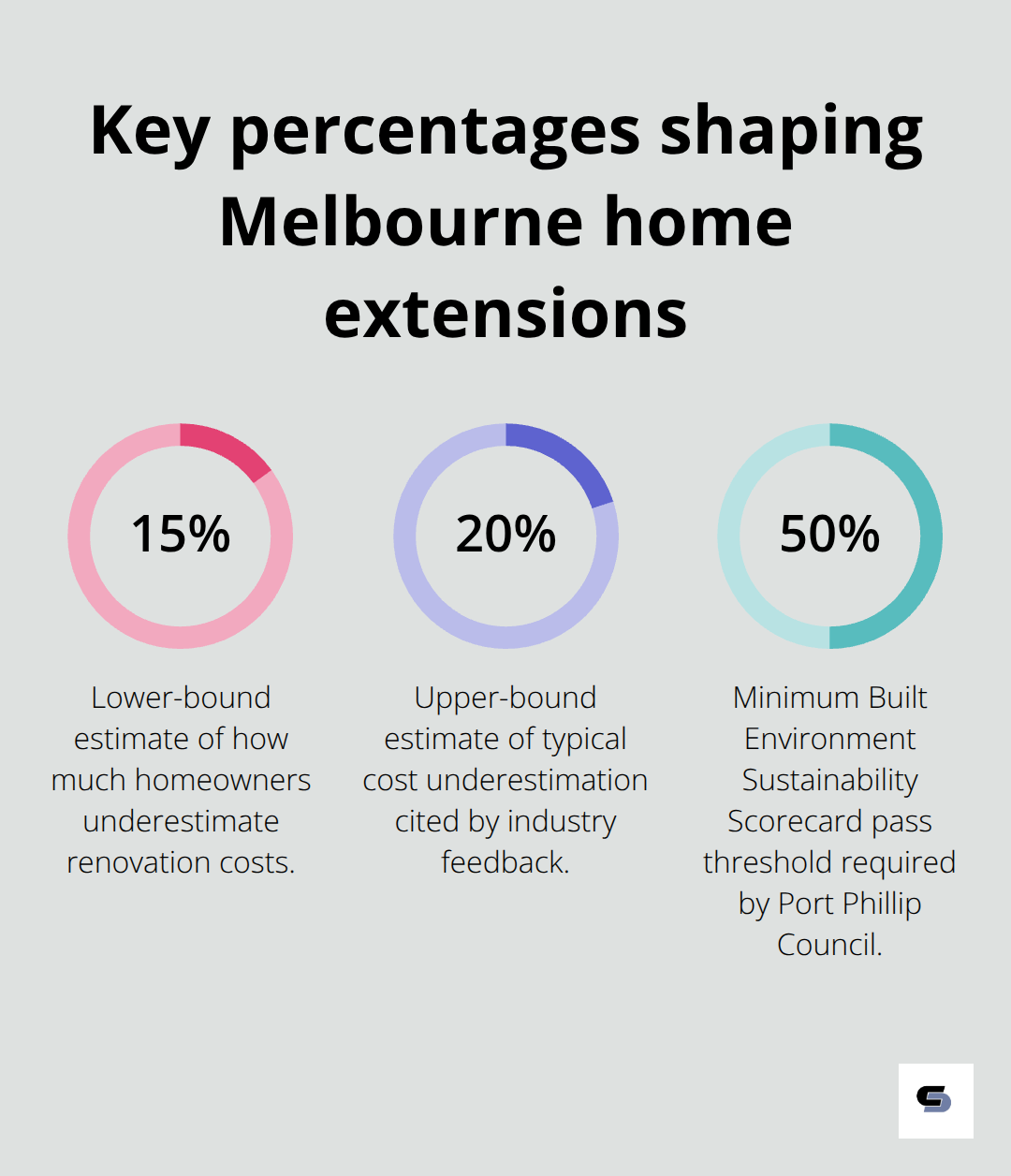
Budget and timeline constraints are not obstacles to design-they’re parameters that shape it. Most homeowners underestimate costs by 15–20% according to industry feedback, particularly when unforeseen structural issues emerge during construction. Your budget must account for permits, which vary significantly across Melbourne councils; the City of Stonnington charges lodgement fees around $138.35 plus permit decision costs starting from approximately $2,000 for carports and $6,200 minimum for dwellings, with additional levies if works exceed $10,000.
Ground floor additions typically cost less per square metre than double storey extensions because they avoid second-storey structural complexity, but this depends entirely on your site. Creating a realistic budget helps you allocate funds strategically and avoid mid-project surprises.
Assess Your Block’s Constraints and Potential
Your block’s constraints-slope, orientation, soil type, easements, heritage status-determine whether your vision is feasible or requires substantial redesign. A soil report costs $1,000–$2,000 but prevents foundation disasters; if your block slopes significantly, retaining walls and stepped foundations add expense and complexity that must be understood upfront.
North-facing glazing maximises winter sun in Melbourne’s climate, but oversizing windows without adequate thermal mass and shading creates summer overheating, which then demands expensive cooling upgrades. Properties in heritage overlays or bushfire-prone areas face additional compliance layers that extend timelines by months. Honest assessment of your block’s potential now prevents discovering halfway through design that your vision conflicts with reality, and it positions you to move forward with confidence into the concept development phase.
How Concept Becomes Reality
Translating Ideas Into Actionable Documents
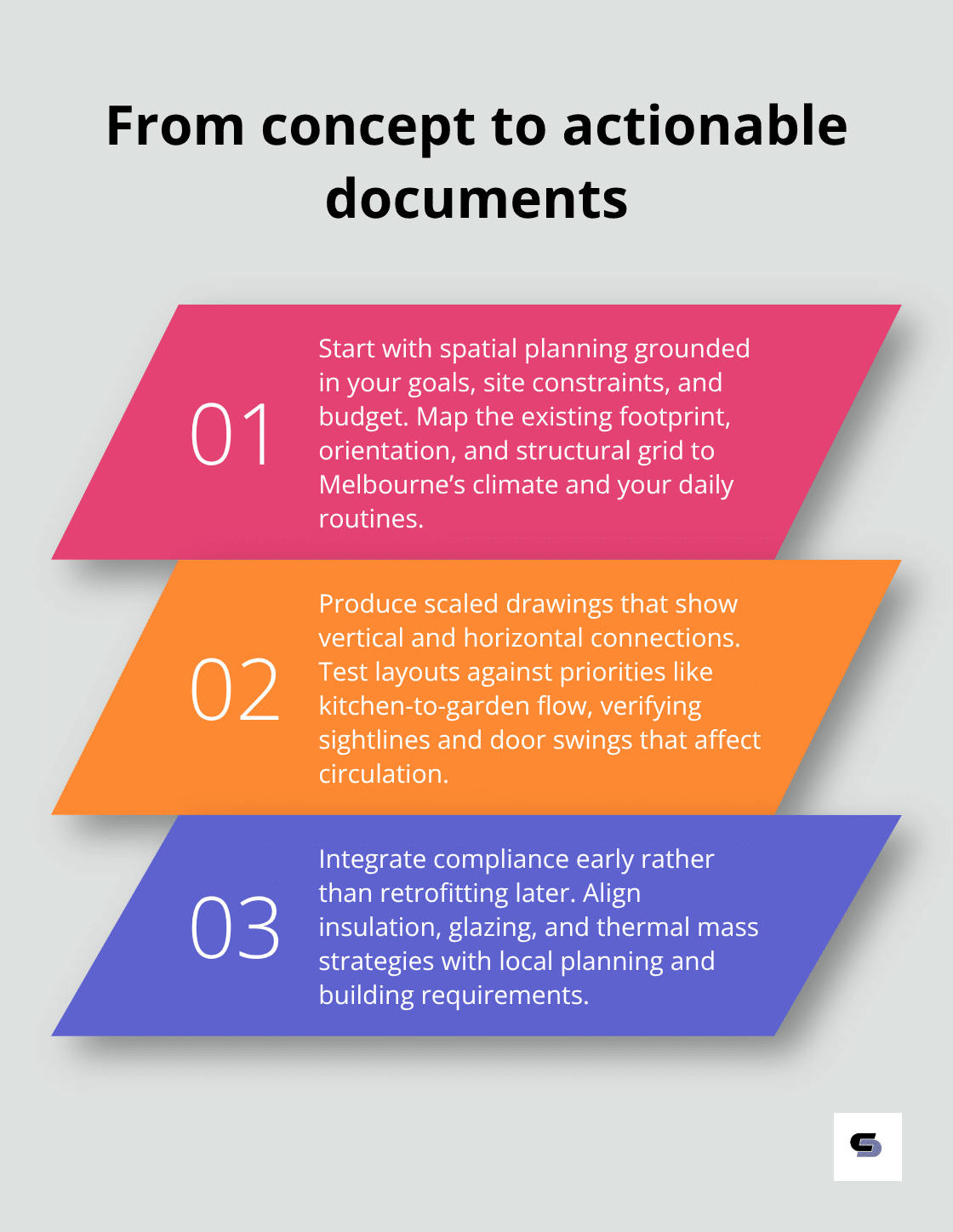
Your ideas must translate into documents that builders, engineers, and councils can action. We move from your stated goals directly into spatial planning, using your block constraints and budget to shape what’s actually possible. Our designers map your existing home’s footprint, orientation, and structural grid against Melbourne’s climate patterns and your daily routines. A north-facing ground floor extension in Stonnington differs fundamentally from a south-facing one in a heritage overlay, and those differences drive everything from window sizing to thermal performance to cost.
We produce scaled floor plans at 1:100 with cross-sections that show how new spaces connect vertically and horizontally to existing rooms. For double storey extensions, structural grids lock in post positions early because they affect layout flexibility later. We test layouts against your stated priorities-if seamless kitchen-to-garden flow matters most, we verify sightlines from the kitchen bench to outdoor space and check whether doors swing into traffic patterns.
Compliance and Structural Reality
Simultaneously, we run compliance checks against the Building Act 1993, Building Regulations 2018, and your local planning scheme requirements. Port Phillip Council requires Environmentally Sustainable Design assessments using the Built Environment Sustainability Scorecard, with a minimum 50% pass threshold, so we integrate insulation, glazing, and thermal mass strategy into the concept stage rather than treating them as afterthoughts.
Structural engineers confirm that your extension’s load path works with existing foundations and that any retaining walls (if needed on sloping blocks) are feasible and cost-realistic. We identify planning permit requirements early-whether your extension needs town planning approval, whether it triggers heritage considerations, whether setback or overshadowing rules apply-so you avoid surprises when council feedback arrives months later.
Resolving Aesthetics and Function
The tension between aesthetics and function resolves through honest conversation about trade-offs. A larger kitchen with island bench costs more and reduces circulation space; a double storey extension maximises usable area but changes your home’s street presence and affects neighbouring properties’ light and views. We present options with cost implications alongside visual impact, never pretending every idea works equally well.
Energy efficiency isn’t negotiable in our concepts-we size windows to capture winter sun without summer overheating, specify insulation standards that exceed minimum code, and select mechanical systems that match your space’s thermal load rather than oversizing for false comfort. Kitchen renovations integrate workflow efficiency with appliance placement, ensuring your bench depth allows proper food preparation and your pantry location reduces daily walking distance.
Material Selection and Detailing
Bathrooms in extensions must consider plumbing routes to existing infrastructure; a laundry adjacent to bedrooms works better than one separated by living spaces. Acoustic performance matters in double storey additions above living areas, so we specify resilient flooring systems and soft furnishing strategies during concept, not as last-minute additions.
Your extension’s materials palette should complement existing finishes-mismatched brickwork or cladding reads as a budget constraint rather than intentional design. We specify sustainable materials early because they affect cost and lead times; FSC-certified timber or low-VOC paints cost more upfront but align with Port Phillip’s ESD expectations and reduce approval friction. The concept phase produces a design that council planners, building surveyors, and construction teams all understand identically, eliminating the vague sketches that create confusion and cost overruns during construction. Once this foundation is solid, the permits and approvals process becomes straightforward-your concept documents speak for themselves to councils and regulators.
From Concept to Completion: Permits, Coordination, and Handover
Permits Transform Your Concept Into a Legal Project
Your concept is solid, your budget is realistic, and your block’s constraints are mapped. Permits and approvals now transform that design into a legally sanctioned project. This phase moves faster when your concept documents are comprehensive, because councils and building surveyors assess exactly what you’ve drawn rather than requesting clarifications. The Victorian Building Authority requires a building permit before you start most renovation work, so timelines depend on your local council’s processing speed and whether your design triggers additional scrutiny.
The City of Stonnington charges a lodgement fee of approximately $138.35 plus permit decision costs starting from around $2,000 for carports and $6,200 minimum for dwellings, with a Victorian Building Authority levy if works exceed $10,000. These fees sit separate from your designer’s and engineer’s costs, so factor them into your total project budget upfront. Port Phillip Council requires Environmentally Sustainable Design assessment using the Built Environment Sustainability Scorecard, with a minimum 50% pass threshold; this means your extension’s insulation, glazing, and thermal strategy must be documented in detail before council review.
Documentation and Processing Timelines
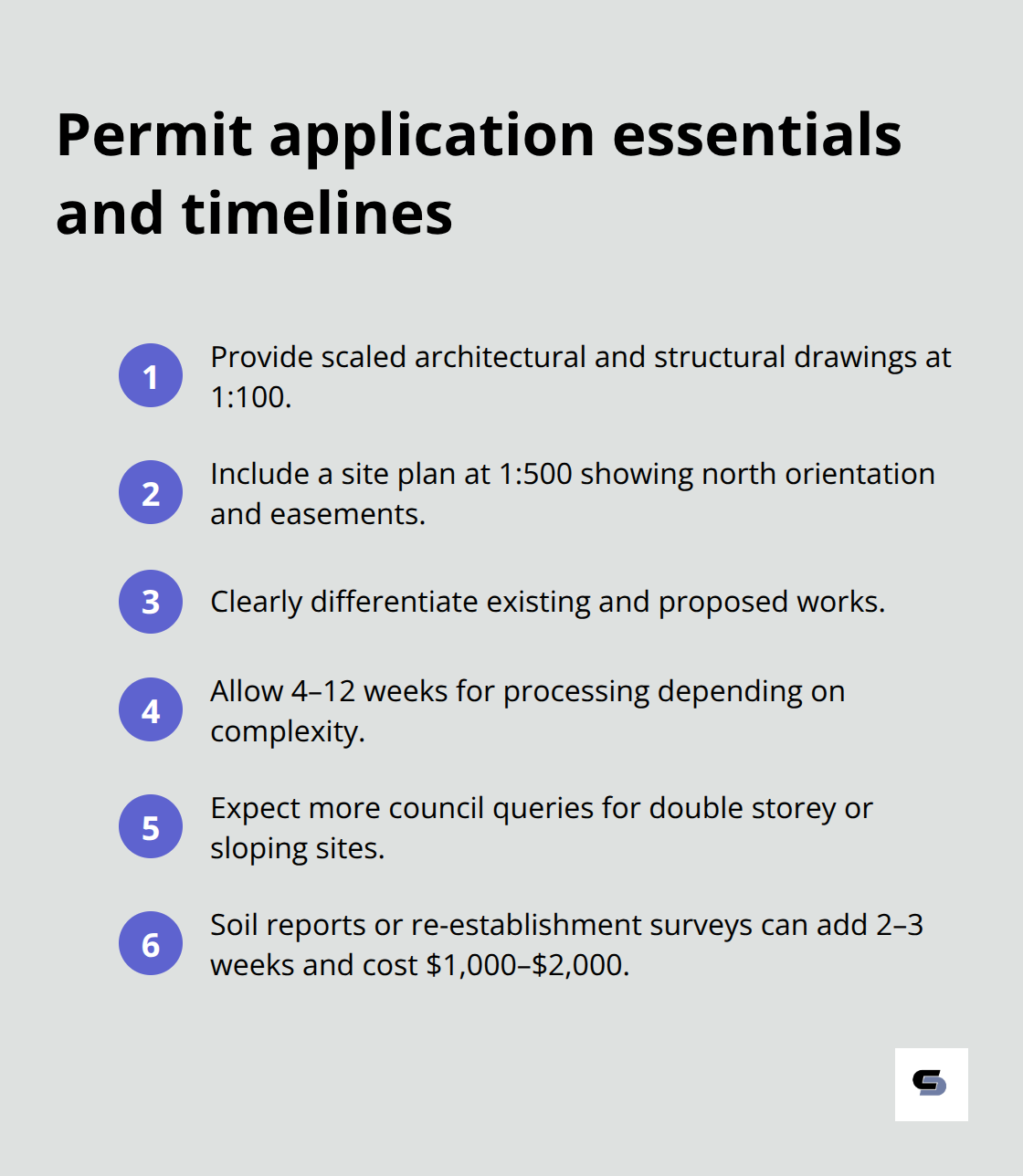
Permit applications require scaled architectural and structural drawings at 1:100, site plans at 1:500 showing north orientation and easements, and clear differentiation between existing and proposed work. Processing timelines typically range from four to twelve weeks depending on complexity; double storey extensions and sloping block work generate more council questions than straightforward ground floor additions, so budget accordingly. Some councils request soil reports or re-establishment surveys before issuing permits, which adds two to three weeks and costs $1,000–$2,000 for soil investigation.
Your building surveyor confirms structural feasibility, checks setback compliance against your planning scheme, and identifies whether heritage overlays or bushfire-prone area requirements apply. These checks happen in parallel with council assessment, so overlapping timelines compress your overall approval period. Once permits issue, your project enters the coordination phase where design, engineering, and construction must align perfectly.
Design, Engineering, and Construction Coordination
Your engineer produces detailed structural drawings that confirm load paths, footing depths, and retaining wall design if your block slopes. Mechanical engineers size heating and cooling systems based on your extension’s thermal load rather than oversizing for false comfort, which reduces running costs and capital expense. Plumbers route services to minimise long runs through walls, keeping costs down and future maintenance accessible.
Construction sequencing matters enormously: your builder coordinates subcontractors so trades don’t overlap wastefully, concrete pours when weather permits, and framing proceeds before cladding and internal fitout. Quality control happens throughout construction, not at the end. Inspections at critical stages (base, frame, lock-up, and fixing) catch issues immediately rather than discovering them during final inspection. Your builder should photograph progress weekly and provide transparent cost tracking against approved variations.
Contracts, Inspections, and Final Handover
The Domestic Building Contracts Act 1995 protects you by requiring written contracts that detail payment milestones tied to completed stages, so you pay only when work satisfies inspection standards. Final inspection by a building surveyor confirms all work meets Building Regulations 2018 and that insulation, glazing, and mechanical systems perform as specified. An As-Built report documents that ESD features like rainwater tanks or thermal mass are correctly installed.
Project handover includes operation manuals for mechanical systems, warranties for structural work and appliances, and access to all compliance certificates so future owners have complete documentation. Your extension now functions as intended, with every system performing to specification and every regulatory requirement satisfied.
Final Thoughts
A cohesive renovations concept Melbourne transforms what could be a chaotic, expensive process into a structured path from your initial idea to a finished extension that works exactly as intended. Without this foundation, homeowners face costly revisions, council rejections, and construction delays that compound expenses and frustration. Your concept documents become the single source of truth that designers, engineers, builders, and councils all reference identically, eliminating the misunderstandings that derail projects.
We at Cameron Construction have spent over 40 years building extensions and premium renovations across Melbourne, and we have learned that the concept phase determines everything that follows. When your vision aligns with your budget, your block’s constraints, and regulatory requirements from the start, permits process faster, construction runs smoother, and your final extension performs as promised. Double storey extensions, ground floor additions, and full house renovations all benefit from this disciplined approach, whether your property sits in Stonnington, Port Phillip, or anywhere across Melbourne.
Contact us with your extension goals, your block details, and your budget parameters so we can assess your property’s potential and identify constraints early. Our in-house designers and engineers will develop a concept that transforms your ideas into actionable plans, handling everything from initial concept through to final handover, including planning, permits, and BCA compliance across Melbourne’s councils. Visit Cameron Construction to discuss your extension project and begin the journey from concept to completion.

![Second Storey Additions For Growing Families [Guide]](https://www.cameronconstruction.com.au/wp-content/uploads/emplibot/second-storey-additions-hero-1772259809-150x150.webp)