Plan Check Extensions Melbourne: Securing Approval With Confidence
Plan check extensions in Melbourne require careful navigation of local council requirements and building standards. Getting approval wrong means costly delays, rejected submissions, and wasted design fees.
At Cameron Construction, we’ve guided hundreds of homeowners through this process. The difference between approval and rejection often comes down to preparation and understanding what councils actually need to see.
What Happens During Plan Check in Melbourne
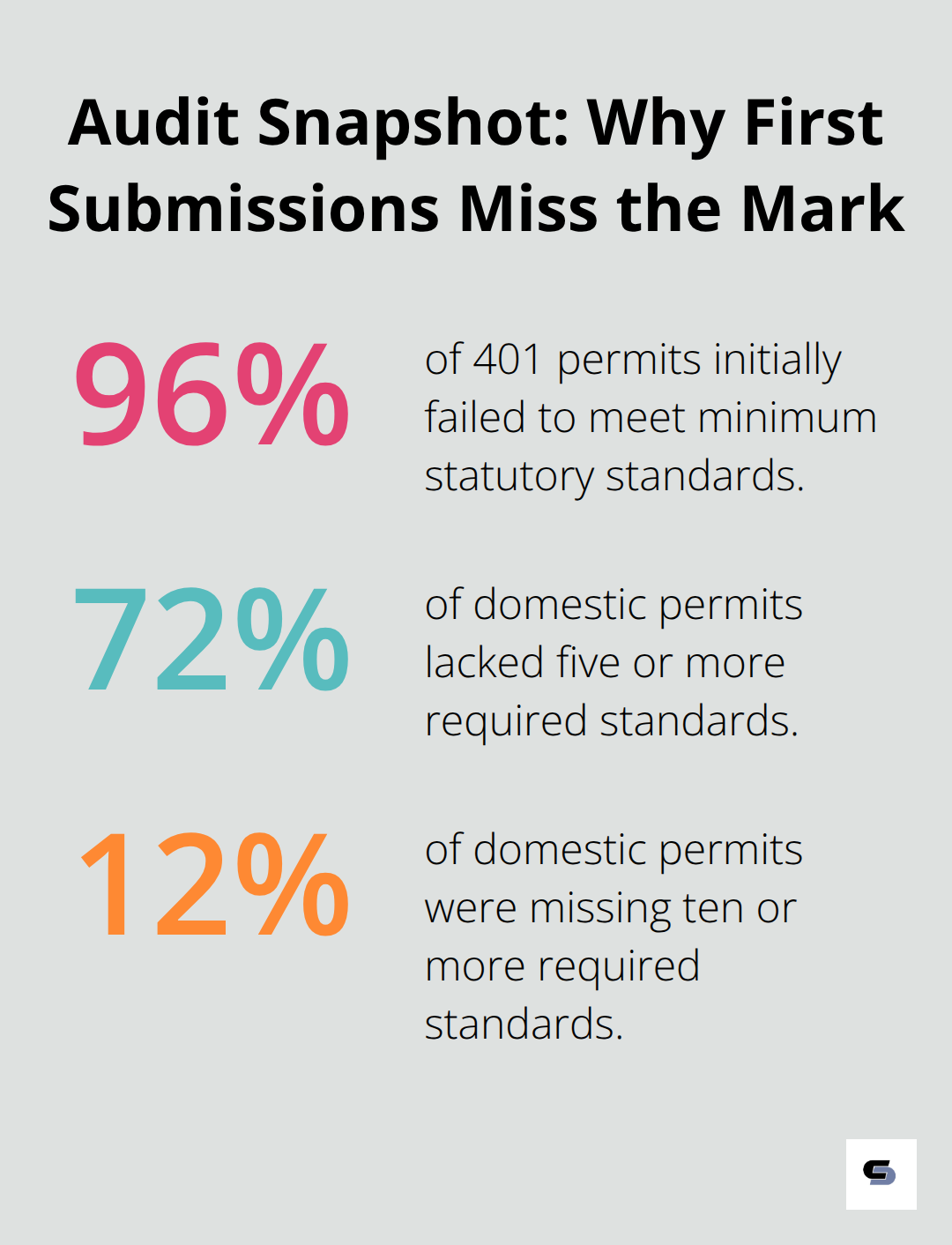
Plan check in Victoria is the formal assessment phase where councils and building surveyors examine your extension plans against the Building Code of Australia (BCA), planning scheme requirements, and local overlays before they issue a building permit. This differs from applying for a planning permit-plan check occurs after planning approval (if required) and focuses entirely on technical compliance and constructability. The Victorian Building Authority confirms that a building permit cannot be issued without a planning permit where one is required, so the sequence matters. A registered building surveyor reviews your documentation to verify structural adequacy, fire safety, energy efficiency, accessibility, and site-specific details like setbacks, overshadowing, and boundary compliance. According to the Victorian Auditor-General’s Office, 96 per cent of 401 permits examined did not initially comply with minimum statutory standards, and 72 per cent of domestic permits lacked five or more required standards. This tells us that incomplete or poorly prepared documentation is the norm, not the exception.
The surveyor will issue a permit with conditions, request further information, or reject the application outright if gaps exist.
How Long Plan Check Takes
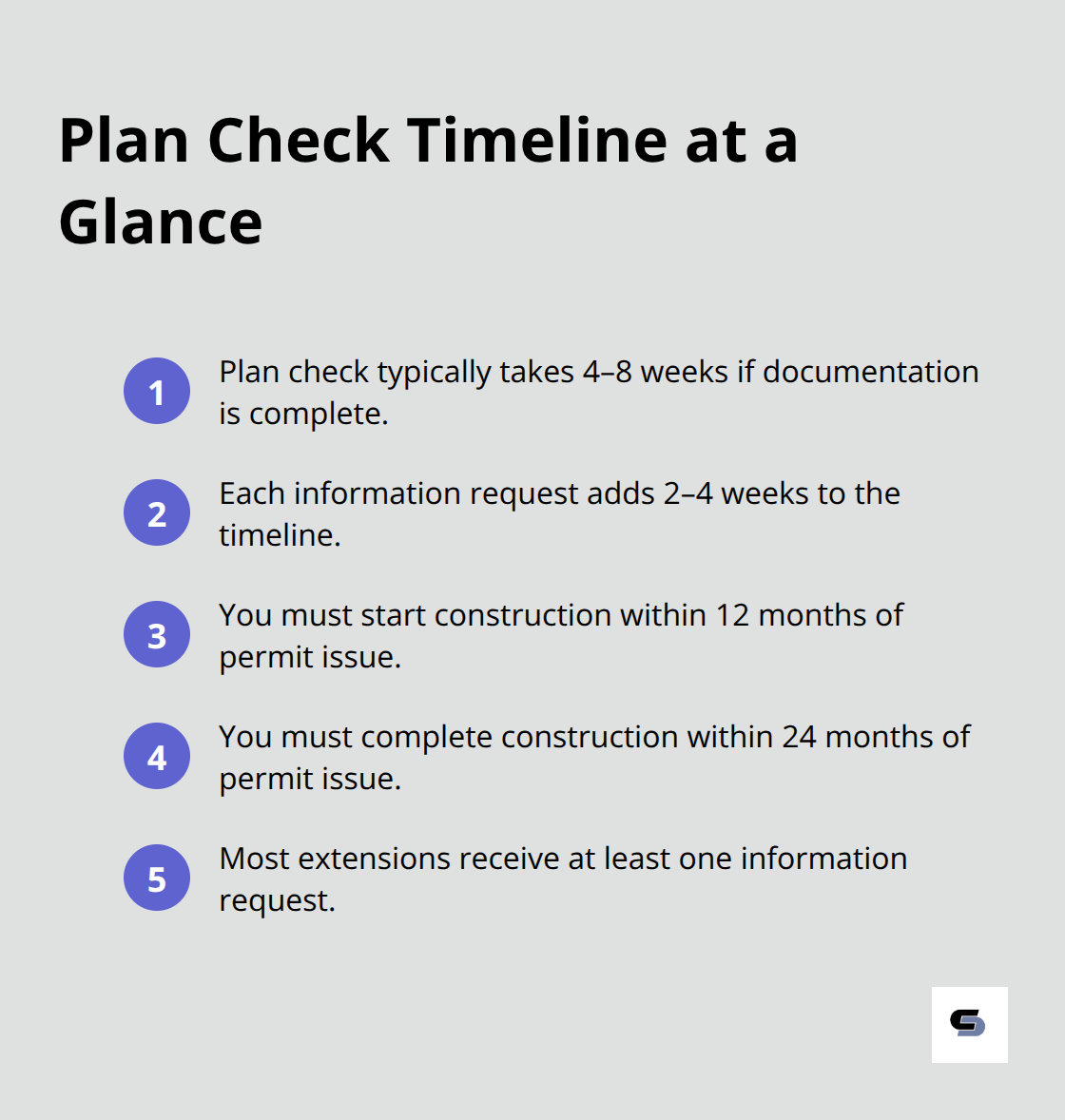
For a house extension in Melbourne, plan check typically takes 4–8 weeks from submission if your documentation is complete and the design aligns with zoning standards. However, the Victorian Building Authority notes that if your surveyor requests additional information-such as structural calculations, energy-efficiency schedules, or site-level clarifications-each round-trip can add 2–4 weeks. You must start construction within 12 months of permit issue and complete within 24 months; if you cannot meet these deadlines, you need an extension from your surveyor before the date passes, though refusals can be appealed to the Building Appeals Board. Most extensions experience at least one information request during plan check.
Documentation That Councils Actually Need
Common missing items include fully dimensioned floor plans, window schedules with glazing details, and site plans that align with your title plan. These gaps force councils to request clarification, which extends your timeline by weeks. Pre-lodgement meetings with your local council or private surveyor can cut this timeline significantly by clarifying requirements upfront and identifying potential issues before formal submission. This approach reduces back-and-forth and accelerates approvals substantially.
Why Plan Checks Fail
Structural and Technical Documentation Gaps
The Victorian Auditor-General’s Office examined 401 building permits and found that 96 per cent did not comply with minimum statutory standards on first submission. For domestic permits specifically, 72 per cent lacked five or more required standards, and 12 per cent were missing ten or more. These numbers reveal a systemic problem: most plan checks fail because builders and designers underestimate what councils actually scrutinise. The most common rejection points are structural inadequacy, missing energy-efficiency documentation, and floor plans that don’t align with site conditions.
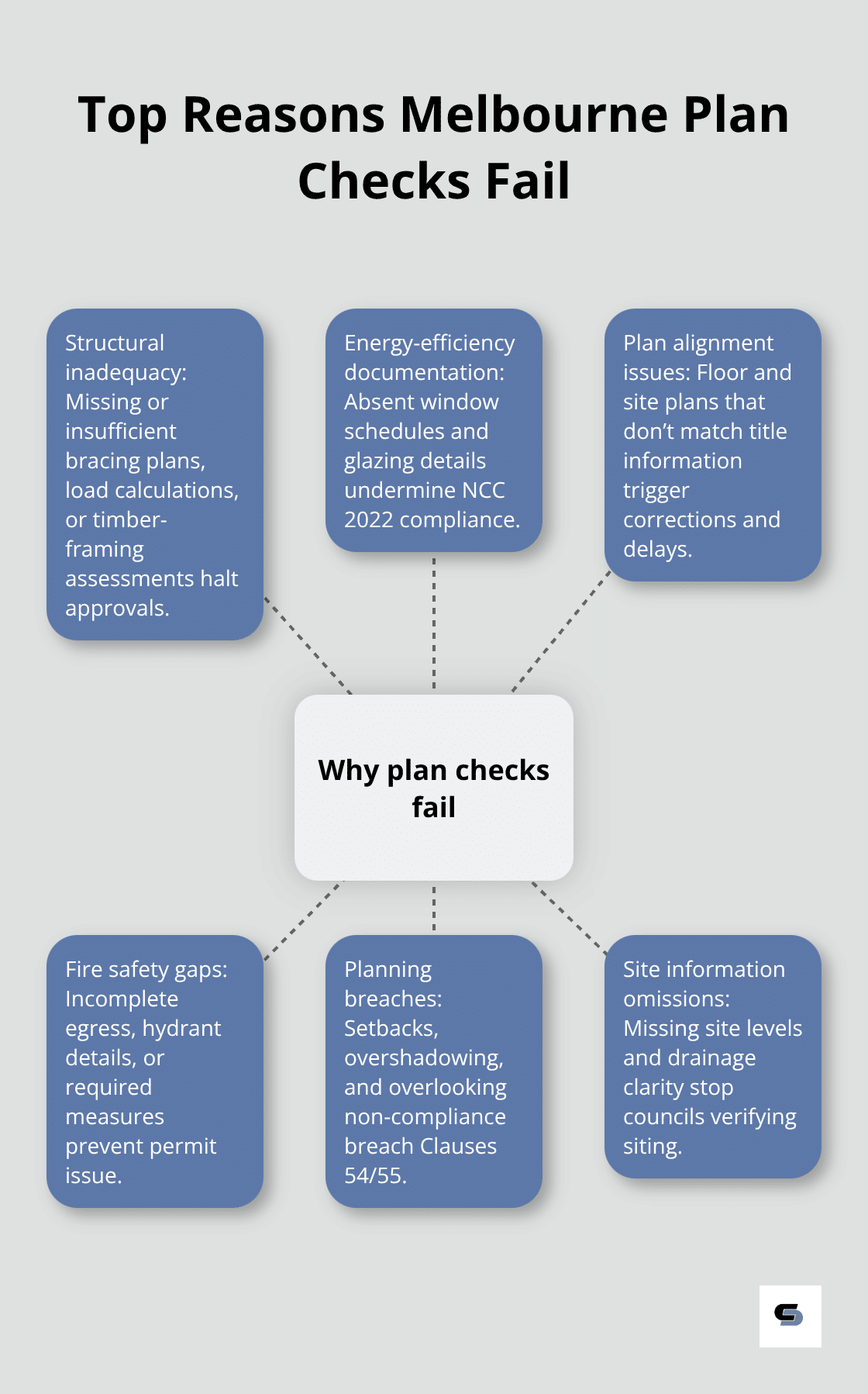
According to the same audit, 65 per cent of commercial permits and 46 per cent of domestic permits failed to show site levels, which means councils cannot verify that your extension sits correctly on the block or that drainage will work. Site plans frequently contradicted title information in 59 domestic cases, forcing councils to request corrections before they could proceed. Window schedules and glazing details were absent in 67 per cent of domestic permits, yet these directly affect energy-efficiency compliance under the National Construction Code 2022. Energy-efficiency data itself was often missing entirely, even though Victoria mandates this for all new residential work.
Structural documentation also stops approvals cold. Bracing plans, timber-framing assessments, and load calculations must demonstrate that your extension meets the Building Code of Australia. Many surveyors will not issue a permit without independent structural certification, and if your designer has not engaged a structural engineer early, you face delays and additional fees.
Fire Safety and Building Code Compliance
Fire safety details were frequently incomplete across the permits examined-multiple submissions lacked critical information about egress routes, hydrants, or required safety measures. Councils cannot issue a permit when fire safety information is missing or inadequate. The cost of these omissions is substantial: each information request delays your approval by 2–4 weeks, and rejected submissions mean redesign fees, re-engineering costs, and lost time.
Town Planning Non-Compliance and Setback Violations
Many extensions breach setback requirements, overshadow neighbouring open space, or overlook adjoining windows without proper mitigation. Councils reject designs that don’t meet Clause 54 or 55 standards for residential extensions-particularly front setbacks that don’t match street character, side setbacks that violate formula-based requirements, or private open space that falls short of the required 40 square metres or 20 per cent of the lot.
Overshadowing is a frequent flashpoint: your extension must not cast shadow onto existing open space between 9am and 3pm on 22 September, and councils measure this rigorously. Overlooking violations-where windows face neighbouring windows or secluded open space within 9 metres-require screening or sill-height adjustments that many initial designs miss. These compliance checks need to happen from the concept phase, with setback calculations, shadow diagrams, and privacy screens embedded into early designs rather than treated as afterthoughts.
How Pre-Lodgement Meetings Prevent Rejections
Pre-lodgement meetings with your council or building surveyor expose documentation gaps and planning conflicts before formal submission, saving weeks and rework costs. This approach reduces back-and-forth and accelerates approvals substantially. Your surveyor or council planner will flag missing structural certifications, inadequate site plans, or setback issues during these conversations, allowing you to address them before you lodge formally. This single step transforms plan check from a reactive process into a proactive one, and most councils now actively encourage these meetings to reduce downstream rejections and delays.
Preparing Plans That Pass First Time
Structural and Design Coordination From the Start
Structural engineers and building designers must work together before you finalise your concept, not after. This partnership is non-negotiable for extensions. The Victorian Auditor-General’s Office found that 46 per cent of domestic permits lacked fully dimensioned floor plans and 65 per cent failed to show site levels-omissions that force councils to request clarification and delay your approval by weeks. A qualified designer working alongside a structural engineer embeds compliance into the design phase rather than treating it as a box-ticking exercise during plan check.
Your designer produces site plans that match your title plan exactly, floor plans with every dimension marked, and window schedules specifying glazing type and U-values for energy-efficiency compliance under the National Construction Code 2022. Your structural engineer provides load calculations, bracing plans, and timber-framing assessments that demonstrate your extension meets the Building Code of Australia. This pairing prevents the most common rejection trigger: structural documentation gaps.
Pre-Lodgement Meetings Save Weeks
Request a pre-lodgement meeting with your building surveyor or council before formal submission. The Victorian Building Authority encourages this step, and it cuts plan check timelines significantly by exposing missing information upfront. During this meeting, your surveyor will flag inadequate site plans, missing energy-efficiency data, or setback violations before you spend money lodging a flawed application. This conversation typically takes one meeting and saves 4–8 weeks of back-and-forth.
Complete Documentation Prevents Rejections
Prepare a complete permit package with at least three copies of all drawings, specifications, and allotment plans, plus the completed application form and any planning report or shadow diagrams. Include structural certifications, energy-efficiency schedules, and site-level information. Missing items force councils to request clarification, and each round-trip adds 2–4 weeks.
Compliance Checks During Design Phase
Verify that your extension meets Clause 54 or 55 setback standards, overshadowing limits (no shadow onto existing open space between 9am and 3pm on 22 September), and overlooking rules (no direct views into neighbouring windows or secluded open space within 9 metres). These compliance checks must happen during design, with shadow diagrams and setback calculations embedded from the start. Councils reject designs that breach these standards, and fixing them after formal submission means redesign fees and delays.
The Cost of Poor Preparation
Rejected applications require rework, re-engineering, and resubmission, adding months and thousands of dollars. Investing in qualified designers and engineers upfront, conducting pre-lodgement meetings, and preparing complete documentation reduces rejections and accelerates approvals. Most extensions experience at least one information request during plan check-preparation minimises this to simple clarifications rather than fundamental redesigns.
Final Thoughts
Most plan check extensions Melbourne fail because documentation gaps, missing structural details, or design breaches force councils to request clarification repeatedly. You can avoid this outcome by engaging qualified designers and structural engineers early, requesting pre-lodgement meetings with your surveyor, and preparing complete documentation before formal submission. The cost of poor preparation is substantial-rejected applications mean redesign fees, re-engineering costs, and delays that stretch timelines from weeks into months.
Extensions that pass first time share a common pattern: they involve professionals who understand what councils scrutinise, they embed compliance into the design phase rather than treating it as an afterthought, and they use pre-lodgement conversations to expose gaps before formal lodgement. Our team at Cameron Construction handles plan check coordination as part of our end-to-end service, managing structural documentation, energy-efficiency compliance, and council liaison so you don’t have to navigate these requirements alone. We’ve guided hundreds of Melbourne homeowners through plan check successfully, and we know which councils require what, where setback calculations typically fail, and how to structure documentation to pass scrutiny.
If you’re planning a double storey extension or ground floor addition, the planning and approval phase sets the tone for your entire project. Starting with the right team makes the difference between approval delays and confident progression to construction. Contact Cameron Construction to discuss your extension plans and how we can guide you through plan check with confidence.