Modern Home Renovations Melbourne: Contemporary Living, Timeless Quality
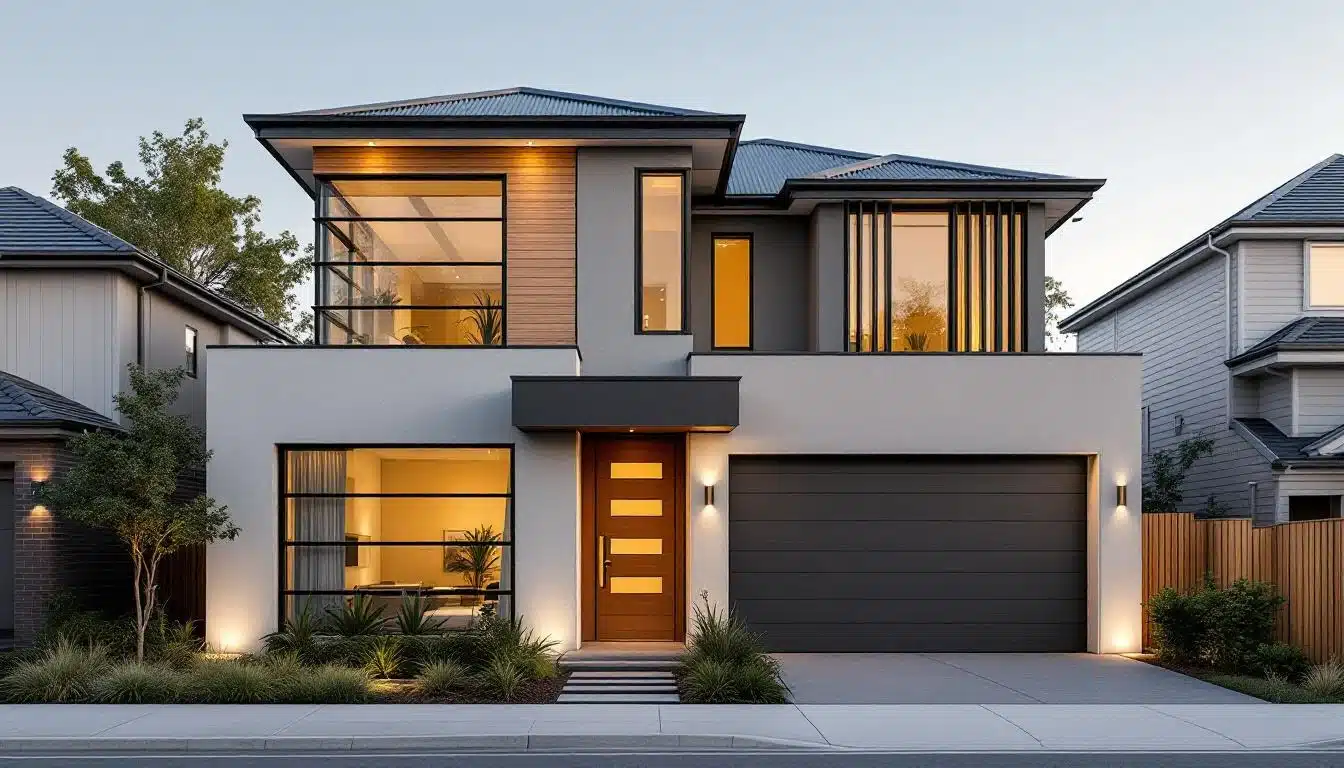
Modern home renovations Melbourne homeowners choose today balance function with aesthetics in ways older designs simply cannot. At Cameron Construction, we’ve seen how contemporary spaces transform not just how families live, but the actual value of their homes.
The shift toward modern design isn’t about following trends-it’s about building homes that work harder for you, with better materials, smarter systems, and layouts that adapt to real life.
What Sets Modern Renovations Apart
Open-plan spaces dominate contemporary Melbourne renovations because they respond to how families actually live today. Rather than isolated rooms, modern layouts connect kitchens, dining, and living areas into single flowing zones that adapt throughout the day. This flexibility matters: a space that hosts formal dinners transforms into a children’s play area by afternoon, then becomes a work-from-home office by evening. The National Construction Code 2022 guides spatial standards, but the real benefit comes from reducing wasted hallways and creating sightlines that make smaller homes feel larger. Energy efficiency follows naturally from this approach-fewer enclosed rooms mean better heating and cooling control, which aligns with the Building Act 1993 requirements for end-of-project energy efficiency upgrades. Proper thermal zoning allows homeowners to heat or cool only occupied areas rather than entire homes.
Materials That Perform and Last
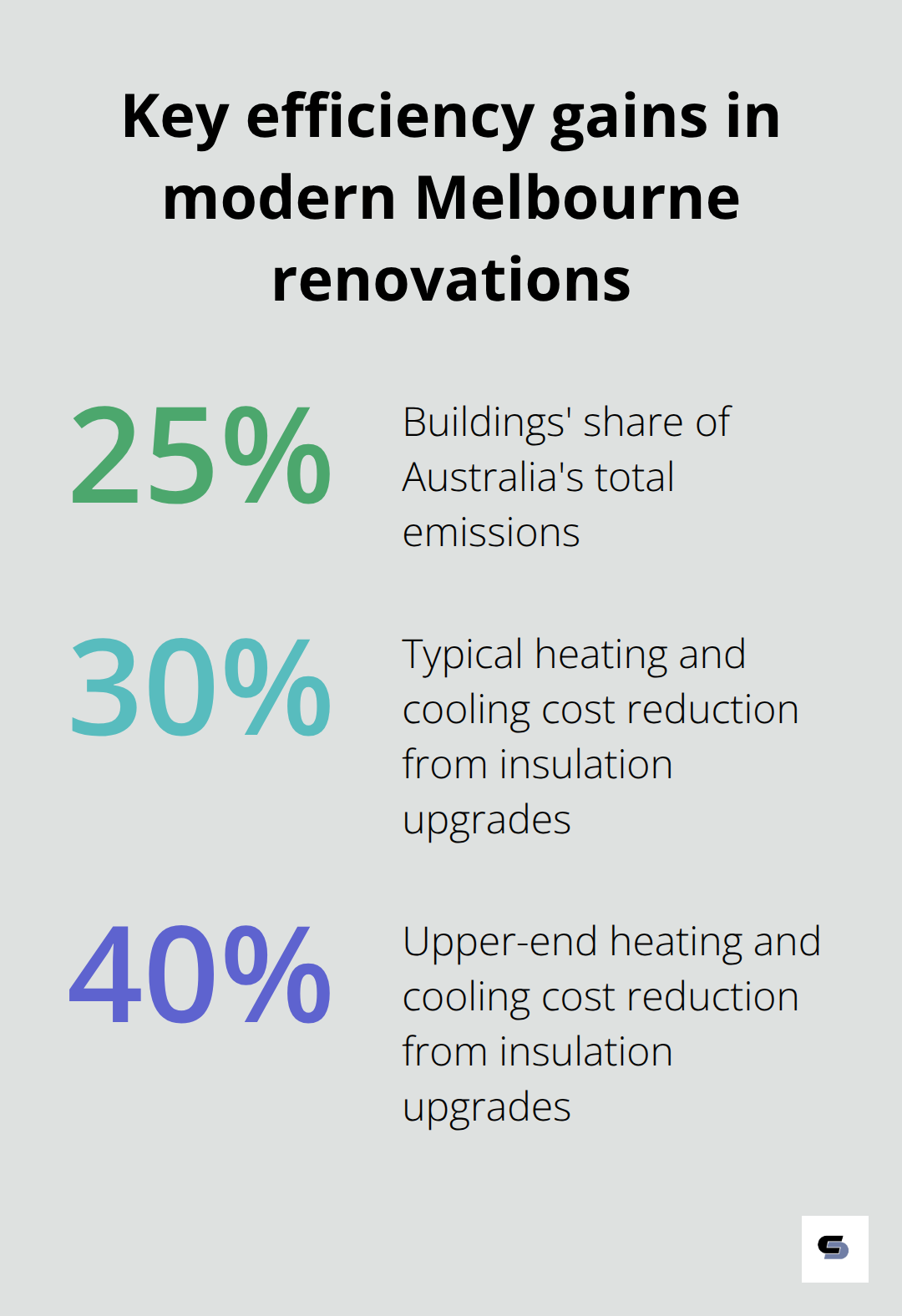
Modern renovations prioritise materials that reduce environmental impact without compromising durability. Timber-frame construction, as demonstrated in the NGV’s Home Truth exhibition, uses sustainable forestry products that sequester carbon while delivering structural performance. Concrete, steel, and responsibly sourced timber now carry environmental declarations that quantify their carbon footprint-information unavailable a decade ago. The shift matters because buildings account for roughly 25% of Australia’s total emissions. Water-efficient fixtures aligned with the Water Efficiency Labelling and Standards scheme cut household consumption without sacrificing performance. Insulation standards have tightened significantly; modern renovations typically achieve R3.5 to R5.0 in walls and R4.0 to R6.0 in ceilings, compared to older homes with minimal or no insulation. These upgrades typically reduce heating and cooling costs by 30–40% according to Retrofit Melbourne guidelines. Smart glazing-low-emissivity glass that reflects heat in summer and retains warmth in winter-adds cost upfront but delivers measurable returns through lower energy bills over 10–15 years.
Technology That Integrates, Not Dominates
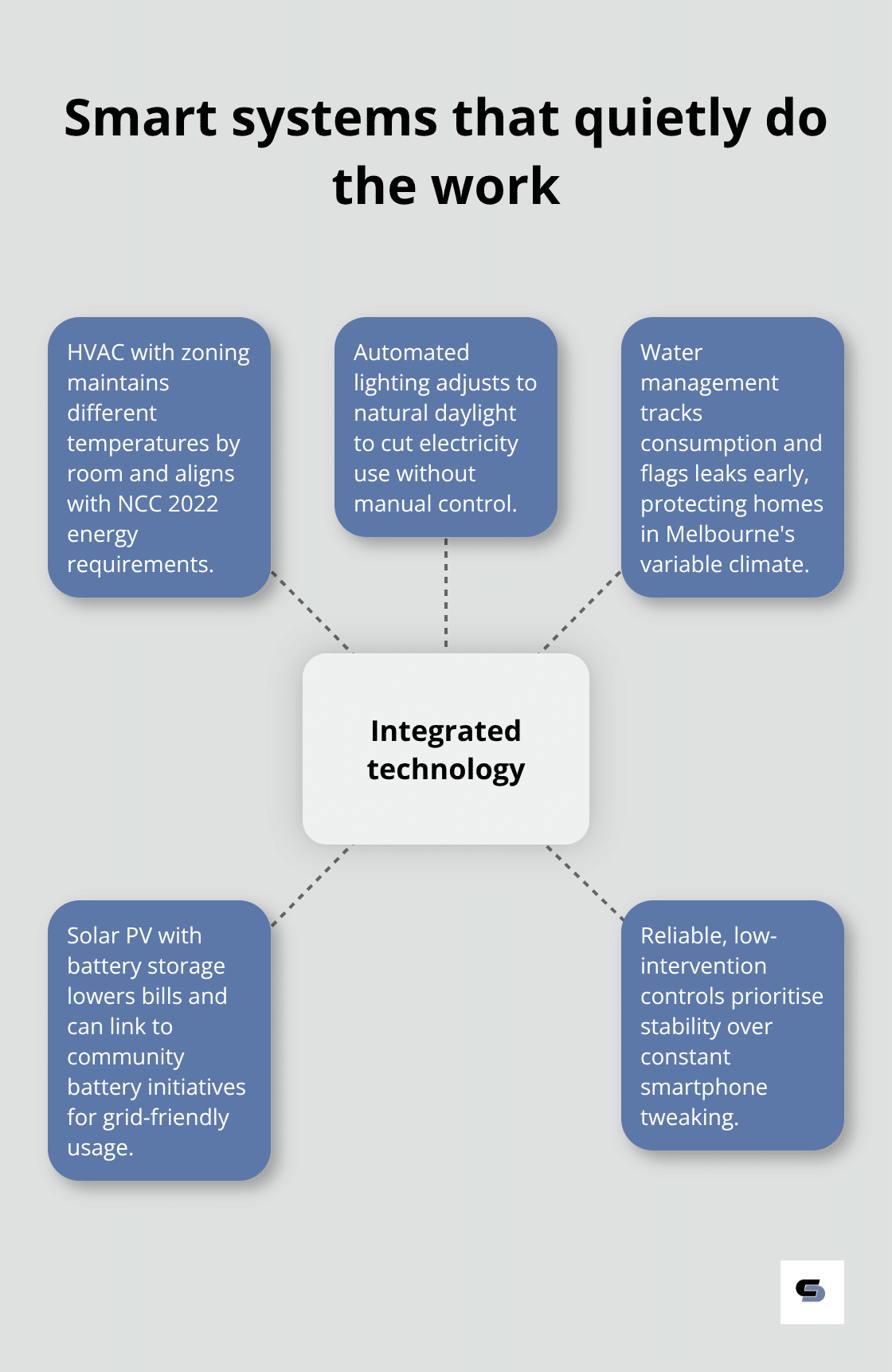
Smart home systems in modern renovations focus on practical outcomes rather than gadgetry. Integrated heating, ventilation, and air-conditioning systems with zoning controls allow different rooms to maintain different temperatures, directly addressing the energy efficiency requirements in the National Construction Code 2022. Automated lighting responds to natural daylight, reducing consumption during daylight hours. Water management systems monitor usage and alert homeowners to leaks before they cause damage-particularly valuable in Melbourne’s variable climate. Solar photovoltaic systems paired with battery storage have become cost-competitive; the Melbourne Renewable Energy Project supports community battery initiatives that help homeowners coordinate their energy contributions with broader grid needs. The most successful modern renovations prioritise systems that work reliably without constant adjustment or smartphone dependency.
Flexible Spaces Adapt to Real Life
Modern layouts respond to how Melbourne families actually work, rest, and entertain. Open-plan additions create zones rather than rigid rooms, allowing spaces to shift purpose throughout the day. Sliding glass walls separate areas when needed, then retract to restore flow. Kitchen islands become dining tables, work surfaces, and social hubs simultaneously. This adaptability matters more than square metres alone-a well-designed 40 m² addition often functions better than a poorly planned 60 m² extension. Thermal zoning ensures that flexible spaces don’t waste energy; homeowners heat or cool only the areas they occupy, which directly supports compliance with the Building Act 1993 energy efficiency requirements.
Sustainable Choices Deliver Long-Term Value
Environmental performance and durability now go hand in hand. Materials with lower embodied carbon (timber, recycled steel, responsibly sourced concrete) perform as well as conventional alternatives while reducing the 25% of Australia’s emissions that buildings generate. Water-efficient fixtures cut consumption without performance loss. Insulation upgrades to R3.5–R5.0 in walls and R4.0–R6.0 in ceilings reduce heating and cooling costs by 30–40%, according to Retrofit Melbourne guidelines. Low-emissivity glazing reflects summer heat and retains winter warmth, delivering measurable energy savings over 10–15 years. These choices cost more initially but compound into genuine financial returns through lower utility bills and increased property value.
These material and technological foundations set the stage for the design choices that define modern Melbourne homes. The next section explores how contemporary aesthetics translate these performance upgrades into spaces that feel as good as they function.
Popular Modern Renovation Trends in Melbourne
Neutral Palettes Create Spatial Depth
Melbourne homeowners pursuing modern renovations have moved decisively away from maximalist interiors and ornamental finishes. The shift reflects a deeper understanding that restraint delivers better spatial perception, easier maintenance, and genuine longevity. Neutral colour palettes create visual continuity throughout open-plan additions, making spaces feel substantially larger than their actual footprint. This approach works particularly well in double storey extensions where sightlines travel vertically; a neutral interior allows natural light to move uninterrupted through multiple levels, reducing the need for artificial lighting during daylight hours.
Ground floor additions benefit equally-neutral backgrounds let landscaping and external views become the focal points rather than competing with interior decoration. The practical advantage extends to resale; properties styled with restraint appeal to broader buyer demographics than heavily personalised interiors. Concrete, raw timber, and exposed brick anchor neutral schemes with texture and warmth without introducing colour complexity. These materials also age gracefully; they develop patina rather than appearing dated, which matters when you invest in a renovation.
Indoor-Outdoor Flow Extends Living Space
Indoor-outdoor transitions have become non-negotiable in Melbourne renovations, and this reflects the city’s climate reality rather than aesthetic preference. Large sliding glass walls that fully retract create genuine flow between interior and exterior spaces during spring, autumn, and mild winter days-essentially extending living area seasonally without building additional rooms. Polished concrete or large-format pavers inside and outside the threshold eliminate visual breaks, reinforcing the spatial connection.
Covered outdoor areas with motorised louvres or retractable shade systems extend usability throughout the year. Melbourne’s average temperature ranges from 9°C in winter to 26°C in summer, making seasonal outdoor living genuinely practical rather than aspirational. Water-sensitive landscaping integrated with outdoor zones reduces maintenance burden-native plantings and permeable paving align with Melbourne’s water management priorities while requiring significantly less upkeep than manicured gardens.
Textures and Materials Drive Visual Interest
Mixed textures prevent spaces from feeling sterile or cold. Rough-sawn timber cladding, smooth concrete, weathered steel screens, and soft landscaping create visual interest that sustains attention far longer than colour-dependent design. The material authenticity matters: genuine timber weathers and develops character, whereas timber-look finishes deteriorate visibly within years, ultimately costing more through replacement cycles.
This textural variety works within neutral colour schemes because the eye engages with surface quality rather than chromatic contrast. Warm timber, cool steel, soft furnishings, and natural stone combine to establish depth and sophistication without relying on bold colour choices. These material combinations perform well across different lighting conditions and seasons, ensuring your renovation maintains its appeal year-round.
The design choices that define modern Melbourne homes rest on these material foundations and spatial strategies. How you integrate these elements into your specific project-whether a double storey extension or ground floor addition-determines whether your renovation genuinely transforms how your family lives.
Planning Your Modern Renovation
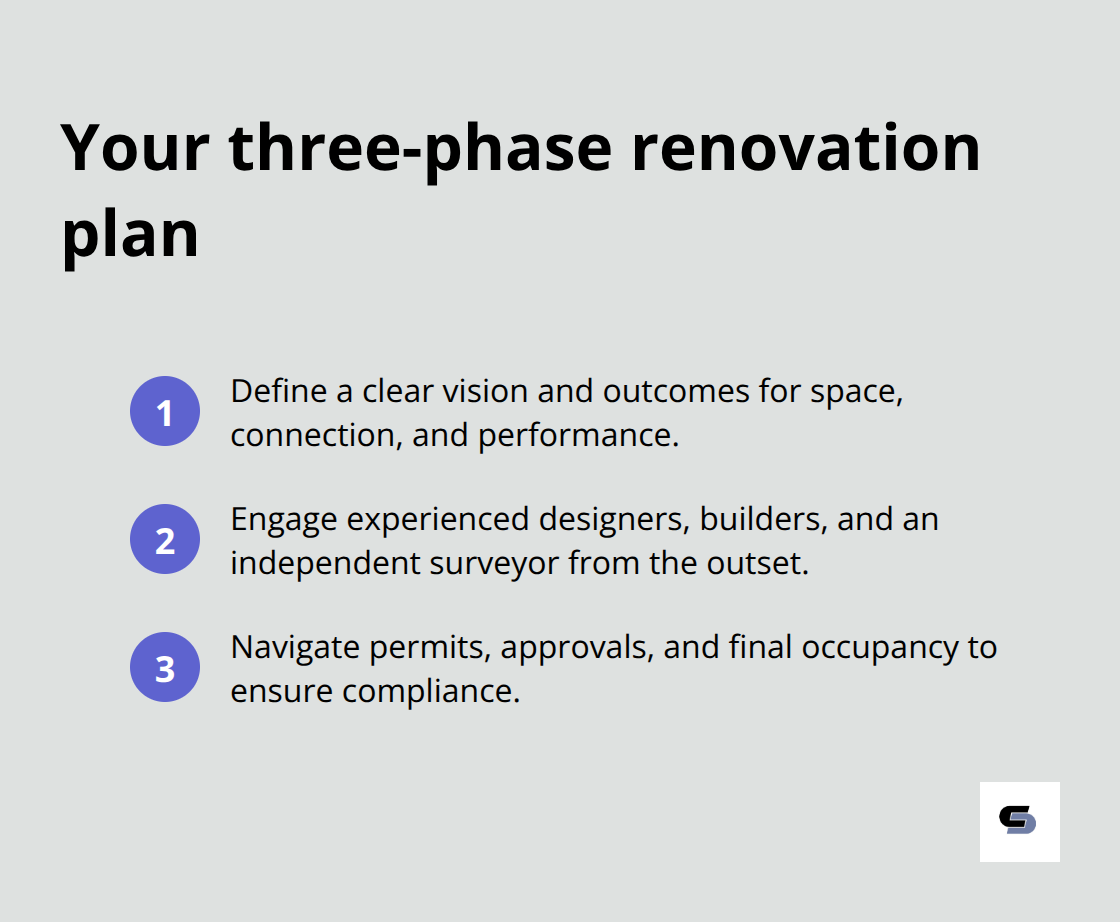
Starting a modern renovation without a clear strategy wastes money and delivers mediocre results. Homeowners often spend months on indecision, then rush decisions because they’ve already committed financially. The better approach separates planning into three distinct phases, each with specific outcomes and timelines.
Define Your Vision and Budget
Your vision statement should answer one question: what problem does this renovation solve? Not what style you like, but whether you need more living space for a growing family, better connection between interior and exterior areas, or improved energy performance to reduce utility costs. This clarity drives every decision that follows.
Your budget must account for construction costs plus 15–20% contingency for unforeseen foundation issues, asbestos removal if your Melbourne home was built before 1990, or structural surprises that emerge once walls come down. In Victoria, renovations costing more than $10,000 require a major domestic building contract, and builders must hold current domestic building insurance for projects exceeding $16,000. These aren’t optional formalities-they protect you legally if disputes arise. Engage a building lawyer to negotiate your contract before signing; the Law Institute of Victoria can recommend practitioners familiar with renovation agreements.
Request detailed written quotes from at least three builders, and verify each is registered with the Building and Plumbing Commission if your project involves structural work or exceeds $10,000. Check the public register to confirm their status and review any disciplinary history through regulators like the Building and Plumbing Commission or Energy Safe Victoria for electrical work.
Work with Experienced Designers and Builders
Experienced designers and builders bring knowledge about what actually works in Melbourne homes versus what merely looks contemporary. A building surveyor independent from your builder protects your interests by inspecting work at defined milestones-base, frame, lock-up, and fixing stages-ensuring compliance with the National Construction Code 2022 and Building Act 1993 energy requirements. Decide early whether you want a council-appointed surveyor or a private practitioner; some councils nominate a surveyor for your project, which simplifies coordination.
Your designer should understand Melbourne’s specific planning landscape across different councils; requirements for Hawthorn differ from Footscray, and heritage overlays add complexity that generic design knowledge cannot address. Ask potential designers about their experience with double storey extensions and ground floor additions in your specific suburb-these are fundamentally different from new-build design.
Navigate Permits and Planning Requirements in Melbourne
Planning and building permits in Melbourne require understanding whether your project needs approval; use the Planning Permit Register to check if your property has overlays, heritage status, or other restrictions. Most councils require permits for additions over certain floor areas or height thresholds, and heritage properties require heritage permits alongside building permits, extending timelines by 4–8 weeks.
Appoint your surveyor and engage a building lawyer before submitting permits; they identify compliance issues that cause delays and rejections. Once permits are approved, you must obtain a final inspection and occupancy permit before occupying renovated spaces-this responsibility sits with you, not your builder.
Variations to your contract must be written and signed by both parties; avoid verbal agreements that create disputes when costs escalate. Foundation data discovered during excavation should inform any price adjustments, but you should not pay extra for issues the builder could have foreseen through proper site investigation before quoting.
Final Thoughts
Modern home renovations Melbourne homeowners complete today deliver measurable improvements to how families live and what their homes are worth. The contemporary approach-open-plan flexibility, sustainable materials, integrated technology, and thoughtful material choices-addresses real problems rather than chasing aesthetic trends. These renovations perform better, cost less to operate, and appeal to future buyers because they solve genuine functional challenges.
Quality craftsmanship matters more than initial cost. A well-executed double storey extension or ground floor addition built to current standards will serve your family for decades without major intervention. Poor construction shortcuts create ongoing maintenance headaches, energy waste, and eventual structural problems that cost far more to remedy. The difference between hiring experienced builders and cutting corners on price becomes obvious within the first year of living in your renovated space.
Assembling the right team from the beginning protects your investment across compliance, functionality, structural integrity, and legal protection. Your builder, designer, surveyor, and lawyer each handle different aspects of your project, and attempting to save money by skipping professional guidance typically costs more through delays, rework, and disputes. Contact Cameron Construction to discuss how your modern renovation can transform both your living experience and your property’s long-term value.