Melbourne Inner Eastern Extensions: Thoughtful Space for Tight City Living
Inner Eastern Melbourne’s tight blocks and heritage constraints make traditional expansion impossible for most homeowners. At Cameron Construction, we’ve helped hundreds of families add the space they need without leaving their established suburbs.
Melbourne inner eastern extensions solve this problem through smart design and strategic planning. Whether you’re working with a narrow block in Boroondara or navigating heritage overlays in Yarra, vertical growth and ground floor additions deliver real results.
Why Extensions Beat Relocation in Inner Eastern Melbourne
Inner Eastern Melbourne’s property market has fundamentally changed the economics of home ownership. Median house prices in Boroondara are set to exceed $1 million, while Yarra and Stonnington sit at comparable levels in the premium market. These figures mean that moving to gain extra space costs far more than staying and extending. A family needing one additional bedroom faces either a $400,000–$600,000 price jump to upgrade suburbs or a $150,000–$250,000 extension investment that adds genuine value to their current property. The mathematics are stark: extensions deliver space at roughly one-third the cost of relocation when you factor in stamp duty, agent fees, and moving expenses.
Vertical Growth on Narrow Blocks
Most Inner Eastern blocks measure between 300–500 square metres, making traditional horizontal expansion impossible. Second storey additions transform these constraints into opportunity. A typical double storey extension on a narrow Boroondara or Stonnington block adds 40–60 square metres of usable floor space without consuming any additional land footprint. Ground floor additions work differently but serve the same purpose-extending kitchens, living areas, or creating dedicated home offices on properties where upward growth isn’t suitable.
Victoria’s Planning Amendment (Better Decisions Made Faster) Bill 2025 has introduced streamlined assessment pathways for extensions. Townhouses and residential additions now receive assessment within 30 days rather than the previous 140–300 day timeframe. This acceleration moves projects from concept to approval faster than before, though heritage overlays in suburbs like Yarra and parts of Boroondara still require additional scrutiny and specialist design input that adds 4–8 weeks to planning timelines.
Heritage Overlays Demand Specialist Approach
Heritage restrictions in Inner Eastern Melbourne aren’t obstacles-they’re design drivers that separate quality work from generic additions. Properties within heritage overlays must obtain planning permits for all building works, including painting and external alterations. The Heritage Owner’s Guide and Melbourne Planning Scheme confirm that permits are mandatory even for seemingly minor changes.
This requirement forces thoughtful design that respects the existing character while delivering modern functionality. Extensions that ignore heritage context fail planning assessment, waste 8–12 weeks of your timeline, and require complete redesign. Extensions that engage with heritage constraints-matching materials, respecting roof lines, and working with local character-obtain approval on first submission. Homeowners who invest in designers experienced with heritage properties actually move faster than those attempting generic designs in overlay areas. Consultation with a planning officer before finalising designs costs nothing and typically prevents costly amendments.
Cost Advantage Over Moving
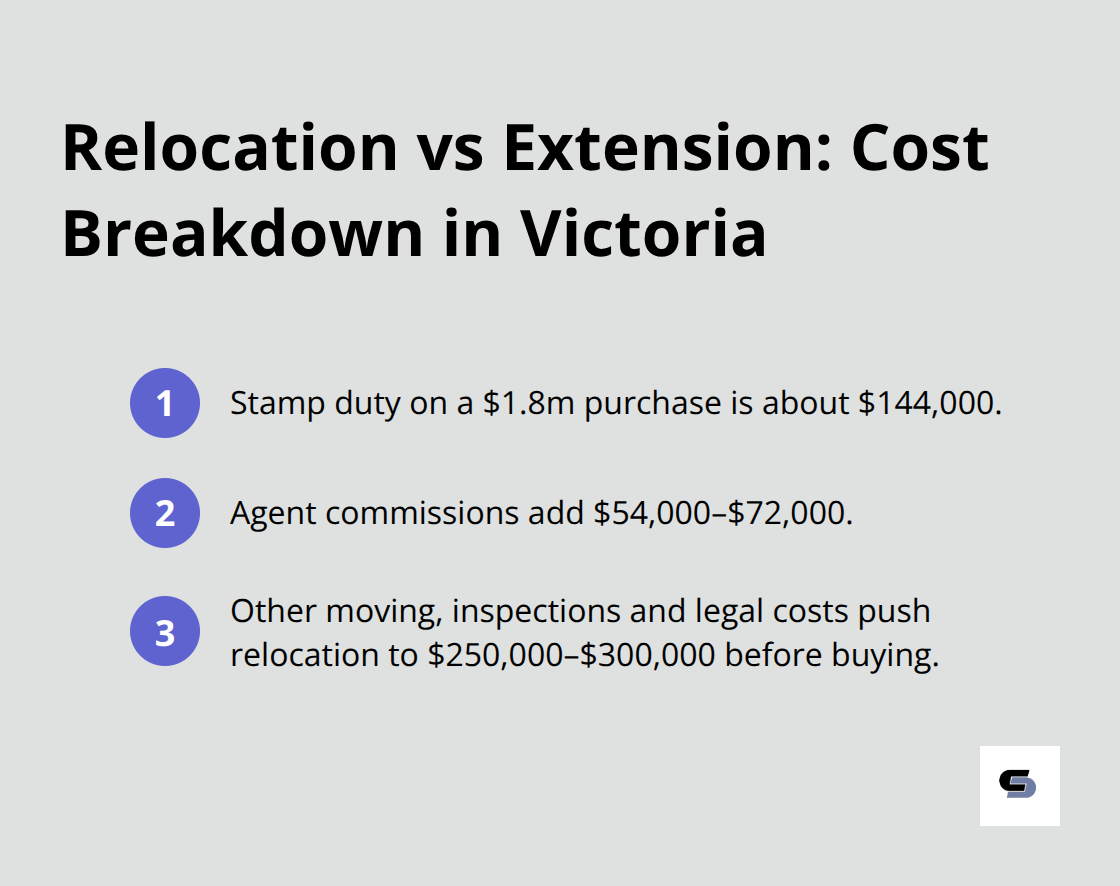
The financial case for extending rather than relocating strengthens when you examine total costs. Stamp duty on a $1.8 million property purchase in Victoria reaches approximately $144,000, while agent commissions add another $54,000–$72,000. Moving expenses, inspections, and legal fees push the total cost of relocation to $250,000–$300,000 before you’ve even purchased a larger home. An extension delivering equivalent space costs substantially less and builds equity in your existing property rather than transferring wealth to agents and the state.
Properties with well-designed extensions command premium resale values in Inner Eastern suburbs, where space constraints make additional square metres highly desirable.
How to Design Extensions That Work Within Council Rules and Heritage Constraints
Understanding Your Council’s Specific Requirements
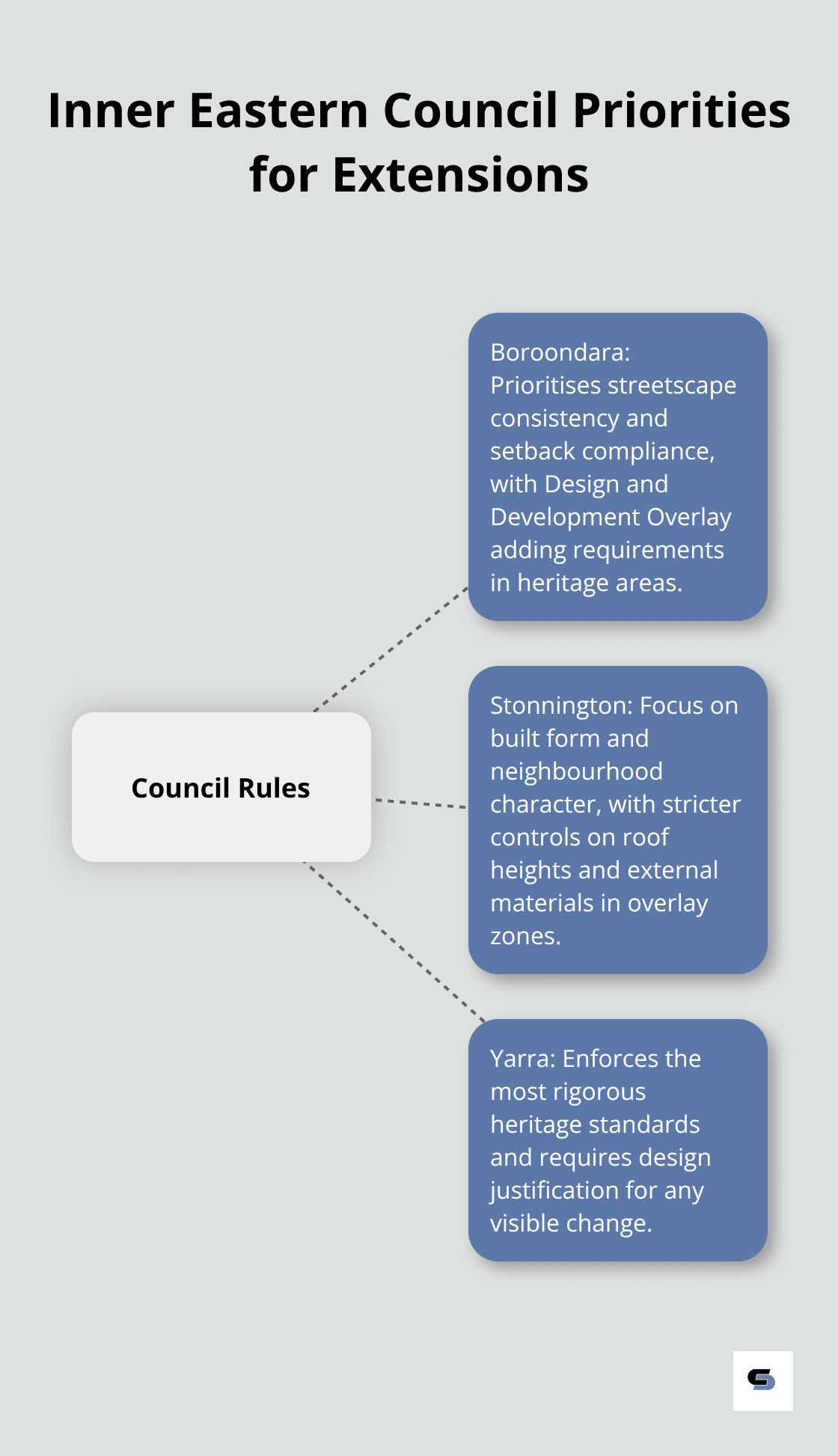
We at Cameron Construction know that designing for Inner Eastern Melbourne means working with three distinct council environments, each with different expectations and assessment criteria. Boroondara prioritises streetscape consistency and setback compliance, particularly in heritage areas where the Design and Development Overlay imposes additional requirements beyond standard planning rules. Stonnington focuses heavily on built form and neighbourhood character, with stricter controls on roof heights and external materials in overlay zones. Yarra enforces the most rigorous heritage standards, requiring design justification for any visible change to existing structures.
Check VicPlan early-this free Victorian Government tool shows your exact zone and overlays before you spend money on preliminary designs. A 15-minute planning officer call to your council costs nothing and prevents designing something that won’t obtain approval. Projects that skip this step often face redesign three times over; the first consultation saves weeks and thousands in unnecessary design iterations.
Maximising Natural Light in Compact Spaces
Natural light transforms how tight blocks feel, and this matters more in Inner Eastern extensions than anywhere else in Melbourne because blocks average 300–500 square metres with limited frontage. Second storey additions often reduce light to ground floor living areas, so placement and window design become critical. North-facing windows maximise winter solar gain without creating summer heat, while skylights and rooflight placement above stairwells and hallways distribute light deeper into narrow floor plates.
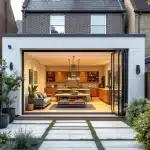
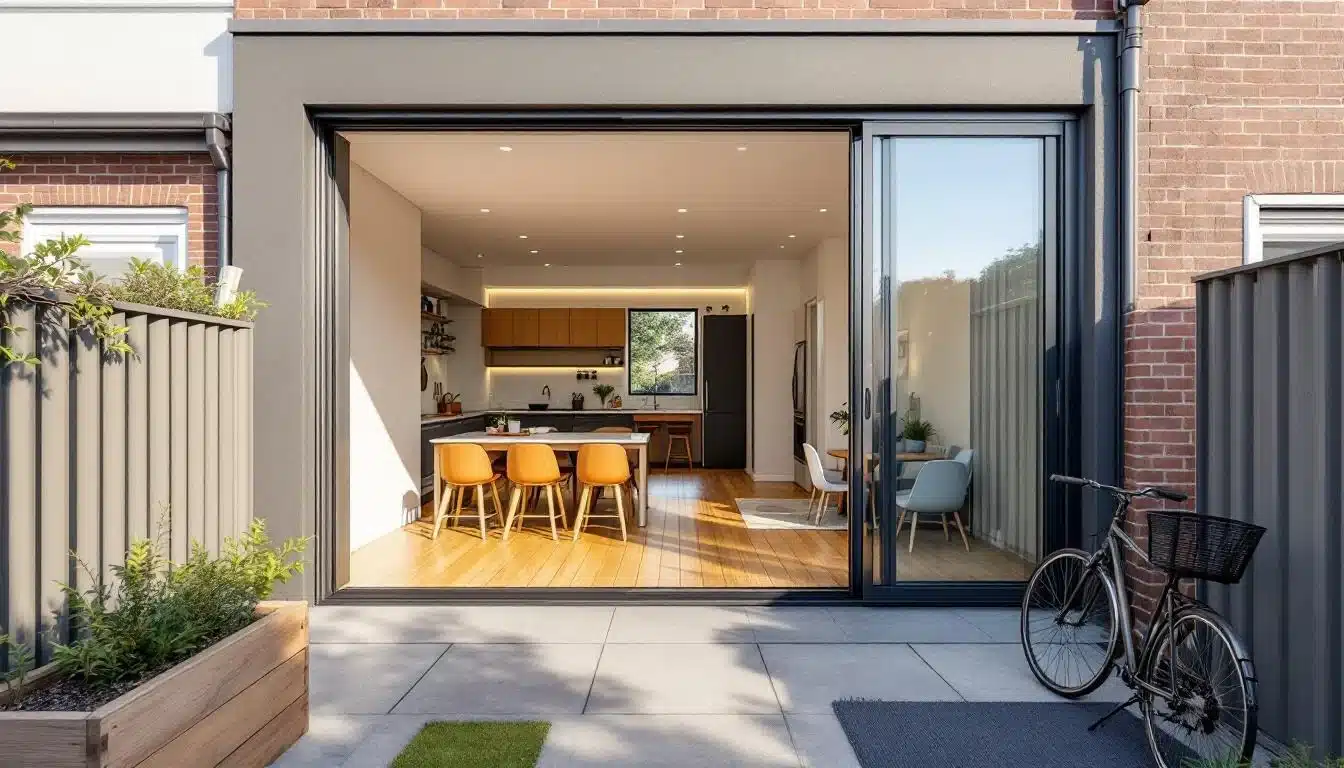
Clerestory windows above first-floor walls bring light to second storey bedrooms without sacrificing privacy or creating overlooking issues with neighbours. Ground floor additions work differently-extending kitchens or living areas toward rear gardens captures natural light through larger openings that wouldn’t work on street frontages where heritage or streetscape controls limit glazing.
Space Planning for Second Storey and Ground Floor Additions
Second storey additions on narrow Boroondara and Stonnington blocks typically measure 40–60 square metres, so every square metre must function hard. Master bedrooms with ensuite bathrooms occupy roughly 18–22 square metres, leaving 18–40 square metres for additional bedrooms, home offices, or expanded living space. Ground floor additions on the same blocks typically add 20–35 square metres, often resolving kitchen congestion or creating dedicated workspace that transforms how families use their homes.
Working With Heritage Constraints as Design Drivers
Heritage overlays restrict material choices and external appearance, but this constraint actually improves outcomes when designers work with local character rather than against it. Extensions matching existing roof pitch, material colour, and window proportions obtain first-submission approval far more consistently than contemporary designs that ignore context, even when contemporary designs are technically compliant. Thoughtful design that respects the existing character while delivering modern functionality separates quality work from generic additions. Extensions that ignore heritage context fail planning assessment, waste 8–12 weeks of your timeline, and require complete redesign.
The Heritage Owner’s Guide and Melbourne Planning Scheme confirm that permits are mandatory for all building works, including painting and external alterations. Homeowners who invest in designers experienced with heritage properties actually move faster than those attempting generic designs in overlay areas, because heritage-informed design obtains approval on first submission rather than cycling through amendments.
What Extensions Really Cost in Inner Eastern Melbourne
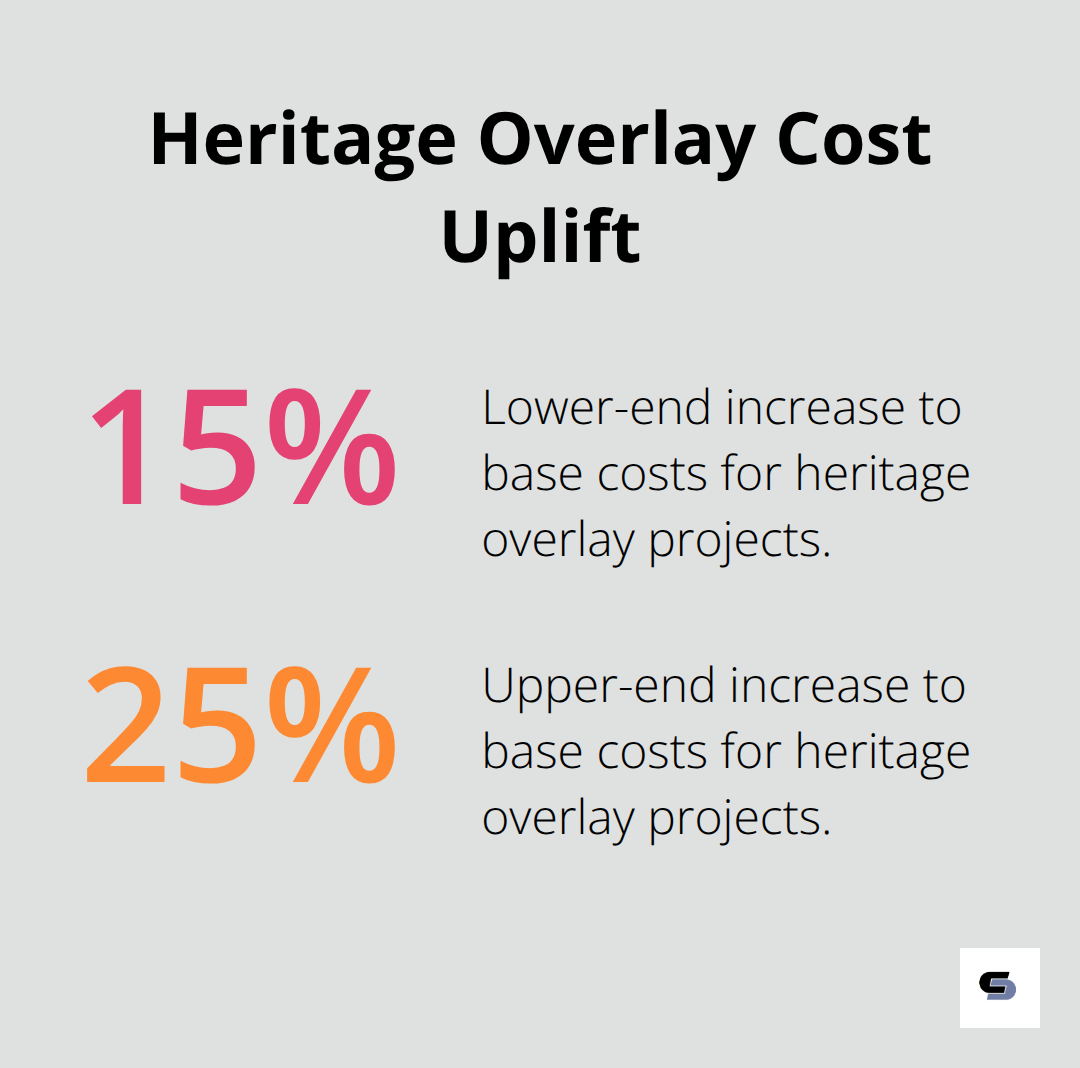
Extension budgets in Inner Eastern suburbs split into three distinct price bands, and understanding where your project sits matters before you commit to design work. Ground floor additions measuring 25–35 square metres cost $120,000–$180,000 fully completed, which translates to roughly $4,200–$5,500 per square metre including design, permits, construction, and finishing. Second storey additions on narrow blocks (40–60 square metres) range from $180,000–$280,000, placing per-square-metre costs at $4,000–$4,800 because vertical construction on existing foundations costs less than ground extensions that require new footings and drainage work. Full double storey extensions combining ground and upper additions reach $350,000–$550,000 depending on complexity, heritage constraints, and site conditions. These figures assume standard construction timelines of 16–24 weeks and do not include land costs or major structural upgrades. Heritage overlay projects typically add 15–25% to base costs because material specifications, external detailing, and design approvals demand more specialist input than standard residential work.
How Permit Costs Impact Your Timeline
Permit costs themselves remain modest compared to construction expenses, but timelines around approvals directly impact your total project cost. Planning permits in Boroondara, Stonnington, and Yarra cost between $2,000–$4,500 depending on project complexity and whether your proposal triggers additional assessments. Building permits add another $1,500–$2,500. However, the real cost driver sits in project timeline delays: extensions delayed 12 weeks through planning amendments incur carrying costs, extended site supervision, and inflation impacts that easily exceed $15,000–$25,000. Extensions that obtain first-submission planning approval save this cost entirely.
Value Returns From Second Storey Additions
Properties with well-designed extensions in high-demand Inner Eastern suburbs command measurable premiums at resale because space constraints make additional square metres genuinely scarce. A second storey addition delivering 50 square metres of usable space typically adds $200,000–$280,000 to resale value in Boroondara and Stonnington, meaning the extension essentially pays for itself through increased property value while simultaneously solving immediate space problems.
Ground Floor Additions and Kitchen Value
Ground floor additions show similar value uplift, though kitchen and living space expansions typically deliver stronger value returns than additional bedrooms in tight urban contexts where buyers prioritise functional living areas over bedroom count.
Final Thoughts
Melbourne inner eastern extensions solve the space problem that forces families to abandon established suburbs. Rather than accepting relocation costs exceeding $250,000 and losing connection to your neighbourhood, extending your existing home delivers equivalent space at roughly one-third the price while building equity in a property you already know and value. The planning landscape has shifted in your favour, with Victoria’s streamlined assessment pathways now delivering approvals within 30 days for standard residential additions.
Professional design and planning separate projects that move smoothly from concept to completion from those that cycle through amendments and redesigns. Consulting your council planning officer before finalising designs costs nothing and typically prevents costly revisions. Designers experienced with heritage constraints and council-specific requirements in Boroondara, Stonnington, and Yarra obtain approvals faster than generic approaches, because thoughtful design that respects local character obtains first-submission approval rather than triggering assessment delays.
Second storey additions typically add $200,000–$280,000 to resale value in high-demand Inner Eastern suburbs, meaning your extension essentially pays for itself while solving immediate space problems. Ground floor additions show similar uplift, particularly when they resolve kitchen congestion or create functional living space that buyers prioritise in tight urban contexts. Contact Cameron Construction to discuss how an extension transforms your home and neighbourhood connection.
![Second Storey Additions For Growing Families [Guide]](https://www.cameronconstruction.com.au/wp-content/uploads/emplibot/second-storey-additions-hero-1772259809-150x150.webp)