
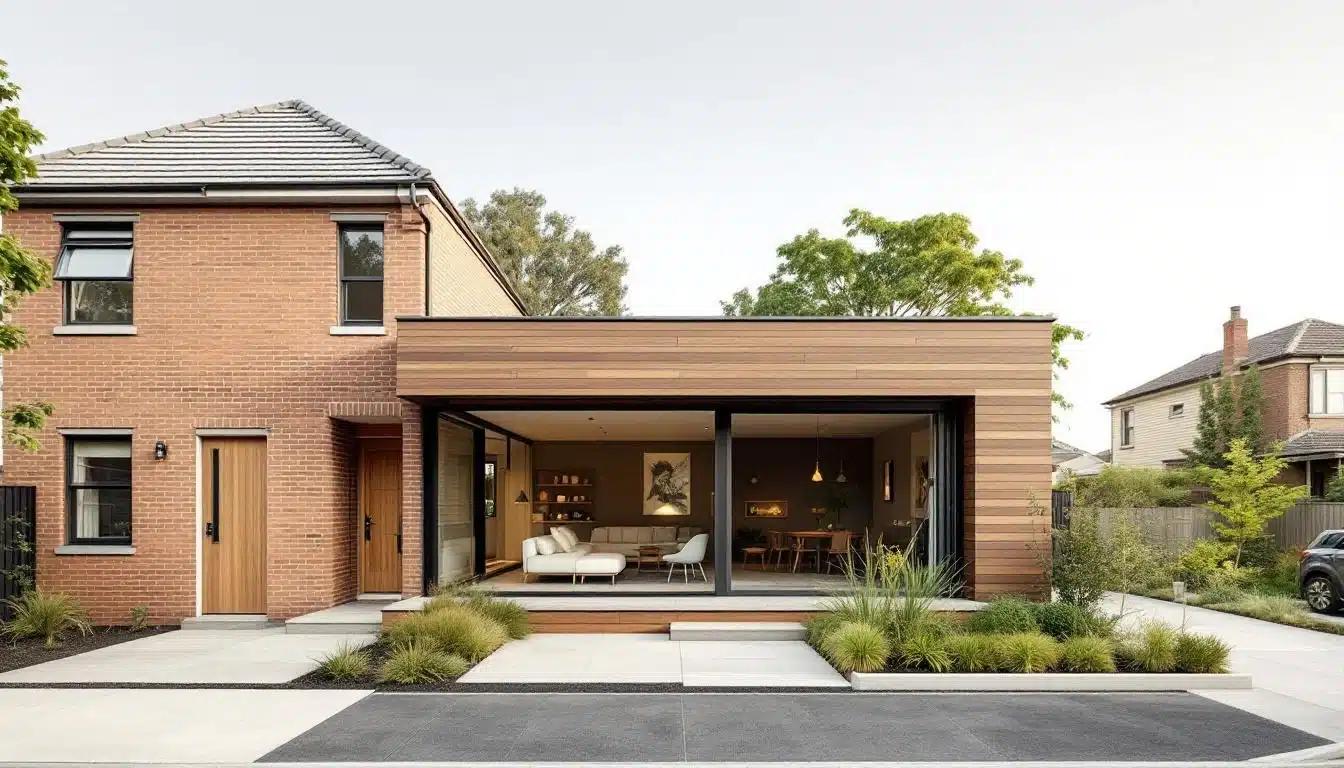
Melbourne Home Extensions Case Studies: Real Projects, Real Value
Melbourne home extensions case studies show what’s genuinely possible when you invest in quality design and construction. We at Cameron Construction have seen firsthand how the right extension transforms both your home and its market value.
This post shares real projects from Melbourne homeowners-double storey additions, ground floor expansions, and second storey conversions-along with the practical decisions that made them work. You’ll also learn how to navigate permits, difficult sites, and heritage requirements so your project runs smoothly.
Extensions That Deliver Measurable Value
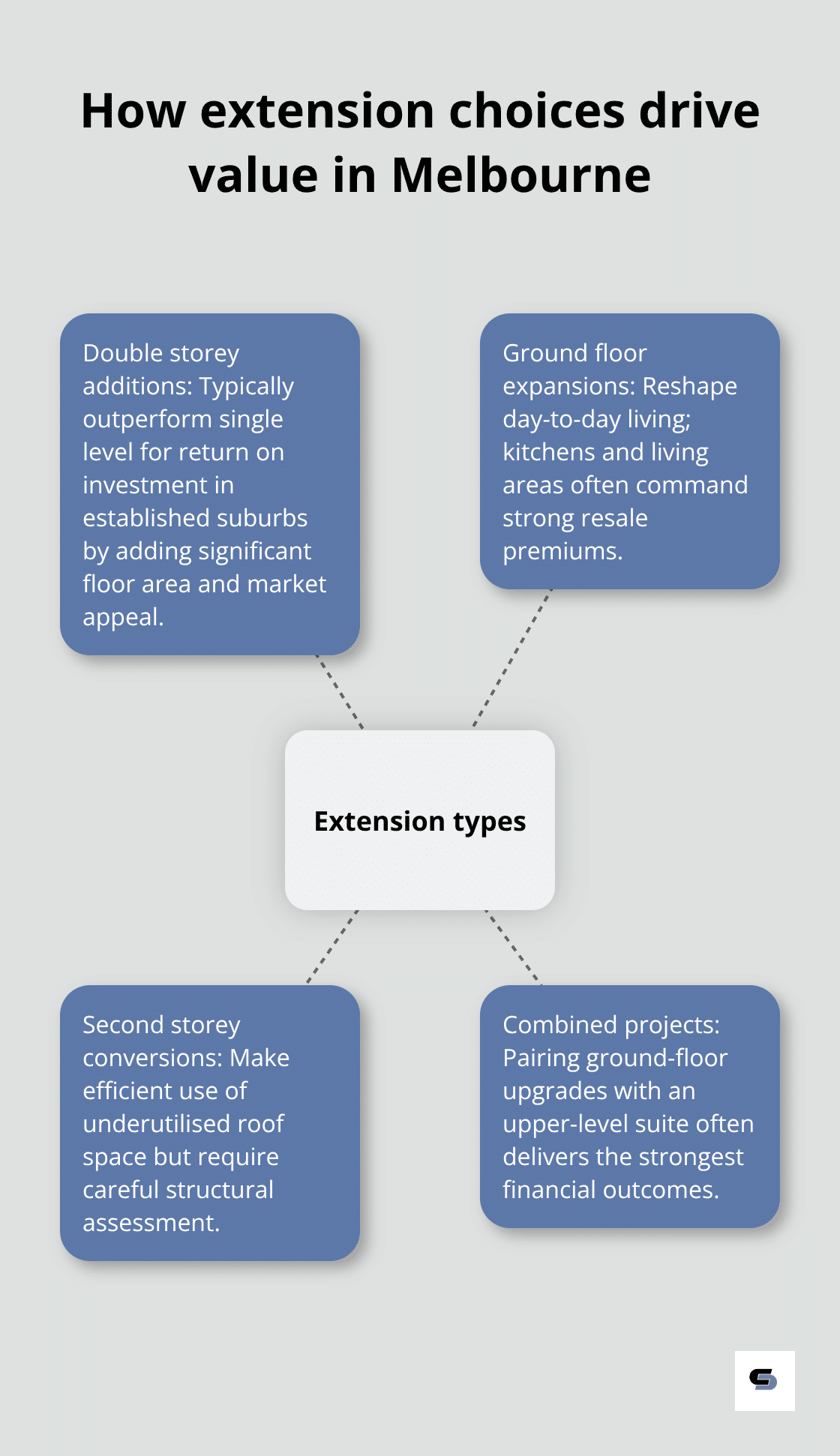
Why Extension Type Matters for Return on Investment
Double storey additions consistently outperform single level extensions when Melbourne homeowners want genuine return on investment. A second storey on an established family home typically adds 30–40% more floor area than a ground floor extension alone, and the value uplift reflects this. Ground floor additions work differently-they reshape how families actually use their homes, which is why kitchen and living space extensions command strong resale premiums. Second storey conversions on properties with underutilised roof space represent the most efficient use of your existing footprint, though they demand careful structural assessment.
Projects combining multiple extension types-say, a ground floor kitchen expansion paired with a second storey bedroom suite-often deliver the strongest financial outcomes because they address both immediate lifestyle needs and long-term market appeal. Better-designed spaces with modern systems reduce running costs and improve daily comfort, both factors buyers notice at inspection.
Heritage Overlays and Planning Requirements
Heritage overlays in suburbs like Fitzroy and South Yarra require planning permits for all works, including painting and fencing. Early consultation with a heritage specialist saves months of delays and rework. The Building and Plumbing Commission requires registered builders for work over $10,000 and a major domestic building contract for projects exceeding this threshold, even if split into stages.
Structural and Site-Specific Decisions
Sloping blocks demand foundation design based on actual soil reports-skipping this step leads to cost blowouts when footings need adjustment mid-project. Soil data informs accurate pricing and prevents structural surprises that blow budgets and timelines.
Practical Upgrades That Increase Appeal
Lighting upgrades in extensions-replacing halogen with LED-cost relatively little but improve both immediate appeal and energy bills, making them a standard inclusion in quality builds. Rainwater harvesting systems reduce mains water demand and appeal to environmentally conscious buyers; a 2000 litre tank can reduce daily water use by approximately 100 litres.
Getting the Design Right From the Start
In-house designers work through these specifics during concept development, ensuring your extension aligns with planning rules, structural requirements, and your actual budget before construction begins. This upfront clarity prevents costly changes and keeps projects on track. The decisions you make at the design stage-from material selection to system efficiency-directly shape both your immediate experience and your home’s future market position.
Maximising Value From Your Extension Investment
Match Your Extension Type to Local Market Demand
The financial return from a Melbourne home extension depends almost entirely on decisions made during design and planning, not during construction. When you select the wrong extension type for your property or location, you can spend $150,000 on work that adds only $100,000 to market value. This pattern repeats constantly, and it remains almost entirely preventable. The most profitable extensions align three critical factors: your immediate lifestyle needs, your local market preferences, and structural feasibility.
A double storey addition on a Toorak family home typically generates stronger resale value than the same addition in an outer suburb, because local buyers expect and pay for vertical expansion in established inner-ring neighbourhoods. Ground floor kitchen and living extensions outperform bedrooms in suburbs where families represent the primary buyer demographic. Second storey conversions work best on properties with adequate roof space and good northern exposure, because they cost less than a full second storey build and buyers recognise the efficiency.
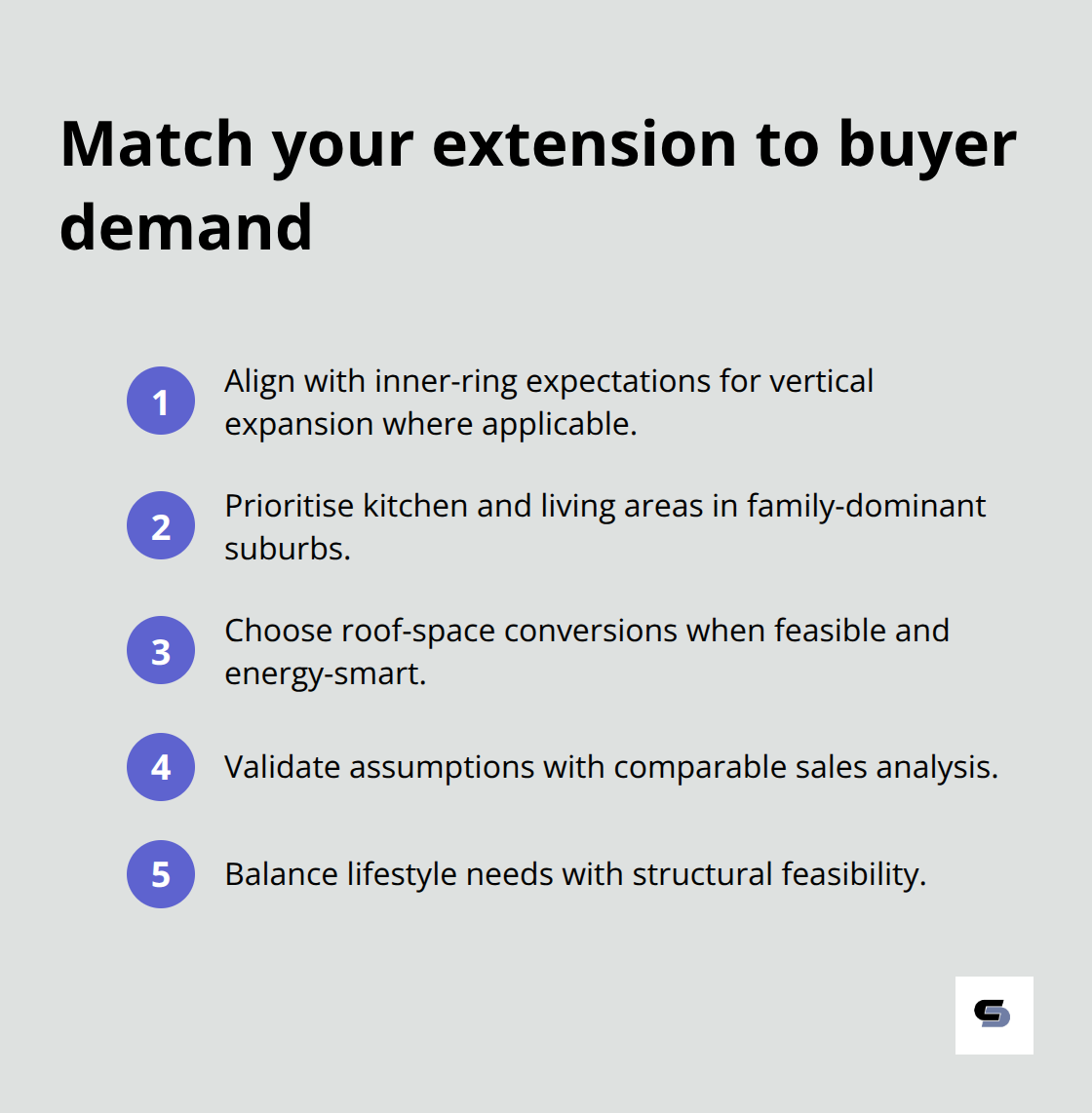
Your extension type should match what buyers in your specific suburb actually want. This isn’t guesswork-your designer should analyse comparable sales in your area to confirm the extension type generates genuine value uplift before you commit budget.
Invest in Quality Design at the Planning Stage
Design quality directly impacts both resale premium and your day-to-day satisfaction, which is why investing in experienced designers at the planning stage almost always returns more than it costs. Poor design leads to cost overruns, planning delays, and spaces that fail to function well enough to justify the expense. Quality design specifies materials, systems, and spatial relationships that work together, reducing waste during construction and ensuring systems operate efficiently long-term.
When you work with builders experienced in your specific extension type-double storey, ground floor, or second storey conversion-they spot problems early and solve them affordably. Inexperienced builders often discover structural or planning issues mid-project, when fixing them costs ten times more.
Select and Verify Your Builder Carefully
Your builder must hold registration with the Building and Plumbing Commission for work over $16,000 and provide domestic building insurance. Obtain at least three written quotes and compare not just price but specifications, timelines, and material choices.
Ask referees about whether the builder communicates changes in writing, provides progress updates, and delivers work matching the contract. A builder’s willingness to document everything in writing-variations, stage payments, material selections-stands as the strongest predictor of a project that stays on budget and schedule. This documentation protects you and keeps all parties accountable throughout the build.
What Really Stops Extensions and How to Fix It
Planning Permits and Council Requirements
Permits and planning delays frustrate Melbourne homeowners more than any other extension challenge, yet most delays stem from decisions made months before you submit paperwork. Homeowners finalise a design without checking planning requirements, submit applications that clash with heritage overlays or setback rules, then face rejection and costly redesign. The City of Melbourne Planning Scheme and your specific council’s controls determine what’s actually possible on your property. Ground floor extensions in heritage suburbs like Fitzroy require planning permits for all works, including painting, while properties in the Central City Zone face distinct permit requirements that differ from outer suburbs.
Call your council’s planning officer before you hire a designer-this single conversation prevents months of rework. Planning permits in Melbourne require assessment once submitted, but this timeline assumes complete applications with all required supporting documents. Incomplete applications face rejection and resubmission, extending timelines further. Ensure your designer or architect prepares comprehensive plans with detailed material and appliance lists before submission.
Building Contracts and Insurance Requirements
For projects exceeding $10,000, the Building and Plumbing Commission requires a major domestic building contract in writing. Work must stop if your builder cannot produce a current certificate of domestic building insurance covering your project address and cost. Your contract should clearly state who obtains planning and building permits and who covers costs if changes become necessary due to permit conditions or council requirements.
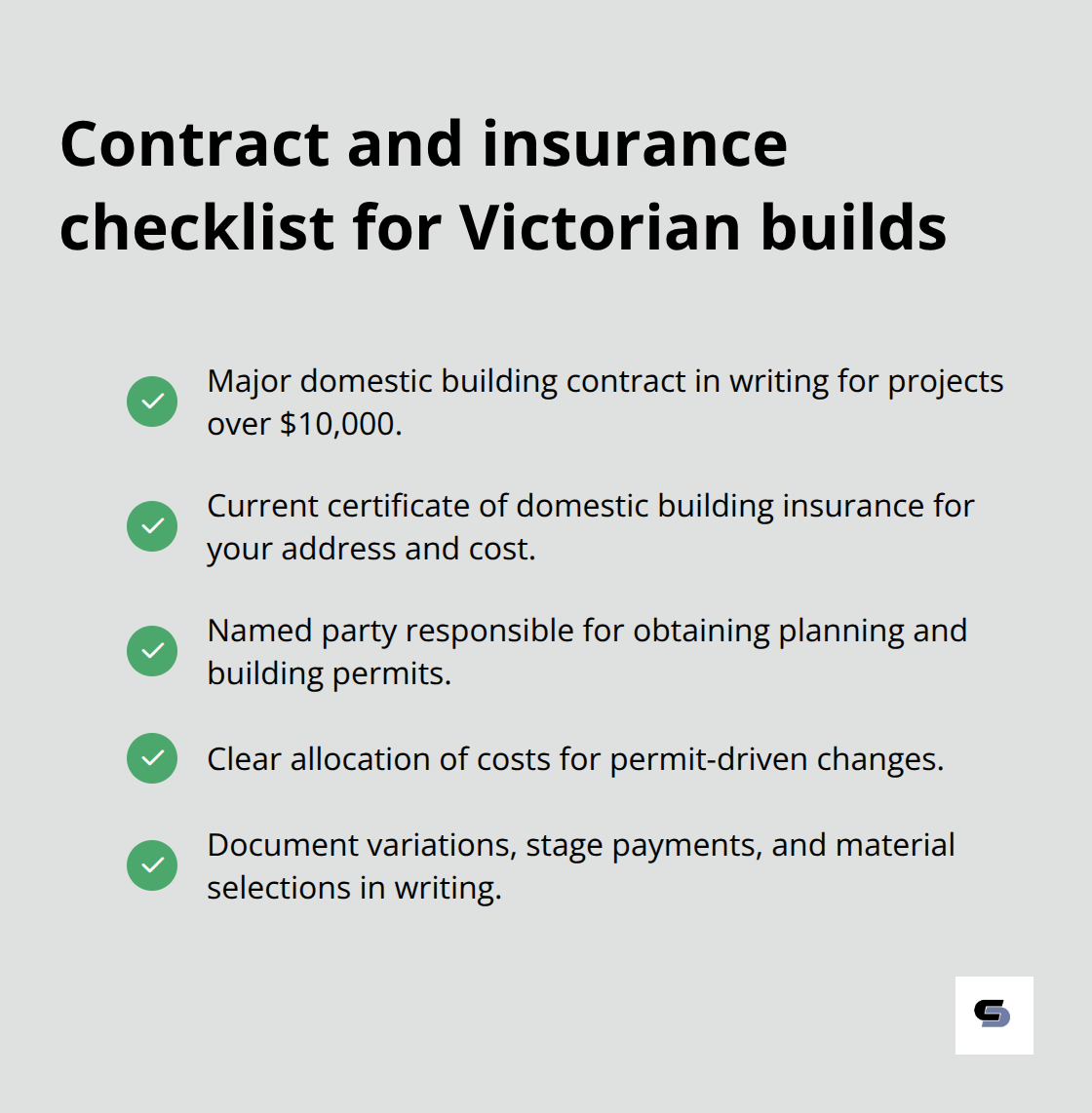
Document everything with your builder in writing: variations, stage payments, and material selections. A builder’s willingness to record all changes protects you and keeps all parties accountable throughout the build.
Soil Reports and Foundation Design
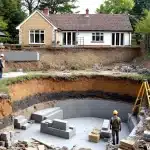
Soil reports and foundation data matter far more than most homeowners realise. Sloping blocks demand engineering-based footings designed around actual ground conditions, not assumptions. Projects where builders quoted footings without soil data often discovered clay requiring deeper or more expensive foundations mid-construction. This type of surprise adds $20,000–$40,000 to timelines and budgets.
Request a soil report before finalising your design so structural costs reflect reality. The foundation data from your soil report should directly inform your builder’s pricing for variations-if ground conditions differ from expectations, your contract should specify how costs adjust based on actual conditions discovered during excavation, not arbitrary charges.
Heritage Overlays and Additional Complexity
Heritage overlays in Melbourne suburbs trigger additional complexity because any work-including exterior painting or fence modifications-requires a heritage planning permit. The Heritage Owner’s Guide from your council explains obligations, and early consultation with a heritage specialist prevents redesigns that waste months. For properties within heritage overlays, factor in additional heritage assessment time beyond standard planning timelines.
Council House 2 in Melbourne demonstrates that heritage buildings can achieve world-class sustainability ratings when retrofitted properly, but this requires specialists who understand both heritage constraints and modern building standards.
Sloping Blocks and Structural Challenges
Extensions on slopes require retaining walls, stepped foundations, or split-level designs that add cost but solve drainage and access problems permanently. Poor foundation design on slopes leads to cracking, water ingress, and structural failure that costs far more to remedy years later than investing in proper engineering upfront.
Heritage properties on sloping blocks present compound complexity because you must satisfy heritage requirements, structural engineering, and drainage all simultaneously. Early coordination between your heritage consultant, structural engineer, and builder prevents conflicting requirements that delay approvals or force expensive compromises.
Final Thoughts
Melbourne home extensions case studies show that success hinges on three factors working together: clear planning decisions made early, experienced builders who document everything in writing, and designers who understand both your lifestyle needs and local market demand. Homeowners who invested time in design quality, verified their builder’s credentials, and confirmed planning requirements before construction began finished on budget and on schedule. Those who skipped these steps faced delays, cost overruns, and spaces that failed to deliver the value they expected.
Your extension type shapes both how you live in your home and what buyers will pay for it later (double storey additions, ground floor expansions, and second storey conversions each serve different purposes depending on your suburb and property). Professional design and build quality prevent the costly mistakes that emerge mid-project when soil reports catch foundation surprises, heritage consultants identify permit requirements, and experienced builders spot structural conflicts early. Documentation in writing-variations, stage payments, material selections-keeps all parties accountable and protects your investment throughout the build.
Start by speaking with a planning officer at your council and a designer experienced in your specific extension type, as these conversations cost nothing and prevent months of rework. When you’re ready to move forward, contact Cameron Construction to discuss your project and explore how professional design and build delivers genuine value.


![Heritage Extensions That Respect Original Character [Guide]](https://www.cameronconstruction.com.au/wp-content/uploads/emplibot/heritage-extensions-hero-1772691912-150x150.webp)