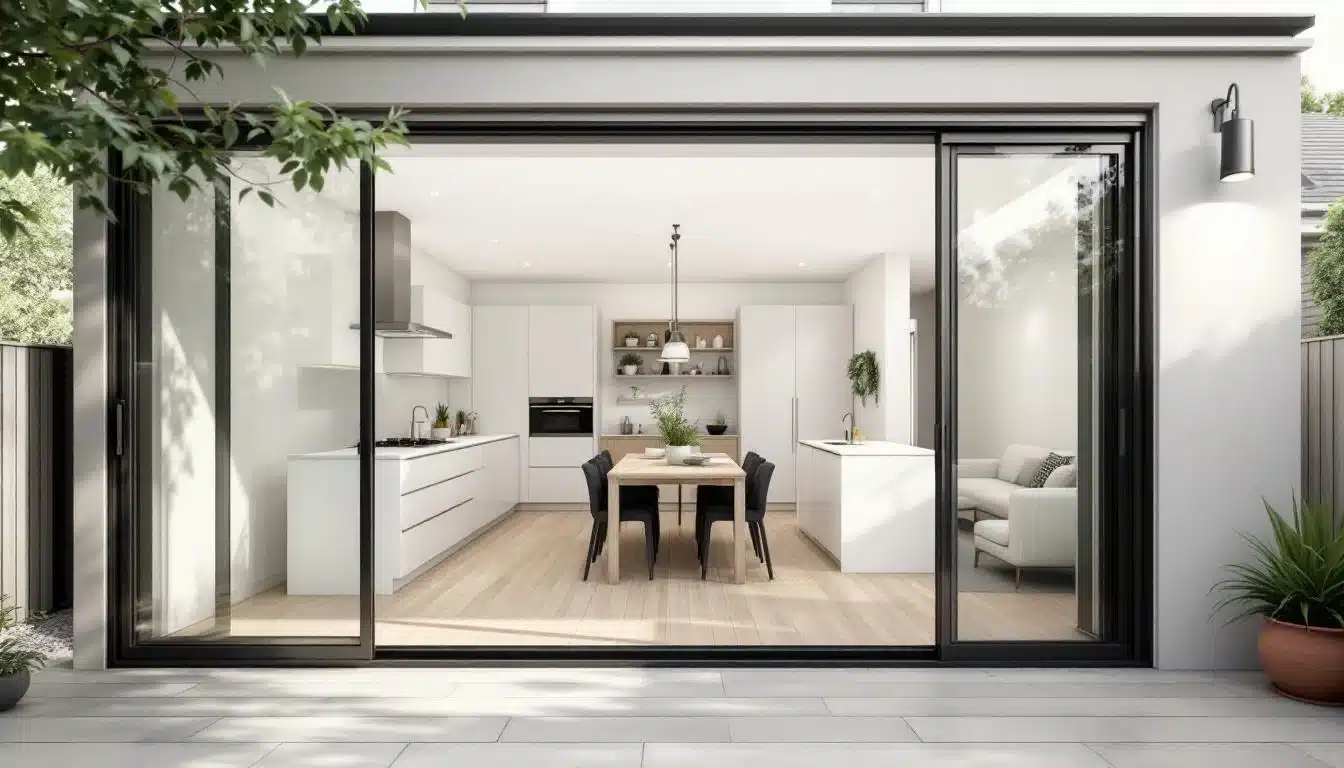
Melbourne Ground Floor Extension: Practical Layouts for Modern Living
A Melbourne ground floor extension transforms how your family lives at home. It adds genuine space without the complexity of a second storey, and it connects your indoor areas to your outdoor living zones in ways that matter.
We at Cameron Construction have spent over 40 years designing extensions that work with Melbourne’s unique blocks and council requirements. This guide shows you the layouts that actually function for modern living.
Why Ground Floor Extensions Make Sense for Melbourne Homes
Planning Rules Favour Ground Floor Additions
A ground floor extension works because it sits within the planning rules that Melbourne councils actually enforce. Under Clause 54 and 55 of the Victorian Planning Scheme, a residential extension must meet stated objectives and standards, and a ground floor addition typically clears these hurdles far more easily than a second storey. Your site coverage caps at 60% unless your local schedule says otherwise, your building height stays at 9 metres, and your setbacks follow a clear formula based on wall height. This means you avoid the complexity of overlooking provisions, solar access calculations for neighbours’ windows, and the height restrictions that stop second storey projects cold on many blocks.
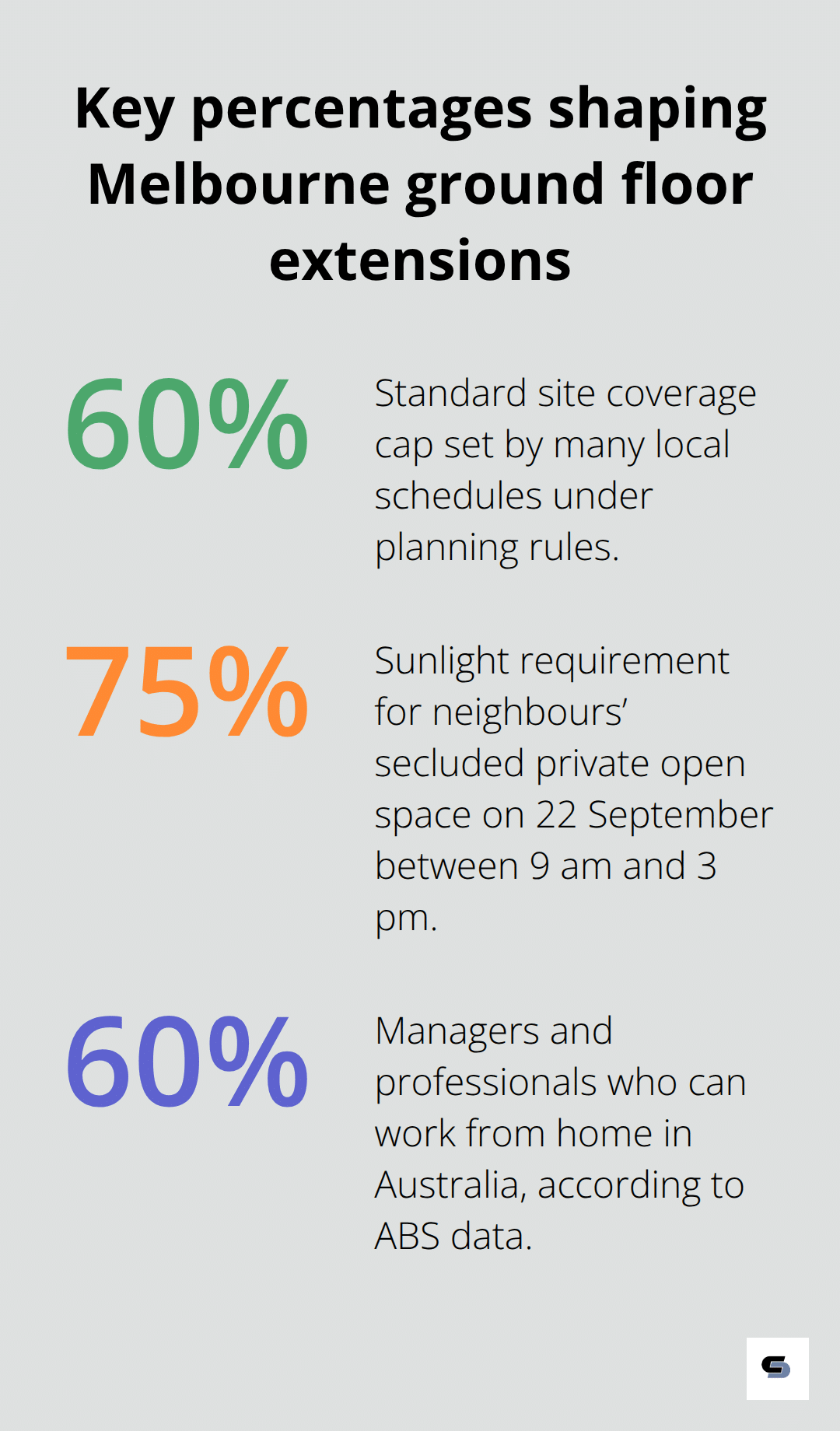
A ground floor extension also preserves your existing roofline and doesn’t compete with overshadowing rules that protect your neighbour’s secluded private open space, which must receive at least five hours of sunlight between 9 am and 3 pm on 22 September.
Cost Efficiency Compared to Second Storeys
Adding 30 to 50 square metres of living space at ground level typically costs less per square metre than building a second storey because you avoid engineering new floor structures, managing roof modifications, or installing additional stairs. An extension that connects seamlessly to your existing kitchen or living zone also increases functionality immediately-your family uses the new space from day one, not after months of disruption. Your new layout works harder because it removes the friction between old and new spaces.
Energy Performance and Modern Living Standards
NCC 2022 energy efficiency requirements now apply to extensions, so your new space must meet a Whole of Home rating target aligned with the National Construction Code’s energy budget. Modern layouts incorporate north-facing windows and shading that reduce heating and cooling costs, which directly lowers your ongoing energy bills. A well-designed ground floor extension that maximises natural light and outdoor connection also commands stronger resale appeal than poorly connected internal spaces, particularly as pandemic experience showed that Melbourne buyers value seamless indoor–outdoor flow and dedicated work-from-home zones.
Property Value and Market Appeal
Properties with functional, well-integrated extensions hold their value better through market cycles because they solve genuine living problems rather than add square metres for their own sake. The financial case is equally practical: your investment in a ground floor extension translates to immediate usability and long-term market strength.
These planning and financial advantages set the stage for the practical layouts that actually work in Melbourne homes.
Layouts That Solve Real Living Problems
Open-Plan Living Connects Indoor and Outdoor Space
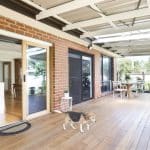
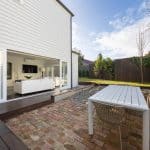
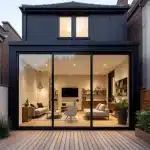
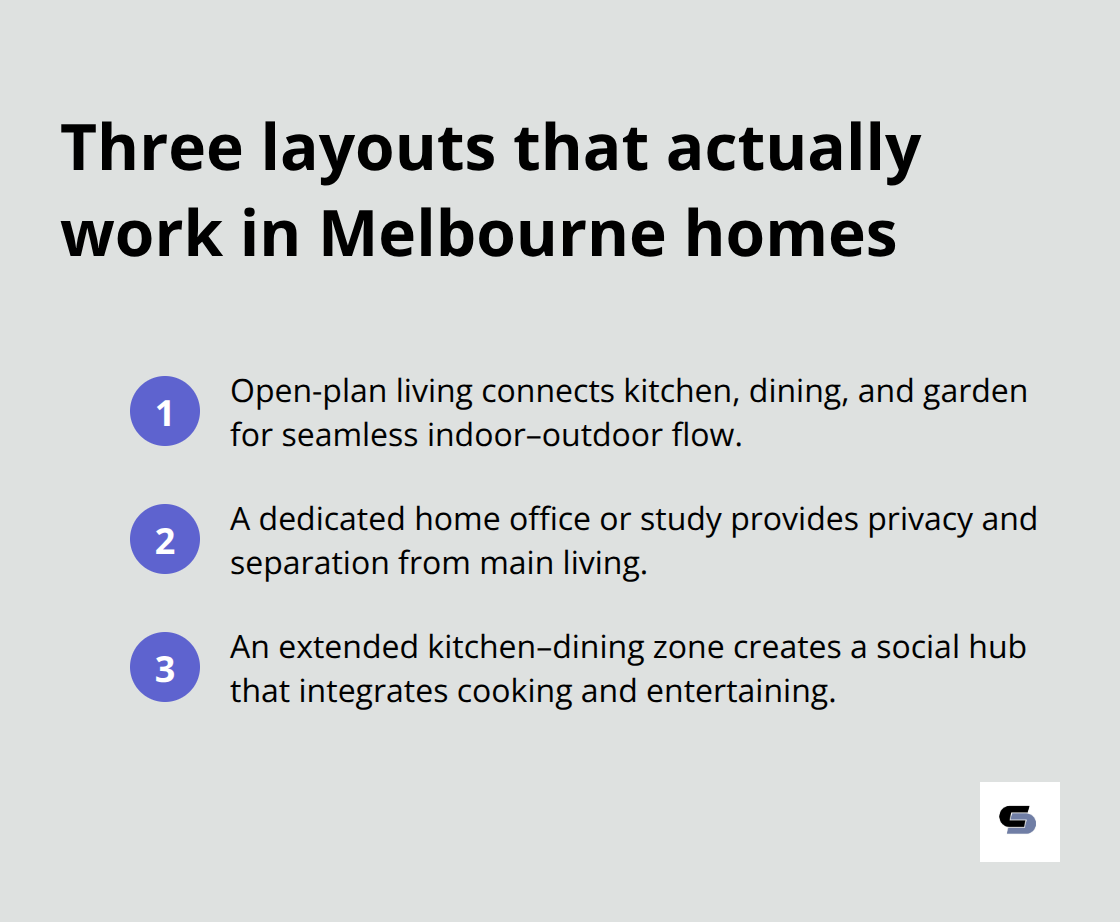
The most effective ground floor extensions we design fall into three working categories, each addressing a specific gap in how Melbourne families actually live. Open-plan living that connects directly to outdoor space works because it removes the dead zones between your kitchen, dining, and garden. A 30 to 40 square metre extension with full-width sliding doors and a northern aspect captures daylight all day and lets you watch children in the yard while cooking.
Under NCC 2022, your extension must target a Whole of Home rating aligned with the energy budget, which means north-facing windows with proper shading reduce heating and cooling costs.
Dedicated Home Office Zones Support Remote Work
The second layout type addresses remote work reality: a dedicated home office or study zone that sits separate from your main living area but connects to the extension footprint. Australian Bureau of Statistics data shows that around 60 per cent of managers and professionals can work from home, and pandemic experience proved that families need distinct zones to separate work from living. A 15 to 20 square metre study with good natural light, a door for privacy, and proximity to a bathroom or kitchenette functions far better than a desk crammed into a corner of your living room.
Extended Kitchens Create Social Gathering Spaces
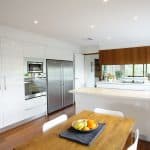
Extended kitchens with integrated dining areas form the third practical category, and this layout works because it solves the single biggest frustration in older Melbourne homes: cramped kitchens that isolate the cook from family activity. A 25 to 35 square metre kitchen-dining extension that flows directly into your existing living zone creates genuine social space where cooking, eating, and entertaining happen as one activity rather than three separate tasks.
Narrow Blocks Demand Strategic Design Moves
Site constraints on narrow or sloping blocks demand specific design moves. On a narrow block, your extension must prioritise depth over width, so a single-loaded layout with the main living space on one side and service areas on the other maximises usable floor area and prevents the space feeling like a corridor. Sloping blocks require your builder to manage level changes carefully: a split-level extension that steps with the slope costs less than extensive retaining walls and creates natural room divisions without walls.
Compliance and Accessibility Build Long-Term Value
When you work with your building designer and builder early, they can propose an alternative design solution under Clause 54 and 55 if your extension doesn’t meet the standard layout rules but demonstrably meets the objectives. Your registered building surveyor has discretion to determine what is reasonable in terms of upgrades, and partial compliance may be allowed when full compliance is impractical. The key is documenting these decisions through the permit process rather than discovering conflicts mid-build. Energy performance and liveable housing provisions under NCC 2022 also apply to your extension, so your layout must include accessible circulation, proper door widths, and step-free entry if the works affect your building entrance. These requirements make your space genuinely functional for all ages and mobility levels, which directly supports long-term market value and usability. Understanding how these practical layouts interact with Melbourne’s specific site conditions and building codes shapes the next critical phase: navigating the approval process itself.
What Really Stops Ground Floor Extensions in Melbourne
Site Constraints Compress Your Usable Space
Narrow blocks and sloping sites demand specific design moves that most homeowners underestimate. On a narrow block, your extension must prioritise depth over width because a single-loaded layout with the main living space on one side and service areas on the other maximises usable floor area and prevents the space feeling like a corridor. Sloping blocks require your builder to manage level changes carefully: a split-level extension that steps with the slope costs less than extensive retaining walls and creates natural room divisions without walls.
The real challenge emerges when you combine site constraints with Melbourne’s planning rules. Your front setback must be at least 6 metres on Transport Zone 2 streets and 4 metres on others, which compresses how far forward your extension can reach. Your side and rear setbacks depend on wall height-for walls between 3.6 and 6.9 metres, you need 1 metre plus 0.3 metres for each metre of height above 3.6 metres. This formula shrinks your usable footprint significantly on tight lots.
Overshadowing Rules Restrict Wall Height and Depth
Overshadowing rules protect your neighbour’s secluded private open space, which must receive at least 75 per cent of required sunlight or 40 square metres of sunlit area, whichever is smaller, between 9 am and 3 pm on 22 September. Calculate this early with your designer because it often forces your extension backward or constrains wall height far more than you expect. This single rule stops many extensions before they start.
Planning Permits and Heritage Overlays Add Complexity
Council approvals and building codes create legitimate delays if you don’t engage the right professionals at the start. Planning permits are required for residential extensions under the Melbourne Planning Scheme, and heritage overlays add complexity-if your property sits in a heritage overlay outside the CBD, you need a permit for all works including painting and fencing.
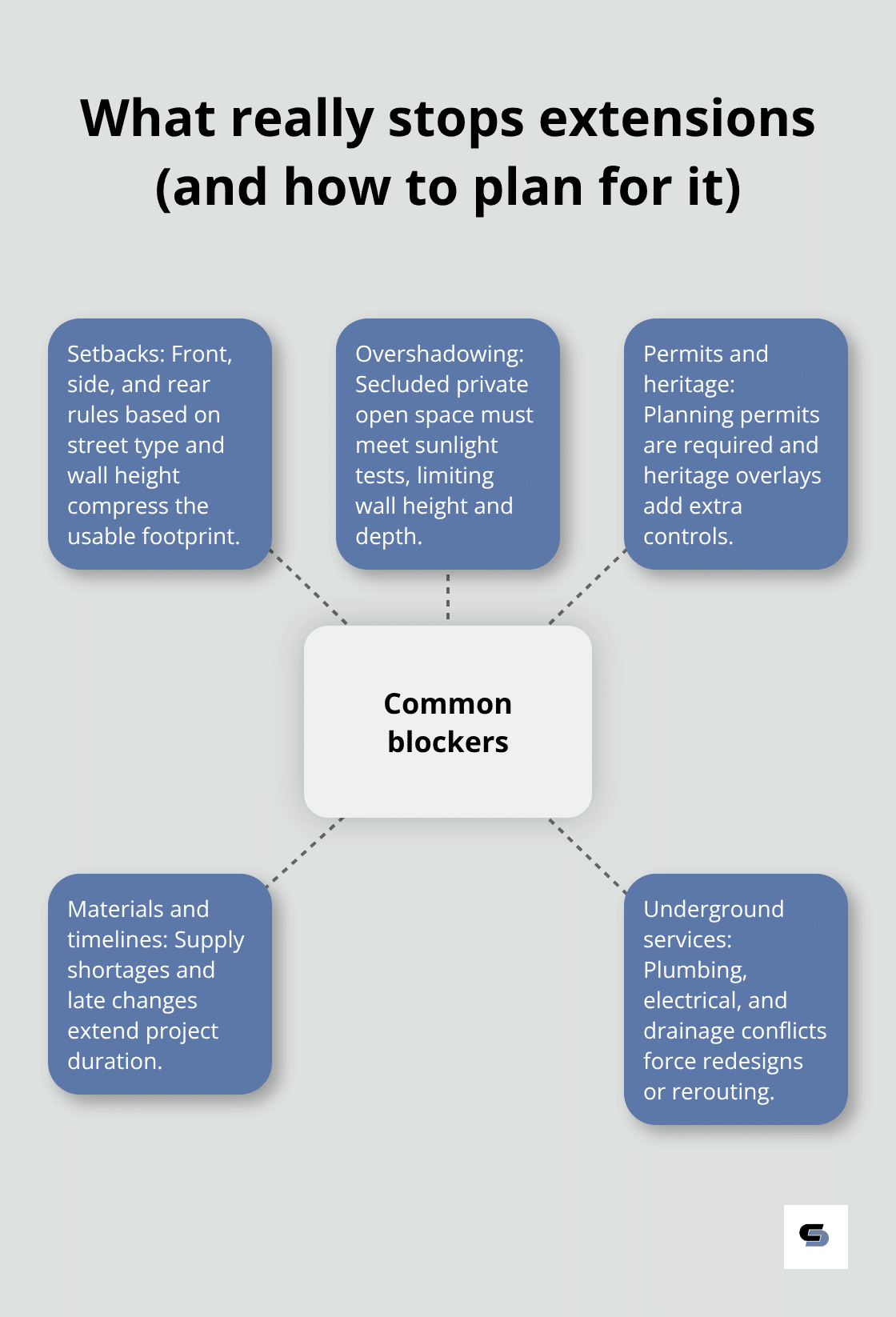
Your registered building surveyor has discretion to determine what is reasonable in terms of upgrades, and partial compliance may be allowed when full compliance is impractical. You must document these decisions using Form 18 within the building permit to avoid disputes later.
Material Shortages and Construction Timelines Extend Projects
Material shortages affect construction firms, so coordinate with your builder and suppliers early to avoid overruns. Supply delays compound when you discover conflicts mid-build rather than during the planning phase.
Underground Services Force Layout Compromises
Coordinating with existing home infrastructure means understanding how your extension connects to plumbing, electrical services, and drainage before you finalise your layout. A kitchen-dining extension that moves your cooking zone requires relocating water supply and waste lines, which costs far more if you discover conflicts mid-build. Similarly, extending into areas where underground services run can force costly rerouting or design compromises. Identifying service conflicts during the concept phase prevents expensive surprises during construction.
Final Thoughts
A Melbourne ground floor extension solves real problems only when professionals who understand your site constraints and council requirements design and build it. We at Cameron Construction have spent over 40 years building extensions that work because we start with your actual block, your existing home, and the planning rules that apply to your street. Our in-house designers, engineers, and project managers handle the entire process from concept through to completion, managing your planning permit application, navigating heritage overlays if they apply, and coordinating with your registered building surveyor to confirm your extension meets NCC 2022 energy efficiency and liveable housing provisions before construction begins.
Design changes mid-build, construction delays, and finished extensions that don’t function as intended represent the real cost of getting this wrong. We work across Melbourne’s councils, which means we understand how local schedules modify standard setback rules, how overshadowing calculations work on your specific block, and which design moves your council approves without negotiation. When site constraints force compromises, we propose alternative solutions that meet the planning objectives rather than the standard layout rules, and we document these decisions properly so your permit process stays on track.
A space your family uses from day one, energy bills that reflect modern performance standards, and a property that holds its value through market cycles represent the value of getting it right. Contact Cameron Construction to discuss your Melbourne ground floor extension concept and how we can deliver a space that works for how your family actually lives.