Inner North Renovations Melbourne: Transforming Compact Spaces with Minimal Disruption
Inner North Melbourne homes pack character and value into tight spaces. But that compact footprint creates real challenges when you want to expand.
At Cameron Construction, we’ve completed dozens of inner north renovations Melbourne projects where smart design and careful planning transformed limited square metres into functional, beautiful homes. The key is understanding how to work within your constraints-heritage overlays, narrow blocks, and close neighbours-rather than against them.
Why Inner North Homes Demand Strategic Renovations
Valuable Land, Limited Space
Inner North Melbourne properties sit on some of the city’s most valuable land. According to Domain Group data, median house prices in suburbs like Fitzroy, Carlton North, and Brunswick have climbed above $1.2 million, reflecting strong demand for established neighbourhoods with walkability and character. Yet many of these homes were built decades ago on tight blocks, typically between 300 and 400 square metres. This creates a hard reality: you own valuable real estate with limited space to work with.
A second storey addition or ground floor extension isn’t a luxury upgrade here-it’s often the only practical way to maximise the full potential of your investment without relocating. Adding just 30 to 50 square metres of well-designed space can increase property value by $150,000 to $250,000, depending on the suburb and finish quality. The math works because inner north buyers prioritise proximity to employment, universities, and transport over sprawling suburban blocks. They’ll pay premium prices for compact, efficient homes in walkable areas.
Neighbours, Heritage, and Site Access
The challenge isn’t justifying the renovation-it’s executing it responsibly. Dense neighbourhoods mean your neighbours live metres away, often in similarly narrow Victorian terraces or 1970s townhouses. Construction noise, dust, and site access directly affect their daily life, which creates friction and potential disputes if not managed carefully.
Heritage overlays protect most inner north properties, requiring planning permits for even modest additions and imposing strict design requirements that can delay approvals by 6 to 12 weeks if not handled correctly. Street parking is scarce, so construction vehicles and material deliveries compete for space with resident cars and local traffic. Poor site management stalls projects and damages community relationships.
Planning and Coordination Make the Difference
The difference between a smooth renovation and a problematic one comes down to upfront coordination with council, neighbours, and your builder. Phased construction schedules, noise management protocols, and clear communication prevent the disruption that derails projects and damages community relationships. These elements aren’t optional-they’re essential to delivering value while respecting the established character and constraints that define these neighbourhoods. Understanding how to navigate these requirements shapes everything that follows in your renovation journey.
How to Build Up, Not Out, on Inner North Blocks
Second Storey Additions Solve Space Constraints
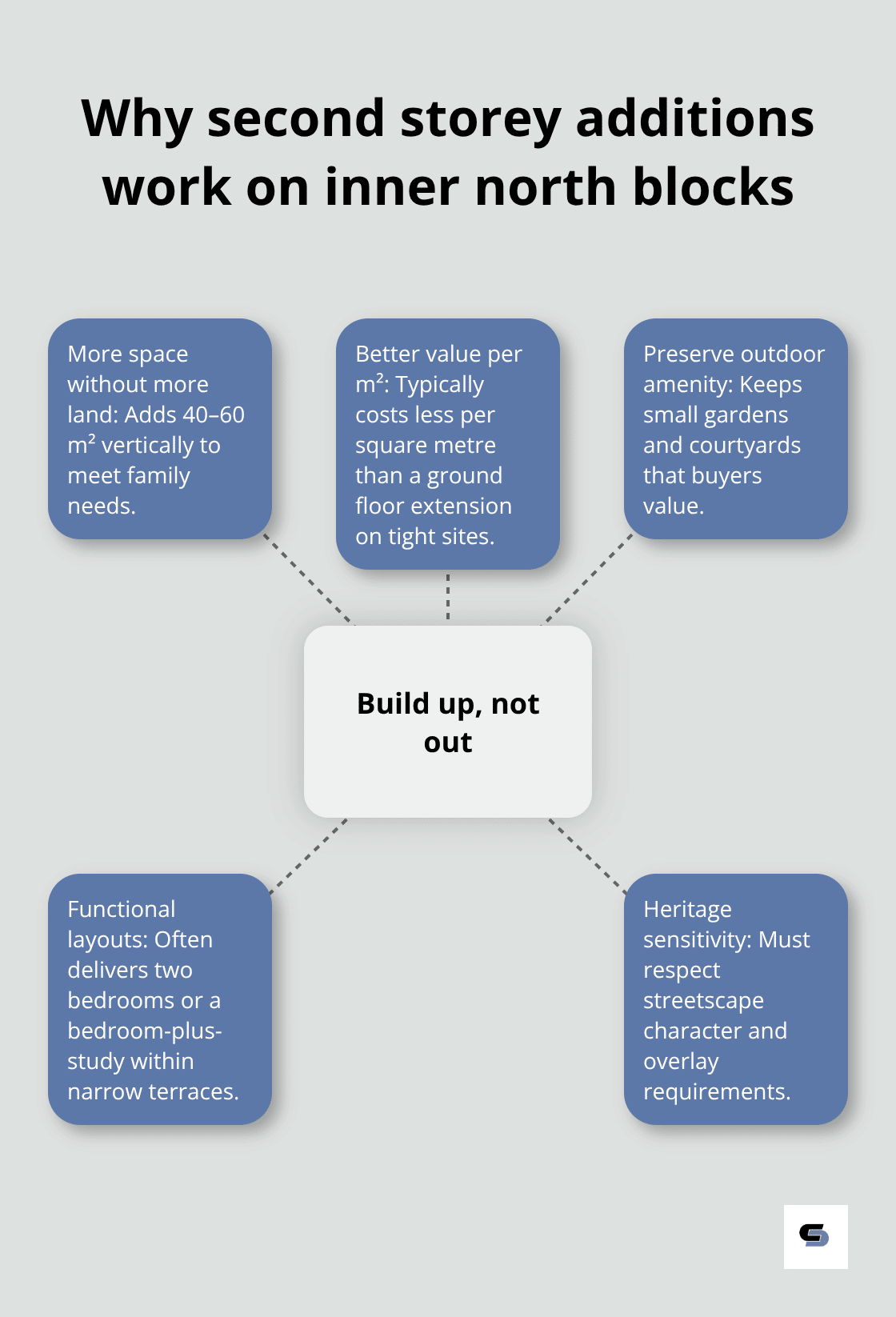
Second storey additions dominate inner north renovations because they solve the core constraint: limited land. Adding 40 to 60 square metres vertically costs less per square metre than ground floor extensions, avoids excavation complexity on tight sites, and preserves the small garden or courtyard that buyers value. A well-proportioned second storey addition on a narrow Victorian terrace typically adds two bedrooms or a bedroom-plus-study, directly addressing the space shortage that drives renovation decisions.
The challenge lies in respecting heritage requirements and streetscape character while maximising internal function.
Heritage Requirements Shape Design Decisions
Most inner north properties sit within heritage overlays, meaning your new storey must echo the existing roof pitch, material palette, and setback proportions. A 400mm setback from the front façade isn’t arbitrary-it preserves the visual separation that defines terrace-house character and satisfies heritage planners. Rear additions have more flexibility, but they still require careful detail work: stepped roof lines, compatible brickwork, and sympathetic window proportions prevent the top-heavy appearance that signals poor design.
Ground Floor Extensions Extend Living Spaces
Ground floor extensions work best at the rear, where they extend living spaces into the garden without altering street presence. A 3 to 4 metre rear extension gains 25 to 35 square metres, typically for an open-plan kitchen-dining area that modern families expect. However, setback requirements, boundary fences, and overshadowing limits on adjoining properties tighten the feasible envelope. Melbourne’s planning scheme requires detailed shadow diagrams for extensions over 3.5 metres high; these diagrams prove that your extension won’t plunge neighbours into perpetual shade during winter, a common reason for planning objections.
Smart Storage and Multi-Functional Design
Storage and flexibility within these constrained footprints separate functional renovations from frustrating ones. Narrow Victorian terraces rarely exceed 4.5 metres wide, so open-plan layouts with integrated cabinetry and built-in joinery eliminate wasted hallway space. A 60 square metre second storey with a central stairwell, two bedrooms, and a bathroom leaves minimal flexibility for future adaptation. Smart design stacks storage vertically: under-bed drawers, floor-to-ceiling wardrobes, and kitchen pantries with pull-out shelving maximise utility without expanding floor area. Multi-functional furniture-ottomans with storage, window seats with lift-up lids, fold-down desks-suits rental or first-home-buyer properties where space is premium and life circumstances change.
Energy Efficiency and Services Integration
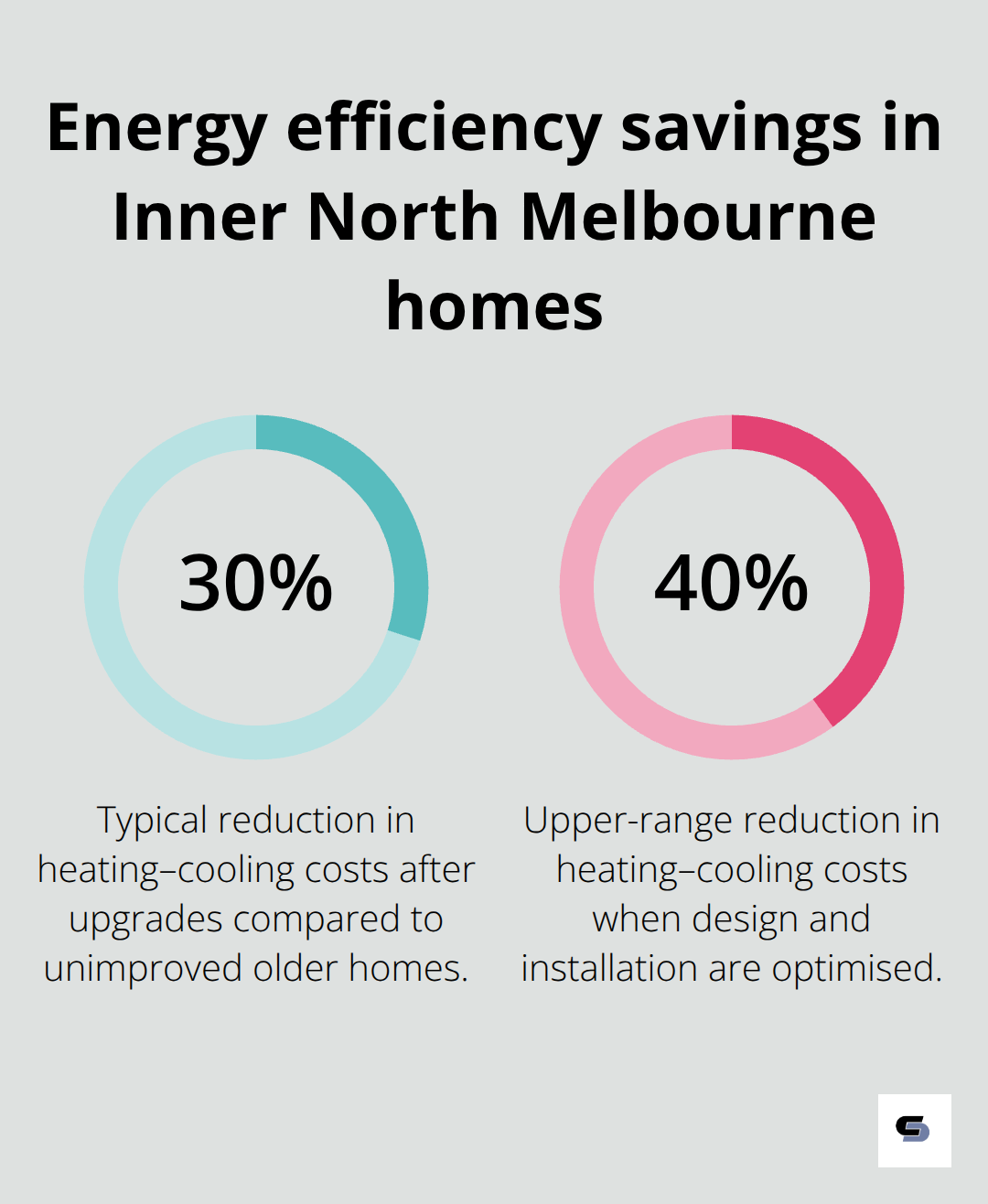
Water heating and mechanical services (HVAC, electrical) must integrate into the fabric rather than consume usable space; a compact heat pump hot water system mounted externally or in the roof void preserves floor area that traditional tanks would occupy. Energy efficiency standards under the Building Code of Australia now mandate higher insulation levels and airtightness, which reduces thermal load on compact spaces and cuts heating-cooling costs by 30 to 40 per cent compared to unimproved older homes. These aren’t luxury add-ons-they’re compliance requirements that, when designed well, improve livability and future-proof your investment against rising energy costs and climate variability.
With your vertical and ground floor strategy locked in, the next challenge involves navigating the planning approvals and construction logistics that turn design intent into reality.
Securing Approvals on Tight Inner North Sites
Planning Permits and Early Council Engagement
Planning permits in dense inner north areas demand early engagement with council and neighbours, not last-minute applications. The City of Melbourne requires planning permits for most residential additions, and heritage overlays-which cover the majority of properties in Fitzroy, Carlton North, and Brunswick-add 6 to 12 weeks to approval timelines if documentation is incomplete or design conflicts with heritage requirements. Submit preliminary plans to the council planning officer at 03 9658 9658 before finalising designs. This conversation costs nothing and identifies potential objections early: setback requirements, overshadowing impacts on neighbours, or heritage design issues that would otherwise derail formal applications.
Shadow diagrams prove compliance with overshadowing limits on adjoining properties; these technical drawings cost $800 to $1,500 but prevent planning objections that delay projects by months. Waste management plans submitted with planning applications demonstrate how demolition and construction waste will be sorted and recycled, reducing council concerns about site management and accelerating approvals.
Builder Registration and Contract Requirements
The Victorian Building Authority regulates all structural work, so your builder must hold current registration; verify their registration number and check disciplinary history through the Building Practitioners Board before signing contracts. For renovations exceeding $10,000, Victorian law mandates a written major domestic building contract with a registered practitioner. Projects over $16,000 require current domestic building insurance before any deposit changes hands. These aren’t bureaucratic hurdles-they’re protections that prevent disputes and ensure your builder carries professional liability.
Specify materials in your building contract to prevent disputes later; a contract that commits to matching existing brickwork colour and mortar profile avoids costly rework when council planners object to substitutions during construction.
Neighbour Coordination Before Submission
Neighbour coordination begins before council submission. Request neighbour contact details from the City of Melbourne by writing to rates@melbourne.vic.gov.au, then notify adjoining properties in writing about your project timeline, construction hours, and site access arrangements. This step prevents formal objections to your planning application; neighbours who feel ignored often lodge complaints that council must formally assess, extending timelines significantly.
Heritage properties require additional coordination: design requirements and approval processes must align with heritage character. Consult heritage design guides early to prevent design rework that delays approvals and inflates costs. Material selections-brickwork colour, window profiles, roofing materials-must align with heritage character, and council planners assess these details carefully.
Construction Noise and Site Management
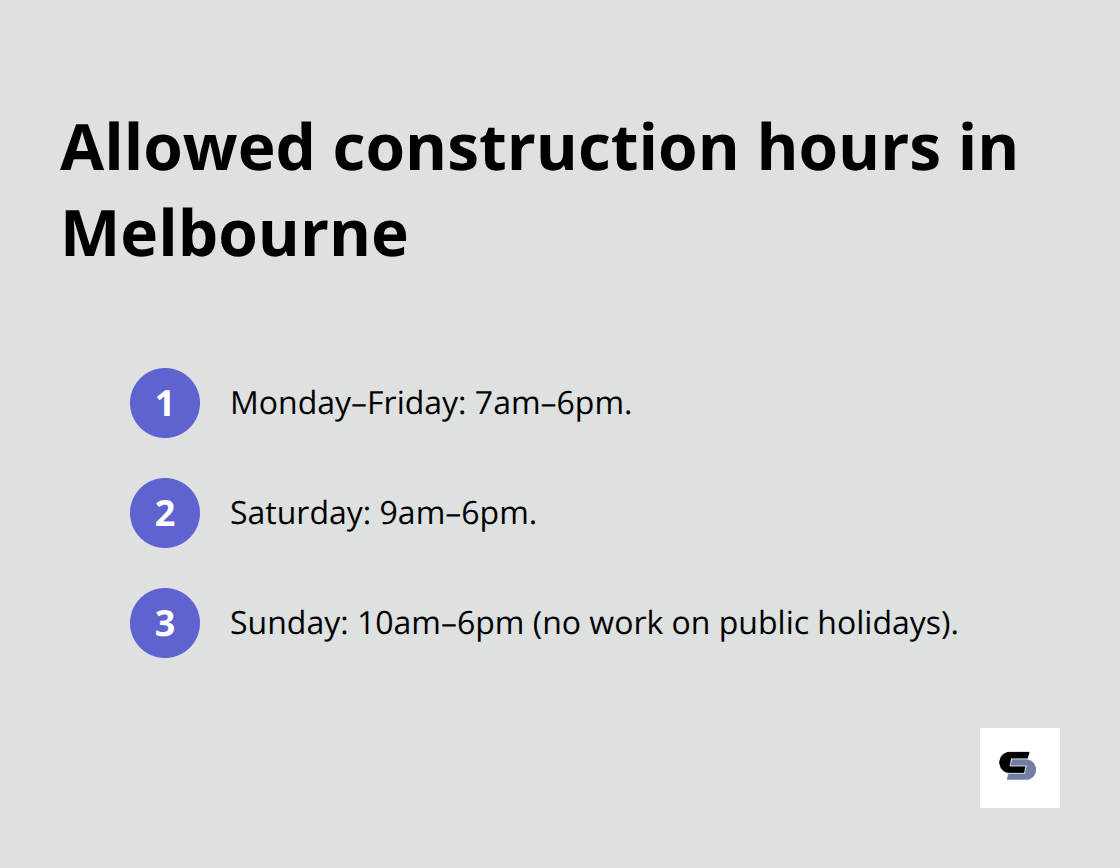
Construction noise regulations in Melbourne restrict work to 7am to 6pm Monday to Friday, 9am to 6pm Saturday, and 10am to 6pm Sunday, with no work on public holidays. Violating these hours invites council enforcement action and neighbour complaints that halt sites.
Phased construction schedules respect these limits while minimising disruption: material deliveries scheduled for early morning, concrete pours and noisy demolition concentrated in mid-morning hours, and finishing trades (carpentry, painting) during quieter afternoon periods.
On-site waste management prevents the street-blocking skip bins and scattered rubble that antagonise neighbours; enclosed waste chutes on multi-storey additions and daily site sweeping contain dust and debris. Dust suppression on tight sites requires water misters during demolition and temporary hoardings with dust barriers, costing $3,000 to $5,000 but preventing complaints and council cease-work notices.
Permits, Inspections, and Ongoing Coordination
Parking permits from the City of Melbourne allow temporary on-street parking for construction vehicles during works; applications take 2 to 3 weeks, so submit these alongside planning applications. Without permits, construction traffic parks illegally and accumulates fines, stretching budgets and damaging relationships with local traffic wardens. Road occupation permits ($150 to $300) authorise temporary placement of skips or material bins on public land; these are separate from parking permits and essential if your site lacks off-street storage.
Coordinate with council during construction to prevent surprises: notify the planning officer 5 working days before commencing works, obtain final inspections on schedule, and respond immediately to any compliance notices. Council inspectors verify that works match approved plans and comply with the Building Code of Australia; delays in inspections halt progress, so maintaining communication and scheduling inspections proactively keeps projects moving.
Final Thoughts
Inner North renovations Melbourne deliver measurable returns because they address the core constraint that defines these neighbourhoods: limited space on valuable land. A well-executed second storey addition or ground floor extension adds square metres while respecting the heritage character and neighbourhood density that attracted you to these suburbs. Strategic design solves space limitations without compromise-vertical extensions preserve gardens that buyers value, smart storage maximises utility within constrained footprints, and energy efficiency compliance reduces running costs by 30 to 40 per cent compared to unimproved older homes.
Professional project management reduces disruption to neighbours and your own daily life. Early council engagement, neighbour coordination, and phased construction schedules prevent the friction that derails projects and damages community relationships. Permits, inspections, and compliance documentation protect your investment and ensure your builder delivers quality work on time.
The difference between a successful inner north renovation and a problematic one comes down to execution-you need a builder who understands heritage requirements, council processes, and site logistics in dense neighbourhoods. We at Cameron Construction have completed dozens of inner north projects where smart design and careful planning transformed limited space into functional, beautiful homes. Contact Cameron Construction to discuss your renovation vision and explore how strategic design delivers value within your constraints.