How to Design Wrap Around Extension Floor Plans
Wrap around extension floor plans transform Melbourne homes by extending living spaces around multiple sides of the existing structure. These sophisticated designs maximise natural light while creating flowing connections between indoor and outdoor areas.
At Cameron Construction, we’ve seen how thoughtful planning of these extensions can dramatically enhance both functionality and property value. The key lies in understanding design principles that balance openness with privacy.
What Makes Wrap Around Extensions Work
Successful wrap around extensions rely on three fundamental design principles that transform how Melbourne homes function. North-facing living areas capture maximum winter sun while deep eaves block harsh summer rays, which creates year-round comfort without excessive heating or cooling costs. Cross-ventilation through strategically placed windows on opposite walls reduces indoor temperatures by up to 5 degrees during summer months, with building codes emphasizing reduced reliance on regulation for energy efficiency solutions.
Room Placement for Natural Light
The orientation of your wrap around extension determines its success. Living spaces positioned on the north and east sides receive optimal morning and midday light, while bedrooms work well on the southern side where consistent, gentle illumination supports rest. Windows that span floor to ceiling on northern walls can increase natural light penetration by 40% compared to standard-height windows. Corner windows where two extension walls meet create dramatic light wells that illuminate adjacent interior rooms throughout the day.
Flow Between Connected Spaces
Effective wrap around designs eliminate corridors and create sight lines that connect multiple outdoor areas. Wide openings between 3-4 metres allow seamless movement from kitchen to outdoor dining, then to garden spaces beyond. Sliding doors that pocket completely into walls remove barriers between indoor and outdoor zones.
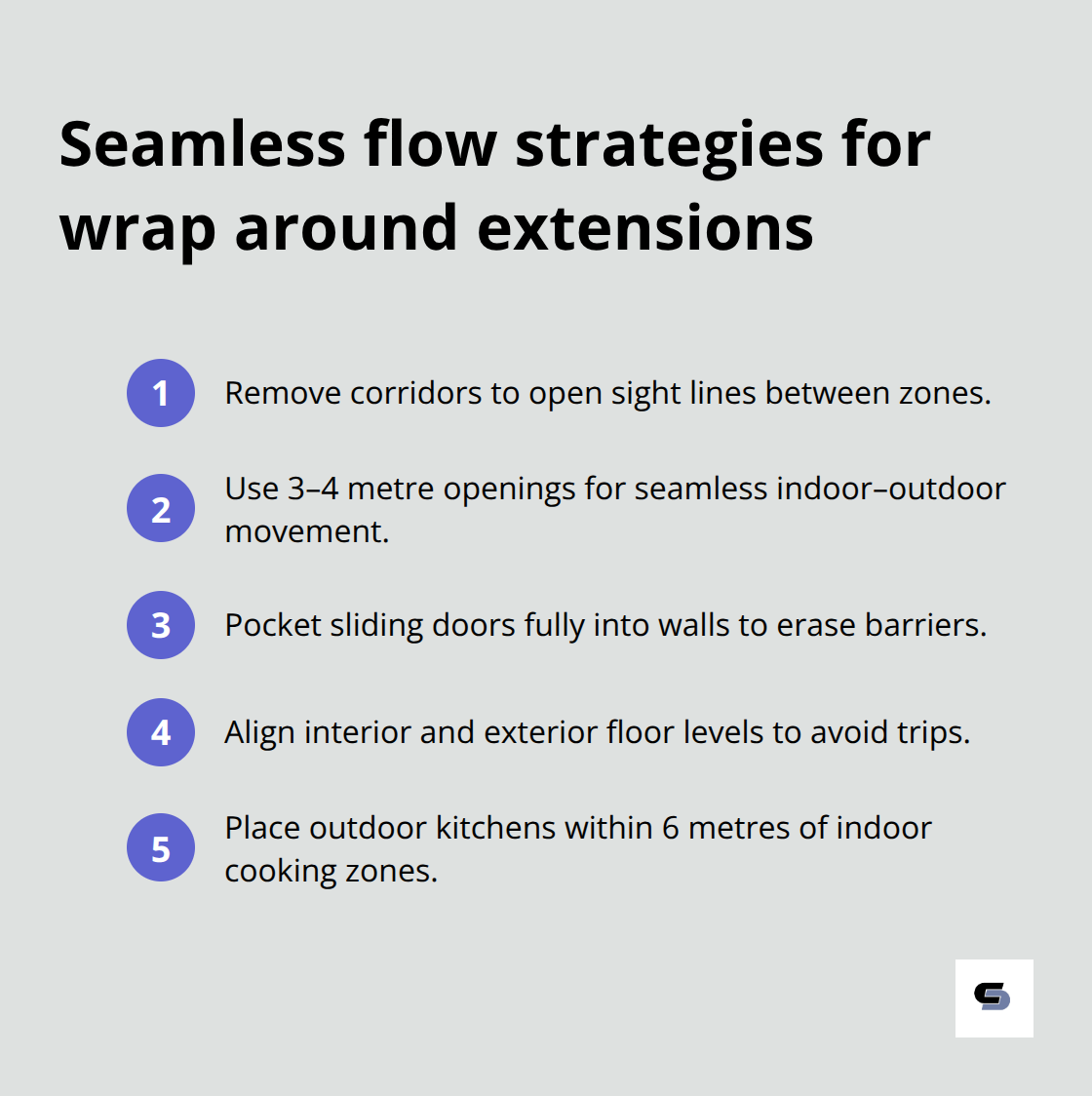
Floor levels that match between interior and exterior spaces prevent tripping hazards while they maintain visual continuity. Strategic placement of outdoor kitchens and entertaining areas within 6 metres of indoor cooking zones supports practical daily use rather than occasional entertaining.
Privacy Solutions Without Barriers
Smart positioning addresses privacy concerns without compromising openness. Bedroom wings angled away from neighbouring properties maintain privacy while living areas face private garden zones. Landscaping screens placed 2-3 metres from windows filter views without blocking light (particularly effective with native Australian plants). Raised deck areas positioned 600mm above ground level create natural separation from garden spaces while they maintain connection to the home’s interior flow.
These design fundamentals work together to create extensions that feel integrated rather than added on. The next consideration involves the specific structural and technical elements that bring these design principles to life.
Key Design Elements for Wrap Around Extensions
Strategic placement of rooms within wrap around extensions follows specific rules that maximise both function and value. Kitchen zones positioned within 8 metres of outdoor entertaining areas create practical cooking-to-serving workflows, while master bedrooms located on quieter sides of the extension reduce noise from neighbouring properties by up to 15 decibels according to acoustic consultants. Traffic flow patterns work best when main circulation routes avoid cutting through living spaces, with hallway widths of 1.2 metres minimum that allow comfortable two-way movement. Corner rooms within wrap around designs capture views from two directions simultaneously, which makes them ideal for home offices or reading nooks that benefit from varied natural light throughout the day.
Window Placement for Maximum Impact
Window placement in wrap around extensions requires precision to capture optimal views while it manages privacy and energy efficiency. Floor-to-ceiling windows on northern walls increase solar heat gain by 25% during winter months, which reduces heating costs significantly in Melbourne’s climate. Corner window systems where extension walls meet create panoramic views but require structural steel lintels rated for 150kg per linear metre to support the load above.
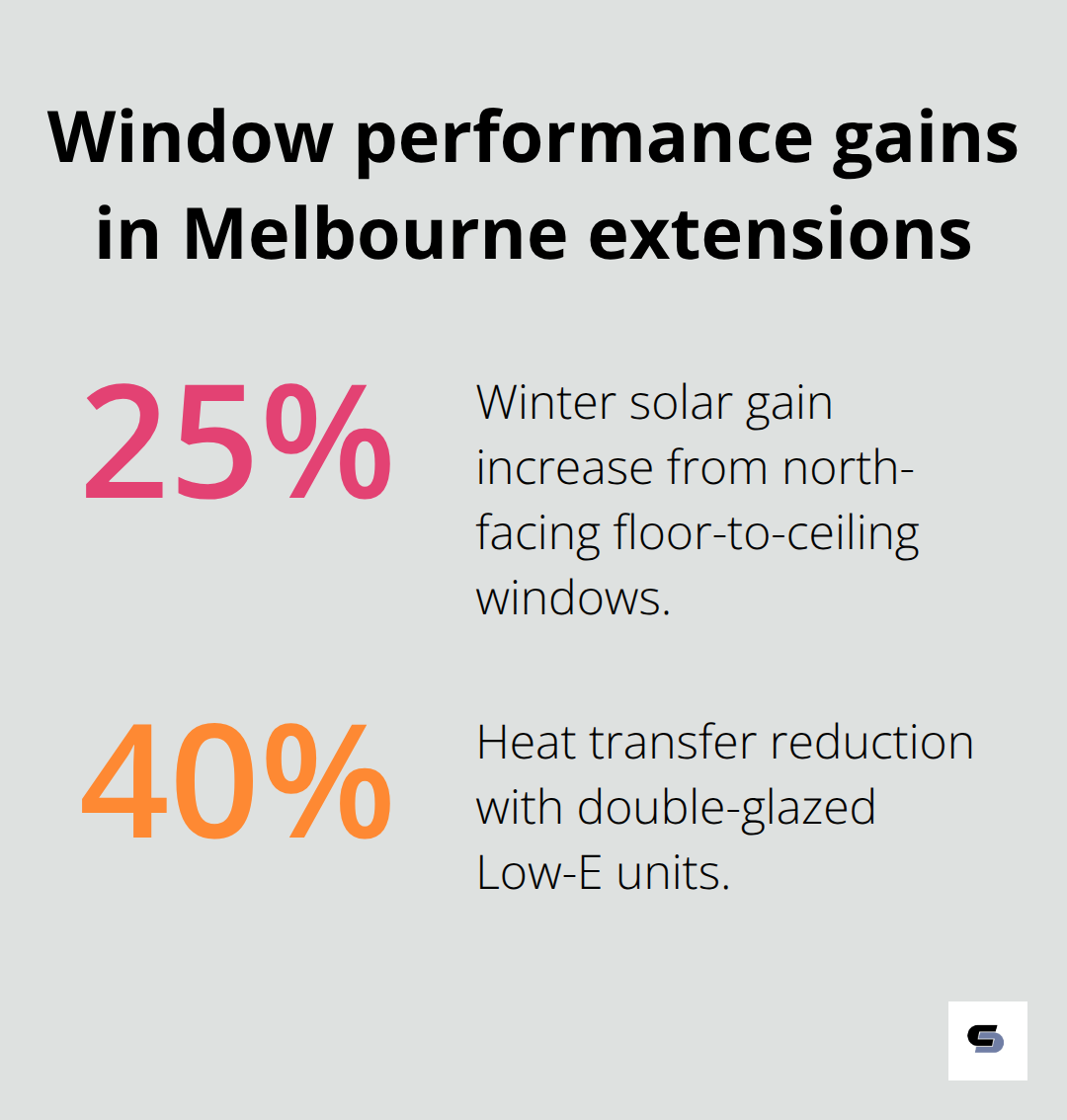
Clerestory windows positioned 2.4 metres above floor level bring light into interior zones without they compromise privacy from neighbouring properties. Double-glazed units with Low-E coatings reduce heat transfer by 40% compared to standard single glazing (making them essential for large window areas in premium extensions).
Structural Requirements That Matter
The building envelope of wrap around extensions demands careful attention to thermal bridging and weatherproofing details that affect long-term performance. Continuous insulation systems must comply with AS/NZS 4859.1 standards and be installed to abut or overlap adjoining insulation, meeting current energy requirements while preventing condensation issues common in Melbourne’s variable climate. Steel frame construction allows for larger spans without intermediate supports, which creates the open spaces that define successful wrap around designs. Foundation systems must account for differential settlement where new construction meets existing structures, with concrete footings that extend 600mm below ground level minimum. Roof drainage becomes complex with multiple wall intersections (requiring box gutters sized at 200mm minimum width to handle Melbourne’s intense storm events that can deliver 100mm of rainfall per hour).
These technical elements form the foundation for successful wrap around extensions, but they must align with council requirements and planning regulations that govern what you can build on your property.
Planning Process and Council Requirements
Melbourne councils require building permits for all wrap around extensions that exceed 10 square metres, with planning permits mandatory when extensions breach height limits of 3.6 metres or site coverage exceeds 60% under the Planning and Environment Act 1987. Applications typically take 8-12 weeks for standard approvals, though heritage overlays can extend this timeframe to 16 weeks. Council fees range from $1,200-$3,500 based on project value, with additional consultant fees for traffic, arborist, or acoustic reports that councils often request for larger wrap around designs.
Building Permit Documentation
Councils demand detailed structural plans that show foundation details, beam specifications, and connection methods to existing structures. Licensed building surveyors must certify that designs comply with the Building Code of Australia before councils issue permits. Soil reports become mandatory for extensions over 40 square metres or when existing foundations require modification. Energy efficiency calculations must demonstrate compliance with NCC 2022 thermal performance standards (particularly important for large glazed areas common in wrap around designs).
Heritage and Character Controls
Properties within heritage overlays face stricter design requirements that significantly impact wrap around extension plans. Heritage controls prohibit extensions visible from street frontages in most Melbourne councils, which forces designs toward rear and side boundaries. Neighbourhood character guidelines mandate roof pitches between 22-35 degrees to match surrounding homes, while material selections must complement existing architecture rather than contrast sharply. The Victorian Civil and Administrative Tribunal provides review options for permit decisions, which makes early heritage assessment essential for wrap around projects.
Professional Design Teams
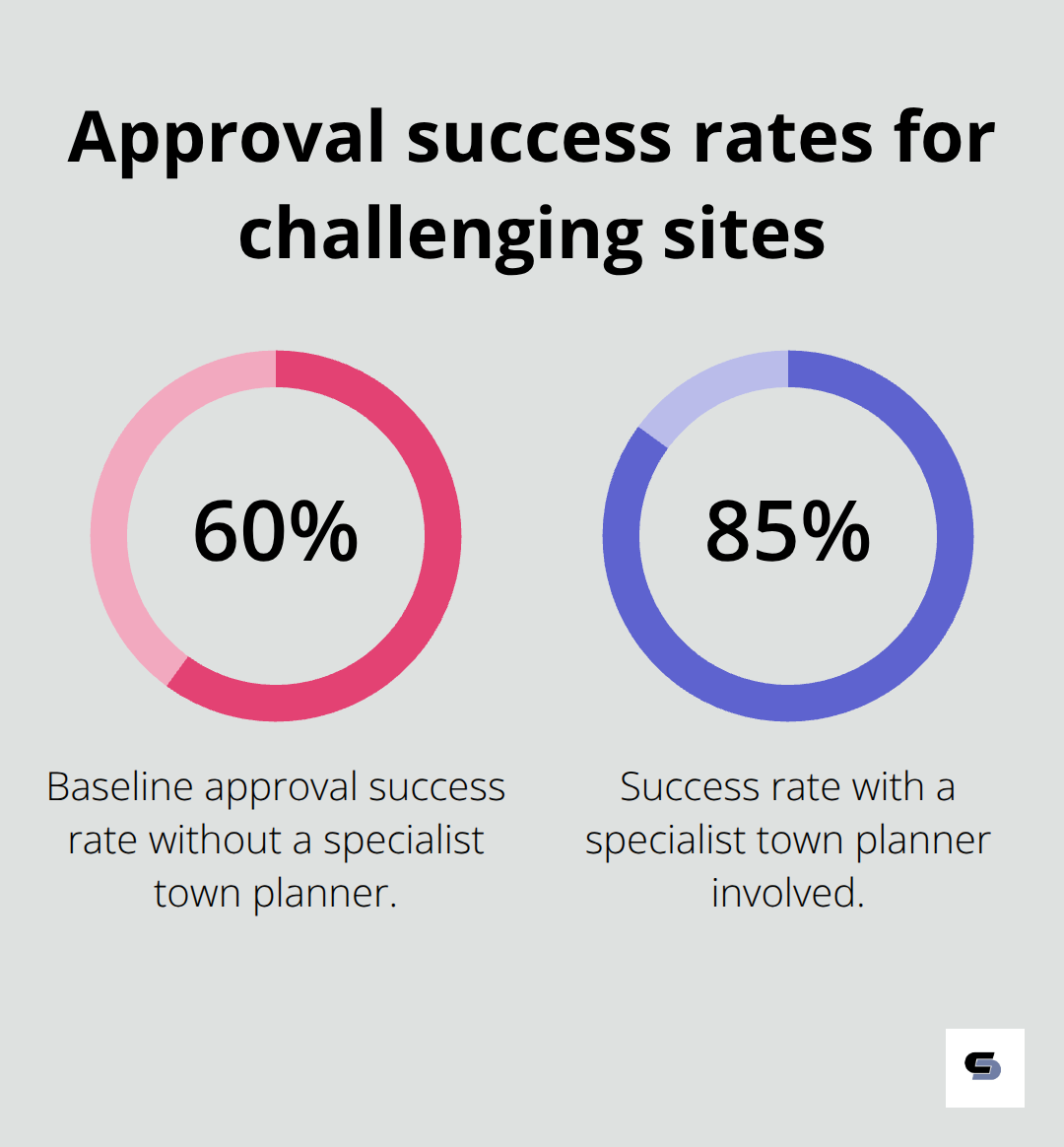
Registered building practitioners must prepare plans for wrap around extensions over $16,000, with architectural input recommended for projects that exceed $100,000 according to the Building Practitioners Board. Structural engineers become mandatory when extensions require beam spans over 4.5 metres or when existing foundations need modification. Town planners who specialise in residential projects charge $2,500-$5,000 for complex applications but increase approval success rates from 60% to 85% for challenging sites.
Designers familiar with your specific council area prove invaluable for navigation of approval processes, as local knowledge of planning officers and precedent decisions streamlines complex applications.
Final Thoughts
Professional design transforms wrap around extension floor plans from basic additions into sophisticated spaces that boost property value by 15-25%. Experienced architects and building designers understand Melbourne’s complex planning requirements and create extensions that integrate seamlessly with existing homes. The investment in professional design typically represents 8-12% of total project costs but prevents costly mistakes during construction and council approval processes.
Melbourne homeowners should begin their wrap around extension journey with qualified professionals who understand local council requirements and heritage considerations. Initial consultations with architects help establish realistic budgets and timelines and identify potential planning challenges early. Soil testing and structural assessments provide accurate cost estimates that prevent budget overruns during construction phases.
Experienced extension builders prove essential for successful wrap around projects that involve complex structural connections and weatherproofing details. Cameron Construction brings decades of experience to Melbourne’s home extension market, with in-house designers, engineers, and project managers who handle concept to completion. Our team manages the technical complexities that make wrap around extensions successful long-term investments (from planning permits to final inspections across Melbourne’s councils).