How to Choose Sloping Block Builders in Melbourne
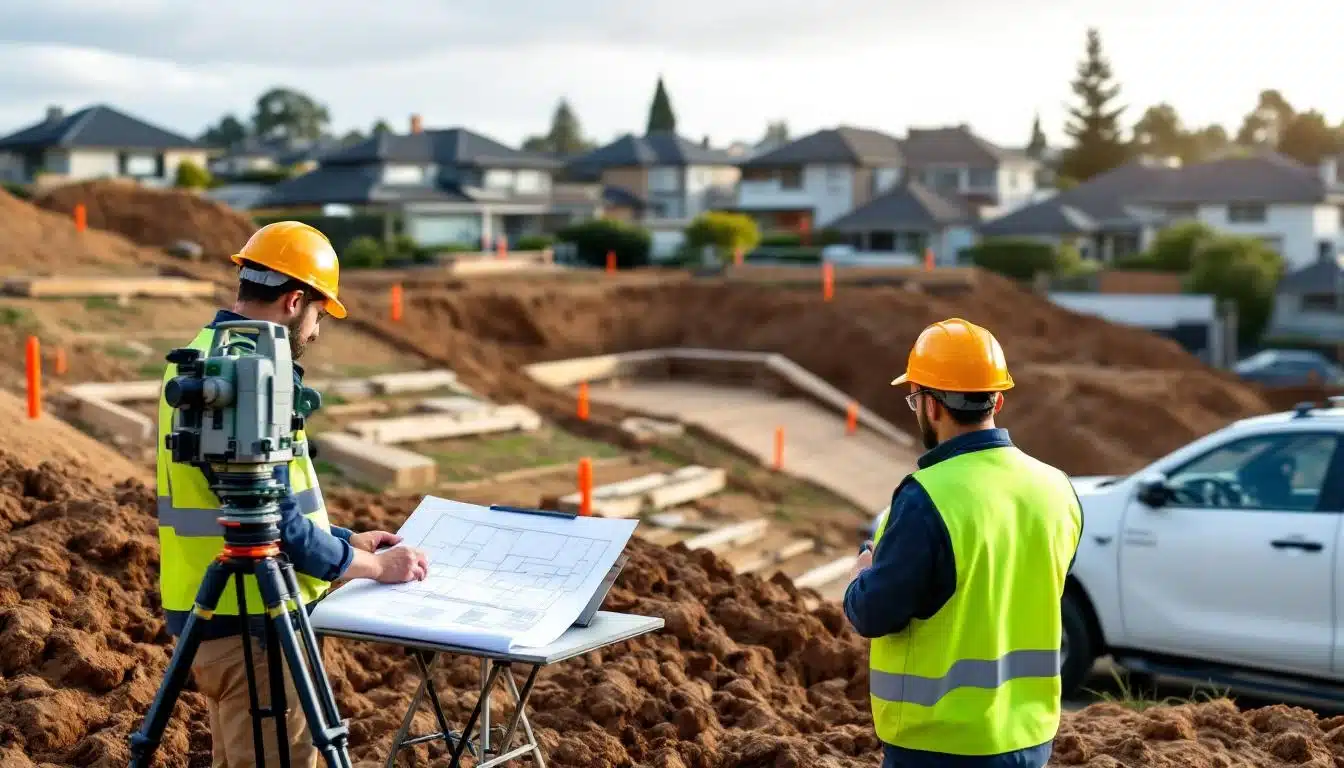
Building on a sloping block requires builders who understand the unique challenges Melbourne’s terrain presents. At Cameron Construction, we’ve seen too many homeowners choose the wrong sloping block builders in Melbourne and end up with costly delays and structural problems.
The difference between a successful extension and a problematic one often comes down to your builder’s experience with slopes, soil conditions, and council requirements. This guide walks you through exactly what to look for.
Why Sloping Blocks Demand Specialised Builders
Engineering Demands That Flat-Land Builders Miss
Sloping blocks in Melbourne introduce engineering demands that flat-land builders simply don’t encounter. The soil composition across Melbourne varies significantly-from clay-heavy areas in the west to sandy loams in the east-and slopes amplify the consequences of getting foundation design wrong. A builder unfamiliar with sloping terrain will typically over-engineer foundations, driving costs up unnecessarily, or under-engineer them, creating structural risk.
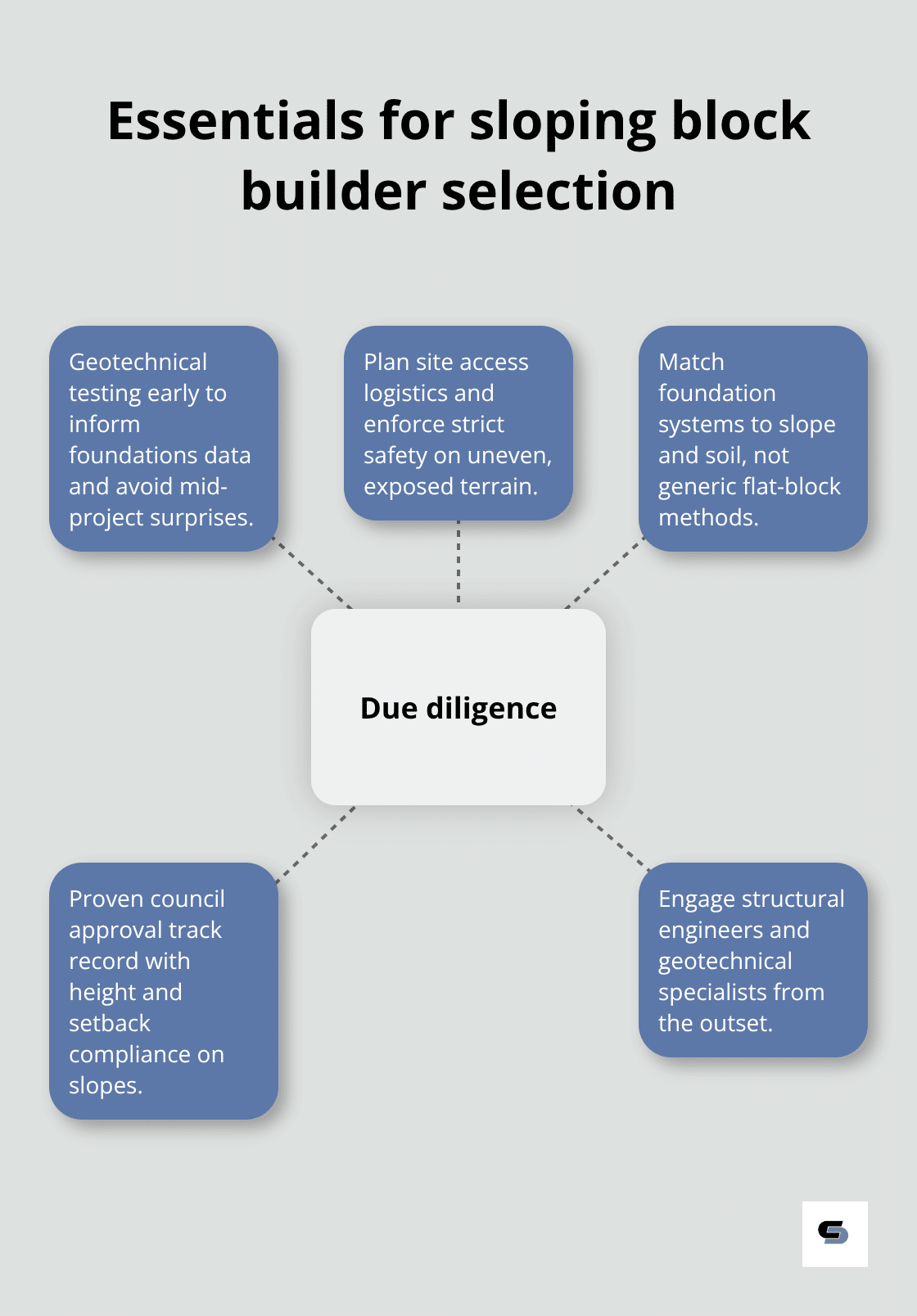
The Victoria Building Authority’s recent reforms (effective 1 December 2026) now require that builders obtain foundations data before entering into major contracts if work could affect footings, with penalties for charging more after the data is known. This shift reflects how important proper soil assessment is on slopes, and it means your builder must conduct geotechnical testing early-not halfway through construction.
Foundation Systems That Work on Slopes
On sloping blocks, screw piles, adjustable steel piers on simple concrete pads, or engineered steel pile systems minimise site disturbance and adapt to uneven terrain far more effectively than standard slab-on-ground approaches. These systems reduce earth cut-and-fill needs and allow builders to work with the slope rather than against it. A builder with sloping block experience knows which foundation approach suits your specific soil type and slope angle, avoiding the costly mistakes that come from applying flat-block solutions to challenging terrain.
Site Access and Safety Realities
Site access on slopes creates practical constraints that inexperienced builders underestimate. Narrow or steep driveways limit how materials and machinery reach the work area, meaning your builder must plan logistics carefully or waste time and money on manual handling. Safety becomes non-negotiable too-work at height on slopes, combined with uneven ground and weather exposure, requires strict compliance with site safety rules and proper scaffolding.
Planning Rules That Change on Slopes
Planning and engineering compliance is equally demanding. Melbourne’s planning scheme sets maximum building heights at 10 metres if the slope exceeds 2.5° across any cross-section wider than 8 metres; otherwise, 9 metres measured from natural ground level according to Planning Practice Note 27. Setback rules scale with wall height and slope position, affecting where your extension sits relative to boundaries and neighbouring properties.
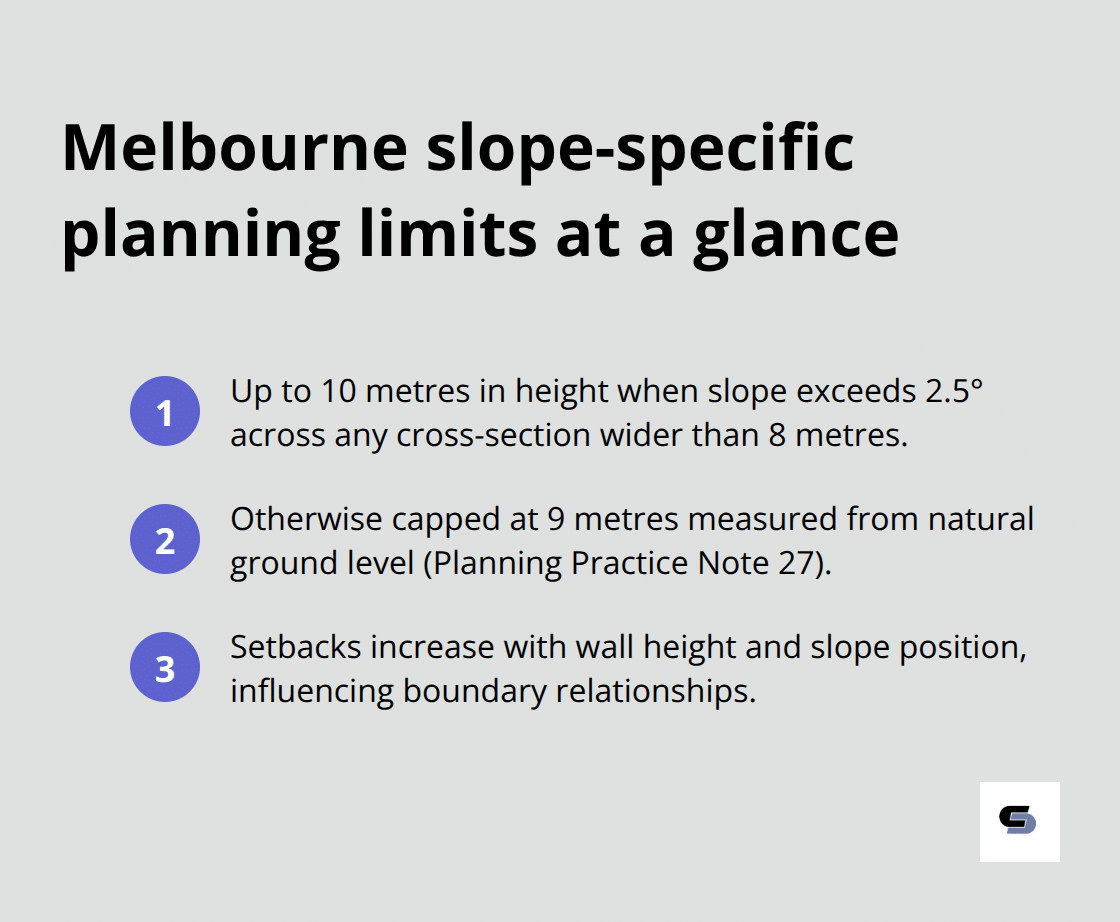
A builder who doesn’t understand these slope-specific planning rules will propose designs that councils reject, costing you months in redesign and resubmission. The Domestic Building Contracts Amendment Bill 2025 also introduced proportionality requirements ensuring payments reflect actual progress on earthworks and foundation work-something that matters on slopes where temporary delays or scope changes are common.
What Separates Experienced Sloping Block Builders
Choosing a builder with proven sloping block experience means they’ve navigated these challenges before and know how to sequence work, manage soil conditions, and satisfy council requirements without costly surprises. This experience becomes your protection against the delays and budget blowouts that plague sloping block projects handled by generalist builders. When you interview potential builders, their answers to questions about past sloping block projects will reveal whether they truly understand the terrain or simply claim to.
What to Look for in a Sloping Block Builder
Track Record on Sloping Terrain
A builder’s experience with sloping blocks separates those who deliver on time and budget from those who create expensive problems. When evaluating potential builders, look for evidence that they have completed multiple sloping block projects in Melbourne-not just one or two, but a sustained track record spanning at least five years. Ask them to name specific suburbs where they have worked on slopes: Eltham, Ferntree Gully, Croydon, Belgrave, and Doncaster all have significant sloping terrain, and a builder working regularly in these areas understands Melbourne’s soil variability and council expectations.
Request references from at least three previous sloping block clients, then contact them directly. Ask about foundation decisions, budget adherence, and how the builder handled unexpected soil conditions. A builder who hesitates or offers vague references signals they lack the depth of experience you need.
Soil Knowledge and Geotechnical Assessment
Soil knowledge is non-negotiable. Melbourne’s geology varies dramatically across the metropolitan area, and a builder unfamiliar with local soil types will make costly foundation choices. Ask potential builders how they assess soil before committing to a design-specifically, whether they conduct geotechnical testing early in the project and use that data to inform foundation selection.
Specialised engineering on sloping blocks demands careful drainage planning and a deep understanding of local council requirements. A soil report is a requirement of a building permit, and any builder worth engaging should already conduct this assessment as standard practice. Enquire about their experience with specific foundation systems on slopes: screw piles, adjustable steel piers, and engineered pile systems each suit different soil conditions. A knowledgeable builder can explain why one approach works better than another for your block rather than defaulting to the same solution for every project.
Council Approval and Planning Compliance
Assess their council approval track record by asking about recent projects that required planning approval on sloping blocks. Builders with strong local council relationships and a history of first-submission approvals understand Melbourne’s planning scheme requirements for slopes-particularly the 10-metre height allowance when slope exceeds 2.5° and the setback rules that scale with wall height.
A builder who has experienced multiple redesigns or rejections signals they do not fully grasp how planning rules apply to challenging terrain. Their familiarity with slope-specific regulations directly impacts your project timeline and costs. When you move forward with interviews, their answers to questions about past sloping block projects will reveal whether they truly understand the terrain or simply claim to.
Questions That Reveal a Builder’s Real Experience
Project Volume and Specific Locations
Start your builder interviews with direct questions about sloping block project volume. Ask how many sloping block projects they have completed in the past five years and in which Melbourne suburbs. A builder with genuine experience should name specific areas like Eltham, Ferntree Gully, Croydon, or Belgrave without hesitation. If they struggle to recall project locations or cite only one or two examples across five years, they lack the sustained exposure needed to handle your extension confidently. Push further by asking about foundation types they have used on slopes-screw piles, adjustable steel piers, engineered pile systems, or traditional footings. Their ability to explain why one system suits certain soil conditions better than others separates experienced builders from those who apply generic approaches to every project.
References and Real Client Feedback
References matter far more than portfolio photos. Request contact details for three recent sloping block clients, then call them directly rather than relying on written testimonials. Ask each reference specifically about budget adherence, how the builder responded when soil conditions differed from initial assessments, and whether the project experienced delays related to site access or weather exposure. A builder who hesitates to provide references or offers only one example signals weak credentials.
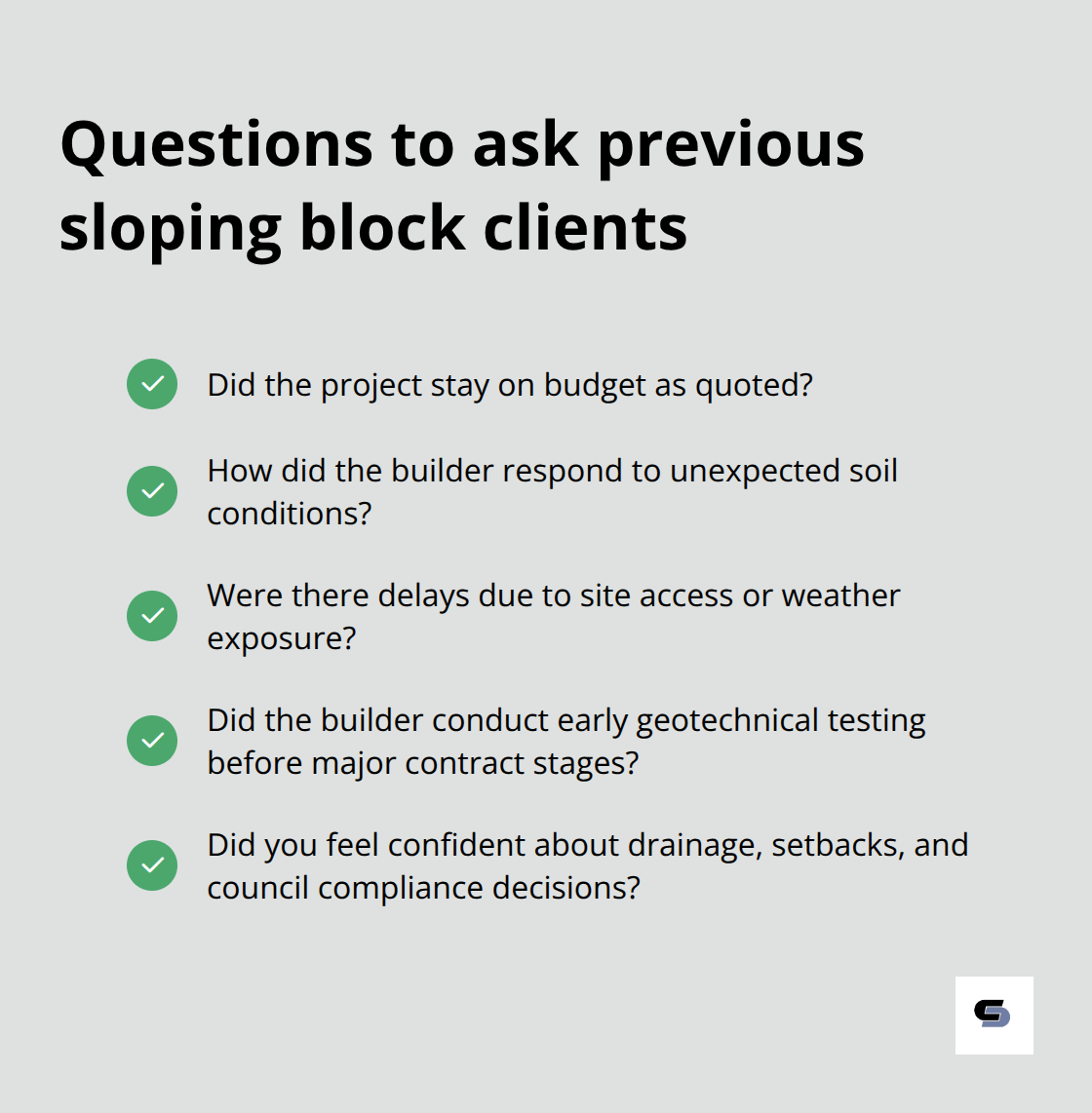
When you contact references, listen for whether they mention early geotechnical testing-this indicates the builder follows requirements to obtain foundations data before major contracts are signed. Ask references whether they felt confident in the builder’s decisions around drainage, setbacks, and council compliance. Their confidence level tells you whether the builder guided them through complex planning rules or left them confused throughout the process.
Site Assessment and Specialist Engagement
Site assessment approach separates thorough builders from those cutting corners. Ask potential builders how they would assess your specific block before proposing a design and cost estimate. The right answer includes geotechnical testing, a detailed site survey measuring slope angles and existing drainage patterns, and a review of council planning requirements specific to your property. If a builder proposes designs or quotes before conducting these assessments, they are guessing rather than engineering. Ask whether they work with structural engineers and geotechnical specialists as standard practice or only when problems emerge. A builder who engages specialists upfront protects you from costly mid-project discoveries (and demonstrates the systematic approach that prevents budget blowouts on challenging terrain).
Compliance and Current Regulations
Enquire about their approach to the Domestic Building Contracts Amendment Bill 2025 requirements, which now mandate that foundations data must be obtained before entering major contracts if work could affect footings. Their familiarity with this regulation demonstrates they stay current with industry compliance obligations that directly affect your project cost and timeline. A builder who can explain how these new rules shape their contract process and payment schedules shows they understand the regulatory landscape affecting sloping block work in Victoria.
Final Thoughts
Experience on sloping blocks directly determines whether your extension stays on budget and timeline or becomes a costly nightmare. Sloping block builders Melbourne homeowners trust have completed multiple projects and understand soil variability, foundation systems, council planning rules, and site logistics in ways that generalist builders cannot replicate. When you choose a builder without this specific experience, you risk significant delays and unexpected costs.
Contact at least three builders and ask the questions outlined in this guide-request their sloping block project history, demand references from recent clients on slopes, and assess how thoroughly they approach site assessment before quoting. Pay close attention to whether they mention geotechnical testing, structural engineering involvement, and compliance with the Domestic Building Contracts Amendment Bill 2025 requirements, as these details separate builders who engineer solutions from those who apply generic approaches to challenging terrain. Don’t choose based on price alone, since a low quote from a builder unfamiliar with slopes often signals they’ve underestimated your project’s complexity.
We at Cameron Construction have delivered extensions and renovations across Melbourne’s challenging terrain for decades, including extensive sloping block work. Contact us for a consultation on your sloping block extension project and let our in-house designers, engineers, and project managers handle everything from concept through completion.