How Much Does a Second Story Extension Cost?
A second storey extension is one of the most significant investments Melbourne homeowners make, and understanding the true cost is essential before you commit.
At Cameron Construction, we’ve guided hundreds of families through this process, and we know that how much a second story extension costs depends on far more than just square metres. This guide breaks down the real expenses you’ll face, from site conditions to labour, so you can budget accurately and avoid surprises.
What Really Drives Your Second Story Extension Budget
Foundation Work Sets Your Real Budget
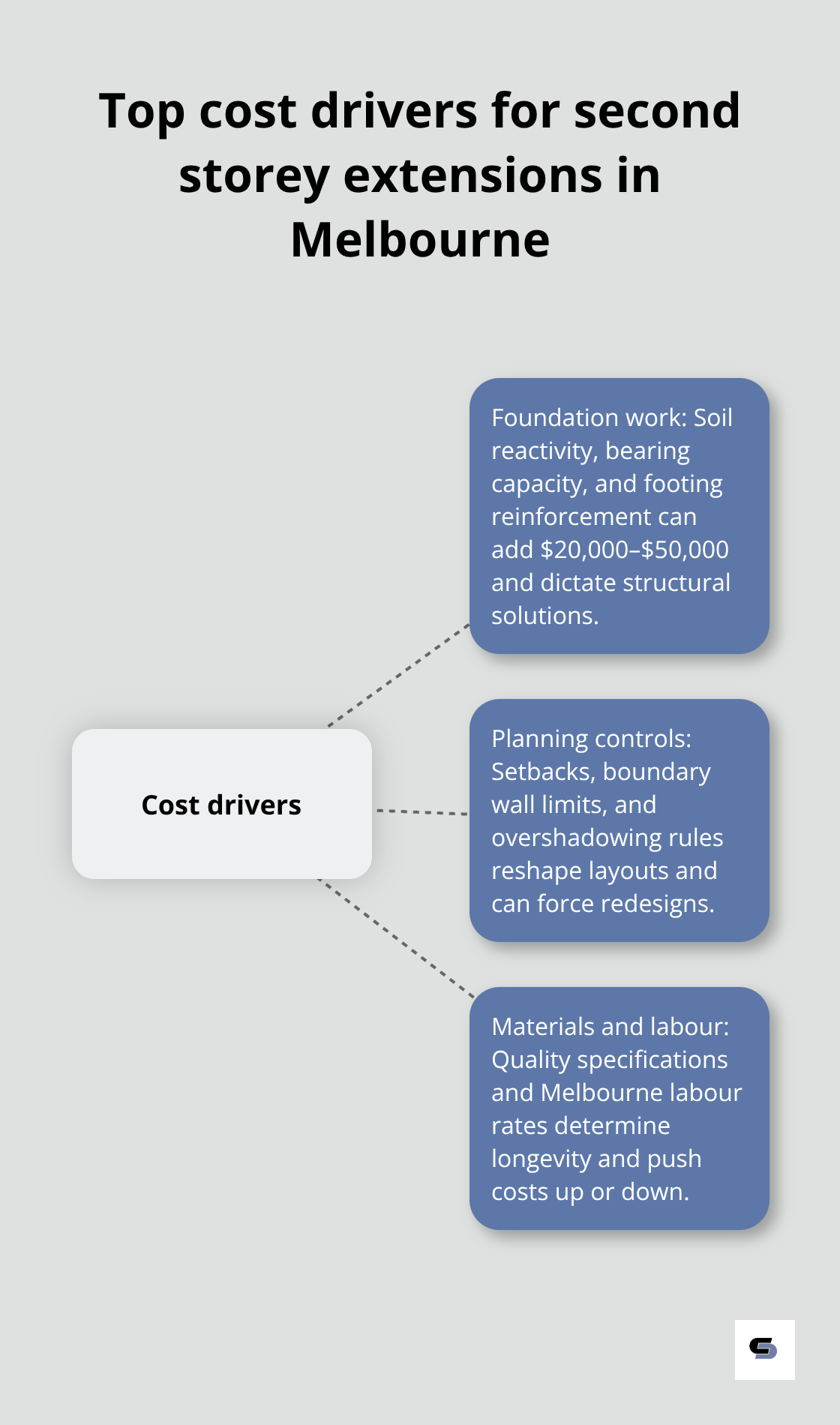
Your foundation determines whether your second storey extension costs $250,000 or $400,000. Most Melbourne homeowners underestimate foundation work because they don’t know what lies beneath their existing home. A soil report and foundation data are non-negotiable-your builder must obtain these before providing an accurate price. Victoria’s Building and Plumbing Commission requires this information for any structural work.
The cost of reinforcing shallow footings, addressing reactive clay, or fixing poor bearing capacity can easily add $20,000 to $50,000 to your project. Soil tests classify how reactive the soil is, indicating how much the soil will shrink or swell with a change in moisture. Your site’s slope also matters. If your block has a cross-section slope of 2.5 degrees or more, you can build up to 10 metres high instead of 9 metres, which changes structural requirements and costs. Foundation surprises discovered mid-construction destroy budgets and timelines.
Planning Controls Reshape Your Design and Costs
Your local council’s planning controls directly impact what you can build and how much it costs. Melbourne’s planning framework, particularly Planning Practice Note 27, sets strict rules on setbacks, boundary walls, overshadowing, and private open space that reshape your design and expenses.
If your property has a north-facing window near a boundary, you’ll need deeper setbacks that reduce your usable internal space and require different structural solutions. Boundary wall limits-typically 10 metres plus 25 per cent of the remainder-constrain your footprint and may force you to redesign your layout entirely. Overshadowing rules state that 75 per cent of your secluded open space must receive five hours of sun between 9am and 3pm on 22 September, which often requires shadow diagrams and design modifications.
These aren’t minor tweaks; they’re cost drivers that can force you to reduce room sizes, adjust roof angles, or add expensive screening. Your designer must understand these rules before concept stage, not after. A poorly planned design that ignores setbacks or overshadowing will cost you far more in redesigns and compliance work than getting it right from the start.
Materials and Labour Shape Your Final Price
The quality of materials you choose directly affects both cost and longevity. Cheap exterior cladding, poor-quality windows, and budget-grade roofing materials fail faster in Melbourne’s variable climate, costing you more in repairs and replacement within 10 to 15 years. Durable materials specified upfront cost less over the life of your home.
Labour costs in Melbourne sit higher than regional areas-skilled tradespeople command $60 to $90 per hour for quality work, and this reflects the market reality of Melbourne’s competitive construction sector. Your project timeline also affects labour costs. Building during peak season (September to April) means longer waits for tradespeople and potentially higher rates. Winter projects move slower because of weather delays.
Construction and labour form the bulk of your extension expenses, often ranging from 40-60% of the total cost. If your builder quotes a suspiciously low price, they’re either cutting corners on materials or planning to claim variations later. Get three written quotes, compare what’s included in each, and ask your builder exactly which items are fixed and which are provisional sums, because provisional sums hide cost blowouts.
What Comes Next in Your Budget Planning
Understanding these three cost drivers-foundation work, planning constraints, and material and labour choices-gives you the foundation to move forward. The next section breaks down the average cost components you’ll actually pay, from construction and engineering fees to permits and project management, so you can see where your money goes and plan accordingly.
Average Cost Breakdown for Second Story Extensions
Construction and Labour Form Your Largest Expense
Construction and labour consume 50–65% of total project costs for a second storey extension. In Melbourne, you’ll pay between $2,500 and $4,500 per square metre for quality work, depending on materials, complexity, and current market conditions. A 40-square-metre addition costs $100,000–$180,000 in construction alone. Alterations and additions to residential buildings reflect sustained demand across Melbourne’s building sector. Your builder must obtain a soil report and foundation data before providing a quote. Once you have that information, you’ll know whether you’re dealing with straightforward construction or expensive foundation reinforcement that pushes costs toward the upper end of that range.
Design and Engineering Fees Add Significant Value
Design and engineering fees typically run 8–12% of your total project cost, or roughly $8,000–$18,000 for a $100,000–$150,000 extension. Your building designer produces concept work, detailed plans, and coordinates with your structural engineer. A structural engineer’s report costs $2,000–$5,000 and is non-negotiable for any second storey work that affects your home’s load paths. If your design must comply with Planning Practice Note 27 setback rules or overshadowing requirements, your designer will produce shadow diagrams and amended plans, which adds $1,500–$3,000 to fees.
Permits and Compliance Costs Vary by Location
Permits and compliance costs in Victoria depend on your council area and estimated construction cost. Projects exceeding $10,000 require a major domestic building contract under the Domestic Building Contracts Act 1995. Projects exceeding $16,000 require your builder to provide a current certificate of domestic building insurance before starting work. The building permit levy applies only to projects over $10,000 and varies by council; the Victorian Building Authority’s Building Permit Levy Calculator helps you estimate this figure, though the levy typically ranges from $500–$2,000 depending on your municipality and declared construction cost. Planning permits, if required, add another $1,500–$3,000 in council fees and design modifications.
Project Management Protects Your Investment
Project management and administration-site supervision, progress inspections, council liaison, and variation management-account for 5–8% of construction costs. Your builder includes this in their overhead and passes it through as part of their margin, so you won’t see it as a separate line item, but it protects your project from delays and disputes. Stage payments tied to completed milestones (base, frame, lock-up, fixing) protect both you and your builder.
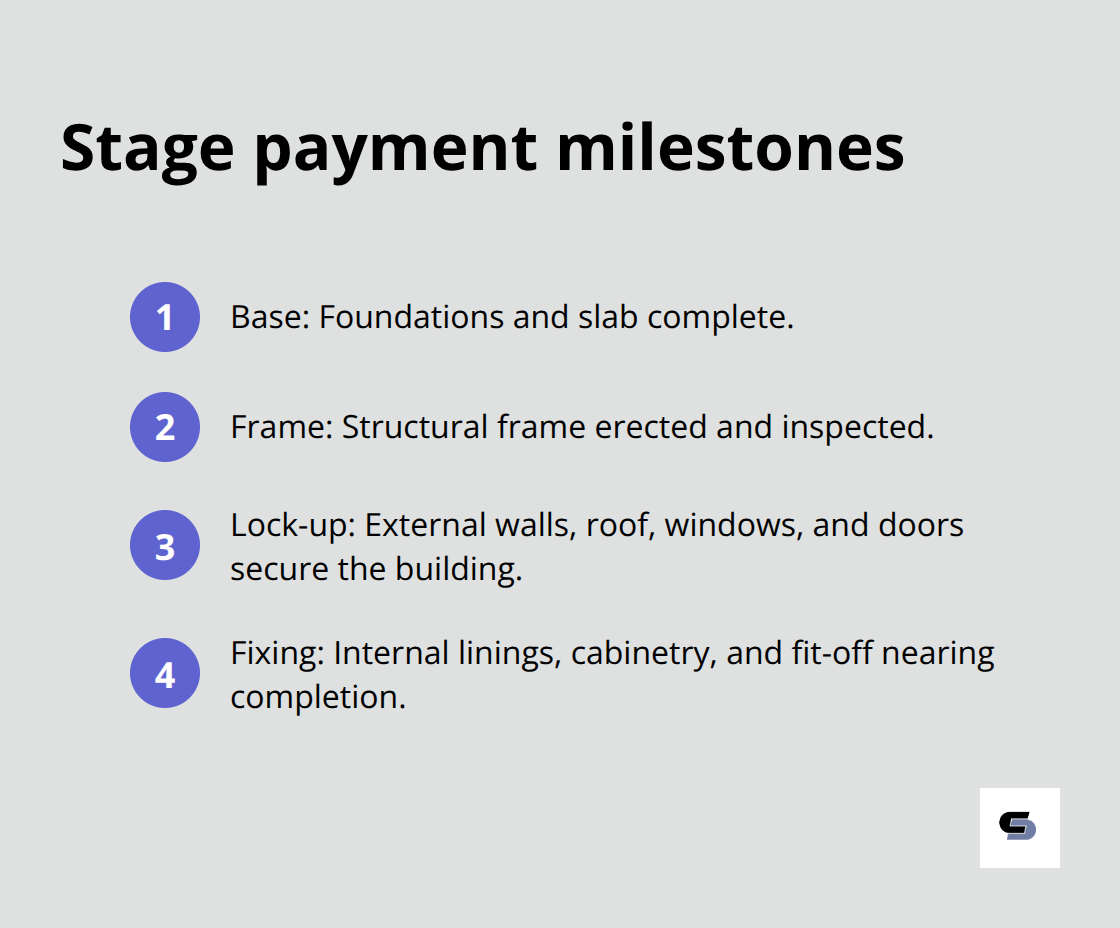
Never pay in full upfront; release funds only when you’re satisfied the work meets specification.
Understanding these cost components helps you allocate your budget strategically. The next section shows you how to manage these expenses and reduce your overall project cost without compromising quality or structural integrity.
How to Lock in Real Costs Before Construction Starts
Compare Quotes by Specification, Not Just Price
Three written quotes are non-negotiable, but most Melbourne homeowners compare them wrong. They look at the total price and pick the cheapest option, which guarantees cost blowouts later. Instead, compare what each quote includes. Does it specify materials by brand and grade, or does it hide items under provisional sums? A provisional sum is an estimate of cost that lets your builder claim extra costs mid-project. If your quote says plumbing fixtures are a provisional sum of $5,000, you’ve locked in nothing-your builder can spend $8,000 and bill you the difference.
Demand that your builder pre-select and specify every fixture, fitting, and material upfront. Lock in prices for windows, doors, tiles, paint colours, and appliances before signing the contract. This single step eliminates the most common source of cost blowouts. Your builder should provide a detailed specification document that lists every material by product name, grade, and colour. If they resist, they’re planning to use provisional sums to inflate costs later.
Secure Your Contract and Legal Protection
Under the Domestic Building Contracts Act 1995, projects exceeding $10,000 require a major domestic building contract that must specify what’s included and what isn’t. Request this contract early and have a building lawyer review it before you sign. The lawyer’s fee (typically $1,500–$2,500) saves you tens of thousands by catching unfair variation clauses or missing specifications.
Your builder must obtain the soil report and foundation data before quoting, because foundation surprises discovered mid-construction destroy timelines and budgets. If your builder hasn’t done soil testing, they haven’t quoted properly. Timing matters too-building during off-peak months (May to August) can save 10–15% on labour costs because tradespeople have more availability and less demand pressure. Spring and summer projects move slower and cost more because every builder is busy simultaneously.
Design for Efficiency and Compliance
Efficient design reduces costs without sacrificing space or quality. Work with your designer to understand Planning Practice Note 27 setback rules before concept stage, not after. A design that ignores setbacks forces expensive redesigns later. North-facing window placement affects your entire layout-if a window sits near a boundary, you’ll need deeper setbacks that shrink usable rooms.
Ask your designer to model overshadowing early so you don’t discover at development stage that your design violates the 75 per cent sunlight rule. Open-plan layouts cost less to build than compartmentalised spaces because they require fewer walls and structural elements.

A 40-square-metre open living area costs less than the same space divided into three small rooms. Flat roofs cost less than pitched roofs, but pitched roofs perform better in Melbourne’s weather and add resale appeal.
Select Materials That Perform in Melbourne’s Climate
Choose materials based on Melbourne’s climate. Durable external cladding, quality windows, and proper insulation cost more upfront but fail less often, meaning you avoid expensive repairs within 10 years. Cheap materials fail faster in Melbourne’s variable weather, costing you $15,000–$30,000 in repairs and replacement over 15 years. Your builder should release stage payments only when each phase meets specification. Base, frame, lock-up, and fixing stages protect you from paying for incomplete work. Never pay the final 10 per cent until a final inspection and occupancy permit is issued by the council. This gives you leverage if defects appear.
Final Thoughts
A second storey extension represents a substantial financial commitment, and how much a second storey extension costs ultimately depends on foundation conditions, planning constraints, material quality, and labour availability in your area. Foundation work often determines your final budget more than square metres do, while planning controls reshape your design and expenses before construction starts. Material choices and labour rates in Melbourne’s competitive market account for half your total cost, and building during off-peak months saves 10–15% on labour compared to peak season projects.
Professional guidance prevents costly mistakes that exceed $50,000. A building lawyer reviewing your contract catches unfair variation clauses, a structural engineer’s assessment identifies foundation issues before construction, your designer understands Planning Practice Note 27 setback rules, and a building surveyor independent of your builder protects your interests throughout the project. These professionals cost $8,000–$15,000 combined but stop mid-project surprises that destroy budgets and timelines.
An accurate quote starts with soil testing and foundation data-your builder cannot quote properly without this information. Demand three written quotes that specify every material by product name and grade, lock in fixture and fitting prices before signing your contract, and request stage payments tied to completed milestones so you release funds only when work meets specification. Contact our team for an accurate quote based on your site conditions and design requirements across Melbourne’s councils.