Heritage style extensions Melbourne: Balancing History and Modern Living
Heritage properties in Melbourne demand a different approach to extensions. The challenge isn’t just about adding space-it’s about respecting the original character while meeting modern living standards.
At Cameron Construction, we’ve guided countless Melbourne homeowners through heritage style extensions that honour the past without compromising on comfort. This guide walks you through the requirements, design principles, and approval process you’ll face.
What Makes a Property Heritage-Listed in Melbourne
Melbourne’s Heritage Overlay affects around 8,500 properties across the city, and you must determine whether your home falls under these controls before planning any extension. The City of Melbourne identifies a property as heritage-listed when it holds significance to the area’s history, architecture, or cultural value. The assessment considers the building’s age, architectural style, construction materials, and contribution to the streetscape. Properties built before 1940 are more likely to be listed, though some later structures receive protection for their design merit. You can check your property’s status by searching the Schedule to the Heritage Overlay on the Melbourne Planning Scheme website or contacting the City of Melbourne’s planning department directly.
Understanding What Heritage Status Means for Your Home
If your home is listed, you’ll face specific restrictions on external alterations, including extensions, repainting, and even tree removal. These restrictions exist because heritage buildings tell Melbourne’s story-from the 1850s gold rush boom that grew the city from 80,000 residents to 140,000 by 1861, through the 1880s land boom that produced eight and nine-storey office blocks, to the post-war modernisation that shaped today’s streetscapes. Your property’s heritage status reflects its role in this narrative, and council controls protect that contribution.
How Heritage Overlays Control Your Extension Plans
The Heritage Overlay dictates what you can and cannot do with your property. Additions must sit behind the front or principal part of the building to maintain the original structure’s prominence in the streetscape. For residential properties, the front typically extends 8 to 10 metres in depth, meaning rear and side extensions have more flexibility than front-facing work. You cannot extend into the air space directly above the front or principal part of the building, and new work must not obscure significant roof forms or elements.
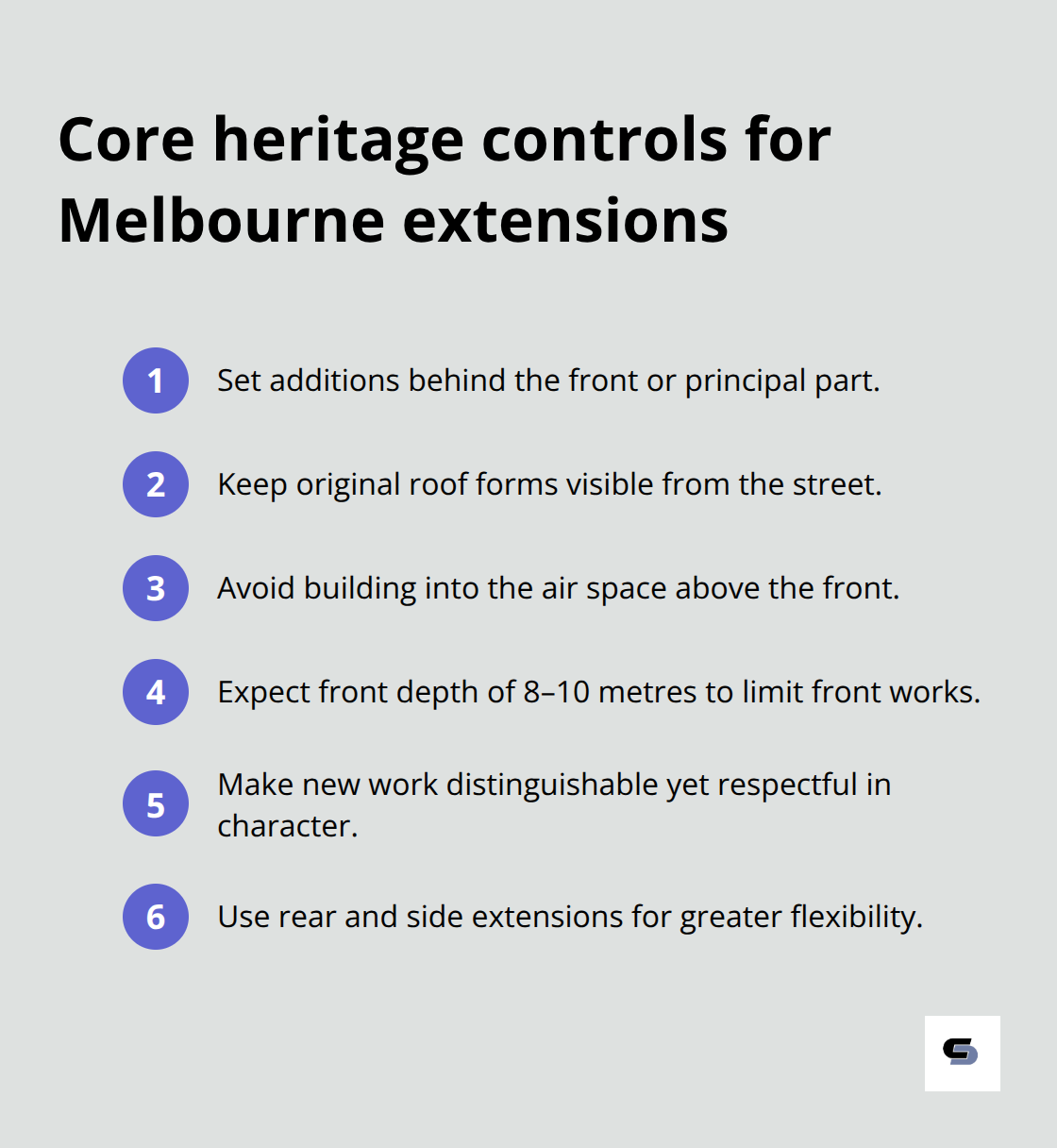
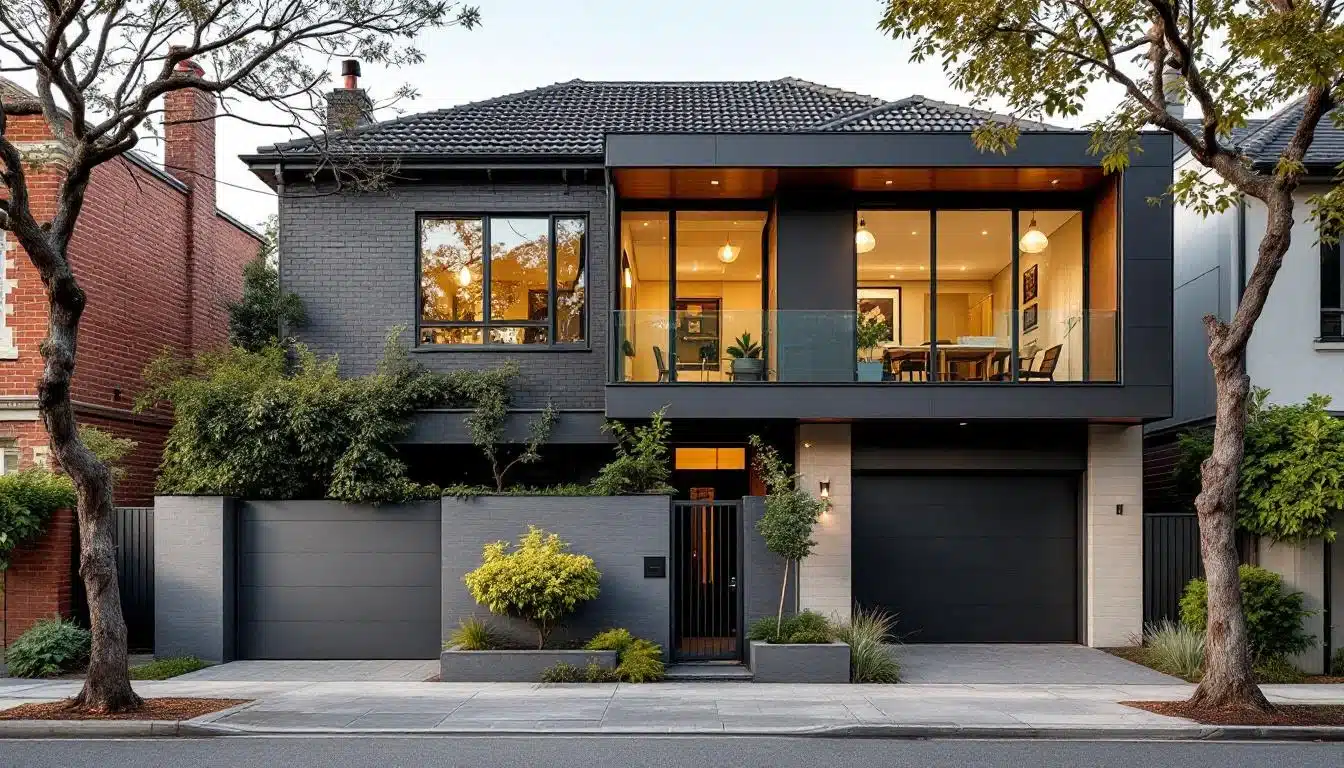
Additions must be distinguishable from the original fabric-you cannot simply replicate historic details; instead, contemporary design that respects the building’s character is required.
Council assessments examine whether your proposal respects key attributes identified in the property’s Statement of Significance, including height, massing, materials, setbacks, and orientation. Routine maintenance that replaces materials like-for-like requires no permit, but repainting in a different colour typically does if your area has external paint controls. Solar panels visible from the street or public parks also require approval.
Why Heritage Assessment Matters Before Design
Before you sketch any plans, you should engage a heritage consultant or architect experienced in Melbourne extensions to assess your property’s constraints. This step costs between $1,500 and $3,000 but saves thousands in rejected applications and design revisions. The consultant reviews your Statement of Significance, identifies which elements are protected, and determines what setbacks, materials, and forms will satisfy council requirements. This assessment shapes your design from day one, so your architect and builder work within realistic parameters rather than discovering restrictions mid-project.
The City of Melbourne encourages applicants to discuss plans with a planner before lodging a permit application; this informal consultation is free and often reveals whether your concept aligns with heritage policy. Properties in conservation districts face additional scrutiny-additions must respond to nearby significant and contributory buildings and align with the precinct’s characteristics. Understanding these controls early prevents costly redesigns and accelerates the approval process.
Moving Forward With Your Heritage Extension
Many heritage extensions succeed not because the design team ignores the rules, but because they anticipate them from the start. This foundation of knowledge positions you to work with architects and builders who understand Melbourne’s heritage framework. The next section explores the design principles that transform these constraints into opportunities, showing how contemporary extensions can honour heritage character while delivering the modern spaces your family needs.
How to Design Heritage Extensions That Work
Constraints as Design Opportunities
Heritage restrictions feel limiting until you shift perspective. Melbourne homeowners often treat heritage controls as obstacles, but they function as design parameters that clarify where you have genuine freedom. Your building’s Statement of Significance identifies exactly which elements council will protect, which means you know precisely where flexibility exists. The materials, proportions, and architectural language of your heritage home already define a palette your extension must respond to, not resist.
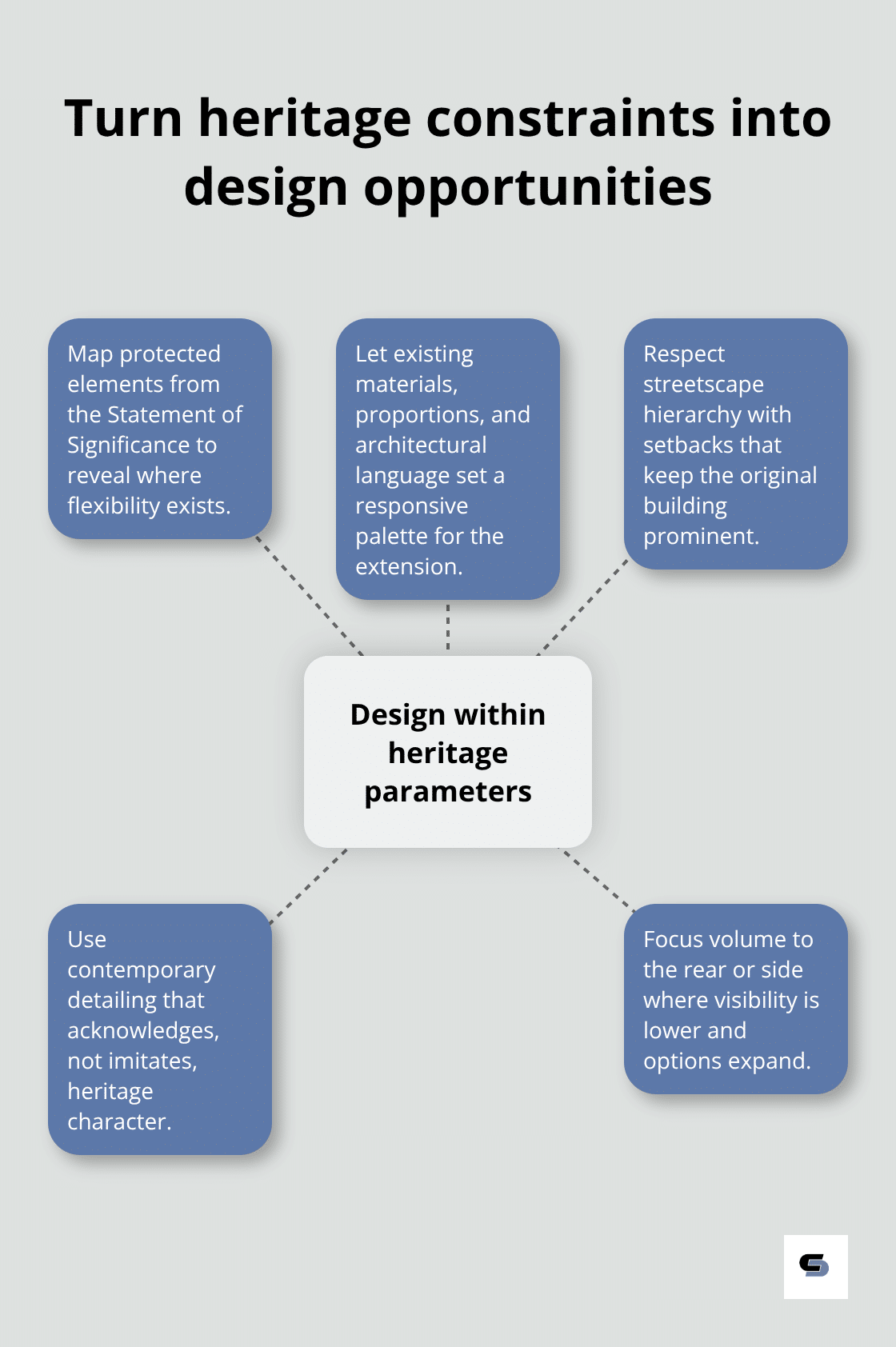
Melbourne’s heritage buildings from the 1850s through to the 1950s share consistent design logic: setbacks that respect streetscape hierarchy, materials that weather naturally, and roof forms that create legible skylines. Your extension works hardest when it acknowledges these principles rather than fighting them.
If your Victorian terrace sits 8 to 10 metres from the street, a rear or side addition set behind that line gives you genuine flexibility on form and contemporary detail. The front elevation stays protected; the rear becomes your opportunity. Trying to squeeze visible additions onto the front facade wastes design energy fighting council requirements you will not win. Experienced heritage architects start by mapping exactly which elements council will assess, then design within those boundaries rather than around them.
Material Authenticity Over Stylistic Replication
Material authenticity matters far more than copying historic details. If your 1920s bungalow features red brick with lime mortar and timber weatherboards, your extension should use compatible materials that age similarly, not modern render that creates visual contrast. Lime mortar breathes and moves with masonry; cement mortar locks moisture inside and causes salt damage. Using the wrong mortar type costs $15,000 to $25,000 to repair down the line. Contemporary windows work if they respect proportions and depth; a flush aluminium frame reads differently than a timber frame with proper reveal and sill detail, and council notices the difference.
For ground floor additions, matching brick colour and bond pattern to the existing structure creates coherence without pastiche. The City of Melbourne’s Heritage Design Guide explicitly states additions should employ contemporary design that interprets rather than reproduces historic details, which means a modern kitchen extension can use clean lines and large windows so long as materials and proportions respond to context.
Getting Colour and Finishes Right
Finishes like external paint colours require approval if your area has paint controls listed in the Schedule to the Heritage Overlay. Period-appropriate colours cost the same as incorrect ones; the Heritage Victoria architectural styles guides identify authentic colour schemes for each period, so accuracy carries no budget penalty. This approach applies across all finishes-roofing materials, external joinery, and cladding all benefit from research into what your building’s era actually used, rather than assumptions about what looks “heritage.”
Moving From Design Principles to Approval
Understanding these design principles positions you to work effectively with architects and builders who grasp Melbourne’s heritage framework. The next section walks through the actual approval process, showing how to translate your design into a council submission that satisfies heritage requirements and moves toward construction.
Getting Your Heritage Extension Approved
Preparing Your Heritage Impact Statement
Heritage assessment and documentation must happen before you lodge anything with council, and this phase determines whether your design will succeed or fail. You should engage a heritage consultant or architect experienced with Melbourne properties to prepare a Heritage Impact Statement, which analyses your proposal against the Statement of Significance for your building. This document costs $2,000 to $4,000 but becomes your roadmap for council negotiations. The consultant identifies which heritage elements your extension affects, explains why your design respects or minimises impact on those elements, and references the Heritage Design Guide and relevant planning policy. Without this assessment, you submit a design application blind, hoping council agrees with your interpretation of heritage requirements when they may see risks you’ve missed.
Consulting With Council Before Submission
The City of Melbourne’s planning department offers free pre-lodgement consultations where planners review your concept and tell you exactly which policies apply and what documentation you’ll need. This conversation takes 30 to 60 minutes and prevents expensive redesigns after formal submission. Planners identify specific heritage constraints that affect your site, clarify which elements council will scrutinise, and outline the documentation standards they expect. This step costs nothing and removes guesswork from your design process.
Preparing Your Council Submission
Your council submission requires architectural drawings that show existing conditions, proposed additions, materials, setbacks, and how the new work sits within the Heritage Overlay constraints. The submission must address the Statement of Significance directly, explaining how your extension respects key attributes like height, massing, materials, and roof form. Council assesses heritage applications case by case, so generic submissions fail; your documentation must demonstrate specific knowledge of your building’s heritage value and show how your design responds to that value. Budget $8,000 to $15,000 for professional documentation and submission preparation if you work with an experienced heritage architect.
Understanding Processing Times and Costs
Processing times for heritage applications vary depending on complexity, though straightforward proposals typically progress within standard timeframes. Once council approves your application, you’ll hold a planning permit that specifies conditions you must follow during construction. Many permits require heritage supervision, meaning a qualified heritage consultant inspects work to confirm compliance with conditions. This costs an additional $1,500 to $3,000 but protects you from costly remediation if construction deviates from the approved design.
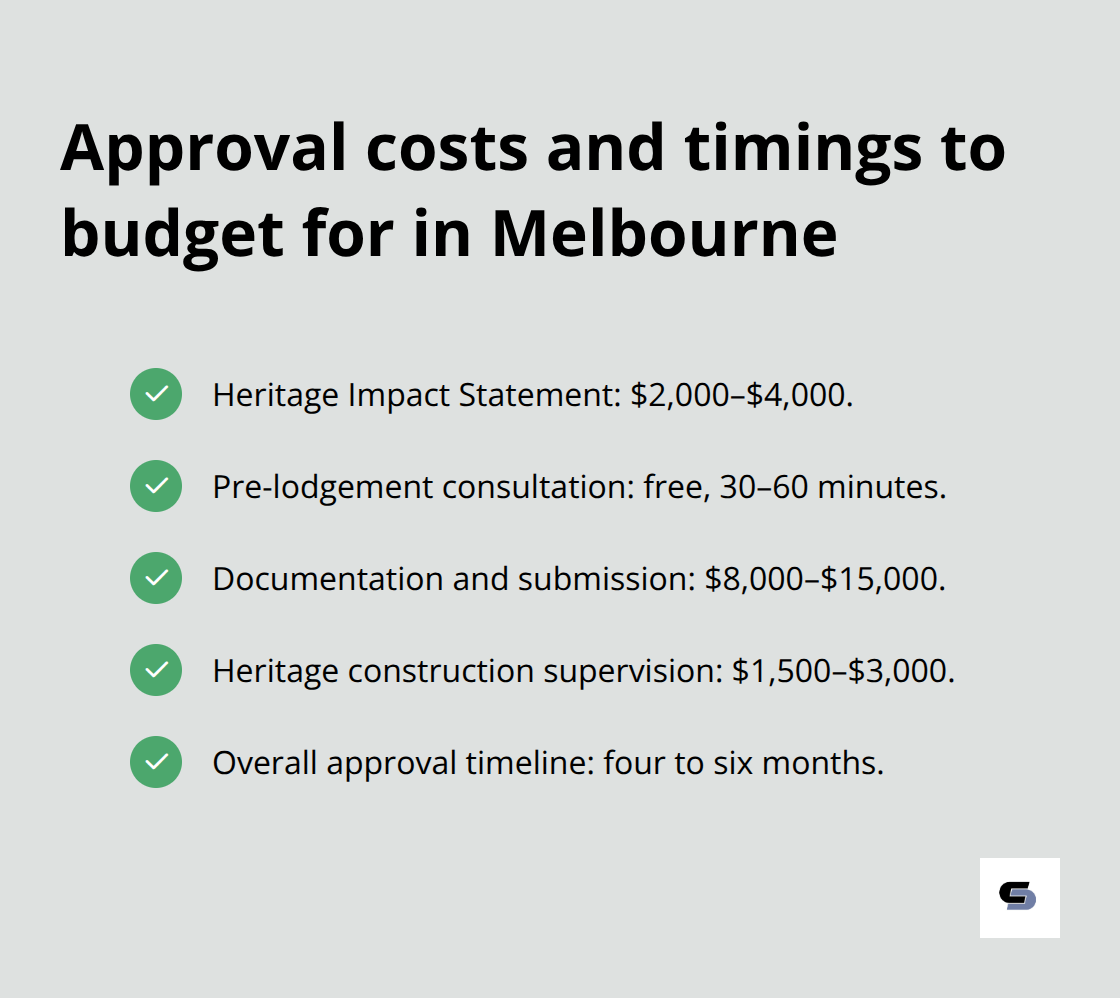
The total timeline from initial assessment to construction approval typically spans four to six months, so factor this into your project schedule and budget accordingly.
Final Thoughts
Heritage style extensions Melbourne succeed when you treat heritage controls as design clarity rather than obstruction. The requirements exist because your building contributes to Melbourne’s streetscape narrative, and respecting that contribution costs nothing extra-it simply shapes where and how you build. A heritage consultant’s assessment costs $1,500 to $3,000 upfront but prevents $20,000 to $40,000 in redesigns and rejected applications.
Council planners offer free consultations that clarify exactly which elements require approval and which fall outside heritage controls. Architects experienced with Melbourne’s Heritage Overlay know which design moves satisfy council and which trigger lengthy negotiations. This expertise compounds across every phase-from initial assessment through documentation, submission, and construction supervision (saving you months of back-and-forth with planning officers).
Contact the City of Melbourne’s planning department to confirm your property’s heritage status and request a pre-lodgement consultation. Simultaneously, engage a heritage architect or consultant to prepare an initial assessment of your site’s constraints and opportunities. We at Cameron Construction have guided Melbourne homeowners through heritage extensions that deliver modern living spaces while honouring the buildings’ original character, and we handle everything from concept through to completion, including planning approvals and BCA compliance.