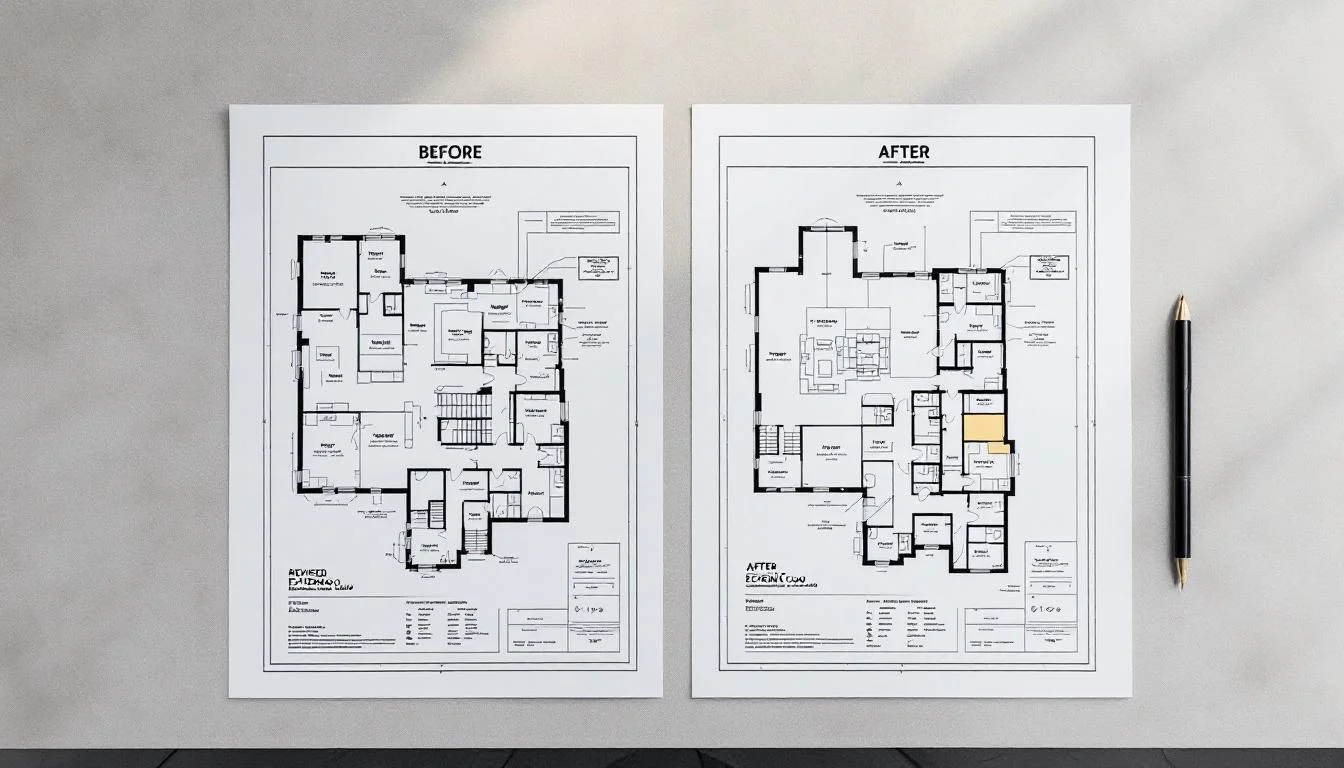
Extension Floor Plans Before and After Transformations
A well-designed floor plan is the foundation of any successful home extension. At Cameron Construction, we’ve seen how thoughtful layout changes transform cramped homes into spacious, functional living spaces.
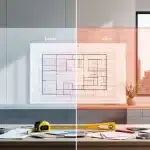
Extension floor plans before and after reveal the real impact of professional design. Poor planning leads to wasted space and awkward traffic patterns, while strategic layouts maximise every square metre and improve how your home actually works.
How Extensions Reshape Your Home’s Layout
When you add square metres to your home, you redesign how your entire house functions. The difference between a successful extension and a disappointing one often comes down to how the new layout connects to existing spaces. A ground floor addition that ignores original traffic patterns creates bottlenecks and wasted corridors. A double storey extension built without considering sight lines and natural light can make both old and new areas feel disconnected. The best extensions don’t simply add rooms; they reorganise how you move through your home, where light enters, and how each space serves your daily life.
Reconfiguring Space for Real Living
Most Melbourne homes built before the 1990s feature compartmentalised layouts-separate rooms for cooking, dining, and living that feel fragmented by modern standards. Extensions allow you to break this pattern. When you add a ground floor kitchen and dining extension, you create more than new square metres; you collapse the distance between food preparation and eating spaces. This reduces steps during meal preparation and improves sightlines so you can watch children while cooking.
The Fitzroy North case study from the Australian Government’s Your Home program demonstrates this principle. A 15 m² extension transformed a 110 m² home by creating an open-plan kitchen-dining area that enhanced both livability and thermal performance. The extension added only 15 m² but made the entire 125 m² home feel more connected.
Storage placement matters equally. Extensions give you the chance to build integrated cabinetry that serves both old and new zones-pantries positioned between kitchen and dining, linen storage accessible from hallways, built-in shelving that anchors open-plan areas. Without planning this during design, you end up with wasted corners and cluttered living spaces.
Controlling Light and Air Movement
Natural light and cross-ventilation determine thermal comfort and energy efficiency. The Fitzroy North renovation achieved a NatHERS rating jump from 1.8 to 3.2 stars largely through strategic window placement and ventilation design. North-facing clerestory windows with eaves allowed passive solar heating in winter while exterior blinds prevented summer overheating. Double-glazed windows with low-emissivity glass paired with cross-ventilation paths reduced annual heating and cooling demand from 406 MJ/m² to 250 MJ/m².
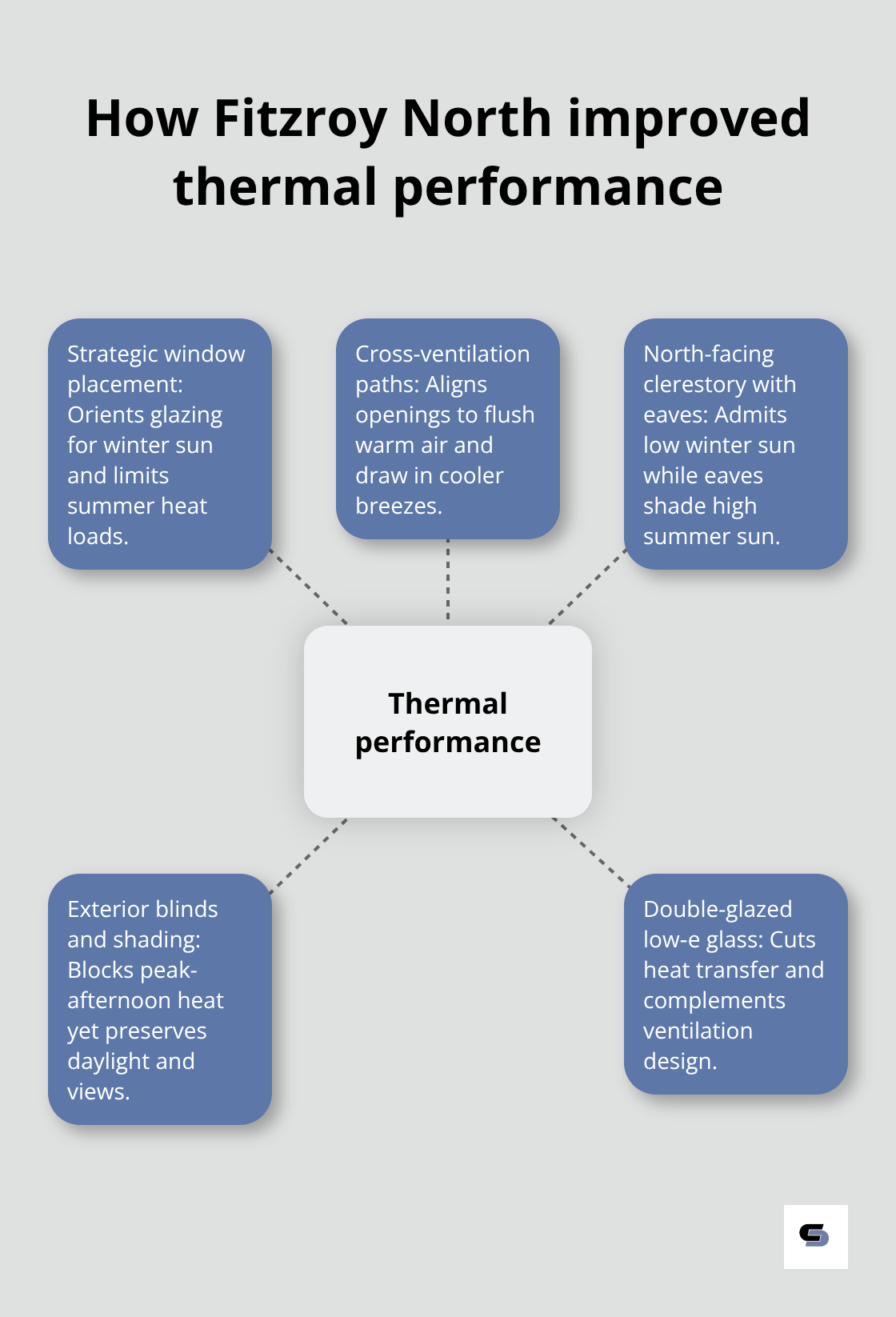
When designing your extension floor plan, positioning windows to capture winter sun and allowing summer breezes to travel through rooms determines whether you’ll rely heavily on mechanical heating and cooling. East and west-facing walls need external shading (trees, screens, or eaves) to prevent afternoon heat gain. Skylights in single-storey extensions bring light deep into spaces where side windows won’t reach.
The layout of doors and internal openings controls whether air moves freely or gets trapped in dead zones. A poorly positioned rear extension can block ventilation paths that previously kept your home cool naturally. These design decisions affect both comfort and running costs for years to come.
Common Extension Floor Plan Mistakes to Avoid
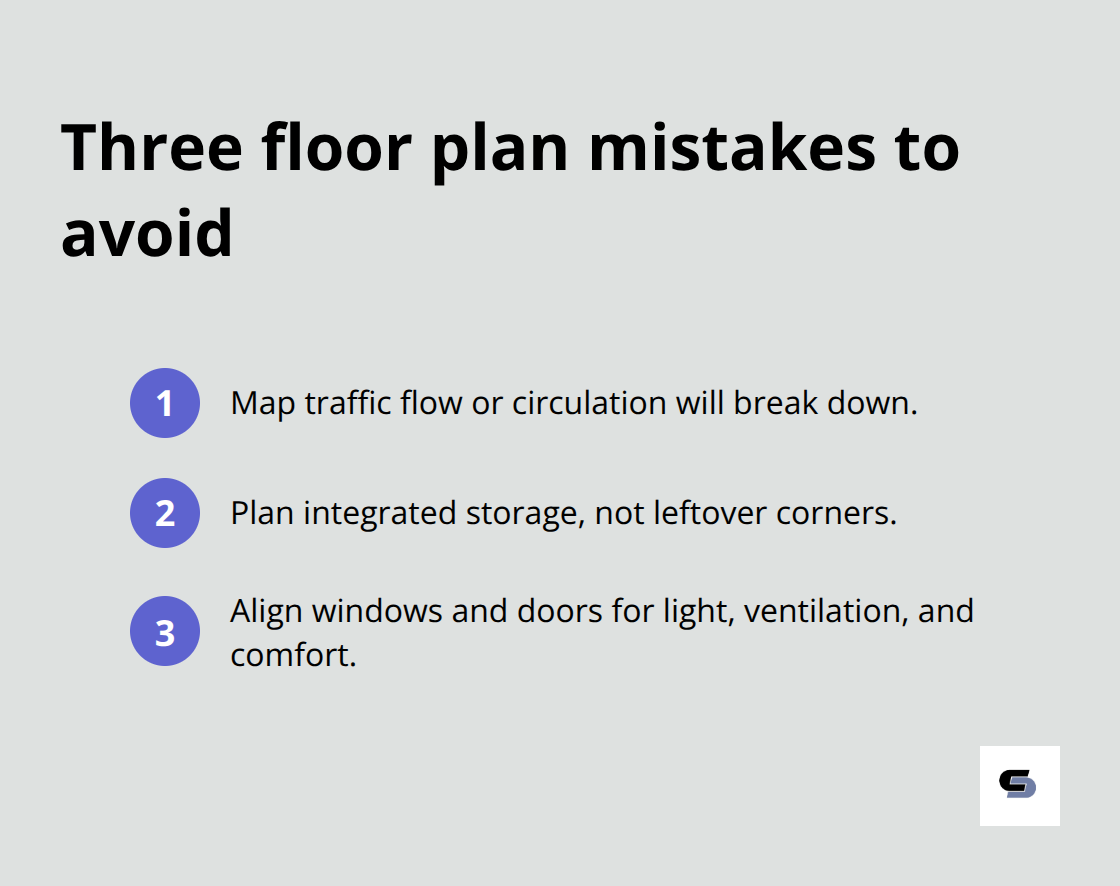
The most expensive extension mistakes happen during design, not during construction. Poor floor plan decisions waste thousands of dollars and create homes that feel disconnected rather than enhanced. Three critical errors appear repeatedly across failed extensions: traffic flow breaks down when designers add square metres without mapping how people actually move through the space; storage disappears because designers focus on visible living space and ignore where residents will actually store everyday items; and door and window placement gets rushed, leading to rooms that feel dark, disconnected, or thermally inefficient. These three issues compound each other, transforming what should be a functional improvement into a source of daily frustration.
How Poor Circulation Undermines Your Extension
Traffic flow determines whether an extension feels like part of your home or an afterthought. A ground floor addition that blocks the path between kitchen and living areas forces residents to navigate around the new layout constantly. A rear kitchen extension that requires residents to pass through the dining area to reach the backyard adds unnecessary steps and blocks sightlines. The Fitzroy North case study from the Australian Government’s Your Home program succeeded partly because the extension layout maintained clear pathways from existing living spaces into the new kitchen-dining area. The addition worked because it connected logically to what came before, not because it added space.
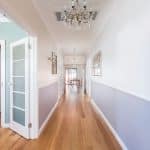
Melbourne homes often feature narrow hallways from the 1950s and 1960s that become even more problematic when extensions create competing traffic routes. Your extension should reduce the number of times residents cross the same threshold daily, not increase it. A extension that blocks half your original living area actually makes your home feel smaller, not larger, because cramped spaces result directly from ignoring circulation patterns.
Storage Placement Determines Long-Term Satisfaction
Extensions that lack integrated storage fail within months of completion. Residents resort to freestanding furniture, cluttered benchtops, and overflowing cupboards because the original design overlooked where things actually go. A new kitchen extension needs pantry space positioned for efficiency, not squeezed into leftover corners. Linen storage should be accessible from multiple zones if your extension reorganises the home’s layout. Built-in shelving, cabinetry, and dedicated storage areas cost far less to install during construction than retrofitting them later.
Many extensions designed without consulting how residents actually live become victims of their own poor planning.
Windows and Doors Control Both Comfort and Connection
Misaligned door and window placement creates extensions that feel thermally uncomfortable and visually disconnected. Doors positioned without considering prevailing winds and summer sun exposure allow unwanted heat gain or block beneficial cross-ventilation. Windows that face south or west without external shading force reliance on mechanical cooling, increasing running costs significantly. Appropriate shading – which can include eaves, awnings, shutters, and plantings – can maximise thermal comfort in home extensions by allowing in winter sun but blocking summer heat.
Your extension’s windows should capture winter solar gain on north-facing walls while external features prevent summer overheating. Door placement matters equally; a rear extension with doors positioned away from existing living spaces creates visual disconnection and prevents natural light from reaching deeper into your home. Poor window and door alignment also compromises acoustic performance, allowing street noise to penetrate spaces that should feel private. These design decisions affect both comfort and running costs for years to come, which is why professional design prevents expensive construction mistakes that amateur plans often create.
What Real Extensions Achieve in Floor Plan Design
Ground Floor Additions Transform Fragmented Layouts
The Fitzroy North extension demonstrates how floor plan transformation works in practice. A 1950s home originally measured 110 m² across a fragmented layout with separate rooms for cooking, dining, and living. The 15 m² rear addition created an open-plan kitchen-dining area that reorganised the entire home’s functionality. This wasn’t about adding square metres; it was about collapsing wasted distance between zones. The extension positioned storage strategically between old and new areas and created clear traffic paths from the living room through to the backyard. North-facing windows with external shading reduced annual heating and cooling demand from 406 MJ/m² to 250 MJ/m². The NatHERS thermal rating jumped from 1.8 to 3.2 stars.
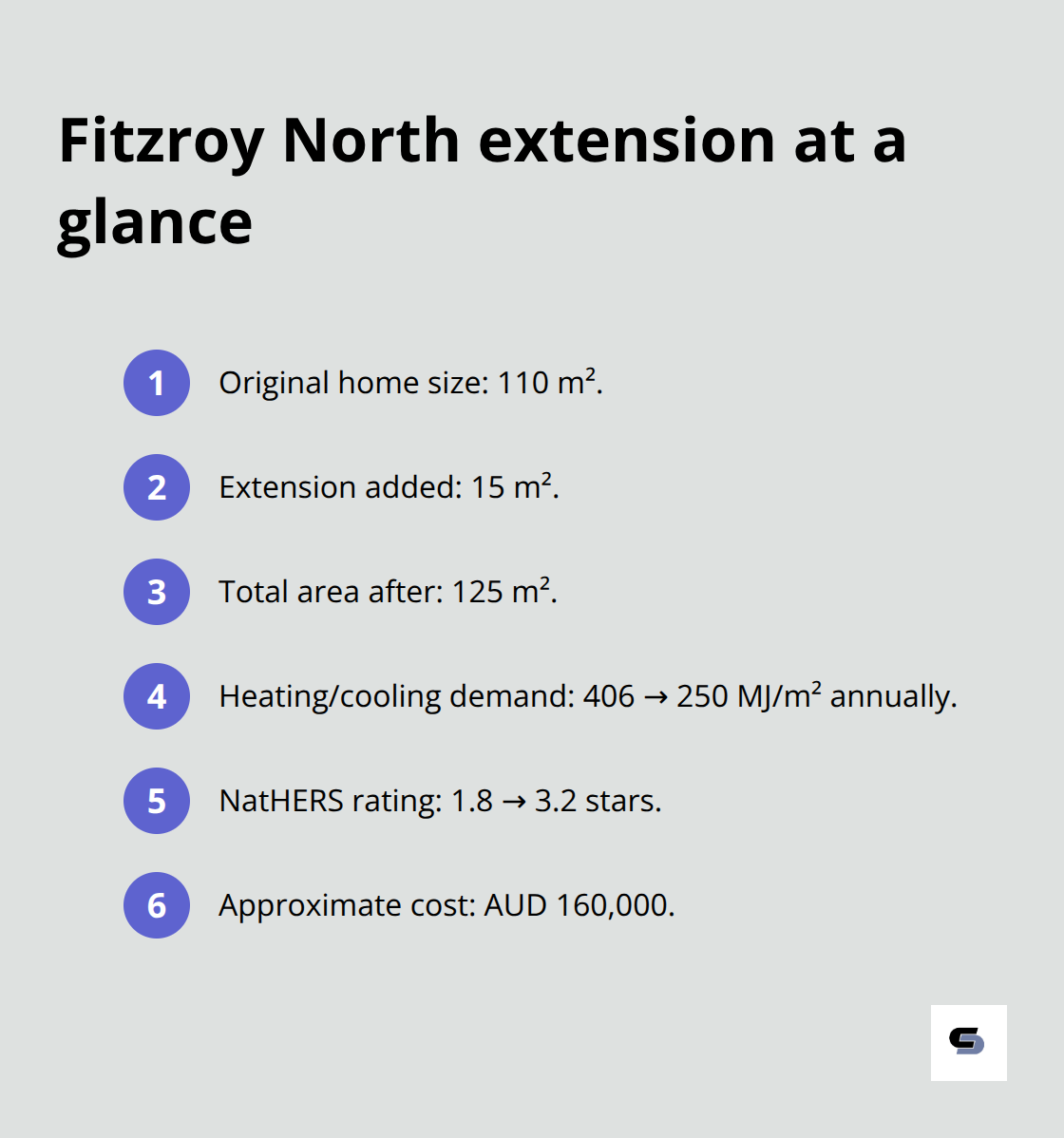
This transformation cost approximately AUD 160,000 and proved that significant livability improvements happen when floor plan decisions prioritise connection over mere size expansion. Ground floor additions in Melbourne typically follow this pattern: they work best when they collapse distance between existing living zones, integrate storage into the new layout, and position windows to control natural light and cross-ventilation rather than block existing sightlines.
Double Storey Extensions Require Vertical Circulation Planning
Double storey extensions and second storey conversions operate differently because they must maintain vertical circulation while avoiding thermal disconnection between levels. A second storey conversion transforms underutilised roof space into bedrooms or studies, but only succeeds when the new floor plan includes adequate staircase positioning and doesn’t create isolated upper zones that feel thermally separate from ground level living areas.
The key difference from ground floor work is that upper floor additions require careful attention to how residents move between levels daily. New spaces need sufficient natural light (skylights often prove essential), and mechanical heating and cooling must serve both old and new areas efficiently. Melbourne homes built before the 1980s typically feature staircases positioned centrally or toward the rear, which works against modern expectations for open-plan living.
Staircase Positioning Determines Upper Floor Functionality
A second storey conversion that respects existing staircase location saves cost but may create awkward access to new spaces. Relocating the staircase during conversion costs substantially more but dramatically improves floor plan functionality and flow. The decision between respecting existing vertical circulation or redesigning it depends entirely on how the new upper floor connects to ground level activities.
Extensions that fail typically ignore this relationship. They add space without considering whether residents will actually use it comfortably because access feels clumsy or thermal separation makes the upper level feel disconnected from daily life. Upper floor additions that position stairs centrally (rather than at the rear) improve sightlines between levels and reduce the sense of isolation that poorly planned conversions create.
Thermal Separation Undermines Upper Floor Comfort
Inadequate insulation and poor ventilation between old and new upper floors create thermal disconnection that residents notice immediately. A second storey addition that lacks proper sealing around the staircase opening allows conditioned air to escape, forcing mechanical systems to work harder. Windows positioned without considering summer sun exposure on upper levels create uncomfortable bedrooms that overheat in afternoon hours. Strategic window placement, external shading, and continuous insulation between old and new construction prevent these problems and ensure upper floors feel integrated with the rest of your home rather than like separate, uncomfortable zones.
Final Thoughts
Successful extension floor plans before and after transformations share one essential pattern: they prioritise connection over mere size expansion. The Fitzroy North case study proved that a modest 15 m² addition could reorganise an entire home’s functionality by collapsing wasted distance between zones, integrating storage strategically, and positioning windows to control natural light and thermal performance. Professional design prevents the three critical mistakes that undermine extensions: poor traffic flow that makes homes feel smaller despite added square metres, missing storage that forces residents into cluttered compromises, and misaligned windows and doors that compromise both comfort and connection.
These decisions happen during design, not during construction, which means poor planning becomes expensive to fix after completion. Start by mapping how your household actually moves through your home today, identify where natural light enters, and note which traffic patterns feel inefficient. These observations become the foundation for a floor plan that genuinely improves your home rather than simply adding space.
At Cameron Construction, we work from concept through to completion, handling planning permits, BCA compliance, and the technical details that separate successful extensions from disappointing ones. Contact our team to discuss how professional design transforms your extension into a functional improvement that your household will appreciate daily.