Extension Builders Melbourne: Why Local Pros Deliver Consistent Quality
Extension builders Melbourne aren’t all created equal. The difference between a builder who understands local regulations, soil conditions, and supplier networks versus one who doesn’t often determines whether your project runs smoothly or becomes a costly headache.
At Cameron Construction, we’ve seen firsthand how local expertise transforms extension projects. Choosing the right builder means the difference between a premium renovation that adds genuine value and one that drains your budget while delivering mediocre results.
Why Melbourne’s Local Builders Navigate Planning and Site Realities Better
Victorian Building Codes and Council-Specific Requirements
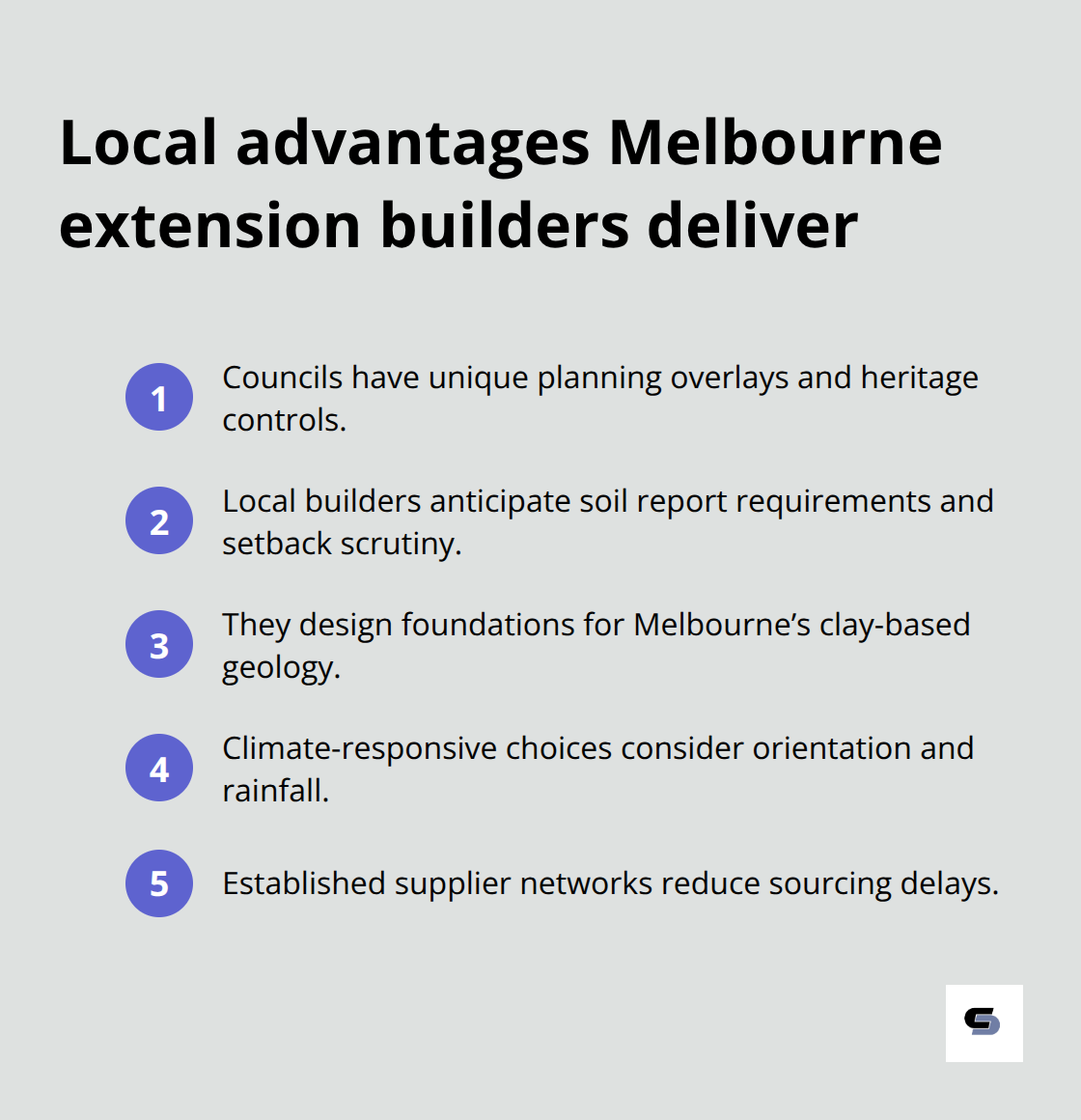
Melbourne’s building landscape differs markedly from other Australian cities. The Victorian Building Authority enforces specific codes that differ from NSW or Queensland standards, and Melbourne’s 31 councils each maintain unique planning overlays and heritage controls. A builder unfamiliar with these variations will submit plans that fail first-time, costing weeks and thousands in rework. Local builders understand which councils demand detailed soil reports upfront, which ones scrutinise setback distances more strictly, and which heritage overlays trigger mandatory design reviews. This isn’t theoretical knowledge-it’s the difference between securing a permit in eight weeks versus sixteen.
Foundation Design and Soil Conditions
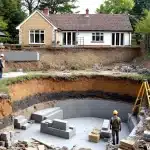
Melbourne’s soils present genuine engineering challenges that demand local experience. The clay-based geology across suburbs like Balwyn, Camberwell, and Kew requires specific foundation designs that differ from sandy soils found further south. A builder working across multiple states might specify standard concrete footings that prove inadequate for clay conditions, forcing expensive remedial work mid-construction. Local expertise prevents these costly mistakes before they occur.
Climate-Responsive Design Decisions
Melbourne’s weather patterns-particularly the intense summer heat and variable winter rainfall-demand specific decisions about insulation placement, drainage design, and thermal mass that vary by suburb and orientation. Local builders make these adjustments automatically because they understand how a north-facing extension in Toorak performs differently from one in Coburg. They select materials and construction methods that suit local climate conditions rather than applying generic solutions.
Supplier Networks and Trade Relationships
Local builders maintain established relationships with materials suppliers and trades who understand regional demands. When a double storey extension requires specialist waterproofing due to Melbourne’s moisture patterns, or when timber selections need adjustment for local climate conditions, established networks mean faster sourcing and fewer delays. Builders with strong local supplier relationships navigate current constraints more effectively than newcomers attempting to build networks from scratch.
Why Builder Selection Impacts Your Timeline and Budget
These advantages compound throughout your project. A builder who knows Melbourne’s councils, understands local soil conditions, and maintains supplier relationships completes projects on schedule and within budget. The next section examines what separates quality extension builders from the rest.
What Sets Quality Extension Builders Apart
Verified Track Records and Client References
Quality extension builders distinguish themselves through verifiable outcomes, not marketing claims. The strongest indicator is a portfolio of completed projects you can inspect in person. A builder with genuine local expertise will provide contact details for recent clients willing to discuss their experience, and you should visit completed extensions. During these visits, assess whether finishes match the quoted standard, whether the addition integrates seamlessly with the existing home, and whether the client felt informed throughout construction.
The Building and Plumbing Commission requires builders to register for domestic building work, so verify the builder’s BPC registration number and check their business history through the Australian Securities and Investments Commission. This step alone eliminates many builders operating without proper credentials. Request references from clients who completed projects within the last two years, and specifically ask those referees about communication consistency, whether the builder obtained written approval for changes, and whether final costs matched the original quote. These conversations reveal whether a builder’s stated commitment to transparency translates into actual practice.
In-House Design and Engineering Teams
Quality builders maintain in-house design and engineering teams rather than outsourcing these critical functions. When a builder subcontracts design work, decisions about how your extension interacts with existing structures, responds to council requirements, and performs thermally get made by people unfamiliar with your specific site and goals. This continuity prevents costly misalignments between design intent and construction reality.
External designers often lack accountability when their plans create site complications, whereas in-house teams absorb the consequences of poor decisions and learn from them. The same team that manages your concept should manage permit submissions and on-site decisions, ensuring architect-led integration throughout the project.
Transparent Pricing and Detailed Specifications
Transparent pricing separates builders worth hiring from those who will drain your budget through hidden variations. Obtain written quotes from at least three builders, and compare what each quote includes. A builder quoting a fixed price without detailed specifications for materials, finishes, and structural assumptions is leaving room for price escalation once work begins.
Ask each builder to itemise foundation costs, structural steelwork, insulation specifications, and kitchen or bathroom fittings separately. A quality builder will address contract provisions upfront rather than treating them as negotiable later.
Project Management and Legislative Compliance
Project management practices reveal how a builder operates. Ask whether a dedicated project manager will oversee your work or whether supervision rotates among multiple staff. During construction, you should receive regular progress updates and written approval for any variations before work proceeds.
The Domestic Building Contracts Amendment Bill 2025, which passed in September 2025, introduced stronger protections for homeowners, including clearer requirements around contract transparency and dispute resolution. Builders staying current with these legislative changes demonstrate professionalism and commitment to fair dealings.
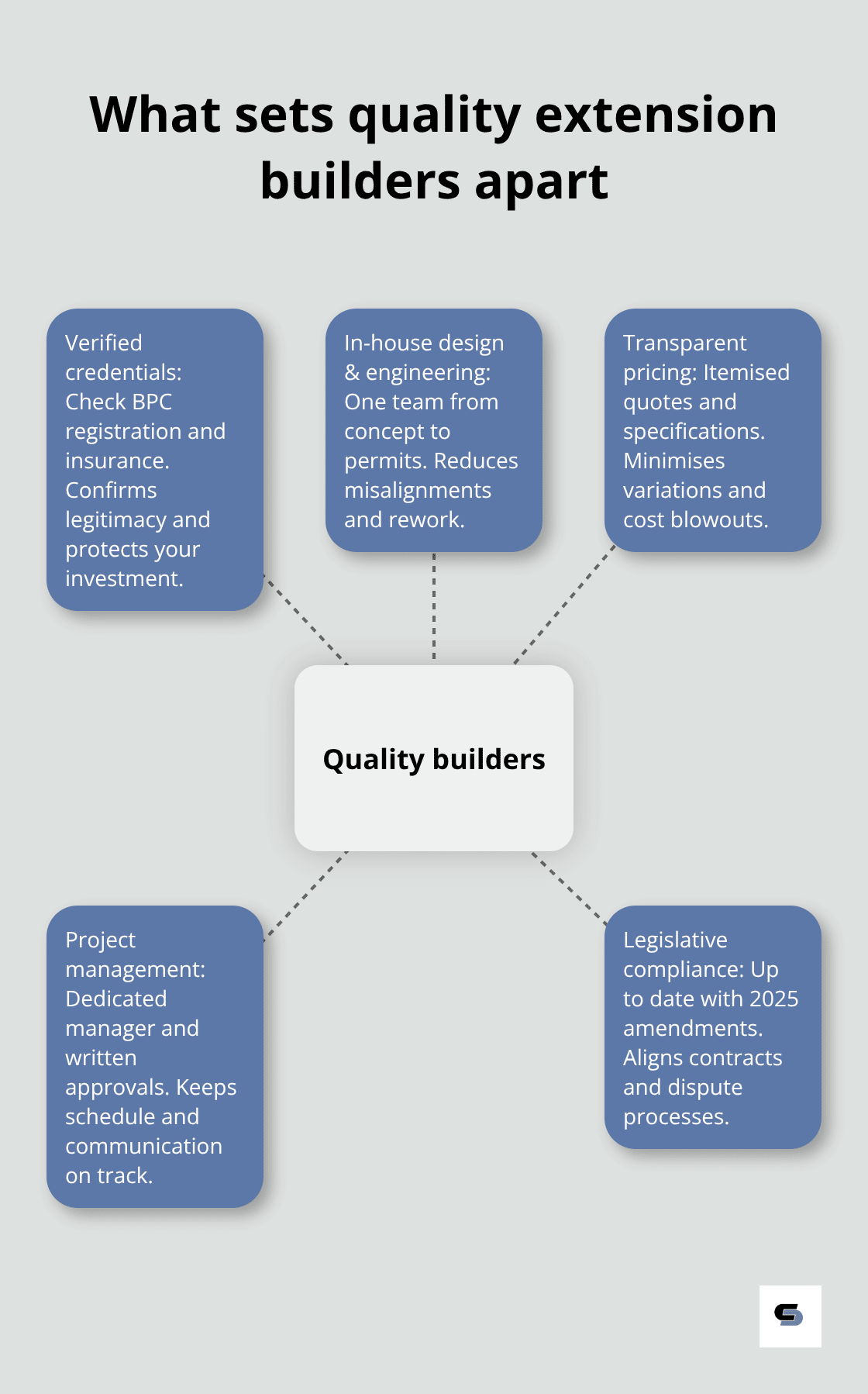
These practices-verified credentials, in-house expertise, transparent pricing, and professional project management-form the foundation of reliable extension delivery. The next section examines how homeowners often overlook these factors when making their selection.
How Homeowners Sabotage Their Extension Projects Through Poor Builder Selection
Price-Driven Decisions That Cost Thousands More
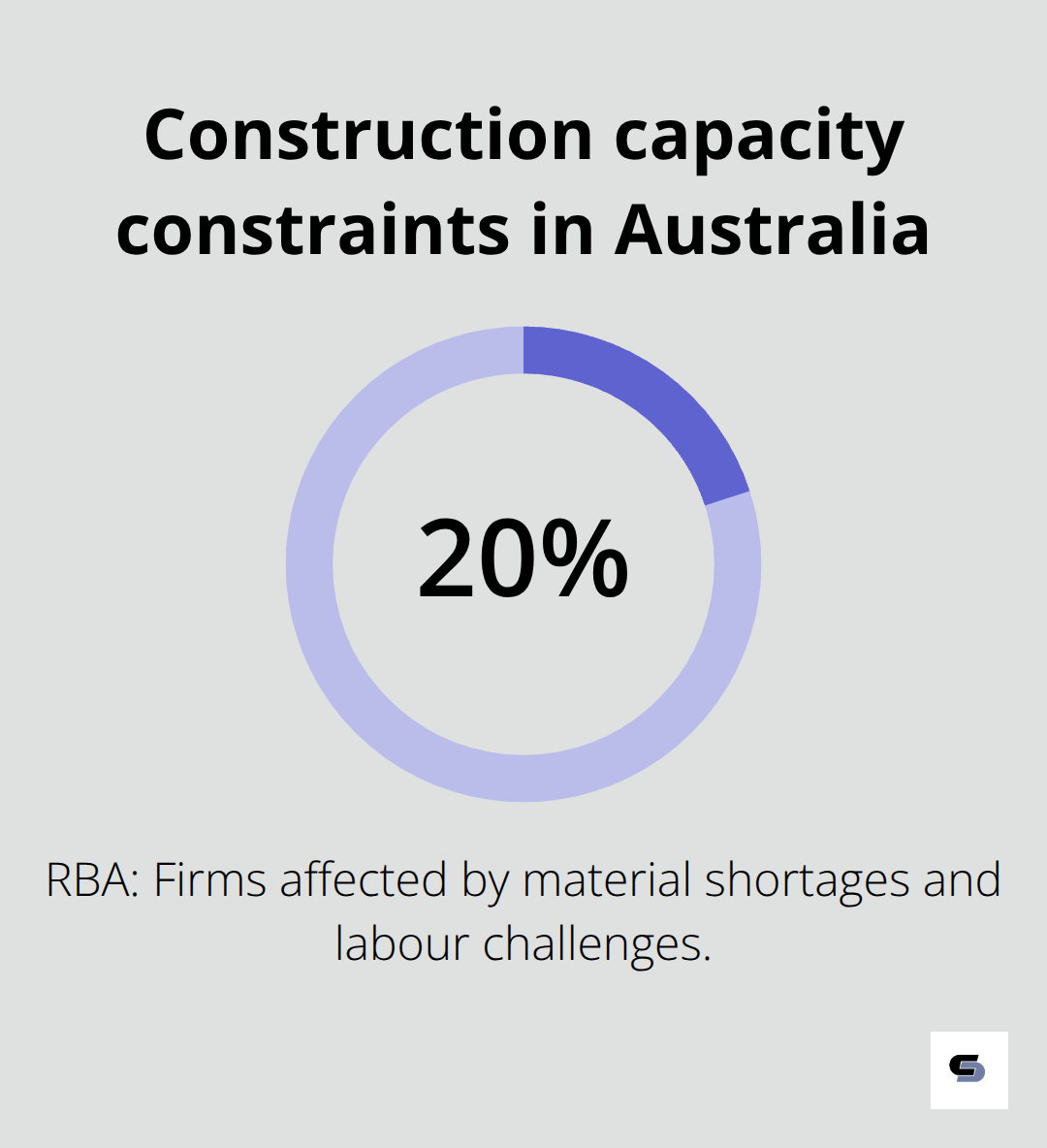
Melbourne homeowners often make their most expensive mistake before construction even starts: selecting a builder based primarily on price. We regularly encounter homeowners who received quotes ranging from $180,000 to $280,000 for identical double storey extensions, then automatically chose the lowest option. Within weeks, those projects stall because the low-cost builder lacks the experience to navigate Melbourne’s soil conditions or council requirements, forcing expensive remedial work. The Reserve Bank of Australia noted that construction capacity constraints mean material shortages and labour challenges affect about 20% of firms, yet inexperienced builders unfamiliar with local supplier networks absorb these delays rather than mitigate them through established relationships.
A genuinely cheap quote often signals a builder who underestimated the project scope or plans to recover costs through variation claims later. Homeowners fixated on initial price routinely encounter final invoices 30–40% higher than the original quote because underbidding forces builders to cut corners or lodge change orders for unforeseen conditions-particularly foundation issues that competent builders identify during soil assessments.
Instead of comparing headline prices, request itemised quotes showing foundation design costs, structural steelwork specifications, and thermal performance standards separately. This forces builders to justify their pricing and reveals whether they have genuinely assessed your site or simply applied generic assumptions.
Missing Credentials and Insurance Protections
Equally destructive is ignoring qualifications and licensing, yet many Melbourne homeowners proceed with builders who lack current Building and Plumbing Commission registration or cannot produce public liability insurance certificates. The BPC requires registration for domestic building work, and projects exceeding $10,000 demand a current Certificate of Domestic Building Insurance before you pay any deposit. Builders operating without these credentials expose you to financial loss if defects emerge or the builder becomes insolvent-your only recourse then involves complex claims against domestic building insurance that may not cover the full loss. Verify the builder’s BPC registration number and check their business history through the Australian Securities and Investments Commission before committing to any contract.
Skipping Client References and Site Visits
Failing to contact and speak directly with past clients remains shockingly common among Melbourne homeowners. A builder’s portfolio website shows polished photographs, but speaking with homeowners who actually lived through their projects reveals whether communication remained transparent, whether changes stayed within budget, and whether the builder delivered on promised timelines. Ask references specifically whether they felt informed throughout construction, whether the builder obtained written approval before variations, and whether they would hire the same builder again. These conversations consistently expose builders who mismanage projects or communicate poorly-deficiencies no website portfolio can hide.
A builder with genuine local expertise and quality delivery will confidently provide client contacts and encourage you to visit completed extensions in person, because their work speaks for itself across Melbourne’s suburbs. During these visits, assess whether finishes match the quoted standard, whether the addiion integrates seamlessly with the existing home, and whether the client felt informed throughout construction.
Final Thoughts
Local expertise in extension builders Melbourne matters because it compounds across every phase of your project. A builder who understands Victorian Building Authority codes, recognises soil conditions specific to your suburb, and maintains established supplier relationships prevents costly mistakes before they occur. These advantages translate directly into projects that stay on schedule and within budget, delivering the quality outcome your home deserves.
When evaluating builders, prioritise verifiable credentials over headline pricing. Check Building and Plumbing Commission registration, request public liability insurance certificates, and speak directly with past clients about their experience. Visit completed extensions in your area and assess whether finishes match quoted standards and whether the addition integrates seamlessly with existing homes.
Quality extension builders maintain in-house design and engineering teams, provide itemised quotes that justify their pricing, and demonstrate current knowledge of legislative requirements like the Domestic Building Contracts Amendment Bill 2025. Obtain written quotes from at least three builders with verified credentials, request detailed specifications for foundation design and structural work, and contact their recent clients before making your decision. When you’re ready to move forward, Cameron Construction brings 40+ years of award-winning delivery across Melbourne’s suburbs, with in-house designers, engineers, and project managers handling your extension from concept through completion.