Double storey extension ideas for growing Melbourne families
Double storey extension ideas for growing Melbourne families
Growing families in Melbourne face a common challenge: outgrowing their homes without wanting to leave their beloved neighbourhoods. Adding a double storey extension offers a smart solution, creating space for kids’ bedrooms upstairs, a parents’ retreat, and open plan living areas that suit modern family life. In this guide, you’ll find practical design ideas and key planning tips to help you navigate your double storey extension Melbourne project with confidence and clarity.
Inspiring Double Storey Extension Ideas
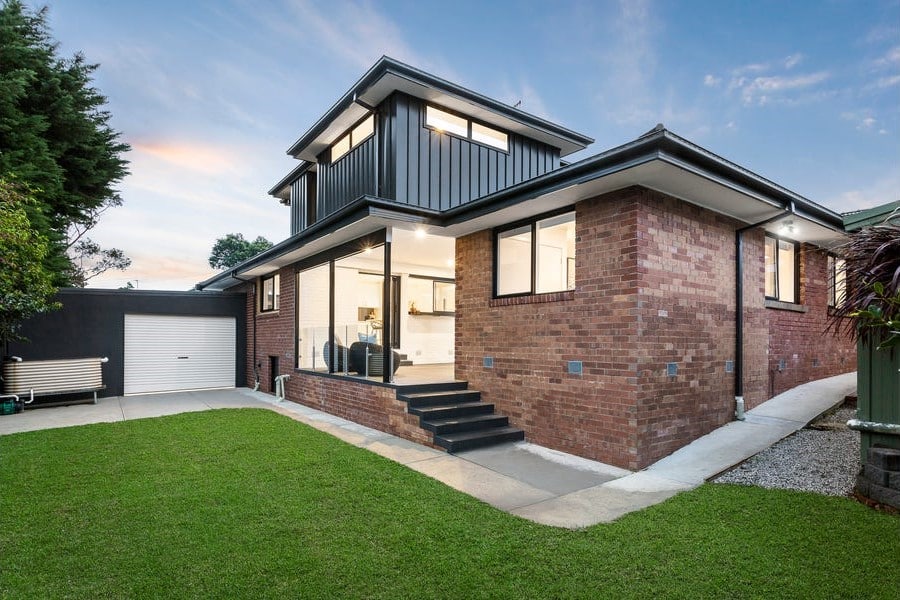
Finding ways to breathe new life into your home often means rethinking the space you have. With double storey extensions, you can open up possibilities that enhance your living environment.
Open Plan Living Solutions
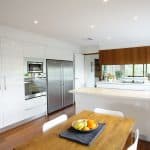
Imagine walking into a room where light flows effortlessly and there’s ample space for family gatherings. Open plan living is about creating large, connected spaces that foster interaction. You can knock down walls that separate the kitchen from the dining and living areas. This approach not only maximises your home’s footprint but also brings families together. A practical step is to consider how furniture will fit into the space, ensuring movement remains fluid.
To get inspired, look at examples of open plan designs that incorporate kitchen islands or sliding glass doors leading to outdoor patios. These features draw the outside in, providing the perfect setting for entertaining. And remember, the right flooring choice can unite the space, making it feel cohesive and inviting.
Energy Efficient Renovation Tips
In today’s world, making your home energy efficient is a priority. Start by incorporating passive solar design into your plans. This involves positioning windows to capture the warmth of the sun during winter while keeping the heat out in summer. You might also explore high-performance insulation and double-glazed windows, which significantly reduce energy bills.
Next, consider integrating energy-efficient appliances and LED lighting. These small changes add up, making a big difference to your home’s carbon footprint. Additionally, installing solar panels can provide a sustainable energy source, reducing reliance on the grid. By taking these steps, you’ll save money and contribute to a more sustainable future.
Maximising Natural Light
Natural light not only makes a space feel larger but also boosts mood and wellbeing. Begin by assessing the orientation of your home to make the most of sunlight throughout the day. Skylights and larger windows can flood your interior with light, creating a warm, welcoming atmosphere.
A clever trick is using mirrors to reflect light deeper into your home. You can also opt for glass doors and walls, which open up spaces and allow light to move freely. In areas where privacy is a concern, frosted glass offers a solution without blocking light. With these strategies, your home will feel brighter and more spacious.
Family-Friendly Design Considerations
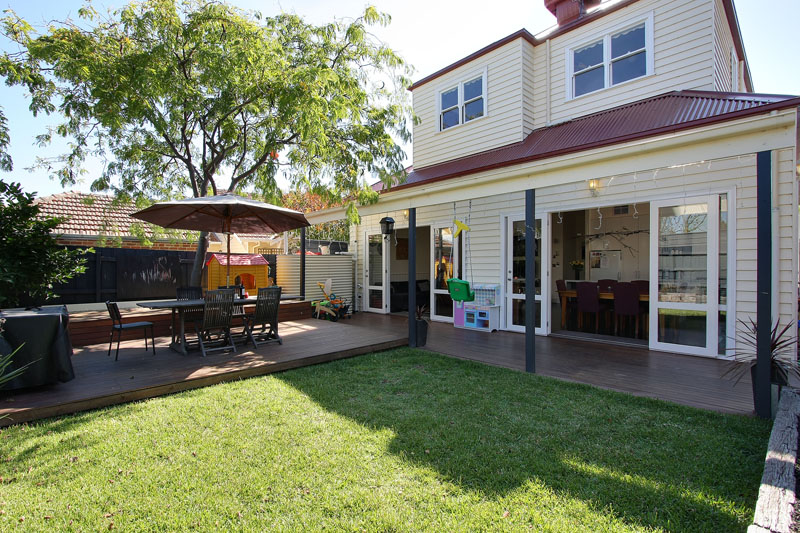
When expanding your home, it’s crucial to think about how each space will serve your family’s needs. Design choices should enhance daily life and provide comfort for everyone.
Parents’ Retreat Ideas
Every parent deserves a sanctuary, a place to unwind after a busy day. Your retreat could feature a spacious master bedroom with an ensuite and a private balcony. Consider adding a cosy reading nook or a small study area for work-from-home days.
To enhance relaxation, think about soundproofing the room. This ensures peace and quiet, even when the rest of the house is bustling. Opt for neutral colours and soft textiles to create a calming environment. These details transform the space into a personal escape from the chaos of family life.
Kids’ Bedrooms Upstairs
Creating a dedicated zone for kids upstairs can provide them with a sense of independence. Design each room to cater to their interests, whether that’s a built-in desk for studying or ample storage for toys. Bunk beds and loft beds are great space-savers, freeing up floor space for play.
Don’t forget to add a shared bathroom nearby to make mornings smoother. Fun wall colours and creative decor can personalise these spaces, making them feel truly their own. By planning thoughtfully, you can ensure your kids have a comfortable and inspiring environment to grow up in.
Zoned Living Benefits
Zoned living involves creating distinct areas for different activities, enhancing both privacy and functionality. This can mean separating living and sleeping areas or having dedicated spaces for work and study. It allows family members to coexist harmoniously, each finding their own corner of the home.
Consider soundproofing walls to prevent noise from travelling between zones, which is especially beneficial for working from home. You can also use furniture to visually separate areas without the need for walls. These strategies offer flexibility and comfort in everyday living.
Navigating the Planning Process
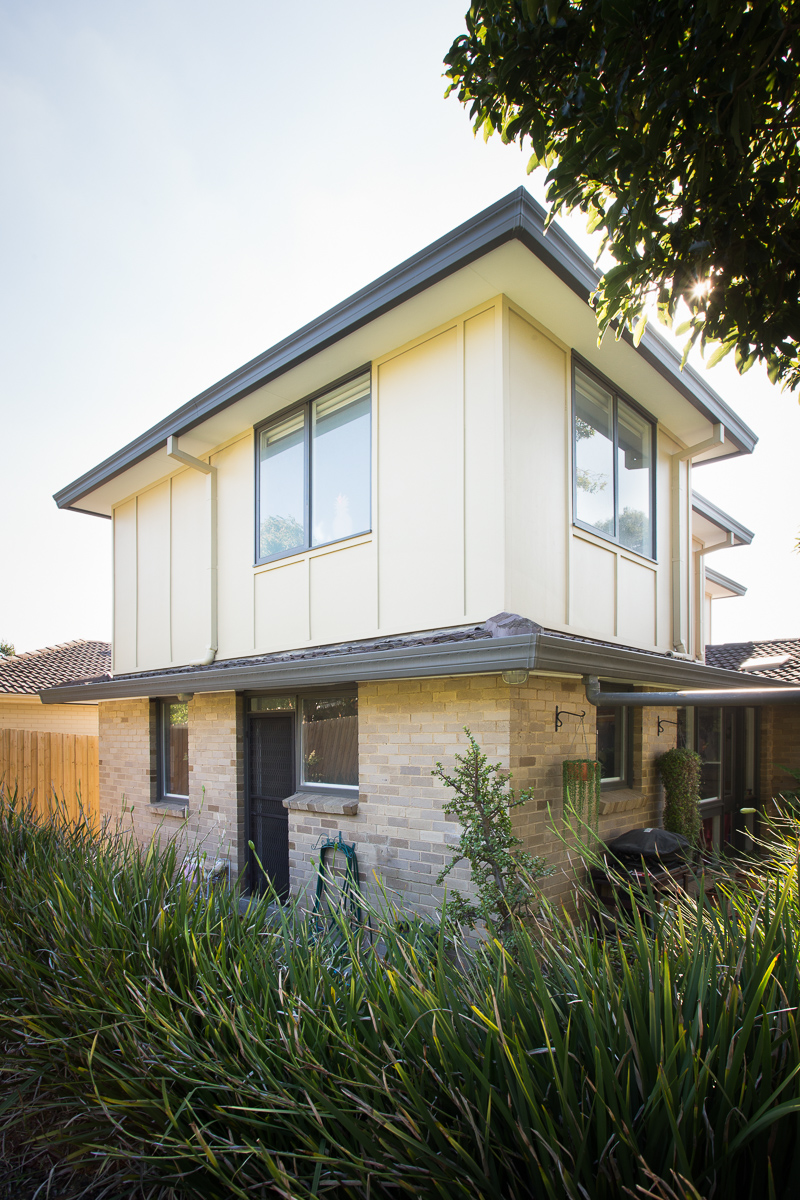
Understanding the planning process is key to a successful extension. With the right knowledge, you can avoid common pitfalls and ensure a smooth project.
Town Planning Permit Melbourne
Securing a town planning permit is often the first step in your extension journey. This ensures your project complies with local regulations. Start by consulting with a professional who can guide you through the requirements specific to Melbourne. They can help prepare necessary documents, making the application process straightforward.
It’s important to factor in time for this step, as permits can take weeks or months to be approved. By planning ahead, you can keep your project on schedule and avoid delays. Remember, working with experienced professionals can make this process much simpler.
Heritage Overlay Advice
If your home falls under a heritage overlay, you’ll need to navigate additional considerations. These regulations aim to preserve the architectural character of historic buildings. Engage with experts who understand how to balance these requirements with modern living needs.
They can advise on materials and design choices that respect heritage guidelines, ensuring a seamless blend of old and new. By respecting these guidelines, you maintain your home’s character while adding value and functionality.
Staircase Placement Strategies
The placement of a staircase is a crucial design decision in any double storey extension. A well-positioned staircase enhances flow and accessibility. Consider central placement to minimise the distance between areas, but also think creatively about unique spaces like spiral staircases for a modern twist.
Safety is paramount, especially for families with young children. Ensure railings and steps are secure, and explore options like carpeting to prevent slips. Thoughtful design here not only improves safety but also adds an architectural focal point to your home.
By focusing on these design and planning elements, you can transform your Melbourne home into a space that grows with your family, offering both style and functionality.