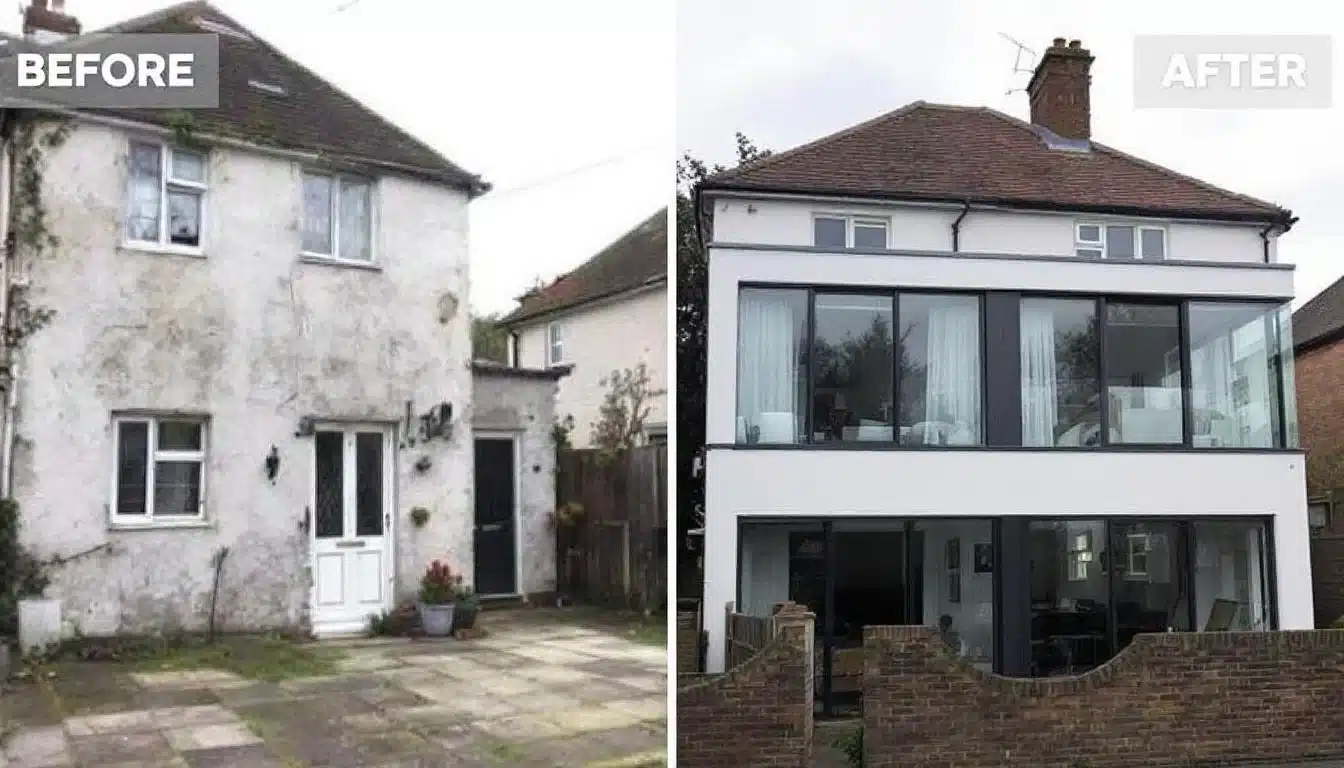
Double Storey Extension Before and After Transformations
Melbourne homeowners considering a double storey extension often wonder about the transformation potential of their property. The right design can completely reimagine your living space while adding substantial value.
We at Cameron Construction have witnessed remarkable double storey extension before and after transformations across Melbourne’s diverse architectural landscape. These projects demonstrate how strategic planning and expert execution create stunning results that exceed expectations.
What Results Do Melbourne Extension Projects Actually Achieve?
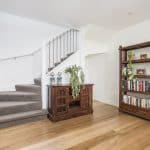
Three standout double storey extension projects across Melbourne showcase the dramatic transformation potential when proper planning meets skilled execution. A Victorian terrace in Richmond added 85 square metres through a contemporary rear extension, which transformed a cramped two-bedroom home into a spacious four-bedroom family residence. The project retained original cast-iron lacework and tessellated tiles while introducing floor-to-ceiling windows that doubled natural light penetration. Construction cost reached $280,000 but property valuation increased by $420,000 within 12 months.
Californian Bungalow Success in Camberwell
A 1920s Californian bungalow extension in Camberwell demonstrates how heritage character enhances rather than restricts modern additions. The homeowners added a second storey that contained three bedrooms and two bathrooms while they preserved original timber details and leadlight windows. Smart design positioned the new staircase to maximise ground floor space retention. The 70 square metre addition cost $245,000 and delivered a property value increase of $380,000. Planning approval took eight months due to heritage overlay requirements, but the design seamlessly blends original architecture with contemporary functionality.
Post-War Brighton Transformation
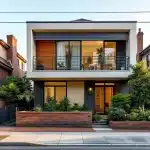
A post-war brick veneer home in Brighton underwent complete transformation through strategic double storey addition. The project added 95 square metres across two levels, which created an open-plan kitchen and dining area downstairs plus master suite with en suite upstairs. Original small windows were replaced with expansive sliding doors that connect to a new elevated deck. Total project cost reached $320,000 including structural modifications, with property value rising $485,000. The nine-month construction timeline included three months for council approvals and building permits (typical for complex extensions).
Key Success Factors Across All Projects
Each transformation succeeded because homeowners prioritised professional design and construction expertise. These projects required careful navigation of Melbourne’s planning regulations while they balanced heritage preservation with modern functionality. The substantial return on investment reflects how well-executed double storey extensions address Melbourne’s housing market demands for larger family homes. These real-world examples reveal specific design elements that drive successful transformations.
What Makes Extension Designs Transform Properties
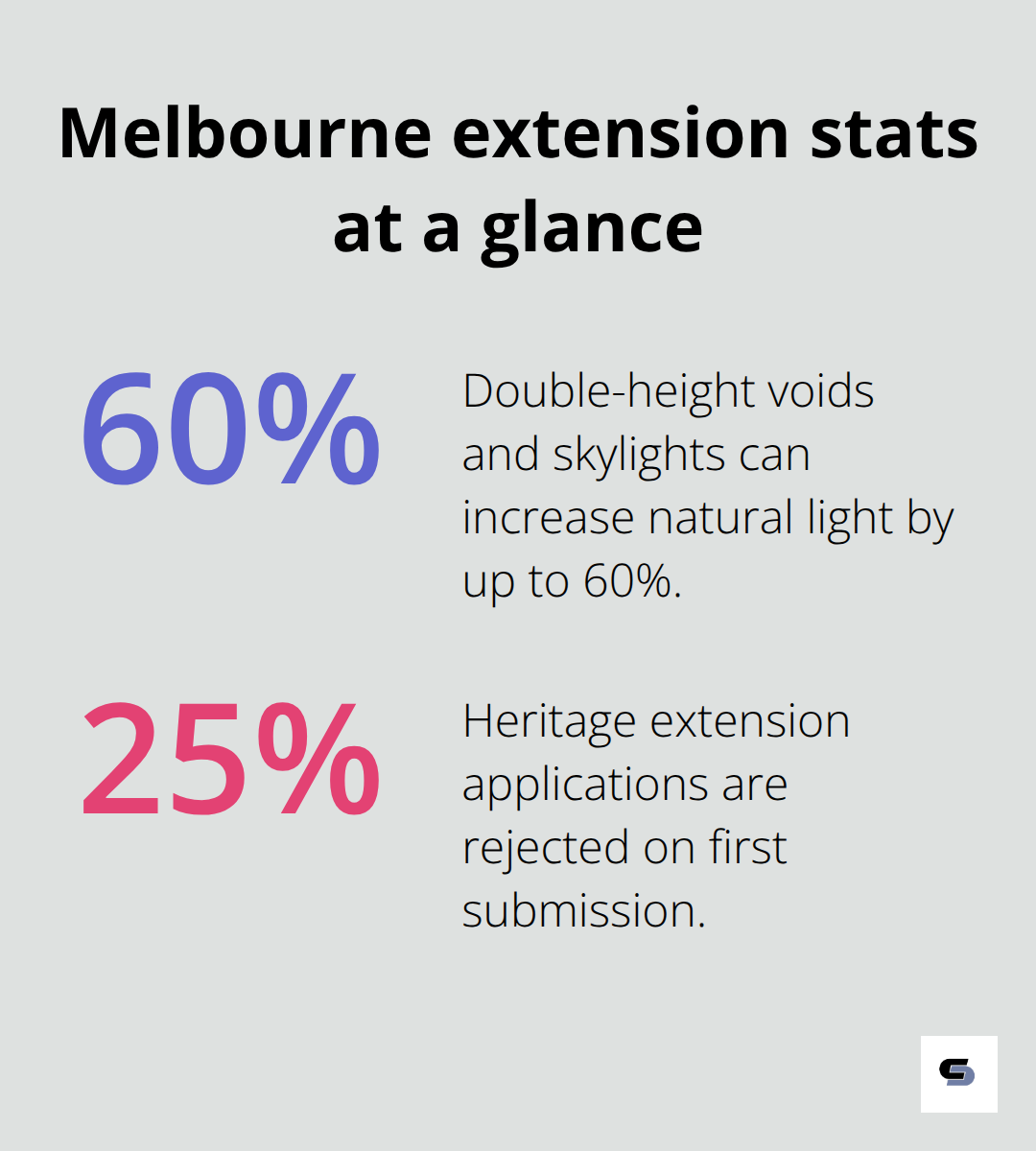
Strategic window placement and ventilation design separate successful double storey extensions from mediocre additions. North-facing windows are governed by Standards A13 and B20 under Victorian planning provisions to maximise winter sun penetration, while cross-ventilation requires openings on opposite walls positioned within 7.5 metres of each other. Double-height voids with strategically placed skylights increase natural light by up to 60% compared to standard ceiling heights. Clerestory windows positioned above eye level provide privacy while they flood spaces with consistent daylight throughout the day.
Creating Seamless Indoor-Outdoor Flow
Seamless transitions between interior and exterior spaces require floor levels within 150mm of each other and door openings that span minimum 2.4 metres width. Sliding or bi-fold doors with thermal breaks prevent heat loss while they maintain visual connection to outdoor areas. Covered outdoor spaces positioned on the north or east sides capture morning light and afternoon shade, which extends usable living areas year-round.
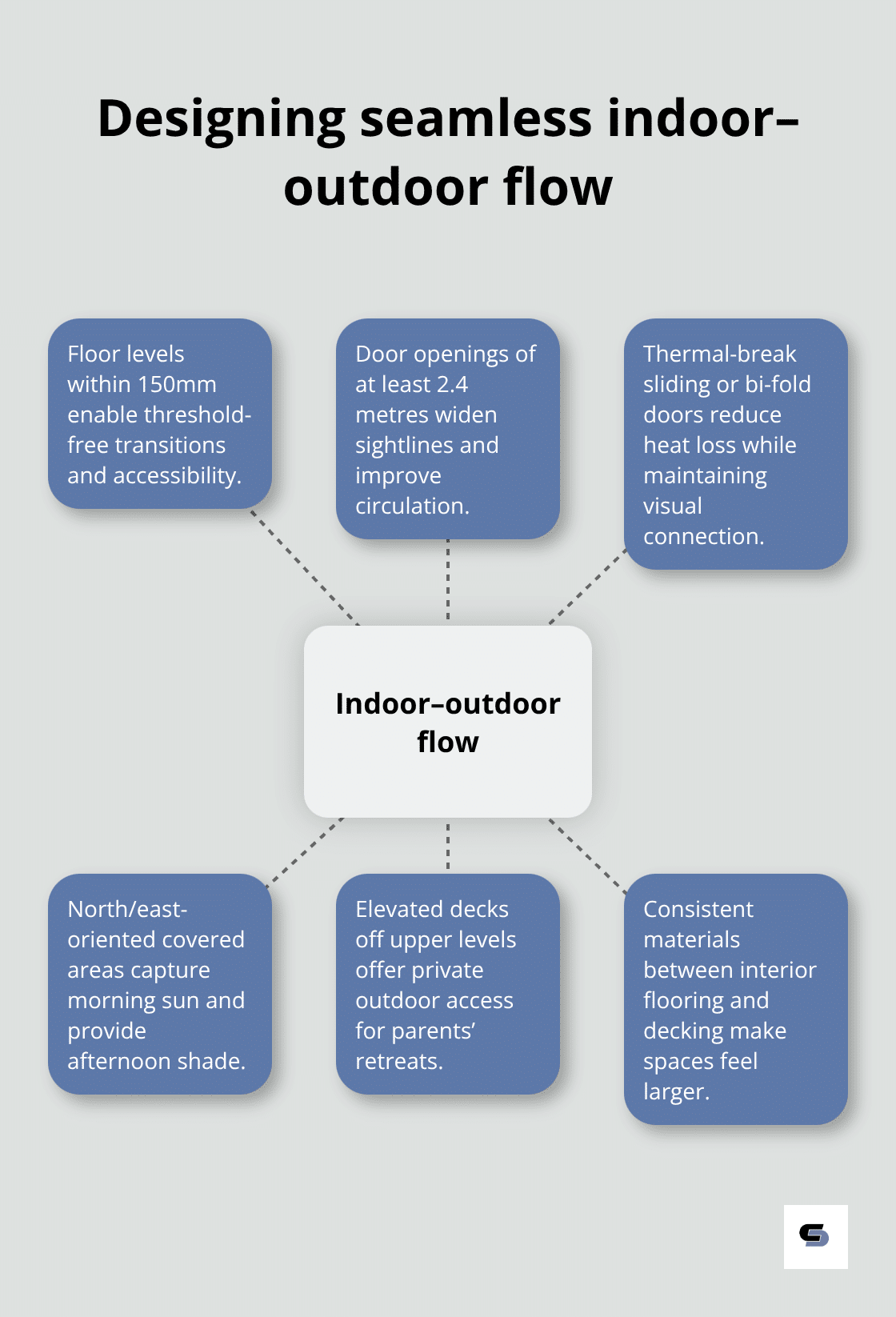
Elevated decks connected to upper-level extensions provide private outdoor access while ground-level courtyards serve family areas. Material continuity between interior flooring and outdoor decking creates visual flow that makes spaces appear larger than actual measurements.
Heritage Integration with Contemporary Function
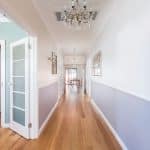
Heritage homes demand careful balance between preservation and modernisation through material selection and design proportions. Original timber weatherboards, cast iron details, and leadlight windows must remain visible from street frontages while contemporary additions position behind existing rooflines. Modern extensions should use complementary rather than matching materials – spotted gum timber pairs effectively with original Oregon pine, while charcoal-coloured steel frames contrast appropriately with heritage brickwork. Window proportions in new sections should reflect original ratios even when they use contemporary materials and larger glazing areas.
Planning Requirements for Heritage Properties
Planning departments across Melbourne require heritage impact statements for properties built before 1945, with approval timelines that extend 6-8 weeks beyond standard applications. These assessments evaluate how proposed extensions affect the heritage character and streetscape contribution of existing homes. Council requirements become more stringent when properties sit within heritage overlays or conservation zones (particularly common in inner Melbourne suburbs). Understanding these regulatory frameworks helps homeowners navigate the approval process more effectively for their extension projects.
What Approval Requirements Affect Melbourne Extension Projects
Council Permits and Building Compliance
Double storey extensions in Melbourne require both planning and building permits through a sequential approval process that typically spans 12-16 weeks. Planning permits from local councils cost between $1,500-$3,000 (depending on project complexity and council requirements), while building permits range from $2,500-$5,500 based on construction value. Projects that exceed $16,000 must include domestic building insurance certificates before permit approval, and builders must hold current registration with the Victorian Building Authority.
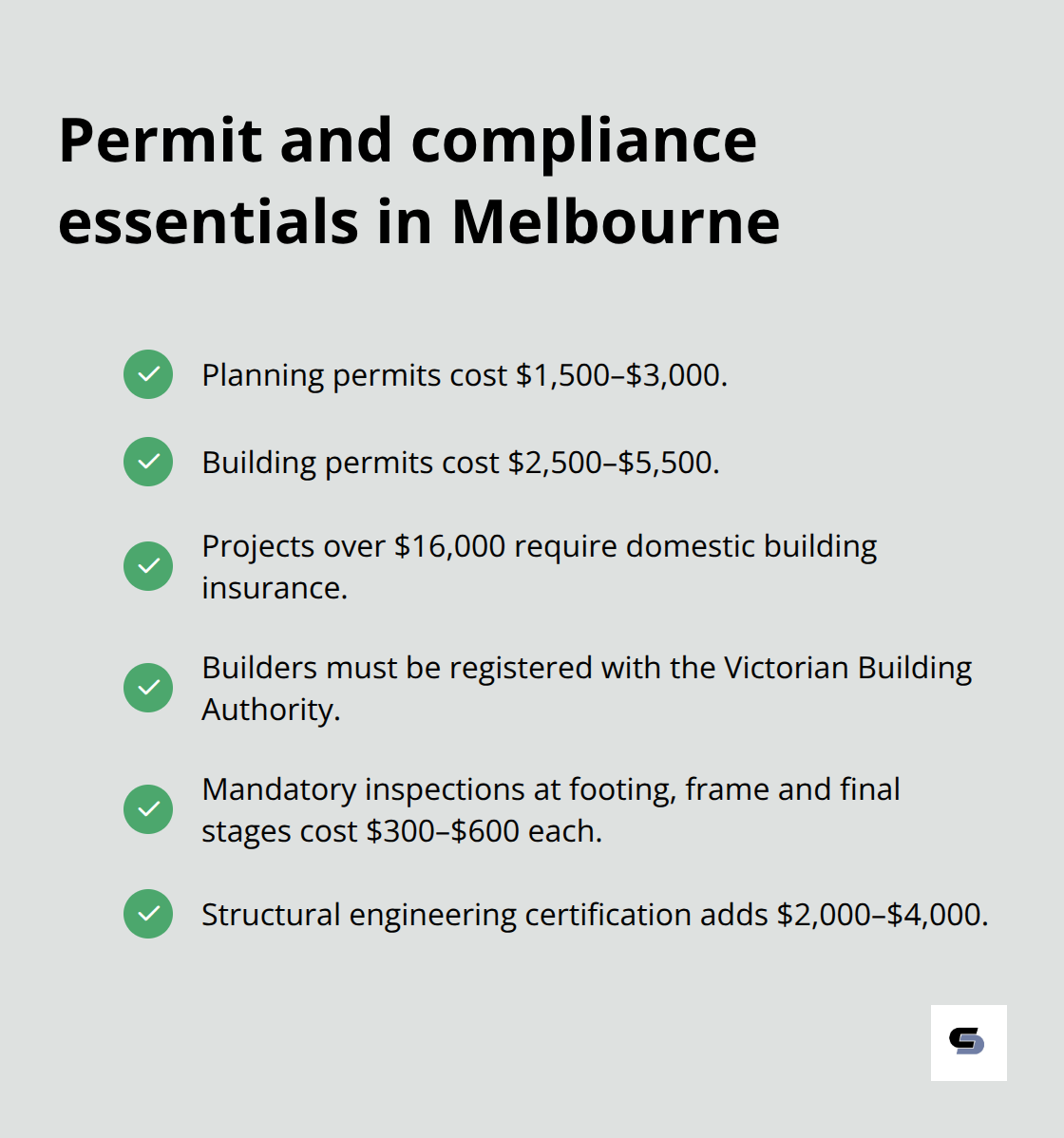
Council requirements vary significantly across Melbourne municipalities. Bayside Council demands shadow diagrams for extensions above 3.6 metres height, while Yarra Council requires heritage assessments for properties built before 1960. Building surveyors mandate specific inspections that include footing, frame, and final stages, with each inspection that costs $300-$600. The Building Act 1993 requires structural engineering certification for all double storey additions, which adds $2,000-$4,000 to project costs but prevents costly compliance issues during construction.
Heritage Overlay Complexities
Properties within heritage overlays face additional approval layers that extend timelines by 6-10 weeks and increase planning costs by 40-60 per cent. Heritage impact statements cost $3,500-$7,000 and must demonstrate how extensions preserve significant architectural elements while they meet contemporary needs. The Victorian Heritage Register identifies specific features that cannot be altered, which include original rooflines, chimneys, and street-facing facades.
Councils reject approximately 25 per cent of heritage extension applications on first submission, which makes professional heritage expertise essential for approval success. Materials and colours require heritage officer approval – contemporary additions must use complementary rather than matching materials to distinguish new work from original structures.
Timeline and Budget Considerations
Timeline planning should allocate 4-6 months for heritage property approvals compared to 2-3 months for standard extensions. Budget contingencies of 15-20 per cent above standard planning costs account for additional heritage requirements and potential design revisions. Project delays often occur when homeowners underestimate the complexity of Melbourne’s approval processes, particularly for properties in heritage zones or areas with specific council overlays.
Final Thoughts
These double storey extension before and after transformations show how strategic design delivers exceptional results for Melbourne homeowners. The Richmond terrace gained $420,000 value from a $280,000 investment, while the Camberwell bungalow achieved $380,000 returns on $245,000 spent. The Brighton renovation delivered $485,000 value increase from $320,000 construction costs.
Success requires careful navigation of Melbourne’s complex approval processes, particularly heritage overlays that extend timelines by 6-10 weeks and increase costs by 40-60 per cent. Professional expertise becomes essential when homeowners manage council requirements, building permits, and heritage assessments that determine project viability. These regulatory frameworks demand experienced guidance to avoid costly delays and compliance issues.
We at Cameron Construction specialise in double storey extensions that transform Melbourne homes through expert design and construction. Our team handles concept to completion, including planning, permits, and building compliance across Melbourne’s diverse architectural landscape. Contact us to discuss how your property can achieve similar transformation results (with professional design that maximises both space and value).