Design-Led Extensions Melbourne: Architecture-Driven Transformations
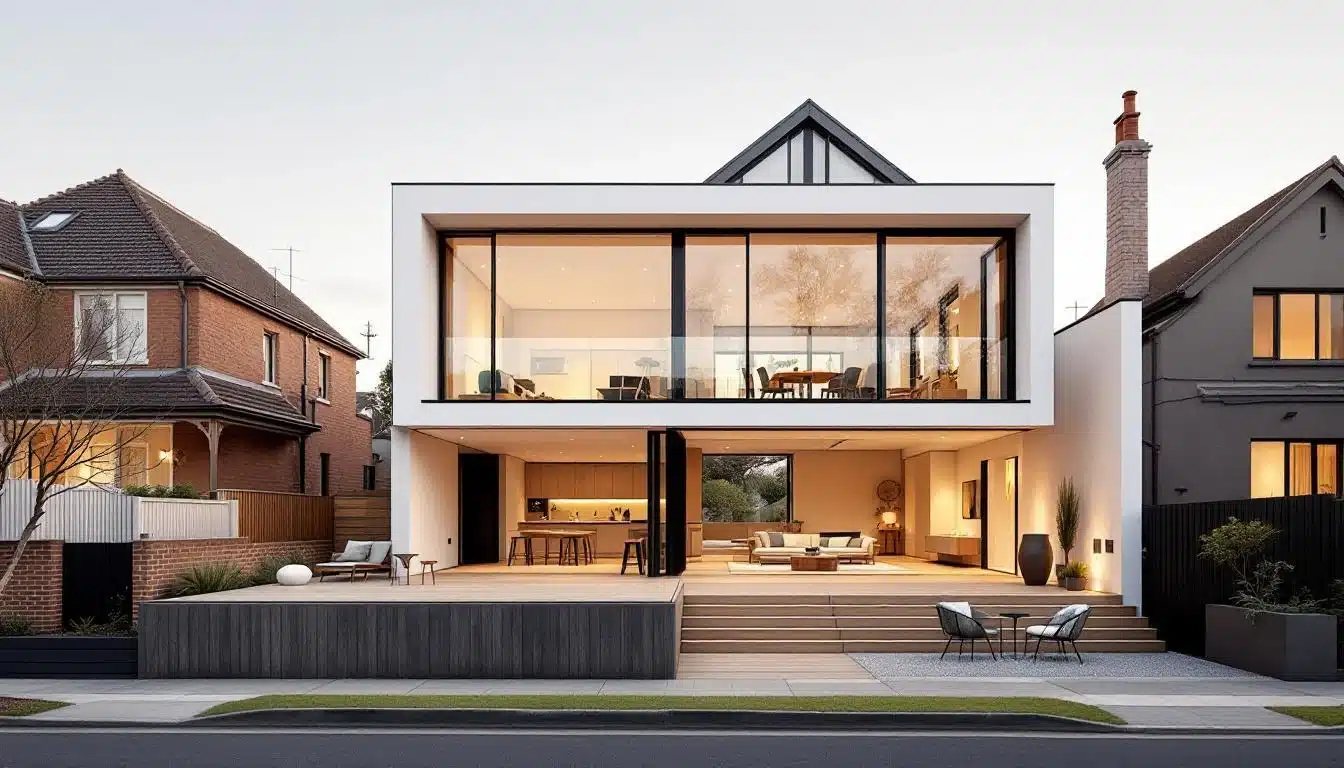
A well-designed extension transforms more than just your home’s footprint-it reshapes how your family lives. Design-led extensions in Melbourne go beyond adding square metres; they integrate thoughtfully with your home’s character and maximise every dollar you invest.
At Cameron Construction, we’ve seen firsthand how strategic design decisions during the planning phase prevent expensive mistakes on site. The difference between a standard build and a design-led approach comes down to intention: one adds space, the other creates a home that works beautifully for how you actually live.
Why Design-Led Extensions Add Real Value
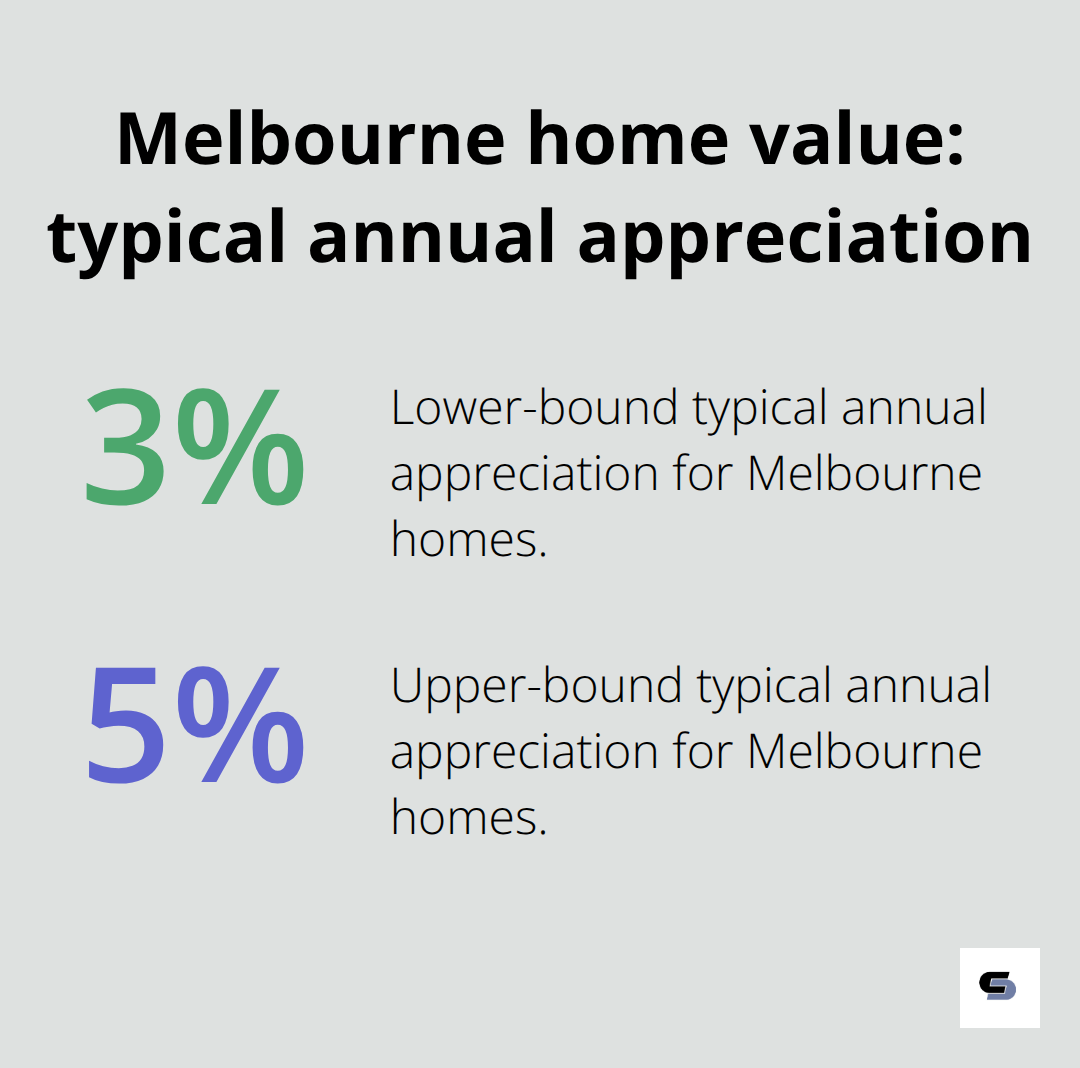
A design-led extension protects your investment and transforms how your home functions. Melbourne homes typically appreciate between 3 and 5 per cent annually, but extensions designed with intention can accelerate that growth significantly. Architecture-led projects, including retrofits and extensions, measurably improve building value alongside occupant wellbeing.
The distinction between a standard build and a design-led approach matters: standard builds add square metres, while design-led extensions solve problems. A poorly positioned second storey blocks natural light and creates awkward room layouts that buyers avoid. A ground floor addition designed without understanding your home’s existing flow wastes space and creates dead zones. Design-led work integrates your extension with your home’s structure, climate, and how your family actually moves through the space. This intentionality prevents the costly site changes that blow out budgets and timelines.
Melbourne’s Architectural Context Shapes Your Extension
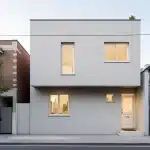
Melbourne’s neighbourhoods possess distinct characters, and extensions that ignore this reality look disconnected and underperform. Established suburbs like Birchgrove and Balmain contain heritage-listed homes where extensions must respect original fabric and proportions. The 2025 Built Environment Awards recognised projects like 4 Rose Street Birchgrove and 13 Jane Street Balmain specifically because they balanced contemporary design with heritage sensitivity. A double storey extension in Carlton demands different material choices and setbacks than one in Docklands. A ground floor addition in a Victorian terrace must preserve the home’s visual weight and street presence. Extensions that clash with neighbourhood character face planning challenges and slower council approvals. Design-led projects start with understanding your suburb’s architectural language, building codes, and what works within your specific council’s expectations.
Detailed Planning Stops Budget Blowouts Before They Start
Hundreds of projects reveal a consistent pattern: extensions that stay on budget are those where design decisions happen before construction starts. When you invest in detailed planning upfront, you identify clashes between new work and existing structures before crews arrive on site. A poorly planned extension might discover buried services, structural limitations, or roof complications that halt work and trigger expensive redesigns. Design-led planning exposes these issues before the first excavation. The Your Home guide from the Australian Government recommends treating additions and extensions as whole-building projects, planning insulation, thermal mass, and appropriate glazing from the design phase. This approach prevents mid-construction pivots where builders must improvise solutions that cost thousands extra. Quality design also maximises natural light and cross-ventilation, reducing reliance on mechanical systems and lowering running costs for the life of your home.
Climate-Responsive Design Reduces Long-Term Costs
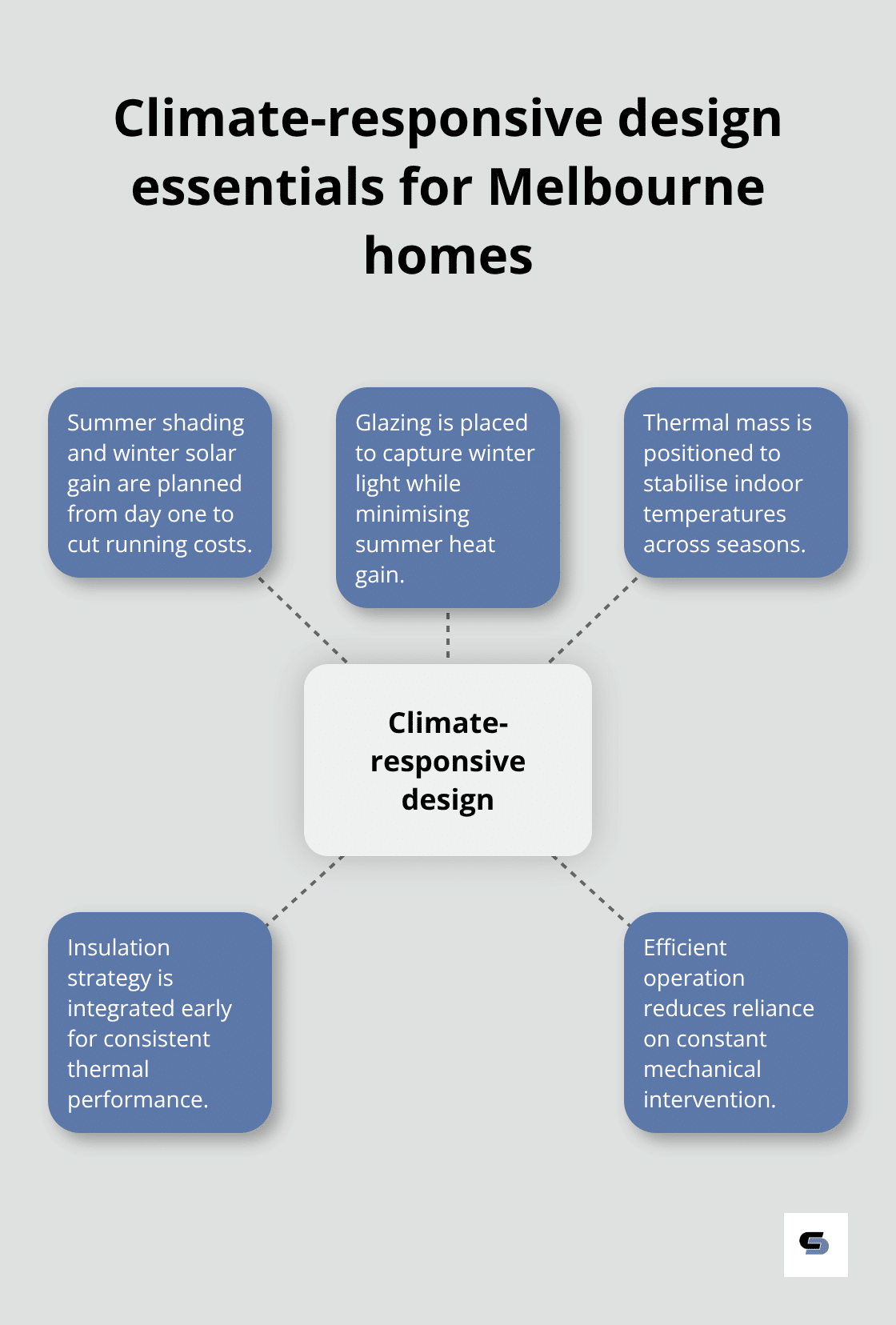
Melbourne’s variable climate-hot summers and cool winters-demands thermal planning that standard builds often overlook. A design-led ground floor addition includes consideration of summer shading and winter solar gain from day one, not as an afterthought once walls are up. Thoughtful glazing placement, thermal mass positioning, and insulation strategy work together to moderate indoor temperatures naturally. This integrated approach means your extension performs efficiently across seasons without constant mechanical intervention. The next section explores how real Melbourne homes have transformed through design-led extensions, showing how these principles work in practice across different suburbs and home types.
From Site Analysis to Council Approval
Understanding Your Property Through Systematic Investigation
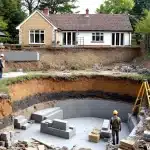
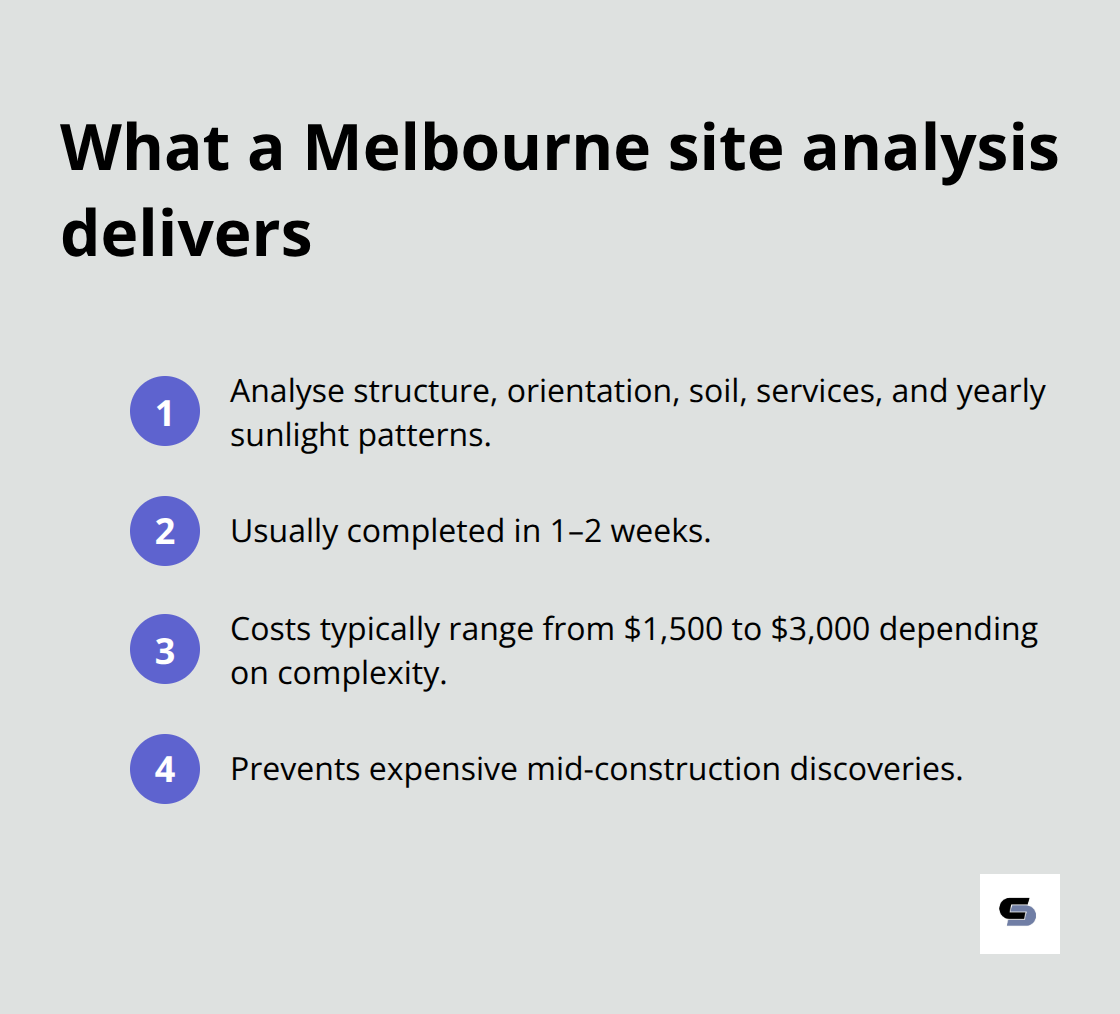
The path from your initial idea to council approval demands systematic investigation before any design lines appear on paper. Every extension starts with a thorough site analysis that examines your home’s structure, orientation, soil conditions, existing services, and how sunlight moves across your property throughout the year. This analysis takes one to two weeks and costs between $1,500 and $3,000 depending on complexity, but it prevents the expensive discoveries that derail projects mid-construction.
A structural engineer inspects foundation depth, wall construction, and load paths to understand what your existing home can support. A surveyor confirms boundary lines and easements that constrain where you can build. You’ll learn which walls are load-bearing, where plumbing and electrical services run, and whether your roof structure can accommodate an upper storey. Melbourne’s variable soil types-clay in suburbs like Footscray, sand in areas near the Dandenongs-affect foundation design and cost. Your site’s orientation determines window placement, shading requirements, and thermal performance for decades to come.
This upfront investment in understanding your property prevents the scenario where crews uncover a gas main two metres from where the new foundation should sit, forcing a complete redesign at ten times the cost.
Navigating Melbourne’s Council Requirements
Your council’s specific requirements shape every design decision, and these vary significantly across Melbourne’s municipalities. The City of Melbourne applies different planning controls than Boroondara or Moreland, affecting setbacks, building heights, and heritage considerations. Your designer must understand whether your suburb sits in a heritage overlay, what floor area ratio limits apply, and whether side or rear setbacks are prescribed by local planning schemes.
A ground floor addition in a heritage-listed Victorian terrace in Hawthorn follows entirely different rules than one in a contemporary home in Docklands. Council pre-lodgement meetings, available in most Melbourne municipalities, allow your designer to present preliminary plans and receive feedback before formal submission, often preventing months of delays. The Australian Government’s Your Home guide recommends choosing a certifier knowledgeable about sustainable practices from the outset, as this shapes how your extension performs thermally and meets Building Code of Australia standards.
Permits and Documentation
Permits for extensions Melbourne typically require architectural drawings, engineering certification, site plans showing setbacks and boundaries, and documentation of how your extension meets thermal performance benchmarks. Processing times range from six to twelve weeks depending on complexity and council workload. Extensions designed with council requirements embedded from the start-not added later-move through approvals faster and encounter fewer requests for information or redesigns.
Once your council approves your extension, your designer and builder work together to translate those approved plans into a construction document that specifies every material, dimension, and finish. This document becomes your contract with your builder and your protection against scope creep and unexpected costs.
Melbourne Extensions That Work
Double Storey Extensions Shape Street Presence
Double storey extensions in Melbourne’s established suburbs demand precision because they reshape how your home presents to the street. A second storey addition in Fitzroy or South Yarra requires careful attention to setbacks, materials, and proportions to avoid overwhelming the original Victorian or Edwardian character. The 2025 Built Environment Awards recognised White Bay Power Station in Rozelle as a high-profile example of heritage-led renewal, demonstrating how contemporary extensions can enhance rather than diminish heritage significance. The judging panel included a heritage specialist, local heritage society member, and conservation architect, ensuring diverse expertise shaped the outcome.
Ground Floor Additions Improve Functionality
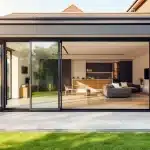
Ground floor additions solve immediate functional problems by improving traffic flow between living spaces and outdoor areas. A poorly designed ground floor extension creates a disconnected room that feels tacked on, while thoughtful design integrates new space with existing layouts so naturally that occupants forget where old walls end and new walls begin. Material selection matters profoundly: extensions using materials that echo your home’s existing palette integrate seamlessly, while mismatched finishes create visual conflict that persists for decades.
Heritage Extensions Require Specialist Approach
Heritage-sensitive extensions in suburbs like Birchgrove and Balmain follow specific principles that protect original fabric while enabling contemporary use. Projects like 4 Rose Street Birchgrove and 13 Jane Street Balmain succeeded because designers engaged early with heritage professionals, documented existing materials before work commenced, and designed extensions that read as clearly contemporary while maintaining the legibility of historic spaces. Original materials like timber windows and slate roofs must integrate with modern thermal standards and building codes. The successful approach treats original fabric as a design asset rather than an obstacle, specifying repairs and retention strategies alongside contemporary upgrades. This collaboration between heritage professionals, designers, and builders preserves joinery and original elements on-site while achieving modern performance standards.
Window Placement and Natural Light
Window placement determines how natural light flows through your extension and how it connects visually to outdoor spaces; poorly positioned glazing wastes the primary advantage of adding new space. Thermal performance planning prevents your new rooms from becoming unusable during Melbourne’s hot summers or cold winters. The Australian Government’s Your Home guide recommends upgrading insulation, considering double-glazed windows, and designing for cross-ventilation from the planning phase. Extensions that incorporate these elements from concept stage function efficiently without constant mechanical intervention, reducing energy costs substantially across the building’s lifespan.
Why Design-Led Extensions Deliver Results
Design-led extensions Melbourne homeowners invest in consistently outperform standard builds because they solve problems before construction starts. When you invest in thorough design planning upfront, your team identifies structural conflicts, service clashes, and spatial inefficiencies while changes cost nothing on paper. A builder discovering a load-bearing wall in the wrong position mid-construction triggers expensive redesigns and timeline delays that could have been prevented during the planning phase.
Thoughtful planning maximises how natural light moves through your extension across seasons, and Melbourne’s variable sun angles demand glazing positioned to capture winter warmth while preventing summer heat gain. Ground floor additions that ignore solar orientation waste their primary advantage: connection to outdoor space that actually functions year-round. Double storey extensions that incorporate shading from concept stage create rooms that remain comfortable during hot months without constant mechanical intervention, which translates directly to lower energy bills across decades of occupation.
Quality design creates homes that feel intentional rather than assembled, with your extension integrating so seamlessly with existing spaces that occupants forget where original walls end and new construction begins. This happens when materials, proportions, and spatial flow reflect understanding of your home’s character and how your family actually moves through space. Contact Cameron Construction to discuss how thoughtful design transforms your home and to explore how design-led extensions Melbourne properties can achieve.