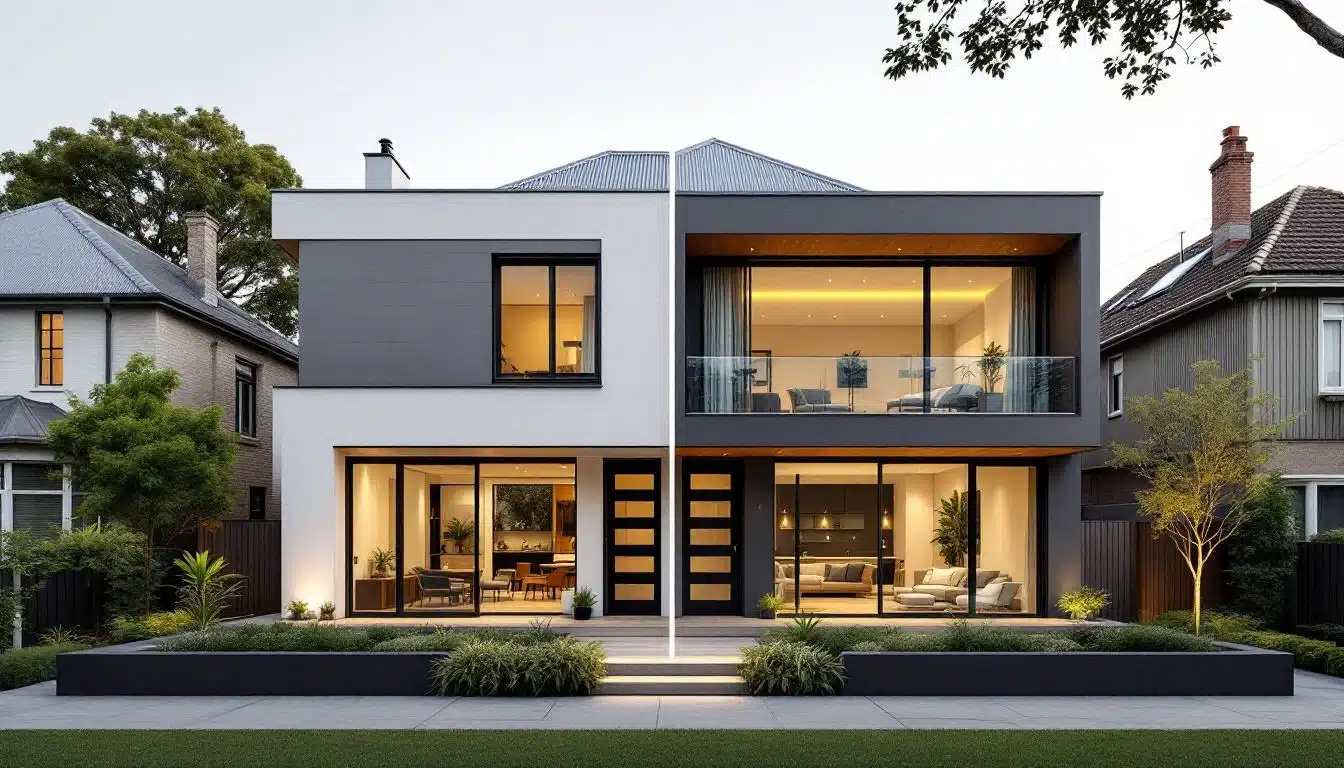
Design-Led Extensions Melbourne: Architectural Fit From Start to Finish
A poorly designed extension wastes money, creates planning headaches, and fails to add real value to your home. At Cameron Construction, we’ve seen Melbourne homeowners spend tens of thousands only to end up with spaces that don’t work or clash with their property.
Design-led extensions Melbourne require more than aesthetics-they demand strategic thinking about your block, council requirements, and how the new space actually functions. That’s why we treat design as the foundation of every project, not an afterthought.
Why Design Matters Before You Build
A poorly designed extension doesn’t just look wrong-it costs money in ways most homeowners don’t anticipate. We at Cameron Construction have watched projects stall because the initial design didn’t account for council setback requirements, or extensions that waste thousands in heating and cooling because they weren’t oriented for Melbourne’s climate. The National Construction Code 2022, which took effect on 1 May 2024, now mandates livable housing provisions for class 2 dwellings, meaning your design must meet accessibility standards for ageing in place, cooling-load requirements, and natural ventilation. Skip proper design, and you’ll either breach the code or face expensive rework mid-construction. Good design catches these issues before the first permit application goes to council. It identifies whether your block’s slope demands retaining walls, whether your heritage listing restricts certain materials, or whether your suburb’s planning scheme allows the height you want.
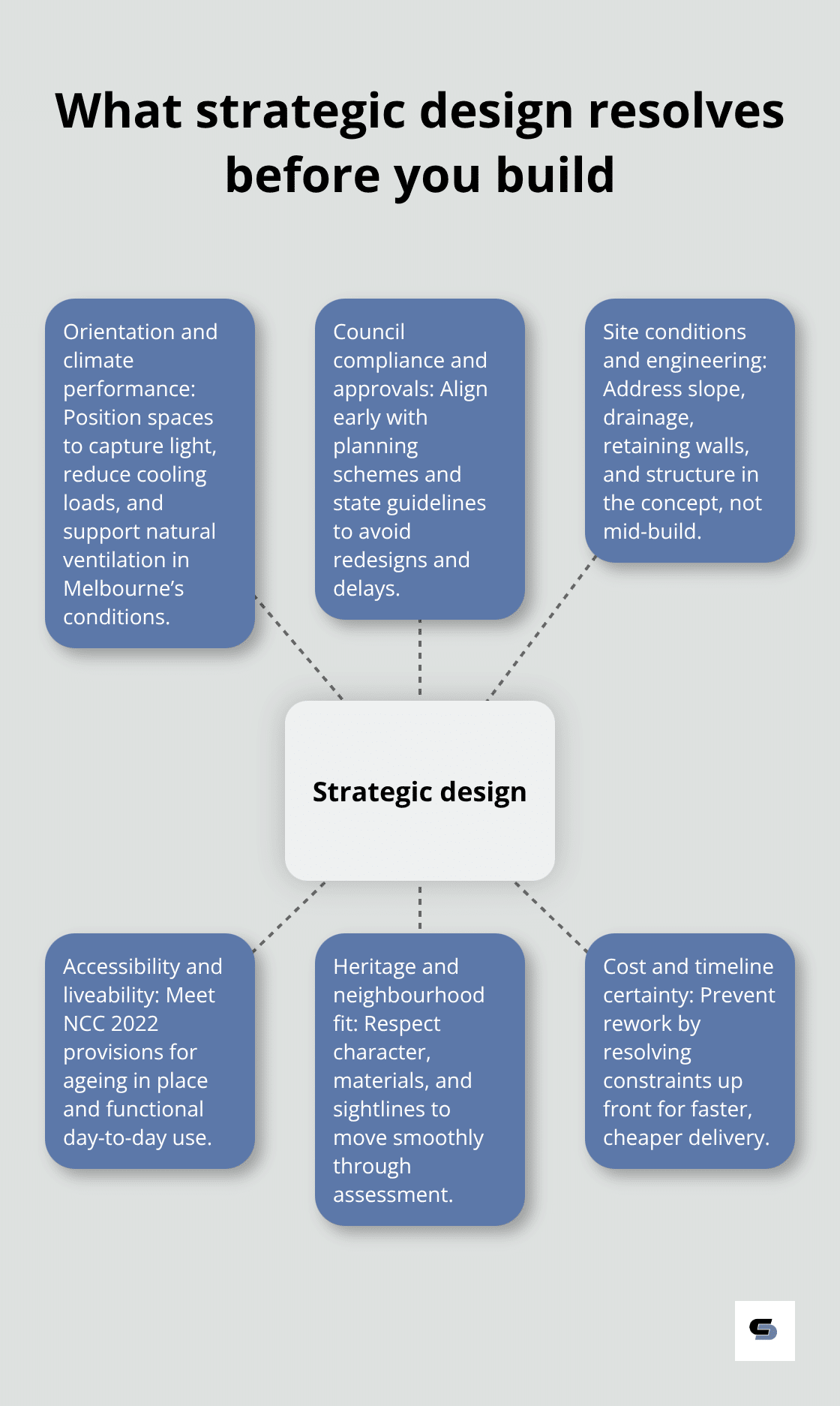
A design that works with these constraints, rather than against them, moves through approvals faster and costs less to build.
Design Directly Impacts Your Planning Timeline and Costs
Melbourne councils assess extensions against the Better Apartment Design Guidelines and Apartment Standards, which emphasise liveability, green space, and street integration. A design that ignores these criteria gets knocked back, triggering redesigns and delays that can add months and tens of thousands in additional costs. The design phase is where you prove to council that your extension respects neighbourhood character, provides adequate private open space, and doesn’t create wind impacts or overshadowing problems. Councils across Melbourne-from Bayside to Darebin-have different priorities and heritage overlays that shape what gets approved. Strategic design anticipates these local requirements and builds compliance into the concept, not as an afterthought. In-house designers who understand Melbourne’s planning landscape deliver faster approvals and lower costs.
Better Design Translates to Higher Property Value
Well-designed extensions that respect the home’s character, maximise usable space, and improve functionality can add significant value to your property. This isn’t just about aesthetics-it’s about creating spaces that work. A second storey that blocks light to the ground floor, or a ground-floor addition with poor connection to the existing home, fails to deliver the lifestyle improvement buyers expect. Design that considers sightlines, material continuity, and how spaces flow together creates extensions that feel like part of the original home, not bolted-on afterthoughts. That coherence is what commands premium prices when you sell.
How Design Shapes Your Extension’s Success
The design phase determines whether your extension works with Melbourne’s climate, your council’s requirements, and your block’s physical constraints. A strategic approach to design-one that accounts for orientation, natural ventilation, accessibility standards, and neighbourhood fit-eliminates costly surprises during construction and planning approval. This is where the real value of professional design emerges: not in how the extension looks, but in how it performs and how smoothly it moves from concept through to completion.
How We Approach Design-Led Extensions
We treat design as the engine that drives every project from first conversation to final handover. Most builders hand you off to an external designer, then bring in engineers later, creating disconnects that lead to costly changes mid-construction. Our in-house designers, engineers, and project managers work in parallel from day one.
Understanding How You Actually Live
Our designers sit with you to understand not just what you want the space to look like, but how you actually live. A family with young children needs different flow than empty nesters; a work-from-home professional needs acoustic privacy; someone who entertains needs generous sight lines. These details shape the design, and they’re decisions made early when they cost nothing to change.
Simultaneously, our engineers assess your block’s slope, soil conditions, and structural capacity while our planning specialists cross-reference your council’s specific requirements against the Better Apartment Design Guidelines and your suburb’s heritage overlays. This parallel approach means design doesn’t move forward until all three perspectives align. When design, engineering, and planning work in isolation, you end up with a beautiful concept that can’t get council approval, or approval that requires expensive structural rework.
Navigating Melbourne’s Complex Planning Landscape
Melbourne’s planning landscape is fragmented across more than 30 councils, each with different setback requirements, tree protection rules, and heritage sensitivities. A design that works in Bayside won’t work in Darebin without adjustment. Local knowledge cuts approval timelines and eliminates the guesswork that delays projects by months.
The National Construction Code 2022 requirements for accessibility, natural ventilation, and cooling-load performance intersect with your council’s street-integration standards and your heritage restrictions. Strategic design anticipates these local requirements and builds compliance into the concept, not as an afterthought.
Protecting Design Intent Through Construction
From concept approval through to practical completion, design consistency protects your investment. We don’t hand the project to a different team once permits are issued. The same designers who created the concept review every construction drawing, material specification, and site decision to ensure the vision translates accurately.
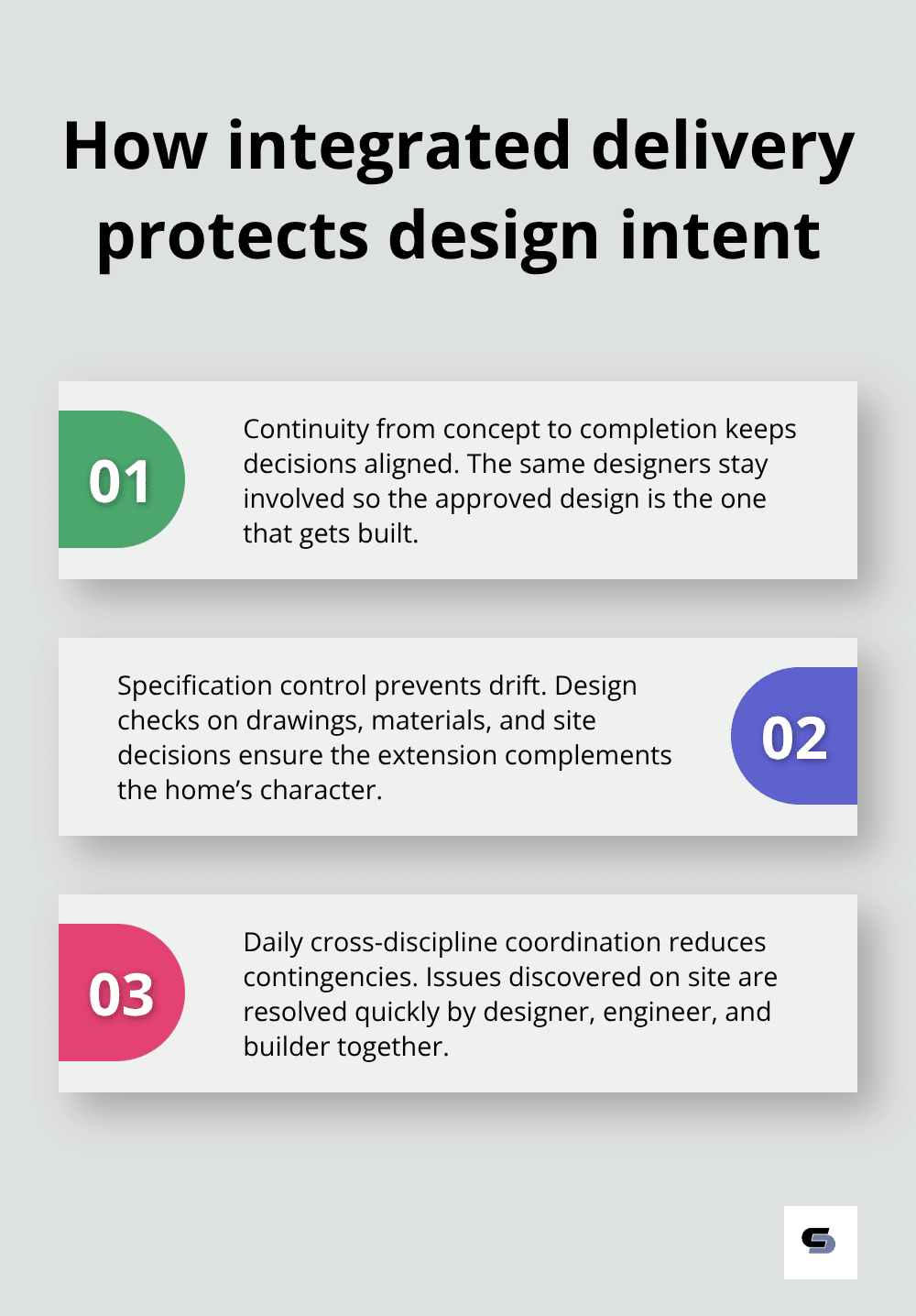
Contractors sometimes value-engineer specifications, substitute materials, or adjust details to save money, and suddenly the extension that was designed to complement your home’s character ends up clashing with it. Our approach means the person who designed your extension checks that every decision on site respects the original intent. This consistency extends to project timelines. When design, engineering, planning, and building sit under one roof, communication happens daily, not weekly. If a site discovery during excavation suggests a drainage solution needs tweaking, the designer, engineer, and builder problem-solve together rather than through formal change orders and delays.
This integrated model reduces contingencies and keeps projects on track, because design decisions aren’t made in a vacuum by someone disconnected from the build reality. The coordination between your design vision and the practical constraints of your Melbourne property-whether it’s a sloping block, heritage listing, or specific council requirements-determines whether your extension delivers the lifestyle improvement you’re investing in.
What Makes Your Melbourne Property Unique to Design
Every Melbourne property presents distinct design challenges that demand specialist knowledge. Heritage overlays, sloping topography, and fragmented council requirements mean a design approach that works in one suburb fails in another. Successful extensions on Melbourne properties require understanding three interconnected realities: heritage constraints, site conditions, and local planning rules. Generic design templates do not work here. A Victorian terrace in Fitzroy operates under completely different restrictions than a 1970s brick veneer in Doncaster, yet both need extensions that feel intentional rather than compromised.
Heritage Overlays Shape What’s Possible
Heritage-listed properties and those within heritage precincts account for significant portions of Melbourne’s residential areas. Heritage significance is formally recognised under different jurisdictions and protected through heritage listing processes at a state level, imposing restrictions that must be resolved during design, not discovered during permit review. A heritage property in Carlton cannot use modern cladding on a visible street elevation without triggering council objections; materials must reference the original home’s character. Setbacks from heritage-significant facades are stricter, and roof forms often cannot deviate from the original pitch.
Designs that looked architecturally sound have failed council assessment because the designer did not understand that heritage overlays in suburbs like Hawthorn and Toorak treat rear extensions differently from front-facing work. Rear additions often receive more flexibility because they remain invisible from the street, yet some designers apply overly conservative approaches everywhere. Strategic heritage design means distinguishing between what council scrutinises closely and what receives minimal review. A heritage extension in South Yarra might succeed with modern materials if they remain confined to the rear, whereas a street-facing addition demands material continuity with the original home. This distinction saves months in approval timelines because the design anticipates council’s actual concerns rather than applying blanket restrictions.
Sloping Blocks Demand Integrated Structural and Design Thinking
Melbourne’s inner suburbs contain numerous properties with significant slopes, particularly in areas like Kew, Balwyn, and the Dandenong foothills. A sloping block is not simply a design challenge; it is a structural and site logistics problem that requires resolution holistically during the design phase. A substantial fall across a block can require significant retaining structures, affecting building costs, construction methodology, and visual integration.
Poor design on sloping blocks creates extensions that sit awkwardly above the landscape or demand retaining walls that dominate the streetscape. Strategic design works with the slope rather than against it. A ground-floor addition on a falling block might sit partially below existing grade, reducing visual impact while creating a naturally sheltered entry. A second storey on the same property might step down the slope, maintaining sight lines and avoiding the appearance of a structure perched unnaturally on the hillside. These decisions must integrate structural engineering from the outset. Retaining walls, drainage solutions, and foundation design are not afterthoughts; they form part of the initial concept.
Sloping block projects where structural engineers received consultation late have forced expensive redesigns because the initial design concept could not be built safely or economically. Early integration of engineering into design means the extension’s form reflects the site’s reality. A properly designed extension on a sloping block often costs less to build than a poorly designed one on flat land because the design anticipates structural solutions rather than discovering them mid-construction.
Council Requirements Vary Significantly Across Melbourne Suburbs
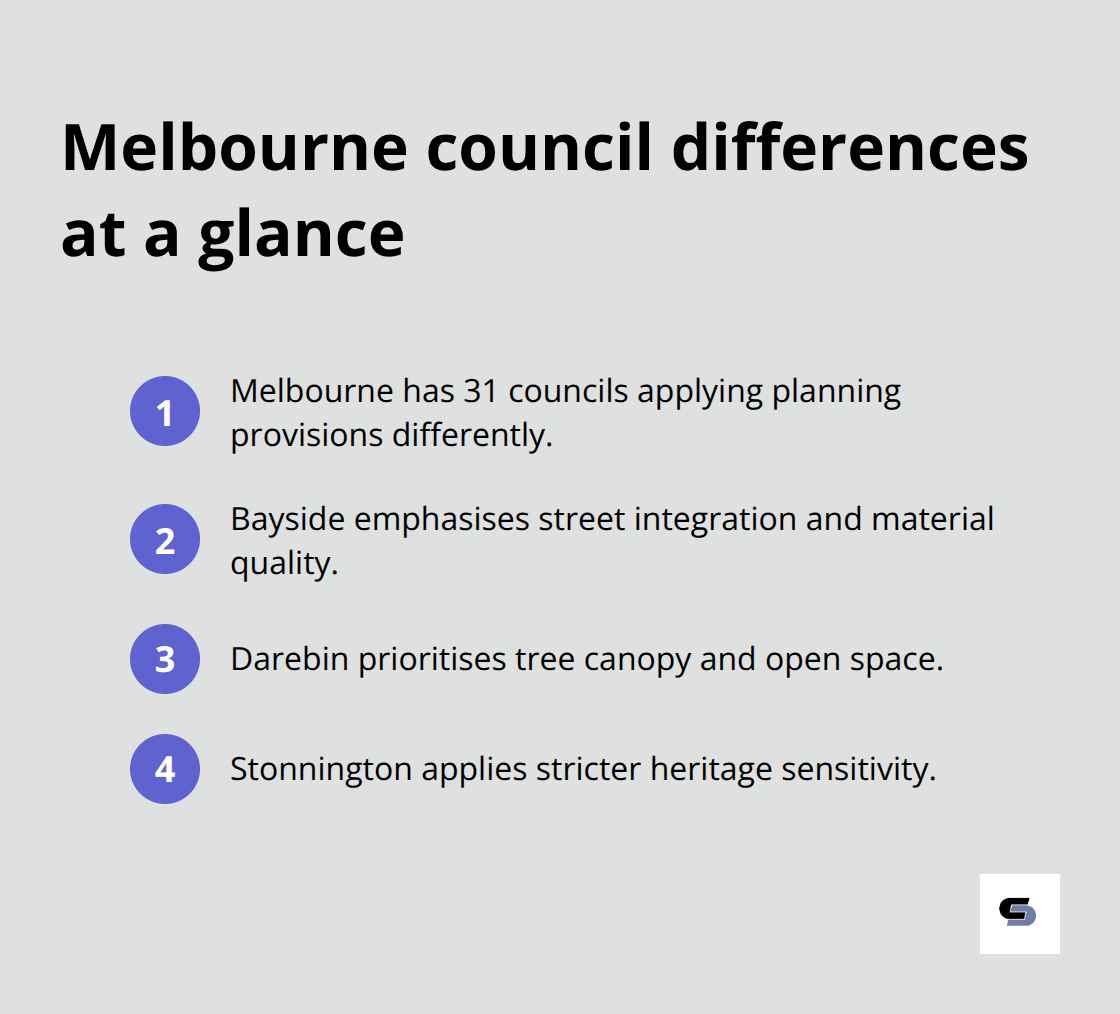
Melbourne’s 31 councils apply planning provisions differently, and some suburbs have additional overlays that affect what receives approval. The Better Apartment Design Guidelines provide state-level direction, yet councils interpret and prioritise these guidelines unevenly. Bayside Council emphasises street integration and material quality; Darebin prioritises tree canopy and open space; Stonnington applies stricter heritage sensitivity. A design approved in one council might require substantial revision for an adjacent council area.
Setback requirements, private open space standards, and parking provisions vary across Melbourne. Some councils enforce strict tree protection overlays that constrain building footprints; others focus on overshadowing impacts on neighbouring properties. The National Construction Code 2022 accessibility standards apply everywhere, but councils layer additional requirements on top. Understanding these local nuances during design prevents costly rejections. A designer who works across multiple Melbourne suburbs recognises these patterns and builds compliance into the concept rather than treating council feedback as something to address later. This local knowledge directly impacts project timelines and costs, because designs that align with each council’s actual priorities move through assessment faster.
Final Thoughts
Design-led extensions Melbourne succeed because they treat design as the decision-making framework that shapes every phase of your project, not as decoration applied after structural and planning decisions are made. When design, engineering, and planning work in isolation, you inherit delays, cost overruns, and extensions that fail to deliver the lifestyle improvement you invested in. Strategic design catches conflicts early, anticipates council requirements, and identifies site constraints before they become expensive problems on site.
We at Cameron Construction handle design, planning, and build as one integrated process. Your in-house design team remains connected to your project from concept through to practical completion, ensuring the extension that receives approval is the extension that gets built. This continuity eliminates the disconnects that plague projects where different teams hand work between each other without shared accountability.
Contact Cameron Construction to discuss how we approach design-led extensions across Melbourne’s diverse suburbs and heritage constraints. We handle concept to completion, including planning, permits, and BCA compliance, so your extension is designed and built by the same team that understands your vision and your property’s reality.
![Second Storey Additions For Growing Families [Guide]](https://www.cameronconstruction.com.au/wp-content/uploads/emplibot/second-storey-additions-hero-1772259809-150x150.webp)