What to consider before renovating a heritage home in Melbourne
What to consider before renovating a heritage home in Melbourne
Renovating a heritage home in Melbourne involves more than fresh paint and new fittings. You’ll need to navigate heritage overlays, planning permits, and council approvals—all while protecting your home’s original charm. Getting these steps right sets the foundation for a renovation that honours your period home’s character and meets modern needs. Let’s explore what you should consider before starting your heritage home renovation in Melbourne. For more information, you can refer to this guide.
Key Steps in Heritage Renovation
Embarking on a heritage home renovation requires careful planning and understanding of various regulations. Here’s how to navigate the process smoothly.
Navigating Heritage Overlays
Heritage overlays safeguard the character of historic sites by regulating changes. To start, contact your local council to check if your property has an overlay. You’ll need a permit for most changes, ensuring they don’t harm the historic value. Skipping this step could result in fines or forced reversals of work. Understanding these rules protects your home and keeps the renovation process legal. For more detailed guidance, check out this resource.
Understanding Planning Permits
Securing a planning permit is crucial before starting any renovation. This document shows that your plans meet local regulations and community standards. To apply, prepare a detailed proposal with design plans and impact assessments. The council reviews this to ensure your project aligns with heritage conservation goals. Remember, this process takes time, so apply early to avoid delays.
Engaging a Heritage Architect
Hiring a heritage architect can make your renovation more successful. These experts blend modern needs with historical features, ensuring your design respects the home’s legacy. They understand local regulations, helping you navigate permits and approvals more easily. This expertise saves time and stress, turning your vision into reality without compromising heritage values. For more insights, visit Your Story Property.
Design Choices for Heritage Homes
Once you understand the steps, focus on design. Balancing history with modernity is key to creating a home that’s both beautiful and functional.
Balancing Period Character and Modern Living
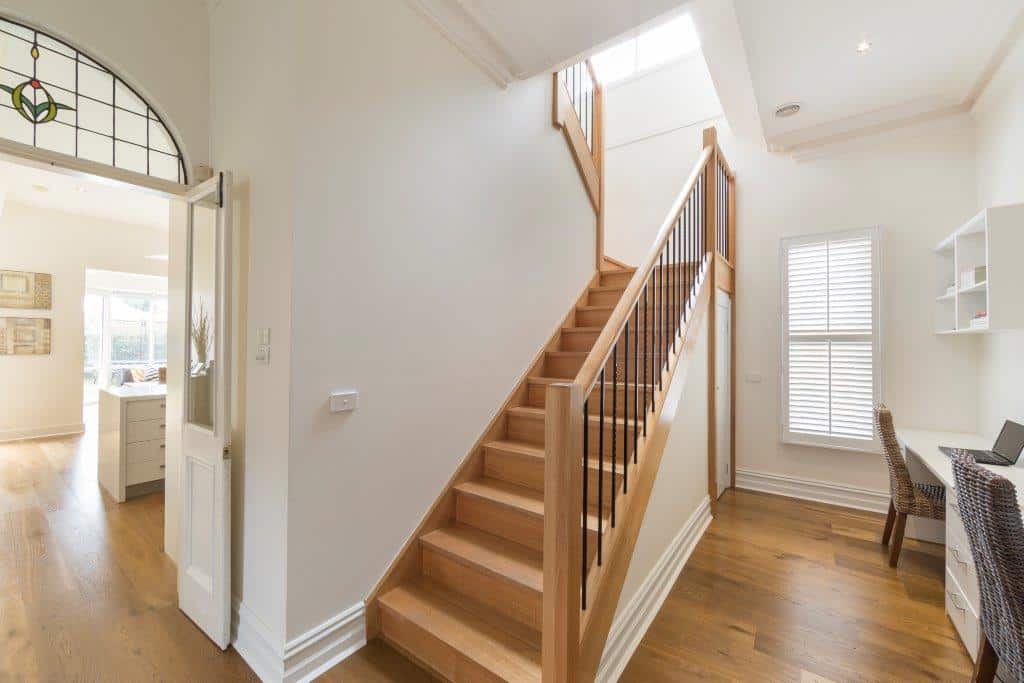
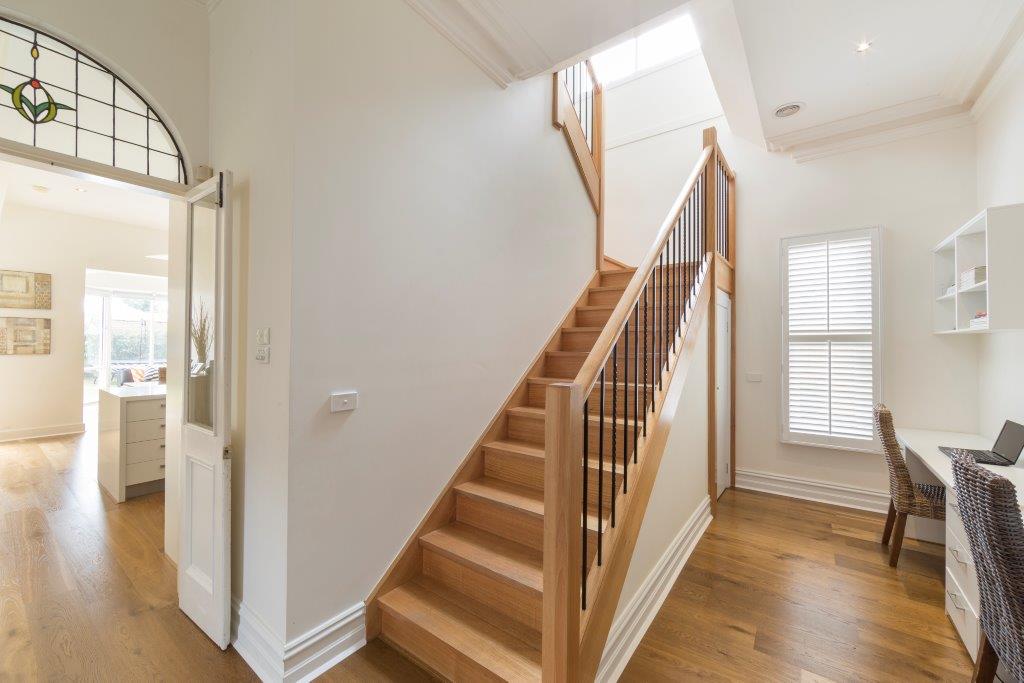
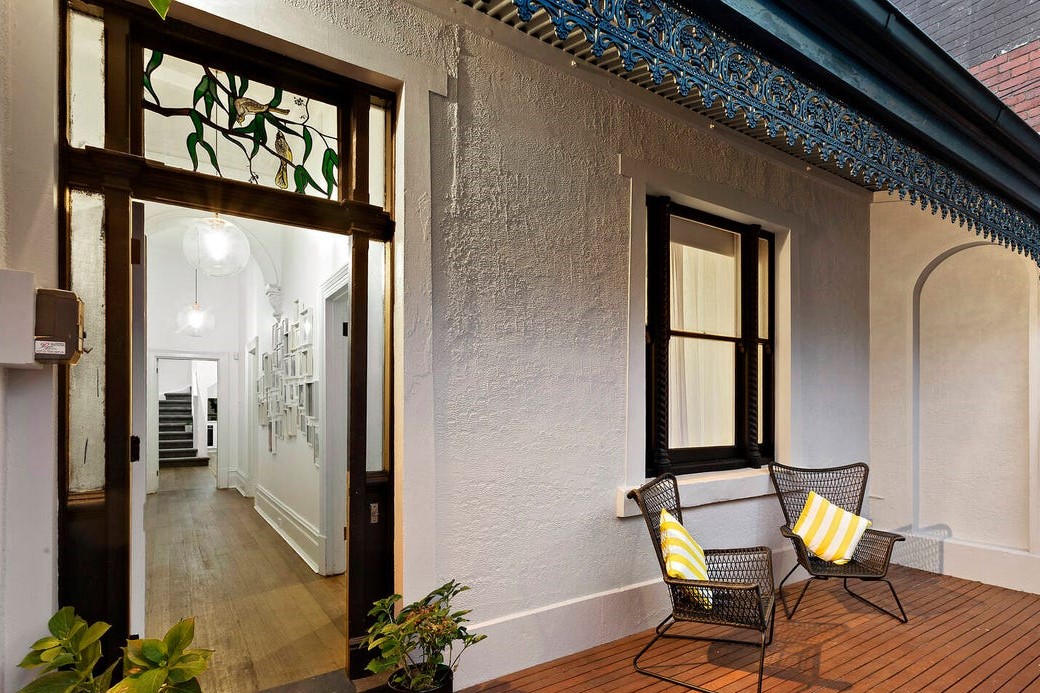
Maintaining the period character of your home while introducing modern conveniences is an art. Start by identifying features that define the style, like mouldings or stained glass. Integrate modern elements that complement these features without overshadowing them. This approach keeps your home stylish yet practical. Think of it as enhancing the charm, not replacing it.
Sympathetic Extensions and Restorations
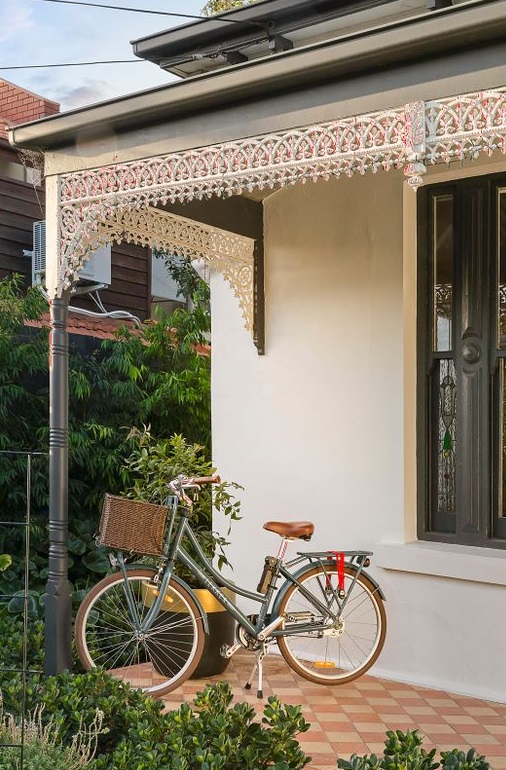
When planning extensions or restorations, aim for sympathy with the original structure. This means using similar proportions, rooflines, and materials. For instance, an Edwardian home extension should respect the existing style while adding extra space. Such thoughtful planning ensures the new blends seamlessly with the old, maintaining harmony throughout your home.
Selecting Materials for Heritage Authenticity
Choosing the right materials can make or break your renovation. Opt for materials that match the original in texture and colour. For example, if your home features weatherboard cladding, maintain that look in new additions. This approach preserves the home’s authenticity and aesthetic appeal, crucial for a heritage renovation. Discover more about material choices in this article.
Mitigating Risks and Ensuring Compliance
With design plans in place, focus on mitigating risks and ensuring compliance to protect your investment.
Council Approval and Town Planning
Council approval is non-negotiable when renovating a heritage home. Submit detailed plans for your project, showing how it respects heritage guidelines. Town planners will assess your proposal, considering both preservation and community impact. Patience is key, as gaining approval can be time-consuming but ensures compliance and avoids costly setbacks.
Building Permit Essentials
A building permit confirms your project meets safety and structural standards. Submit plans that detail the construction process, materials, and design. This step ensures your renovation is safe and up to code, protecting your home and family. Building permits give peace of mind that your project is legally sound.
Long-term Value and Structural Guarantees
Investing in quality craftsmanship adds long-term value to your home. Ensure your builder provides a structural guarantee, securing your investment for years to come. This guarantee covers defects, offering reassurance that your renovation is built to last. A well-executed renovation not only enhances your home’s beauty but also its market value. For further reading, see the Heritage Council’s guide.
In conclusion, renovating a heritage home in Melbourne involves careful planning and expert guidance. From navigating overlays to selecting materials, each step is crucial in preserving your home’s charm while meeting modern needs. Trust Cameron Design & Construction to guide you through this intricate process, ensuring a stunning, compliant transformation.