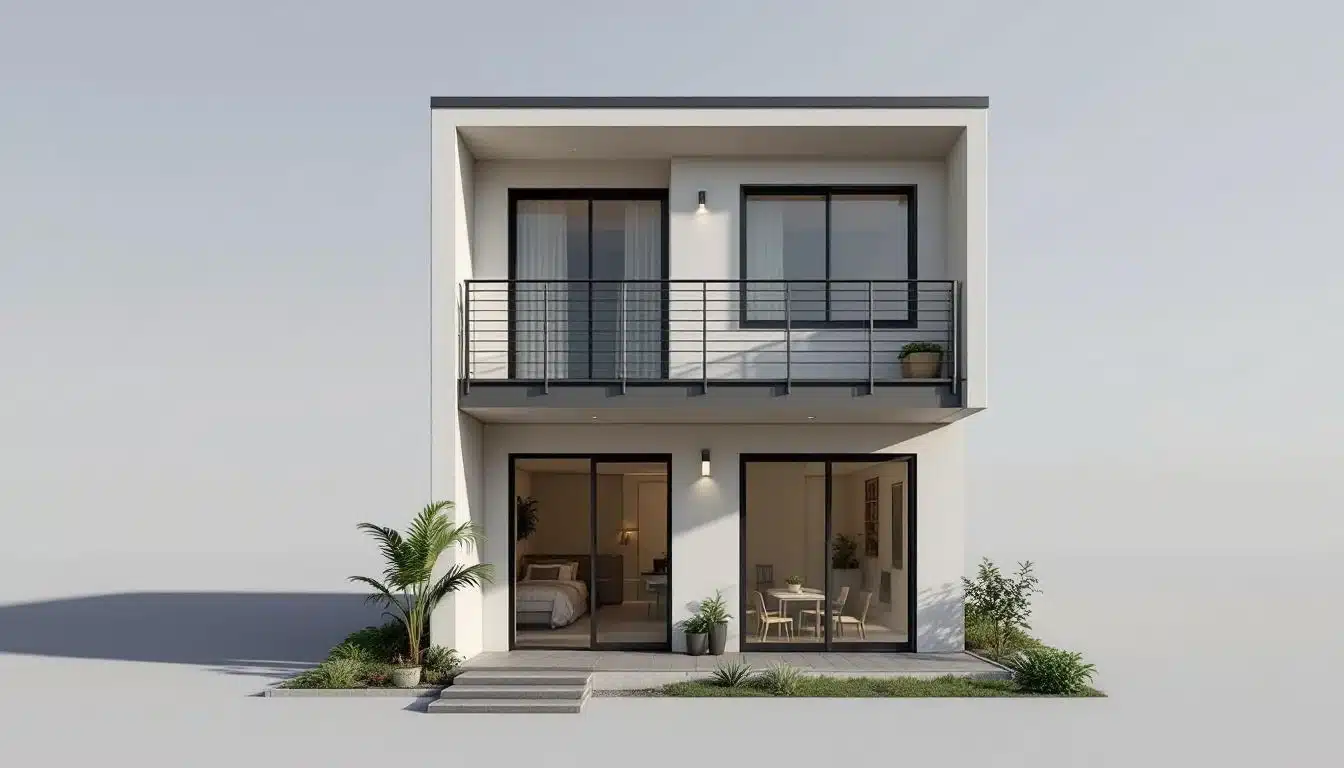
Small Double Storey House Designs That Maximize Space
Small double storey house designs demand smart thinking. Every square metre counts, and the difference between cramped and comfortable comes down to how you plan your layout.
At Cameron Construction, we’ve seen firsthand how thoughtful design transforms compact homes. Strategic placement of windows, built-in storage, and flexible spaces can make a small double storey feel spacious and functional.
Open Plan Living Areas and Multi-Functional Spaces
Merging Kitchen, Dining, and Living Without Walls
Open plan living works in small double storey homes when you execute it properly. Merging your kitchen, dining, and living areas into one zone creates visual continuity and makes your space feel significantly larger than a fragmented layout. The challenge is defining separate functions without building walls. Strategic changes in floor level, different ceiling heights, or a kitchen island create visual boundaries while maintaining the open feel. A kitchen island serves dual purposes: it provides workspace and acts as a visual separator between cooking and living zones.
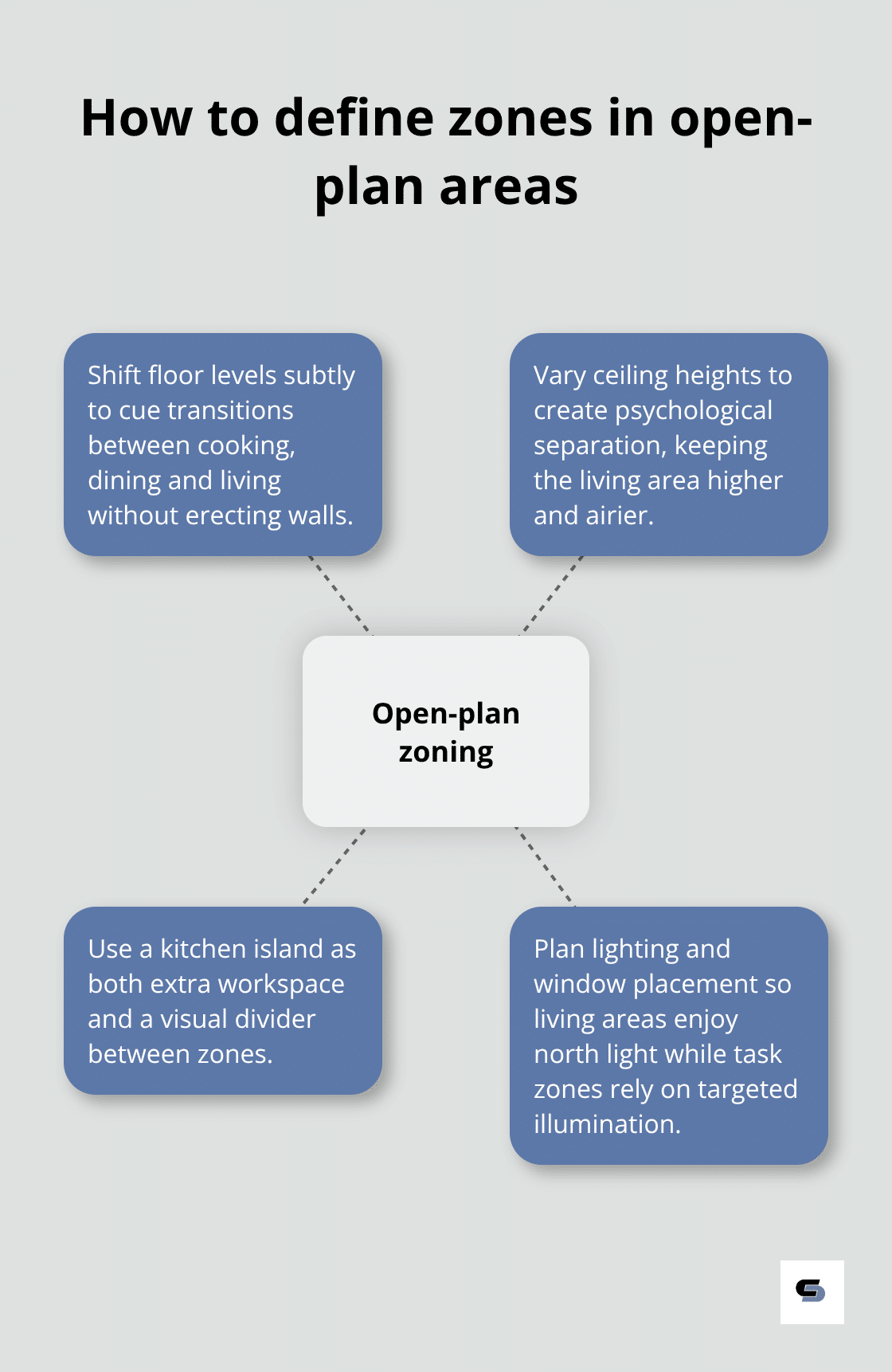
Ceiling height variation proves particularly effective in compact homes. If your ground floor has 2.7 metres of height, dropping the kitchen ceiling to 2.4 metres while keeping the living area open to the full height creates psychological separation without closing off the space. Natural light amplifies this effect dramatically. Position your main living area adjacent to north-facing windows in Melbourne, and place your kitchen to the side where task lighting matters more than expansive views.
Vertical Storage Reclaims Square Metres
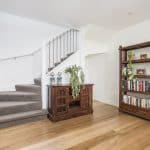
Vertical storage transforms small footprints into functional homes. Most compact double storey designs waste the wall space between floor and ceiling. Floor-to-ceiling cabinetry in your living area, kitchen, and bedrooms creates storage without consuming floor area. Your staircase itself becomes a storage opportunity: under-stair drawers for seasonal items, shoes, or linens cost minimal extra during construction but reclaim valuable square metres.
Flexible Rooms Adapt to Your Lifestyle
Flexible rooms demand honest assessment of your actual needs. A fourth bedroom that sits empty most of the year costs you living space. Instead, design a multipurpose room with a sofa bed, fold-away desk, and flexible shelving that functions as a guest room, home office, or relaxation space depending on the week. In narrow blocks common across Melbourne suburbs, this adaptability prevents you from over-building features you’ll rarely use.
The National Construction Code 2022 updates emphasise liveable design, which means your spaces must genuinely serve your lifestyle, not just tick boxes. When planning your extension, discuss room flexibility with your designer from the start. A room designed for dual purpose costs no more to build but delivers exponentially more value in a compact home. This approach to flexible design sets the foundation for the smart design features that truly maximise every centimetre of your double storey space.
Smart Design Features for Compact Double Storey Homes
Natural Light Transforms Compact Spaces
Natural light fundamentally changes how a small double storey feels. North-facing windows in Melbourne deliver consistent daylight without excessive summer heat, making them essential for ground floors. Position your main living areas to capture this orientation. If your block faces south, strategic glazing on east or west sides works, but you’ll rely more heavily on task lighting in kitchens and work areas. Window placement matters more than window size in compact homes. A single large north-facing window outperforms three smaller south-facing ones. Skylights work exceptionally well in double storey homes because they bring light to internal spaces without consuming wall area. The National Construction Code 2022 emphasises daylight in bedrooms as a liveable design requirement, so position bedroom windows to maximise natural light rather than relying on artificial lighting during daylight hours.
Built-In Storage Reclaims Floor Space
Built-in storage designed during the planning phase costs less than retrofitting it later and uses space far more efficiently than freestanding furniture. Under-staircase storage, floor-to-ceiling pantries, and bedroom cabinetry that extends into wall cavities reclaim square metres without eating into your living footprint. These solutions integrate seamlessly into your layout when you plan them from the start, rather than treating storage as an afterthought.
Staircase Design Directly Impacts Usable Area
Efficient staircase design directly impacts your usable floor area. A standard 1.2-metre-wide staircase with a 30-degree pitch occupies roughly 5 square metres per storey. Spiral or alternating tread staircases reduce this footprint to 3–4 square metres, though they’re less practical for moving furniture and create tight landings.
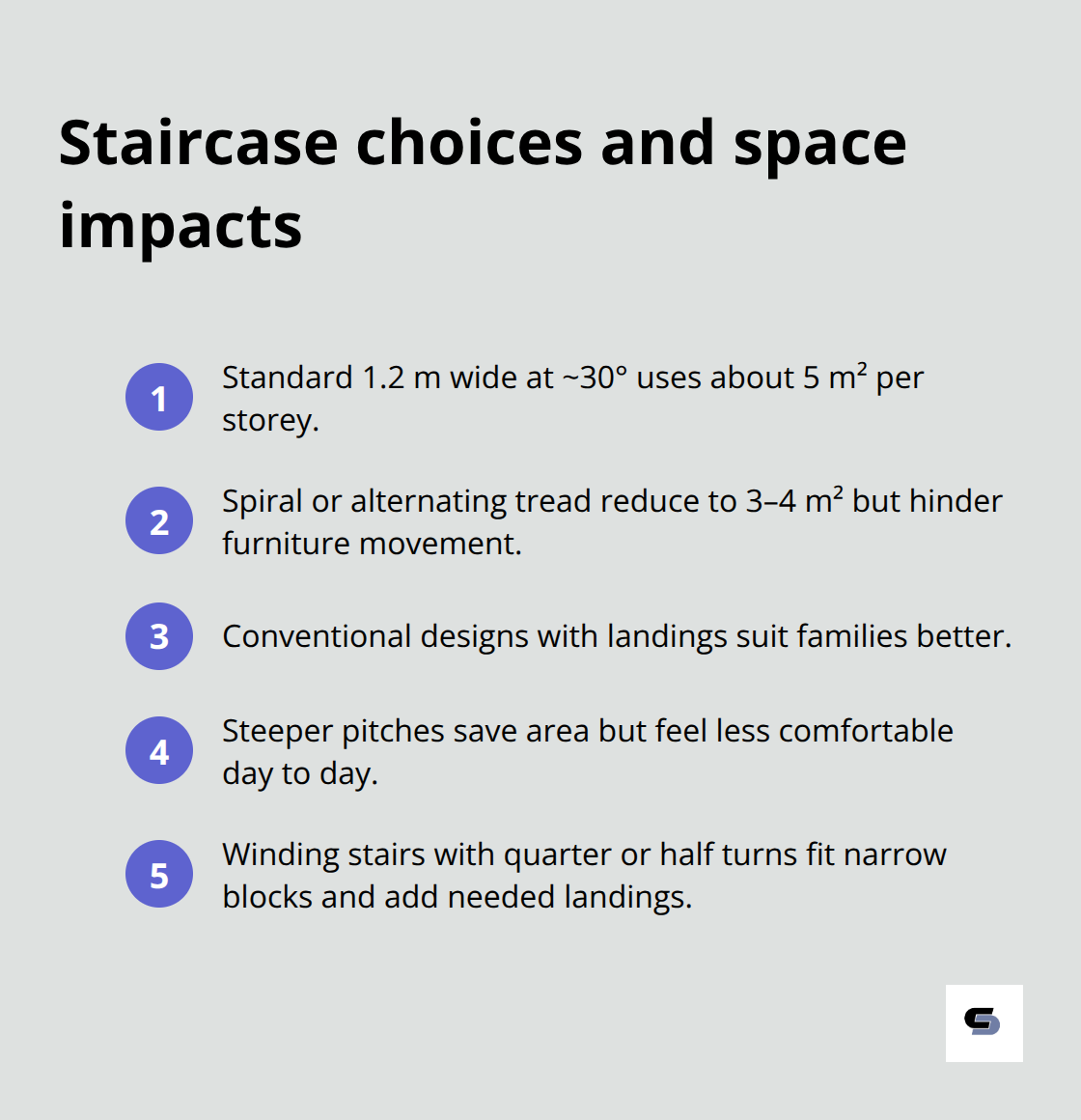
Conventional designs with landing space function better in family homes, but the pitch of your staircase matters significantly. A steeper pitch saves floor area but makes daily use less comfortable. Most compact double storeys sit between 30 and 35 degrees-steep enough to save space without becoming exhausting. Winding staircases with quarter or half turns create visual interest and often fit better into narrow blocks than straight runs (they also provide the landing space you actually need for safety and furniture movement).
Efficient Layouts Maximise Every Centimetre
The way you arrange your staircase, storage, and living zones determines whether your compact home feels spacious or cramped. Positioning your staircase against an external wall rather than in the centre of your footprint preserves open floor space. Combining this strategy with built-in storage and strategic window placement creates homes that function well despite their modest footprint. When you plan your double storey extension, these design features work together to transform how your space performs. The next section explores how current design trends amplify these practical strategies, turning compact homes into genuinely desirable places to live.
Design Trends in Small Double Storey Extensions
Outdoor Living Areas That Extend Interior Space
Outdoor spaces function as genuine rooms in small double storey extensions, not afterthoughts. Melbourne’s climate supports year-round usability, and a covered alfresco area on your ground floor transforms how your home performs. Position this space to capture northern sun in winter and shade in summer-it effectively doubles your living footprint without building walls. The Victorian Design Review Panel emphasises accessible open space as essential to liveable design, and this principle applies directly to compact homes.
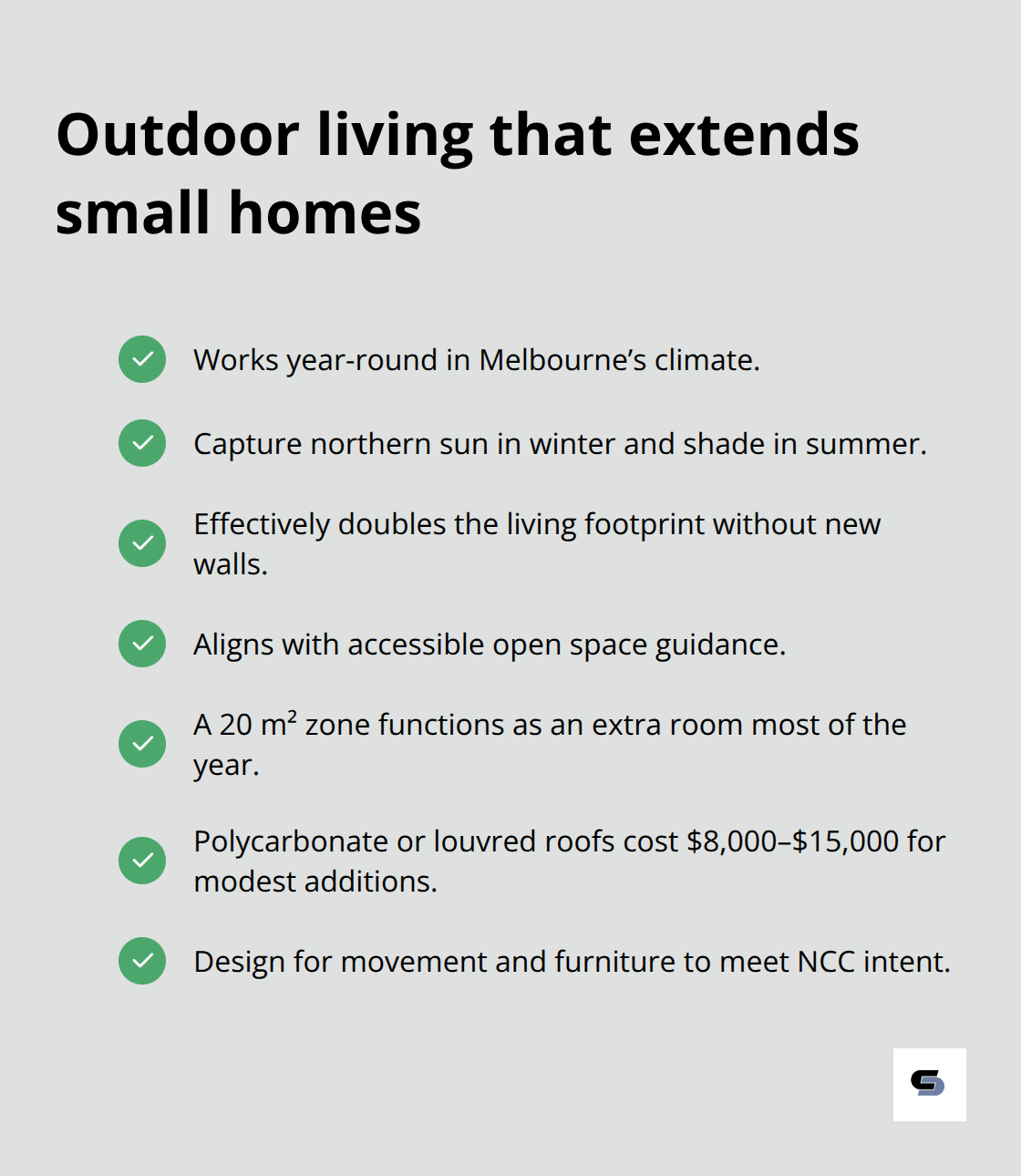
A 20-square-metre outdoor zone with proper orientation and weather protection functions as an additional room during most of the year.
Strategic placement matters enormously. Position your alfresco adjacent to your open-plan kitchen-dining area so sightlines flow seamlessly and you can supervise children or entertain without feeling disconnected from your home. Polycarbonate or louvred roof systems cost between $8,000 and $15,000 for a modest ground-floor addition but deliver measurable value because they genuinely extend usable space. The National Construction Code 2022 requires generous, accessible open spaces, which means your outdoor design must accommodate movement and furniture, not just exist as decorative paving.
Energy Efficiency Reduces Running Costs
Sustainable design in compact double storeys demands specificity, not vague green gestures. Energy efficiency in compact double storey extensions directly impacts your running costs through measurable performance improvements. Orientation of your extension determines whether you’ll rely on air conditioning or natural ventilation. North-facing living areas with deep eaves minimise summer heat gain while maximising winter warmth.
Your staircase and upper-floor layout significantly impact thermal performance because hot air rises and escapes through poorly designed roofs. Specify high-performance windows with a U-value below 2.0 for Melbourne conditions rather than standard glazing, and position them strategically to minimise unwanted heat gain. Materials selection matters more than aesthetic preference: thermal mass from concrete or brick floors helps regulate internal temperature, reducing heating and cooling demand.
Minimalist Design Paired With Practical Storage
Minimalist interiors paired with floor-to-ceiling storage systems work particularly well in compact homes because they eliminate wasted space devoted to decorative elements that don’t serve your actual lifestyle. Specify joinery that combines open shelving with concealed cabinetry so you display what matters and hide the rest, keeping your compact footprint feeling intentional rather than cramped. This design approach reduces visual clutter while maximising functional capacity. A well-executed minimalist aesthetic combined with strategic storage transforms how your compact space performs and feels.
Final Thoughts
Small double storey house designs succeed when every design decision serves a genuine purpose. The strategies we’ve covered-open plan layouts, vertical storage, strategic window placement, efficient staircases, and outdoor living areas-work because they address the real constraints of compact footprints. Thoughtful design means making deliberate choices about how your space performs, what you prioritise, and how each square metre contributes to your lifestyle.
Working with a professional designer transforms your extension from a construction project into a genuine investment in your home’s performance and value. A designer who understands compact double storey homes knows how to position windows for natural light, integrate storage without consuming floor area, and create layouts that feel spacious rather than cramped. They’ll identify opportunities you might miss and prevent costly mistakes during construction, while also managing planning compliance and building code requirements to meet the National Construction Code 2022 standards for liveable design, accessibility, and energy performance.
Your next step is straightforward: gather your site measurements, clarify your budget and timeline, and discuss your vision with a designer who specialises in compact extensions. Contact Cameron Construction to explore how thoughtful design can transform your small double storey space into a home that genuinely works for how you live.