Renovation budgeting tips for long‑term value in Melbourne
Renovation budgeting tips for long‑term value in Melbourne
Most renovation budgets in Melbourne miss key costs that affect long-term value. If you’re planning an extension or heritage renovation, it’s easy to focus on upfront savings and overlook allowances, contingencies, and energy-efficient upgrades. This guide shares practical renovation budgeting tips Melbourne homeowners trust to plan with clarity, minimise surprises, and protect your investment for years ahead. For more information, visit this link.
Renovation Budgeting for Long-term Value
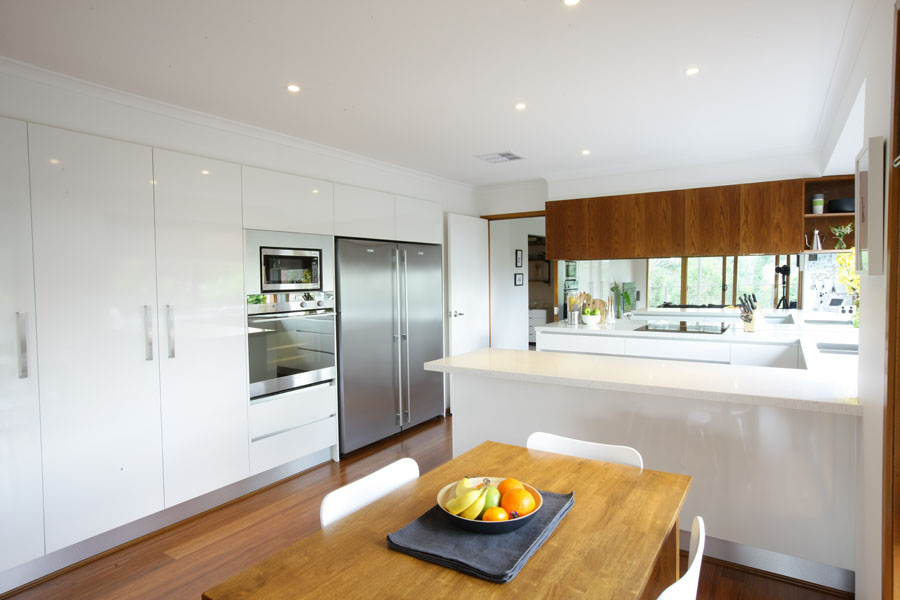
Understanding Melbourne’s Renovation Costs
Let’s explore the costs of renovating in Melbourne. Understanding these costs is essential for planning a budget that offers long-term value. Whether you’re looking at a kitchen upgrade or a full extension, knowing what’s involved helps you make informed decisions.
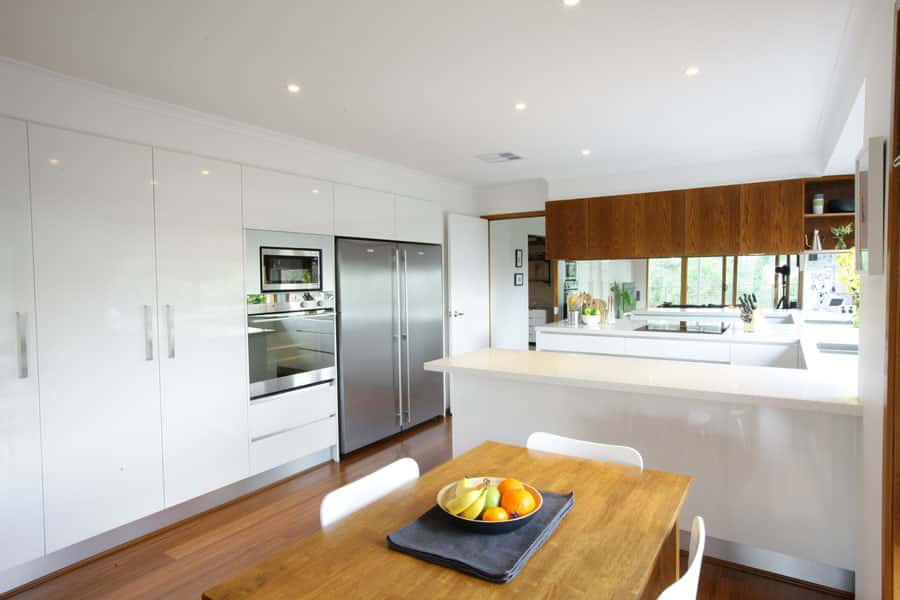
Melbourne’s construction costs are varied. Labour charges, material costs, and project size all play a role. For instance, a kitchen renovation can range from $15,000 to over $40,000. Knowing these figures upfront allows you to plan effectively. If you’re considering a larger project, like a double-storey extension, costs can rise to $150,000 or more.
Keep in mind that unforeseen expenses often arise. You might discover structural issues or need heritage approvals. Factoring these potential costs into your initial budget can save you stress later.
Key Cost Drivers and Allowances
Understanding cost drivers is crucial to budget planning. The main drivers include design complexity, material quality, and labour. Each aspect affects your overall budget differently.
Design complexity can increase costs quickly. More intricate designs require skilled labour and specialised materials, both of which add to your budget. If you choose premium materials, expect to pay more. High-end finishes and sustainable options are beautiful but come at a premium.
Labour is another significant factor. Skilled tradespeople are essential for quality results, but their expertise comes at a price. However, choosing experienced professionals often leads to fewer mistakes and higher-quality work. It’s an investment worth considering for long-term value.
Contingency Budget for Renovations
A contingency budget is your safety net. It’s a reserved amount set aside for unexpected expenses that arise during renovation. Experts recommend allocating about 10-20% of your total budget for this purpose.
Why is it essential? Renovations often reveal hidden issues. You might find outdated wiring or plumbing problems. These surprises require immediate attention, and without a contingency, they can derail your budget.
Setting aside this buffer allows you to handle surprises smoothly. You’ll have the funds to address issues without compromising your design or quality. It provides peace of mind, knowing you’re prepared for whatever challenges arise.
Design and Build Strategies
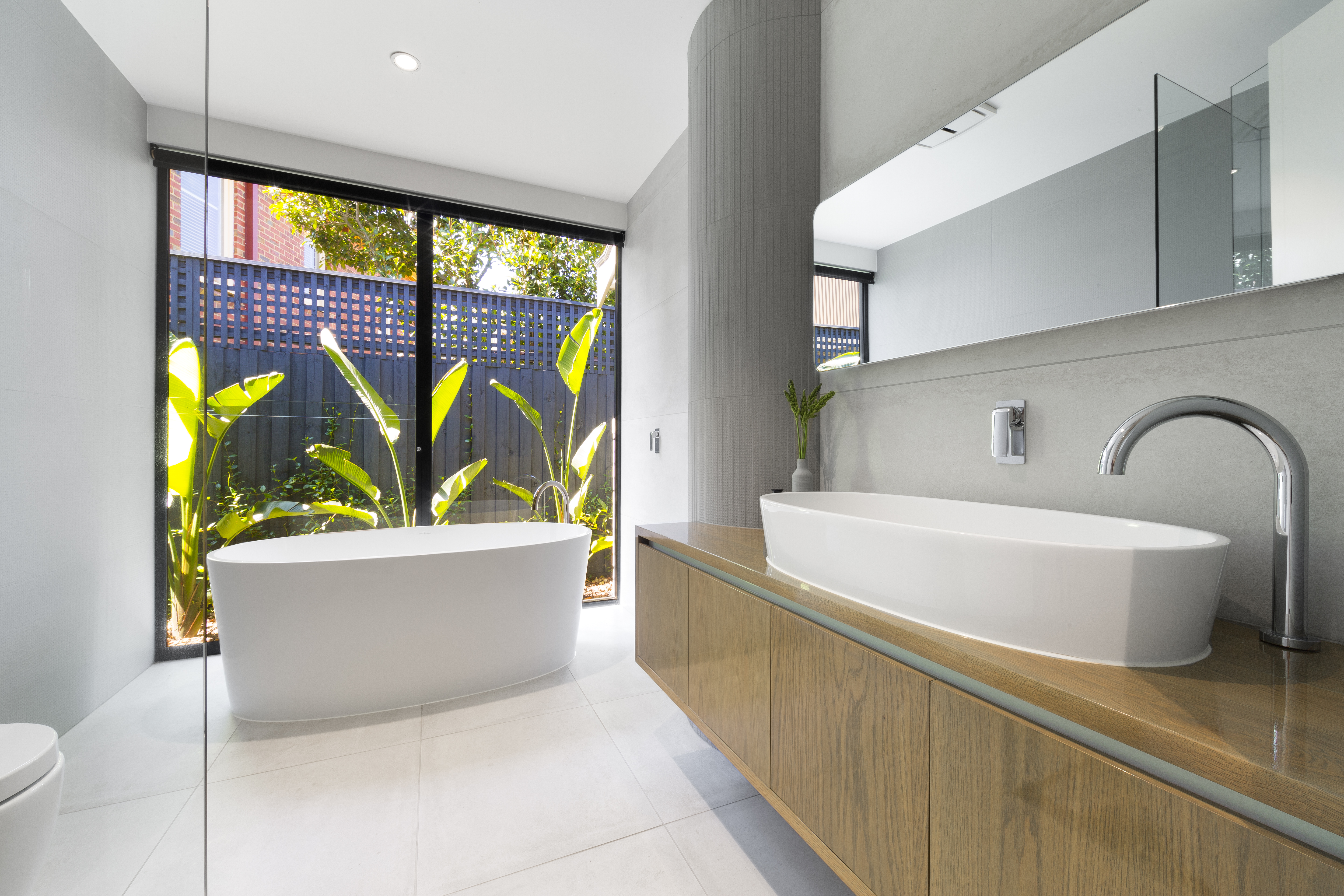
Integrated Design and Build Benefits
The integrated design and build approach offers significant advantages. By having one team handle both design and construction, you streamline the process. This method reduces the risk of miscommunication and delays.
Working with a single team means everyone understands the project goals. From the initial concept to final construction, the focus remains consistent. This ensures that the design is practical, achievable, and stays within budget.
Additionally, this approach often leads to cost savings. With clear communication and efficient planning, resources are used effectively. This results in fewer changes during the build, keeping costs under control and aligned with your budget.
Staging Works for Cost Efficiency
Staging your renovation can be a smart financial move. By breaking the project into phases, you manage costs more effectively. This strategy allows you to spread expenses over time, making them more manageable.
Begin with the essential areas first. Focus on spaces that impact daily life, like kitchens or bathrooms. Completing these areas first provides immediate benefits and improves your home’s functionality.
As your budget allows, move to other areas. This phased approach offers flexibility and reduces financial strain. It also lets you adjust plans based on the lessons learned from earlier stages, ensuring each phase aligns with your goals.
Architectural Extensions in Melbourne
Architectural extensions are a popular choice for Melbourne homeowners. They add value, space, and style to your home. However, they require careful planning to maximise the benefits.
Designing an extension involves more than just aesthetics. Consider how the new space integrates with the existing structure. The goal is a seamless blend that enhances both function and appearance.
Working with experienced professionals ensures your extension meets local regulations. They understand Melbourne’s building codes and heritage requirements, reducing the risk of costly delays. With their expertise, your extension will not only look great but also add substantial value to your property.
Heritage and Energy Considerations
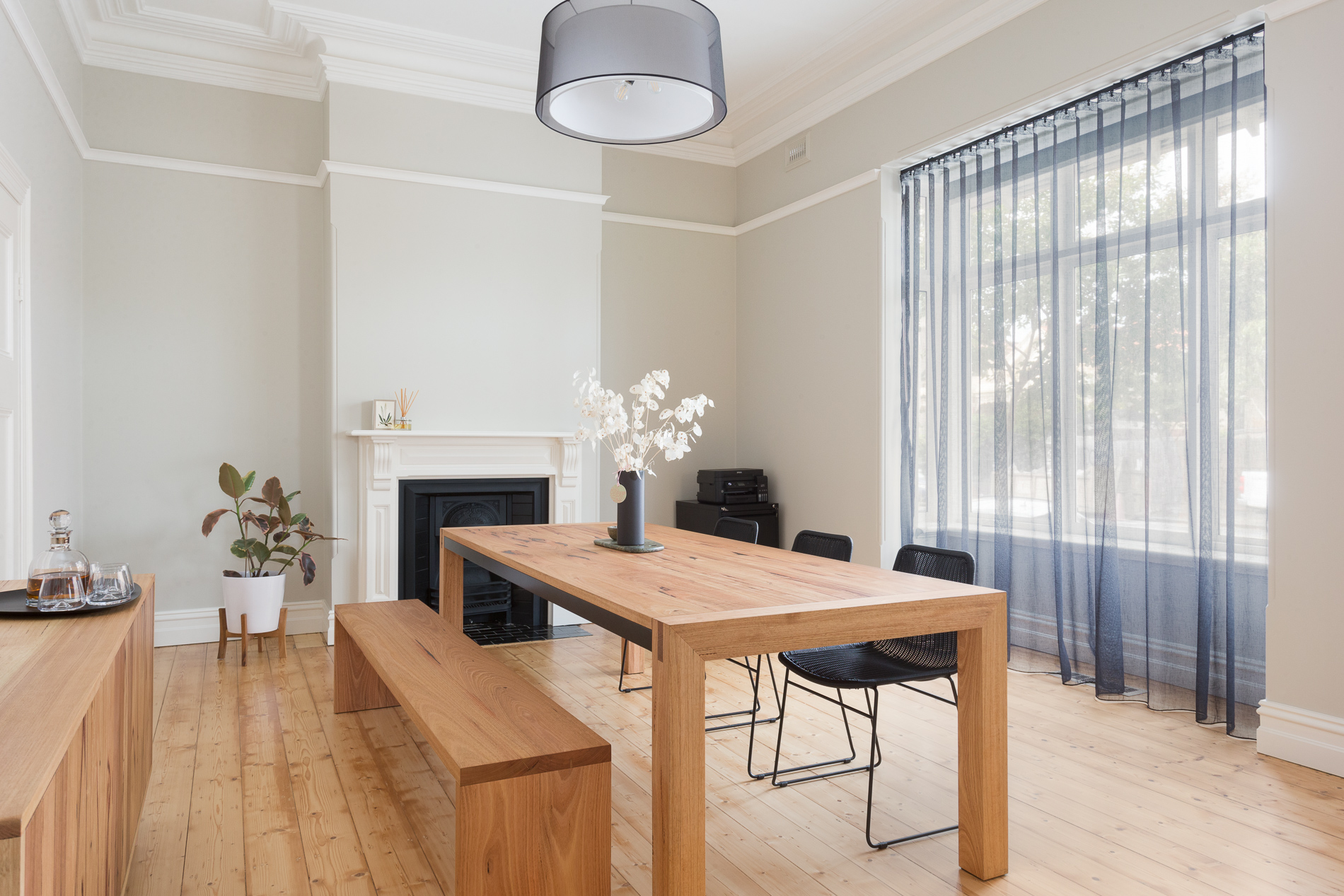
Navigating Heritage Renovation Budgets
Heritage renovations require a thoughtful approach. Balancing modern needs with preserving historical features is key. These projects often have unique challenges that can affect your budget.
Understanding heritage overlays is essential. These regulations protect historical features and dictate what changes are allowed. Working with specialists familiar with these rules can streamline approvals and avoid costly mistakes.
Budgeting for heritage work includes allowances for specialised materials and skilled labour. These elements ensure that renovations respect the home’s original character while meeting modern standards. Choosing the right team makes all the difference in achieving a successful outcome.
Energy Efficiency Upgrades Melbourne
Energy-efficient upgrades are a wise investment. They reduce utility bills and improve comfort, making homes more sustainable. In Melbourne’s climate, these improvements offer significant benefits year-round.
Consider installing high-performance windows. They provide better insulation and reduce heating and cooling costs. Adding solar panels is another popular option. With government incentives, the initial cost is more manageable, and savings accrue over time.
Insulation is also crucial. Upgrading to high-quality materials keeps your home comfortable and efficient. These upgrades not only reduce expenses but also increase your property’s value, making them a smart choice for any renovation.
Balancing Design with Lifecycle Costs
Balancing design aspirations with lifecycle costs is essential for long-term value. While it’s tempting to focus solely on aesthetics, consider how choices affect future expenses.
Selecting durable materials is key. Though the upfront cost may be higher, their longevity reduces replacement needs. This makes them cost-effective in the long run.
Think about maintenance. Opt for finishes that are not only attractive but also easy to maintain. This reduces upkeep costs and ensures your home remains beautiful for years.
By considering lifecycle costs alongside design, you make informed decisions that protect your investment. This approach ensures your renovation delivers value and satisfaction over the long term, enhancing both quality and financial returns.