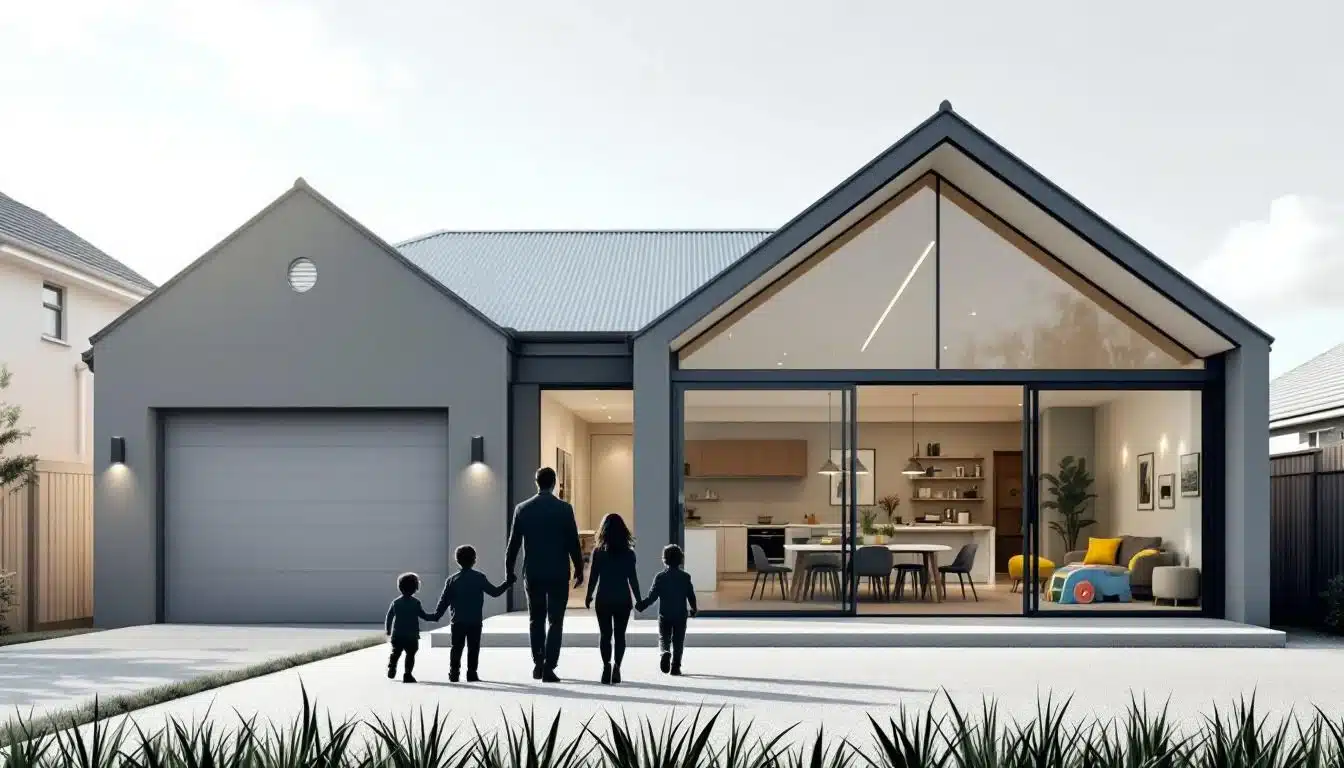
Melbourne Home Extensions: Crafting Space for Families
Adding space to your Melbourne home is one of the biggest decisions you’ll make as a homeowner. Whether you’re building up or out, the process involves navigating permits, budgets, and design choices that directly affect your family’s comfort and your property’s value.
At Cameron Construction, we’ve guided hundreds of Melbourne families through home extensions. This guide walks you through everything from council requirements to structural engineering, so you can plan with confidence.
What You Need to Know Before Starting Your Extension
Council Requirements Shape Your Timeline and Design
Council requirements vary significantly across Melbourne’s suburbs, and this variation affects your timeline, costs, and design options from day one. Your local council determines whether you need a planning permit, what design standards apply to your property, and how long approvals take. In some inner suburbs like Fitzroy and Carlton, heritage overlays mean almost every extension requires a planning permit, even minor works. In growth corridors like Pakenham and Cranbourne, planning requirements differ substantially because the planning scheme prioritises different outcomes. The City of Melbourne operates under different rules than outer suburbs, with stricter setback requirements and height controls in many areas.
Contact your local council or engage a town planner to confirm whether your extension needs a planning permit before you invest in design concepts. This single step saves thousands in wasted design fees and prevents costly redesigns later. Council approval timeframes range from 10 weeks for straightforward applications to 6 months or more for complex projects involving neighbour objections or heritage considerations.
How Your Block’s Characteristics Affect What You Can Build
Your block’s characteristics-slope, orientation, size, existing structures-directly shape what you can build and how much it will cost. North-facing blocks in Melbourne hold significant value because extensions on the north side capture winter sun without excessive summer heat, but this orientation may trigger additional setback requirements to protect neighbours’ solar access.
A sloping block requires soil reports and foundation engineering, adding 2 to 4 weeks to your planning phase and $1,500 to $3,500 to project costs. Tight side boundaries limit how much you can build outward and may force you upward instead, making a second storey more cost-effective than a ground floor addition. Your existing home’s construction type matters too-timber-frame homes have different structural requirements than brick veneer, and older homes may have foundation conditions that affect what’s structurally possible.
Budget Expectations for Different Extension Types
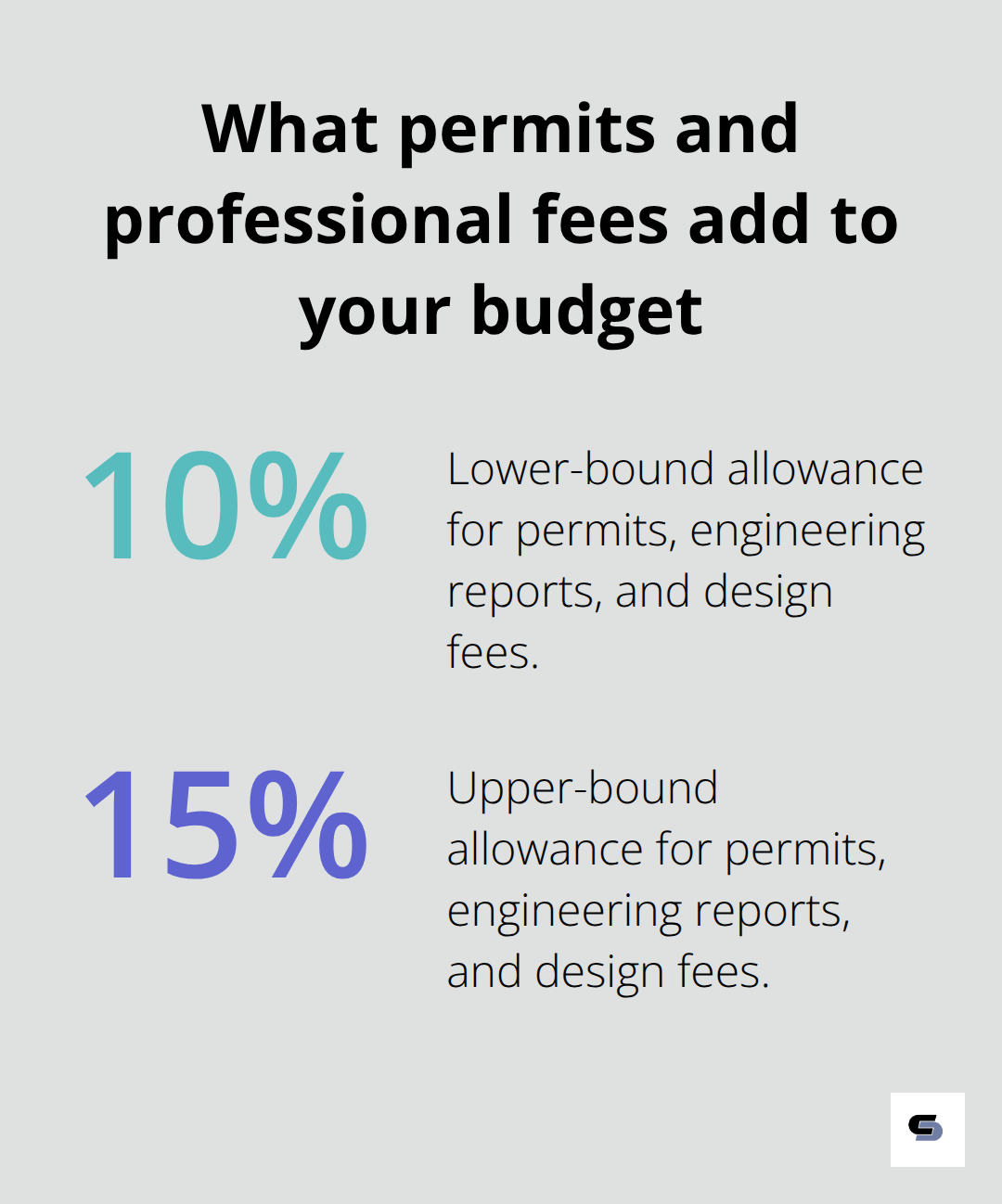
Budget expectations for Melbourne extensions depend on scope, location, and finish level, but concrete figures help you plan realistically. A single-storey ground floor addition typically costs between $2,500 and $4,500 per square metre in Melbourne, meaning a 20-square-metre extension runs $50,000 to $90,000 before permits and contingencies. Double storey extensions cost more per square metre-usually $4,000 to $6,500-because of structural complexity and engineering requirements, placing a 40-square-metre two-storey addition at $160,000 to $260,000. Permits, engineering reports, and design fees add another 10 to 15 percent to your total budget.
Realistic Timelines From Concept to Completion
Timelines for extensions typically span 12 to 18 months from initial concept to moving into completed space, though this varies based on permit complexity and builder availability. The first 6 to 8 weeks focus on design development, site analysis, and council pre-lodgement discussions. Planning permit applications take 10 to 16 weeks on average, with heritage or complex designs taking longer. Building permits process faster-usually 4 to 8 weeks-once the planning permit is granted.
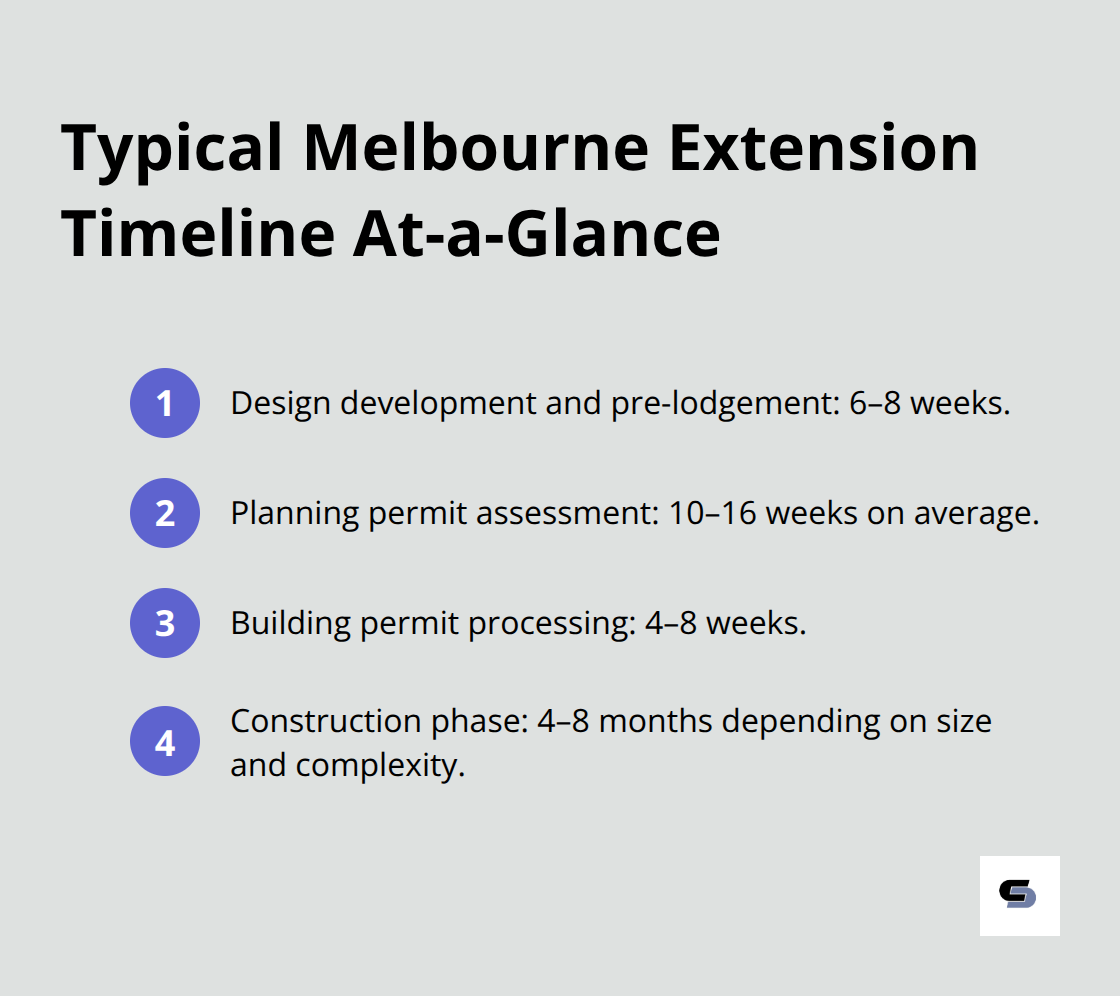
Construction itself takes 4 to 8 months depending on size and complexity. Structural extensions involving new footings or significant engineering work take longer than simple additions. Understanding these timelines helps you avoid delays caused by incomplete documentation or unrealistic expectations about council processing speeds.
With your block analysed, budget set, and council requirements confirmed, the next step involves choosing between a double storey extension and a ground floor addition-a decision that shapes your entire project.
When to Choose Double Storey Over Ground Floor Additions
The Cost-Per-Square-Metre Advantage of Building Upward
Double storey extensions outperform ground floor additions on most Melbourne blocks, and the mathematics backs this consistently. A 40-square-metre two-storey extension costs roughly $160,000 to $260,000 and delivers twice the usable space of a single-storey 20-square-metre addition costing $50,000 to $90,000. The cost-per-square-metre for upper-level additions typically runs $4,000 to $6,500, while ground floor extensions run $2,500 to $4,500 per square metre. This means your second storey delivers more value per dollar spent, especially on tight blocks where building outward means losing outdoor space. Blocks under 450 square metres almost always benefit from vertical expansion because you preserve the garden and outdoor living areas that Melbourne families prioritise.
On larger blocks with generous side setbacks, ground floor additions make sense if your neighbours sit far away and council setback rules permit substantial outward building. However, heritage overlays and inner-suburb planning restrictions often block ground floor expansion anyway, making upper-level extensions your only viable path in suburbs like Fitzroy, Hawthorn, and Toorak.
How Structural Demands Shape Your Timeline and Budget
Structural complexity separates these two approaches, and this directly affects your budget and timeline. Ground floor additions typically sit on shallow footings if your existing home’s foundation permits, but if your block slopes or soil conditions are poor, you’ll need deep piling or reinforced footings, adding $8,000 to $20,000 and 3 to 4 weeks to your project. Double storey extensions demand structural engineering from the start because the upper floor loads transfer through new posts or beams to the existing foundation, which may require underpinning or reinforcement.
Your soil report becomes non-negotiable for upper-level work, costing $1,500 to $3,500 but revealing foundation conditions that prevent expensive surprises mid-construction. Timber-frame homes built before 1980 often lack the structural capacity for second storeys without substantial reinforcement to walls and posts, whereas brick veneer homes typically handle upper additions more readily. Concrete slab foundations on level blocks simplify upper-level work compared to timber stumps on sloping sites.
Engineering drawings for double storey extensions run $3,000 to $6,000 and take 4 to 6 weeks, whereas ground floor additions often need only standard details, reducing design costs. This structural complexity means your double storey project timeline stretches to 14 to 18 months, whereas a straightforward ground addition might complete in 10 to 12 months.
Functional Space Separation and Family Living
Upper-level extensions create separate zones for bedrooms and living spaces that ground floor additions cannot match. Adding a second storey lets you place bedrooms upstairs away from living noise, creating quieter sleeping areas while keeping entertaining spaces downstairs. A 40-square-metre two-storey addition delivers 80 square metres of total space, but the real gain is functional separation. Ground floor additions of the same footprint deliver only 40 square metres and typically extend one room, leaving your home’s layout unchanged.
Second storeys work especially well for families needing extra bedrooms because you add two or three upstairs without disrupting your existing kitchen, dining, or lounge. Ensuite bathrooms upstairs avoid morning queues for a single ground-floor bathroom, a practical benefit that improves daily family life. North-facing second storeys in Melbourne capture winter sun naturally, reducing heating costs, whereas ground floor additions facing south or east often need mechanical heating year-round.
Design Constraints From Planning and Heritage Rules
Planning requirements for overshadowing and daylight access sometimes restrict upper-level depth more than ground floor width, forcing compromises on usable floor space upstairs. Heritage zones or setback restrictions force an upper extension to sit inset from the street, creating an awkward appearance that affects your home’s street presence. These constraints mean your designer must work within tighter parameters for second storeys than for ground additions, potentially reducing the floor area you gain relative to the construction cost.
The choice between building up and out ultimately depends on your block size, soil conditions, heritage status, and family needs. With this decision made, careful design and structural planning that works with Melbourne’s specific building conditions and council requirements will maximise the value and space from your chosen approach.
Permits and Planning That Actually Work
Planning Permits: Your First Approval Hurdle
Planning permits in Melbourne operate under different rules depending on your council and whether your property sits within a heritage overlay, but the core principle remains constant: you cannot start construction without approval. The City of Melbourne requires planning permits for most home extensions, whereas outer suburbs like Pakenham or Cranbourne apply stricter criteria based on setback distances, building height, and neighbourhood character. Your local council’s planning scheme determines which extensions need permits and which fall under exemptions for minor works. Heritage-listed properties may need a planning permit for building and works, though having a Heritage Overlay does not mean you cannot make any changes.
The Domestic Building Contracts Amendment Bill (passed September 2025) tightened compliance requirements further, meaning your documentation and builder registration matter more than ever. Before you invest in design work, contact your local council directly or engage a town planner to confirm permit requirements specific to your address and extension type. This costs $500 to $1,500 but prevents redesigns that waste $3,000 to $8,000 in architect fees.
Council Processing Times and Documentation Standards
Council processing times range from 10 weeks for straightforward applications to 6 months for complex projects involving neighbour objections, heritage considerations, or unusual site conditions. Incomplete applications add 4 to 8 weeks because councils return documents for corrections rather than process them.
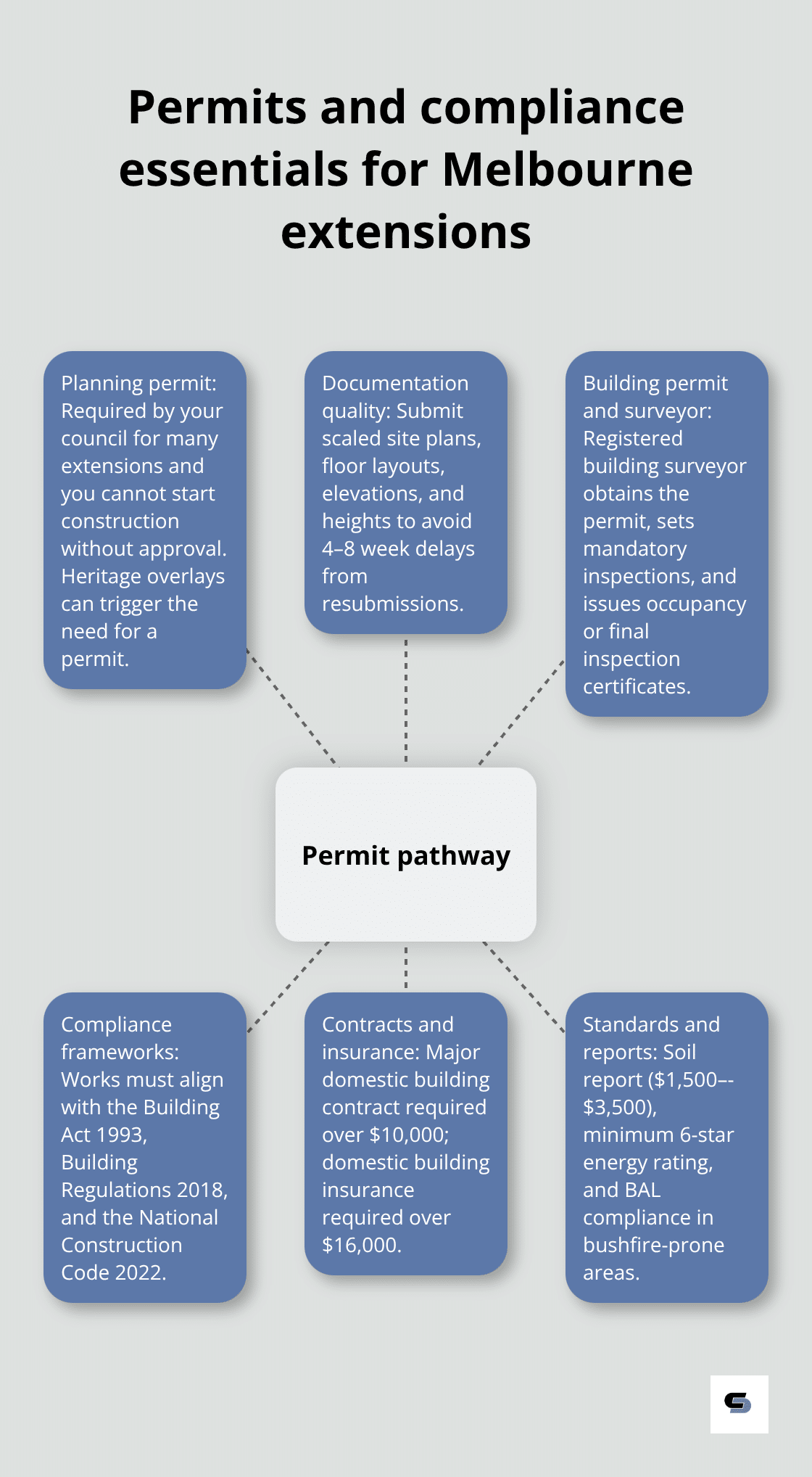
Your planning application requires a site plan drawn to scale showing building outlines and distances to property boundaries, floor layouts, elevations, and building height above ground level.
Many homeowners submit rough sketches that councils reject immediately, forcing resubmission and wasting time. Engage an architect or draftsperson to prepare scaled drawings before lodgement, which ensures your application processes on the first attempt.
Building Permits and Surveyor Independence
Building permits follow planning approval and cover construction compliance with the Building Act 1993, Building Regulations 2018, and the National Construction Code 2022. Your registered building surveyor obtains the building permit, not your builder, which preserves independence and protects you legally. For extensions exceeding $10,000 in Victoria, the Domestic Building Contracts Act 1995 requires a major domestic building contract, and if your project exceeds $16,000, your builder must hold current domestic building insurance before accepting a deposit.
Building permit levies are calculated on the cost of works and must be paid before a permit number issues. The surveyor specifies mandatory inspections during construction at stages like frame, lock-up, and fixing, and you must obtain an occupancy permit or certificate of final inspection before legally occupying extended spaces.
BCA Standards and Structural Requirements
Meeting BCA standards means your extension satisfies minimum building standards for safety, health, amenity, and sustainability. Your surveyor verifies this compliance during inspections, and non-compliance can halt construction or force expensive rectifications. Structural requirements for extensions demand engineering drawings when upper floors or significant loads transfer to existing foundations.
A soil report (costing $1,500 to $3,500) reveals foundation conditions and informs footing design, preventing costly surprises. Older homes built on timber stumps often require underpinning or reinforcement before upper-level work proceeds, whereas newer homes on concrete slabs typically accommodate extensions more readily. Energy efficiency standards require a 6-star rating under the Building Code, and in bushfire-prone areas, your extension must meet the Bushfire Attack Level rating appropriate to your location.
Final Thoughts
Planning a Melbourne home extension requires you to coordinate design, permits, budgets, and timelines across multiple professionals and council requirements. The decisions you make early-whether to build upward or outward, which council rules apply to your block, how much structural work your foundation needs-determine your project’s success and final cost. Skipping these foundational steps leads to redesigns, permit rejections, and construction delays that compound costs far beyond initial estimates.
Professional design and project management matter because they translate your family’s needs into compliant, buildable plans that councils approve and builders execute on schedule. An architect or draftsperson who understands Melbourne’s planning framework prevents costly mistakes in your initial concept. A structural engineer’s soil report and foundation analysis stops mid-construction surprises that can add $15,000 to $40,000 to your budget. A registered building surveyor ensures your extension meets BCA standards and passes mandatory inspections, protecting your family’s safety and your property’s legal status.
Your next step is contacting your local council or a town planner to confirm whether your extension needs a planning permit, then engaging an architect to develop scaled drawings for your site. Once you have preliminary designs and council feedback, reach out to builders with proven experience in your suburb and extension type. Contact Cameron Construction to discuss your Melbourne home extensions project and understand how professional management transforms your vision into completed family space.