
Melbourne Case Study Extensions: Lessons from Notable Transformations
Melbourne case study extensions reveal what works when homeowners invest in quality design and professional execution. We at Cameron Construction have seen firsthand how the right decisions-from navigating council requirements to managing difficult sites-transform ordinary homes into valuable assets.
This blog post examines real Melbourne projects that succeeded, the specific challenges they faced, and the practical lessons that apply to your own extension plans.
What Real Melbourne Extensions Achieve
Double storey additions deliver measurable returns
Double storey additions consistently generate the strongest returns for Melbourne homeowners. A Fitzroy North project demonstrates this clearly: a 15 square metre extension lifted the home from a 1.8-star NatHERS rating to 3.2 stars, cutting energy consumption from 406 megajoules per square metre annually to 250. The renovation cost around 160,000 dollars and transformed a cramped 110 square metre dwelling into a functional 125 square metre home.
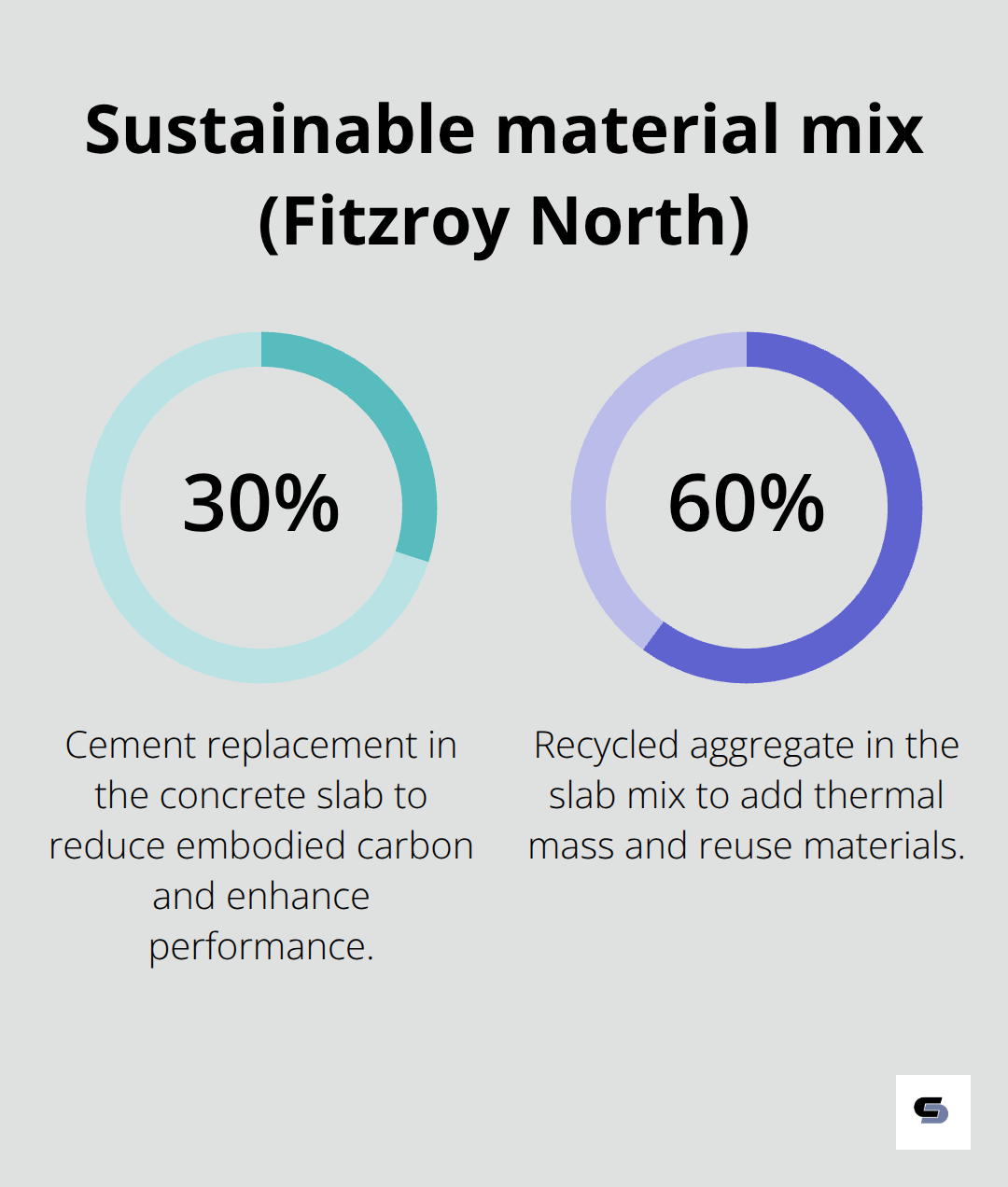
The design prioritised north-facing clerestory windows with eaves to maximise daylight while providing passive thermal control, paired with cross-ventilation through strategically positioned screened openings. The owner preserved the original brick wall and added a concrete slab with 30 percent cement replacement and 60 percent recycled aggregate for thermal mass. These decisions worked together: the pale steel roof reduced heat absorption, argon-filled double-glazed windows with low-emissivity glass minimised heat loss, and insulation reached R4.0 in the roof and R3.5 in the walls.
A 2000-litre rainwater tank plumbed to the toilet and laundry cut mains water use by approximately 100 litres daily. The occupants reported strong satisfaction, highlighting good collaboration with trades and a well-integrated, compact redesign. Most residential extensions succeed through layered efficiency gains rather than single dramatic features.
Tight urban blocks require strategic orientation
Narrow urban blocks present genuine constraints. Melbourne’s building approvals show Victoria accounted for 5,215 dwellings approved in November 2025 alone, a 23.8 percent monthly rise, which signals sustained pressure on inner-city lots. The Fitzroy North case operated on a 190 square metre block overshadowed by nearby flats, forcing a north-facing daylight design strategy.
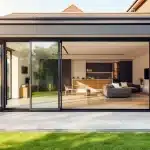
Ground floor extensions on such sites must prioritise windows and openings over closed walls. Bi-fold doors opening to garden spaces enhance connection and perceived spaciousness without structural complexity. Pale finishes, LED lighting throughout, and low-VOC paints create brightness that compensates for limited direct sun. Water-efficient fixtures (including 4-star rated toilets and 3-star taps) become standard rather than premium choices when space is constrained.
Heritage properties demand early planning consultation
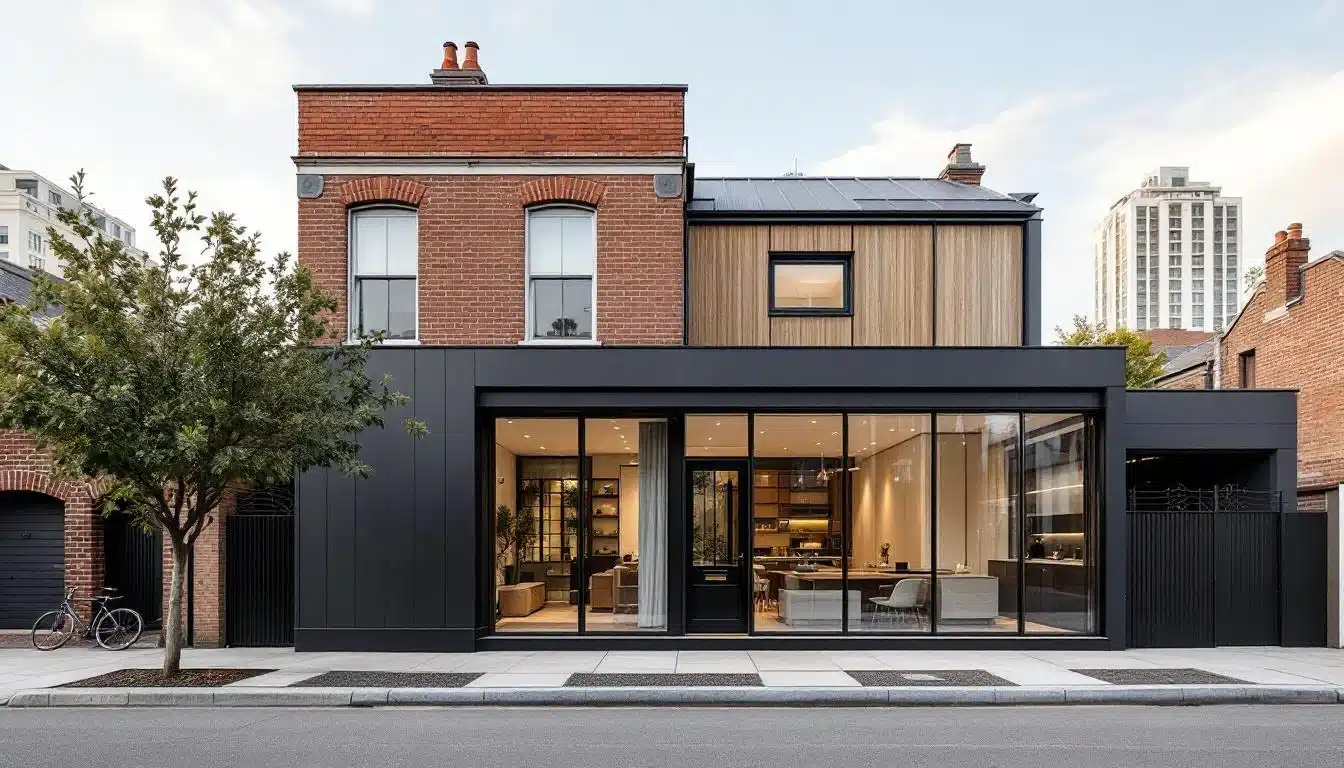
Heritage properties present different pressures. The City of Melbourne requires planning permits for most works within heritage overlays, including painting and fence construction, so early consultation with a planning officer on 03 9658 9658 prevents costly redesigns. Extensions to heritage homes succeed when they respect the original character through material selection and setbacks rather than attempting exact replica aesthetics.
The successful projects prioritise functional improvement over stylistic matching, using contemporary materials that complement rather than mimic period features. This approach (respecting heritage while improving livability) opens the door to understanding how design decisions translate across different property types and site conditions throughout Melbourne.
Getting Permits Right Saves Months and Money
Planning permits vary by location and require early consultation
Planning permits in Melbourne vary significantly by location, and submitting incorrect applications wastes three to six months. The City of Melbourne planning team on 03 9658 9658 can clarify your specific requirements before you spend money on design. Heritage overlays may require permits for building and works, while some outer suburbs have lighter restrictions.
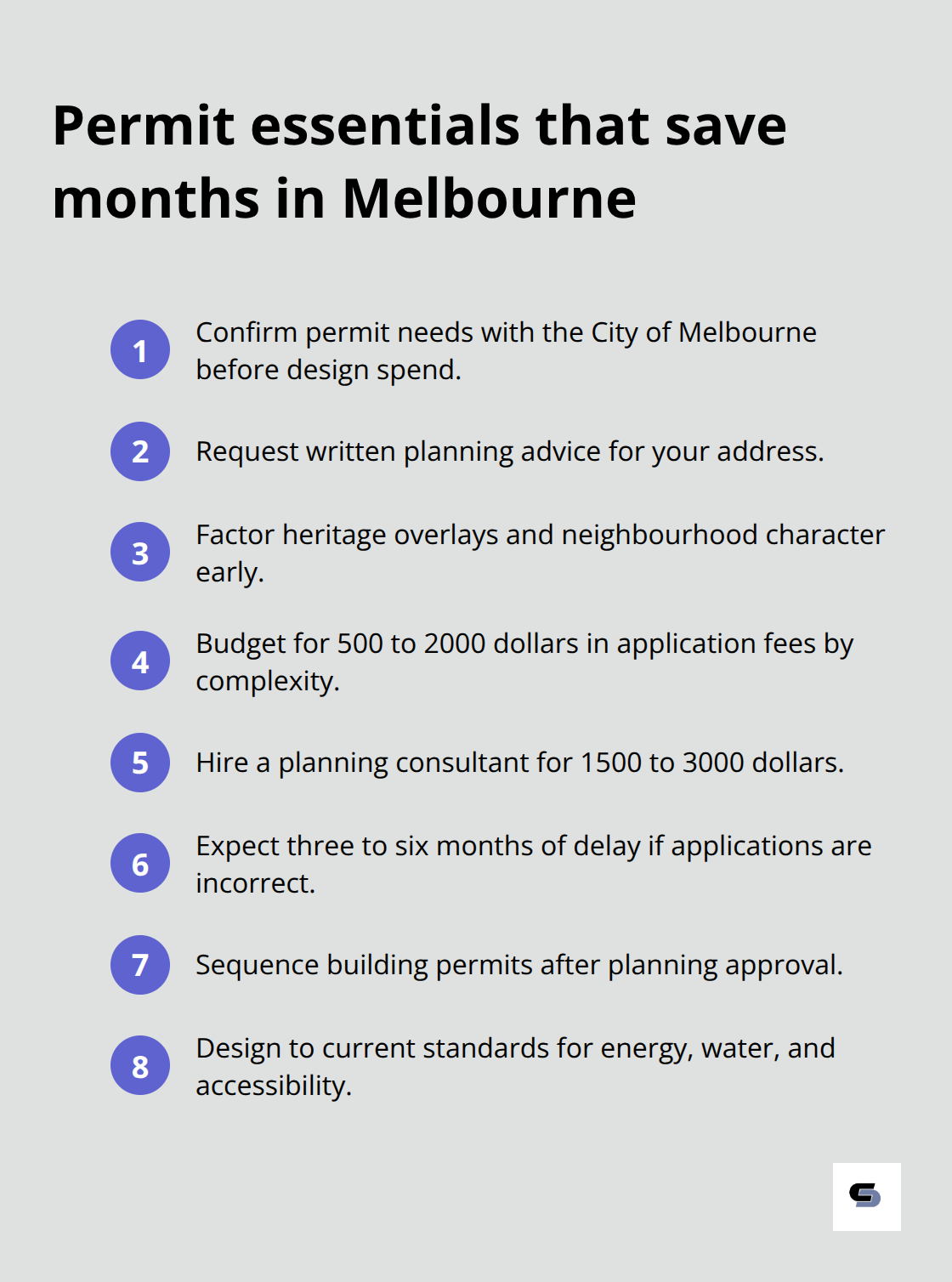
Request written planning advice for your property address; the council provides documented guidance that protects you if conditions change mid-project. Applications cost between 500 and 2000 dollars depending on complexity, but a rejected application costs far more in delays.
Owner-builder permits and professional guidance
The Victorian Building Authority handles owner-builder permits if you choose that route, though you still need planning approval and must comply with building regulations. Most Melbourne homeowners hire a planning consultant for 1500 to 3000 dollars to navigate council requirements, prepare documentation, and manage conditions-this investment typically recovers through faster approvals and fewer redesigns. Building permits come after planning approval and cover structural safety, energy efficiency (NatHERS ratings), water management, and accessibility. Extensions must meet current building standards even if the original home does not, meaning your addition may require upgraded insulation, drainage, or electrical capacity.
Construction timelines and capacity constraints
Construction timelines lengthen significantly when permits arrive late; the residential construction sector currently operates near capacity with material and labour constraints widespread, according to Reserve Bank data, so delays compound quickly. The sector faces binding constraints: about 20 percent of firms report significant material shortages affecting steel, timber, tiles, and appliances, while labour availability remains tight across all regions.
Energy performance and water efficiency drive measurable value
Design decisions that drive genuine value focus on energy performance and usable space rather than aesthetic flourishes. The Fitzroy North project achieved a 1.4-star NatHERS improvement through layered passive design: north-facing windows, thermal mass from recycled-aggregate concrete, R4.0 roof insulation, and cross-ventilation. This combination reduced energy consumption by 38 percent annually, translating to lower running costs that appeal to future buyers. Water efficiency similarly matters; the 2000-litre rainwater tank cut mains use by 100 litres daily, lowering utility bills and reducing environmental impact.
Budget and timeline management on real projects
Budget management on real projects averages 160,000 dollars for a 15-square-metre extension in inner Melbourne, though this varies with site difficulty and specification. Sloping blocks and heritage constraints typically add 15 to 25 percent to costs through extra engineering or design iterations. Double storey additions on narrow blocks work best when ground-floor extensions maximise daylight through strategic window placement rather than expanding wall area. Bi-fold doors to outdoor space increase perceived spaciousness without structural cost. Timeline execution depends on permit speed (three to six months), construction duration (six to nine months), and material availability. Most delays stem from supply chain constraints affecting steel, timber, and appliances rather than labour alone. Locking in material costs early through supplier quotes reduces exposure to price volatility; quoted rates remain valid for 28 to 90 days depending on the supplier. Weekly site meetings between the builder, designer, and owner prevent scope creep and change orders that inflate final costs, setting the foundation for understanding how specific design choices translate into structural and functional outcomes across different Melbourne sites.
Real Obstacles and Practical Solutions
Sloping blocks demand structural orientation, not compromise
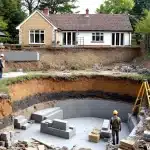
Sloping blocks add between 15 and 25 percent to project costs through additional engineering, retaining walls, and foundation complexity. The key decision involves structural orientation: place living areas on the upper level where light penetrates and views open up, relegating storage and utilities to lower levels. This reverses typical thinking but delivers better functionality on difficult terrain. A sloping block forces you to work with the site rather than against it, transforming what appears as a constraint into a design advantage that improves both usability and market appeal.
Narrow street frontages require early council consultation
Street frontages in established Melbourne suburbs impose restrictions on setbacks, fence heights, and materials through planning overlays and neighbourhood character guidelines. The City of Melbourne requires early consultation before design commences; contact a planning officer on 03 9658 9658 to understand boundary setbacks, heritage overlays, and neighbour notification requirements specific to your address. Ignoring these early conversations costs three to six months in redesigns and resubmissions. Written planning advice protects you if conditions shift mid-project and provides documented guidance that councils reference throughout approval stages.
Construction on established streets demands staged delivery
Construction on established streets requires staged delivery and waste management planning that most homeowners underestimate. Renovation waste cannot enter regular garbage collections; only small pieces qualify for hard waste services, so prepare a comprehensive waste and recycling strategy as part of the development process. If you place bins, skips, or containers on public land, you need permits from the council, adding two to four weeks to project timelines.
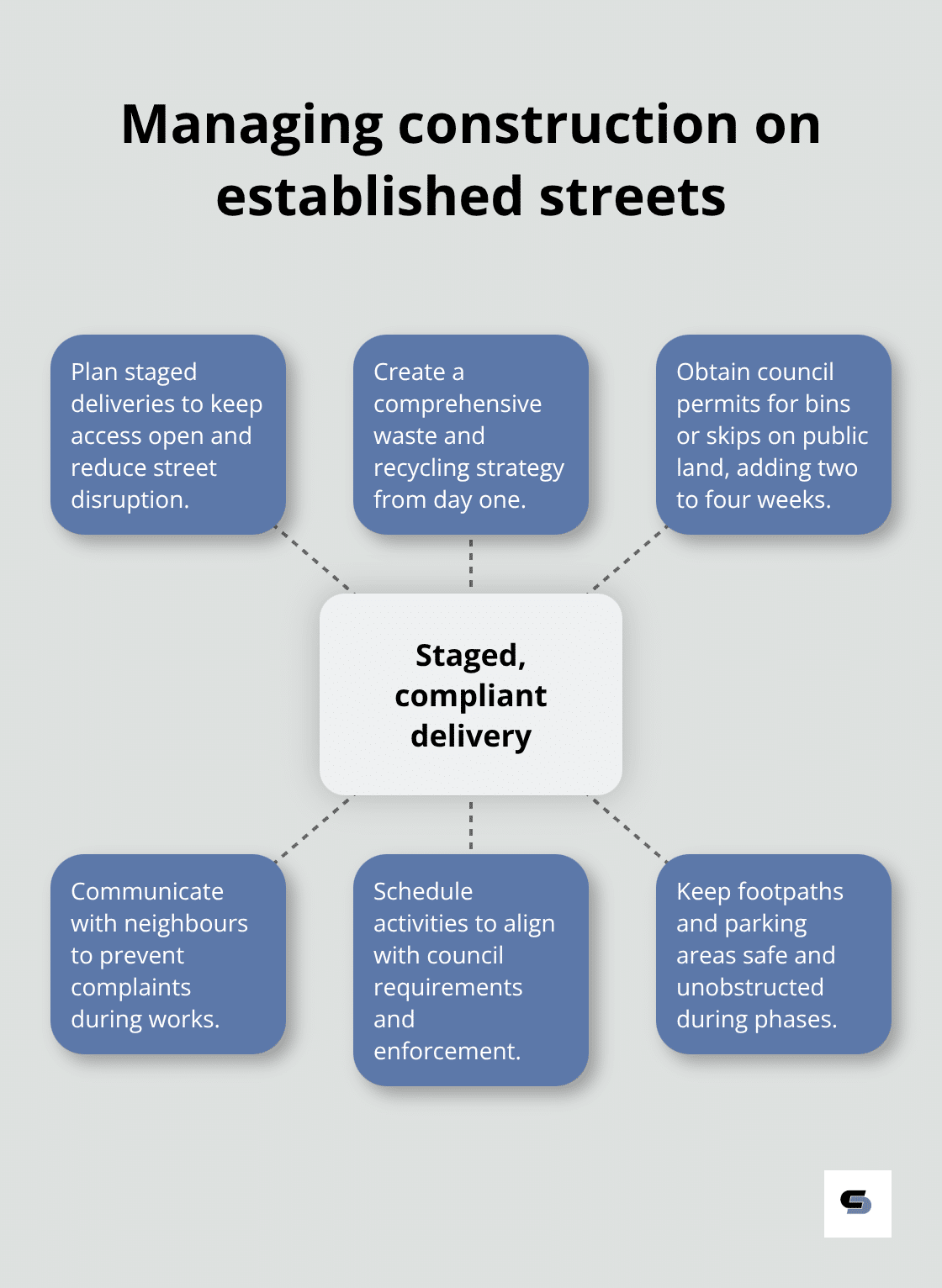
Staged delivery prevents neighbour complaints and keeps street access open during construction phases, reducing friction with local residents and council enforcement officers.
Material and finish choices balance aesthetics with standards
Material and finish choices must complement the existing home while meeting current building standards. The Fitzroy North project used natural rubber floor tiles with low-VOC adhesive, zero-VOC paints, and western red cedar window frames that respected the original brick character without attempting period replica work. This approach costs 8 to 12 percent more than standard finishes but delivers durability and resale appeal that recovers the investment within five to seven years. Energy efficiency ratings (NatHERS) and water efficiency certifications now influence buyer decisions as significantly as layout or finishes, so prioritise these over decorative elements. Extensions that achieve 3-star or higher NatHERS ratings and include water-efficient fixtures (4-star toilets, 3-star taps) command stronger market response than those relying on cosmetic upgrades alone.
Final Thoughts
Melbourne case study extensions succeed because homeowners commit to professional design and structured project management from the outset. The Fitzroy North project, sloping block transformations, and heritage properties that retained character while gaining function all share one common thread: early planning consultation, clear budget parameters, and realistic timelines prevent costly surprises. These projects demonstrate that extensions work when you prioritise energy efficiency and water management over cosmetic upgrades, respect site constraints rather than fight them, and engage council requirements before design commences.
Professional design and project management drive results by compressing timelines and protecting budgets. Engaging a planning consultant early costs 1500 to 3000 dollars but recovers through faster approvals and fewer redesigns. Structured site meetings between builder, designer, and owner prevent scope creep that inflates final costs, while locking in supplier quotes early keeps projects on track despite current material constraints.
Your extension project begins with three concrete steps: contact the City of Melbourne planning team on 03 9658 9658 to understand your specific permit requirements, engage a designer and builder experienced in Melbourne’s varied site conditions, and establish realistic budgets based on your site difficulty rather than generic benchmarks. We at Cameron Construction have spent 40 years delivering extensions across Melbourne’s councils, handling concept to completion including planning, permits, and BCA compliance. Visit our website to discuss your Melbourne case study extensions project with our in-house designers, engineers, and project managers.


![Heritage Extensions That Respect Original Character [Guide]](https://www.cameronconstruction.com.au/wp-content/uploads/emplibot/heritage-extensions-hero-1772691912-150x150.webp)