How to Plan a Home Extension in Melbourne with Confidence
How to Plan a Home Extension in Melbourne with Confidence
Planning a home extension in Melbourne can feel overwhelming with all the permits, budgets, and design decisions involved. You want to expand your space without surprises or delays. This guide breaks down Melbourne home extensions step-by-step, helping you gain clarity and control from the first sketch to the final build. With a clear plan, you can move forward confidently and create a home that truly fits your family’s needs. For more insights, have a look at this step-by-step guide to understanding the home extension designing process.
Understanding Melbourne Home Extensions
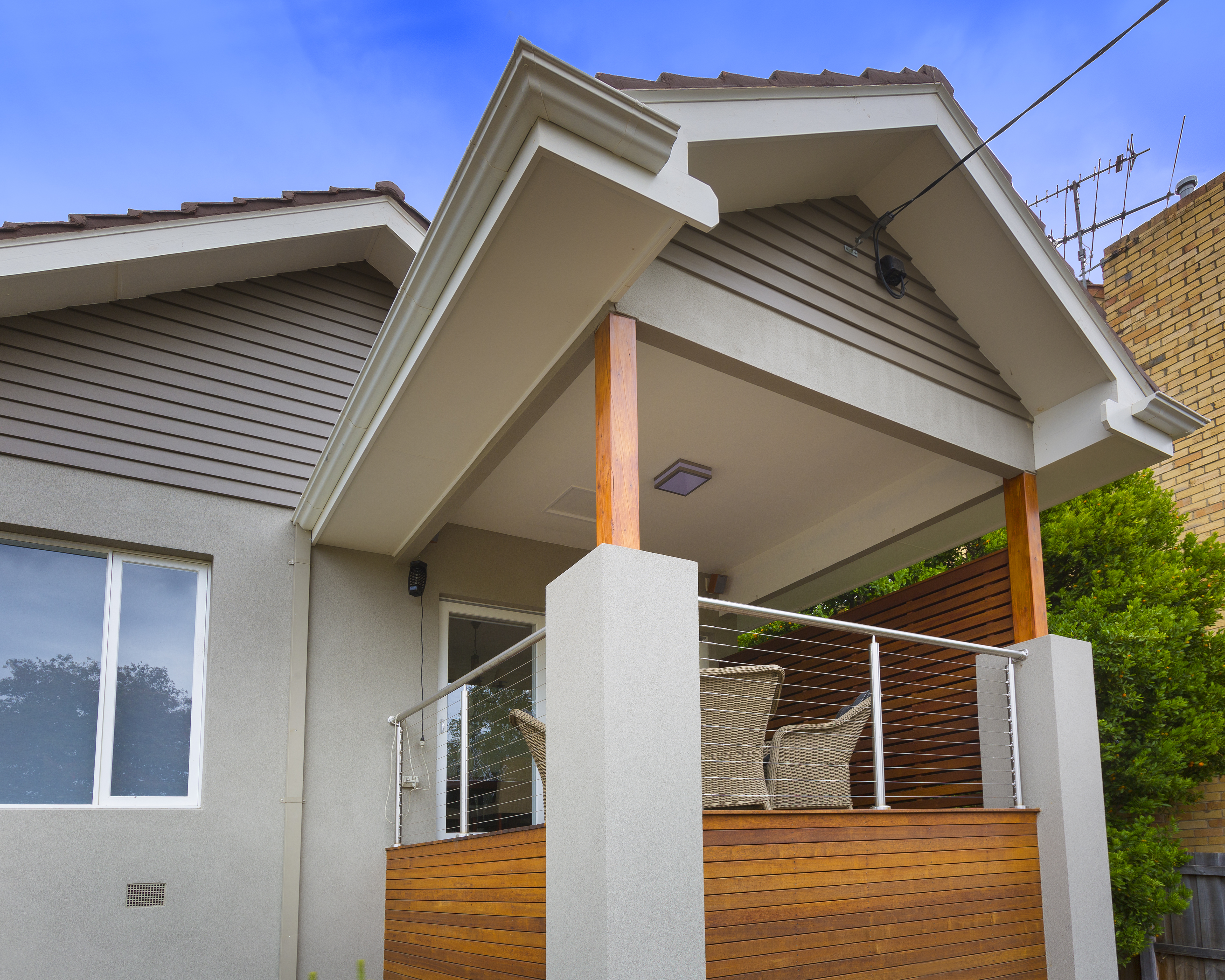
Expanding your home can be an exciting yet daunting task. Let’s explore the essential aspects to consider when extending your Melbourne home, focusing on council approvals, permits, and the design process.
Navigating Council Approvals Melbourne
Melbourne’s local councils have specific rules for home extensions. Knowing the process can save time and effort. First, you’ll need to understand your local council’s regulations. These rules ensure your extension complements the neighbourhood and adheres to safety standards. You can consult resources like this guide on choosing the right builder for more insights.
When applying, include detailed plans showing how your new space will fit with the existing structure. Don’t forget to check heritage overlays, which protect historic areas. An accurate submission increases approval chances.
Planning Permit Melbourne Essentials
For most extensions, a planning permit is a must. It’s your green light to start building. This document confirms that your project aligns with land use and environmental goals. To begin, submit an application with site plans, elevations, and a design statement.
Keep in mind, the process can take weeks to months. Stay proactive by contacting the council early to understand their timeline. Planning permits are crucial and ensure your project legally proceeds without hiccups.
Building Permit Victoria Insights
Once you have a planning permit, a building permit is next. This permit ensures your extension is structurally sound and safe. A registered building surveyor checks your plans and oversees construction compliance.
Prepare detailed drawings and documents for submission. These should cover structural integrity, fire safety, and energy efficiency. Your building permit is a safeguard, ensuring all work meets the set standards and regulations.
Designing Your Dream Extension
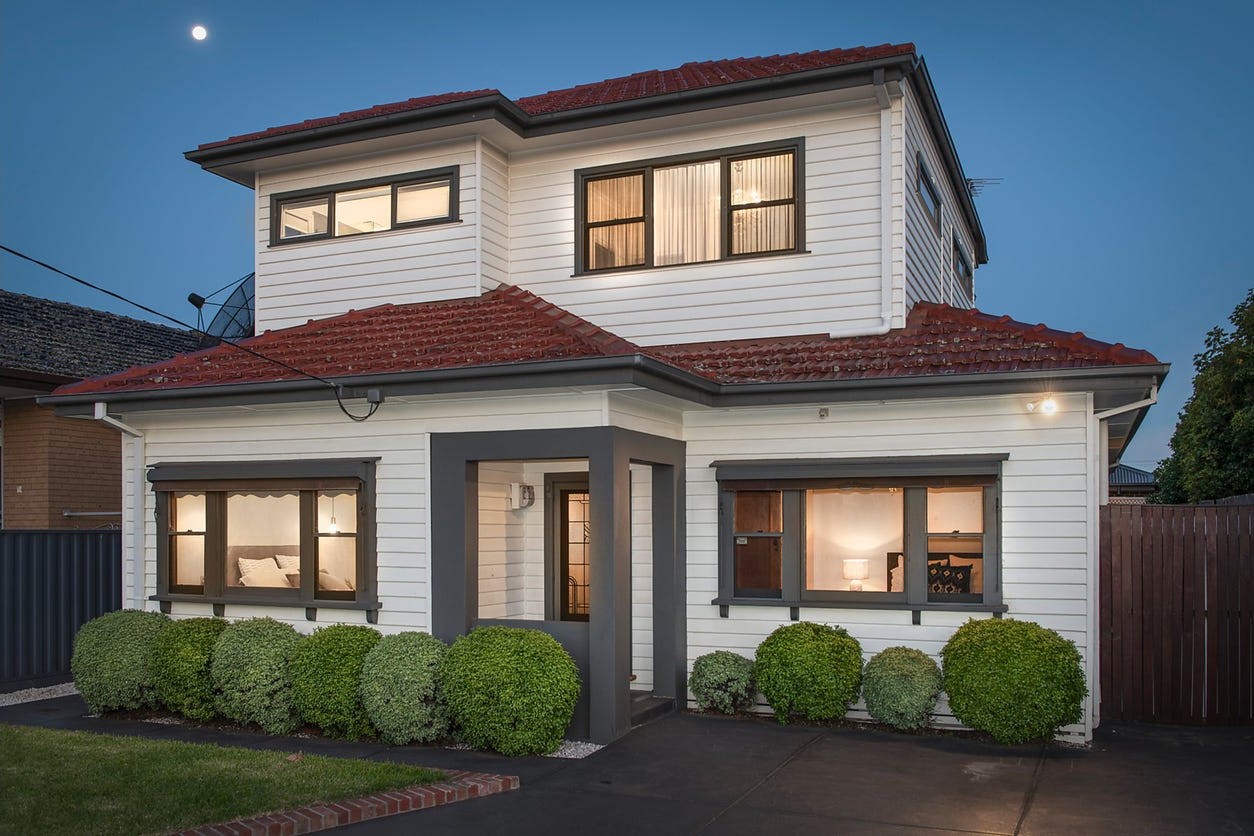
Your home’s design brings your vision to life. Let’s discuss creative ways to achieve a seamless blend of style and function while respecting heritage requirements.
Architectural Extension Ideas
The key to a successful extension is a design that enhances your lifestyle. Think about open-plan living spaces or adding a second storey. These options provide more room without expanding your home’s footprint.
Consider how natural light enters each room. Use skylights or large windows to brighten spaces. Clever design choices, like sliding doors, can merge indoor and outdoor areas beautifully.
Balancing Style with Heritage Overlay Melbourne
Heritage overlays protect Melbourne’s rich architectural history. If your home is in a designated area, your extension must respect this. Balance is possible by using traditional materials and finishes that complement your home’s original features.
Consult with heritage specialists who understand local requirements. They can guide you in preserving your home’s character while introducing modern comforts. This approach ensures your extension enhances both style and heritage.
Exploring Double and Rear Extensions Melbourne
Double and rear extensions offer flexible solutions for growing families. A double storey addition can double your space without taking more land. Rear extensions are perfect for extending kitchens and living areas into the backyard.
When planning, prioritise seamless integration with your existing layout. This ensures new areas feel like a natural part of your home. For more outside-the-box ideas, explore ideas shared by fellow renovators.
Budgeting and Feasibility for Extensions
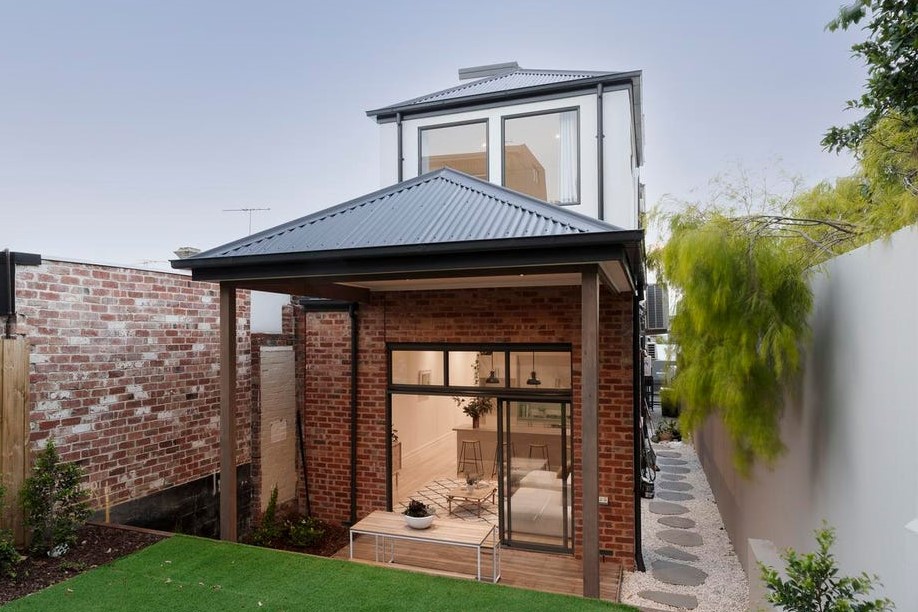
Budgeting and feasibility studies are vital in ensuring your extension is achievable. Let’s look at the basics, conduct a study, and consider the value of partnering with an experienced builder.
Extension Budget Planning Basics
Start with a clear budget. Consider costs like design, permits, materials, and labour. It’s wise to include a 10-15% contingency for unexpected expenses. This cushion protects your project from financial surprises.
Break down each element and estimate its cost accurately. Research typical prices for materials and labour in Melbourne. This groundwork provides a realistic framework to work within.
Conducting a Feasibility Study Renovation
A feasibility study assesses whether your plans can be realised within your budget and timeline. This study considers structural, financial, and legal aspects. An accurate study identifies potential issues early, allowing adjustments before work begins.
Conduct a thorough review of your property’s current condition. Engage professionals to evaluate the structural integrity and compliance with local regulations. This step is crucial for a smooth process.
Partnering with a Renovation Builder Melbourne
Choosing the right builder is pivotal. A reputable Melbourne renovation builder offers experience and expertise. They guide you from concept to completion, ensuring your vision comes to life effectively.
Seek builders with a strong track record in extensions. Their local knowledge is invaluable, especially with council approvals and heritage overlays. Partnering with a trusted builder, like Cameron Design & Construction, reduces stress and ensures quality outcomes. For more insights, check out these top planning tips.
Embarking on a home extension in Melbourne is a rewarding journey. With careful planning and the right partners, you can transform your home into a space that fits your lifestyle perfectly.