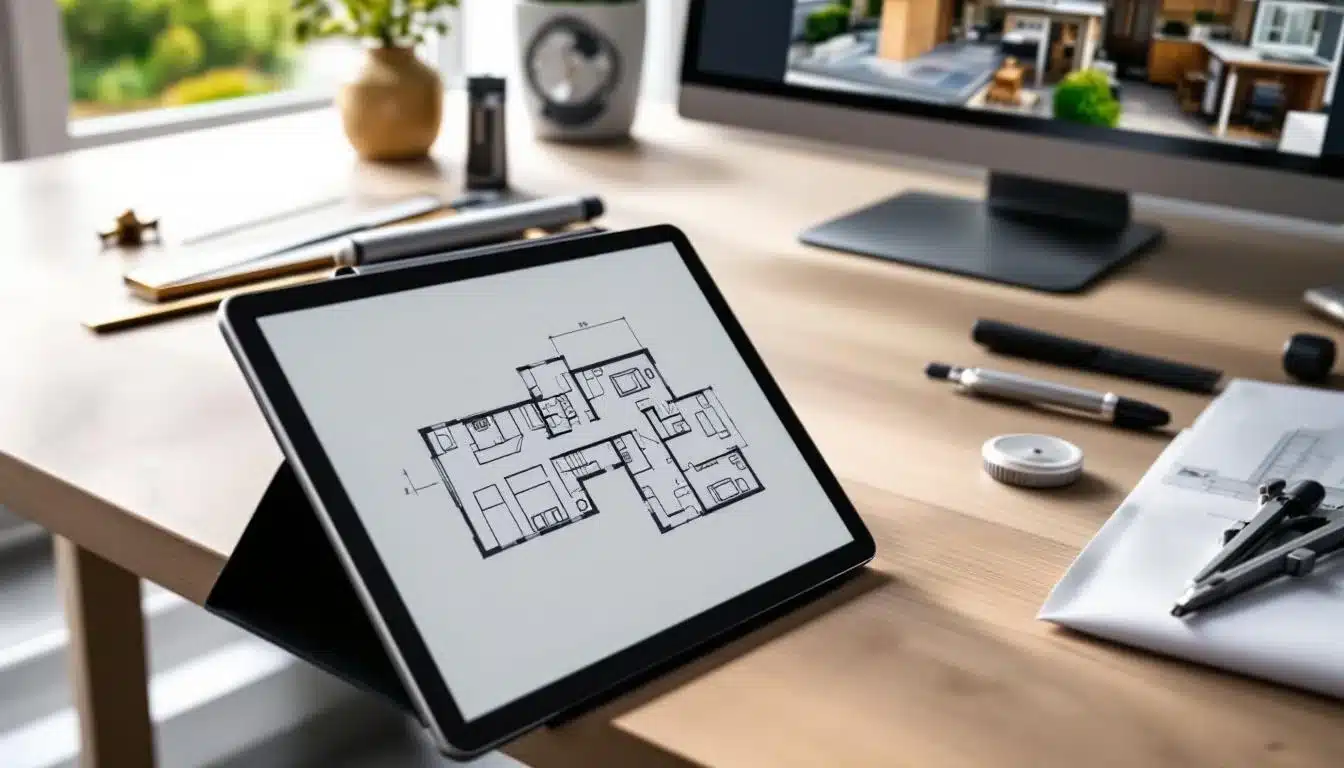
How to Design 2 Bedroom Second Storey Extension Floor Plans
Melbourne homeowners considering upward expansion face complex design decisions when planning their additional living space. Two-bedroom second storey extension floor plans require careful consideration of structural requirements, council regulations, and functional layouts.
At Cameron Construction, we’ve guided hundreds of families through the extension process across Melbourne’s diverse suburbs. Smart planning transforms cramped homes into spacious family havens without sacrificing outdoor space.
Planning Your 2 Bedroom Second Storey Extension
Structural Requirements and Foundation Capacity
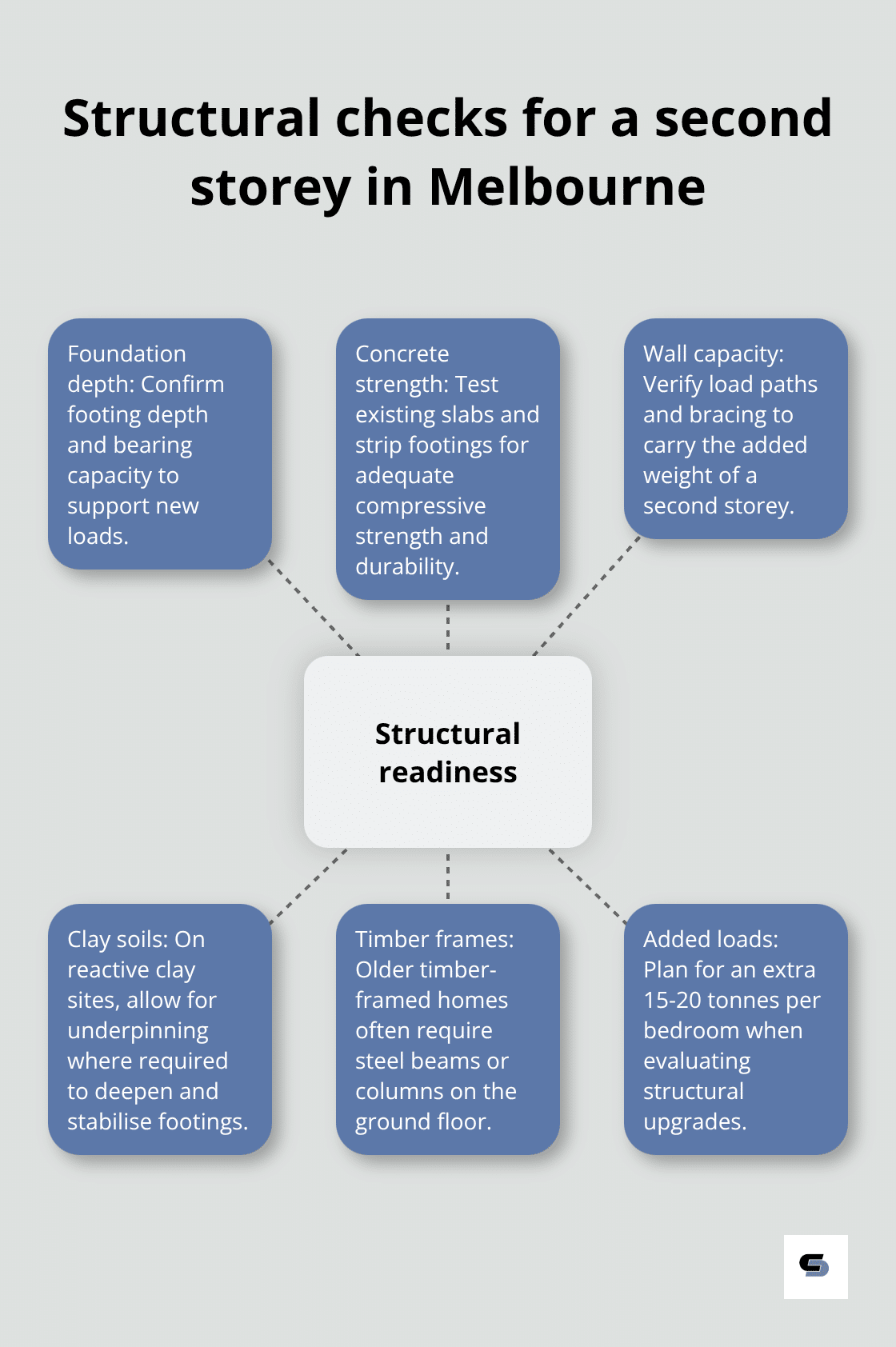
Most Melbourne homes built before 1990 need significant structural upgrades to support a second storey addition. Victorian building regulations require existing foundations to handle the additional load, which typically adds 15-20 tonnes per bedroom. We conduct comprehensive structural assessments that examine foundation depth, concrete strength, and wall capacity. Houses on clay soils common in Melbourne’s western suburbs need deeper foundations, often requiring underpinning that adds $15,000-25,000 to project costs. Timber-framed homes from the 1960s-80s frequently need steel reinforcement throughout the ground floor structure.
Council Regulations and Planning Permits
Melbourne councils process second storey extensions under ResCode requirements, with applications that take 6-10 weeks for standard approvals. Height restrictions limit extensions to 9 metres unless specific zones allow higher structures. Your extension must maintain side setbacks of 2-3 metres depending on dwelling configuration and cannot overshadow more than 25% of neighbouring properties between 9am-3pm. Planning permits cost $1,500-3,000 depending on council complexity, while building permits add another $2,000-4,000.
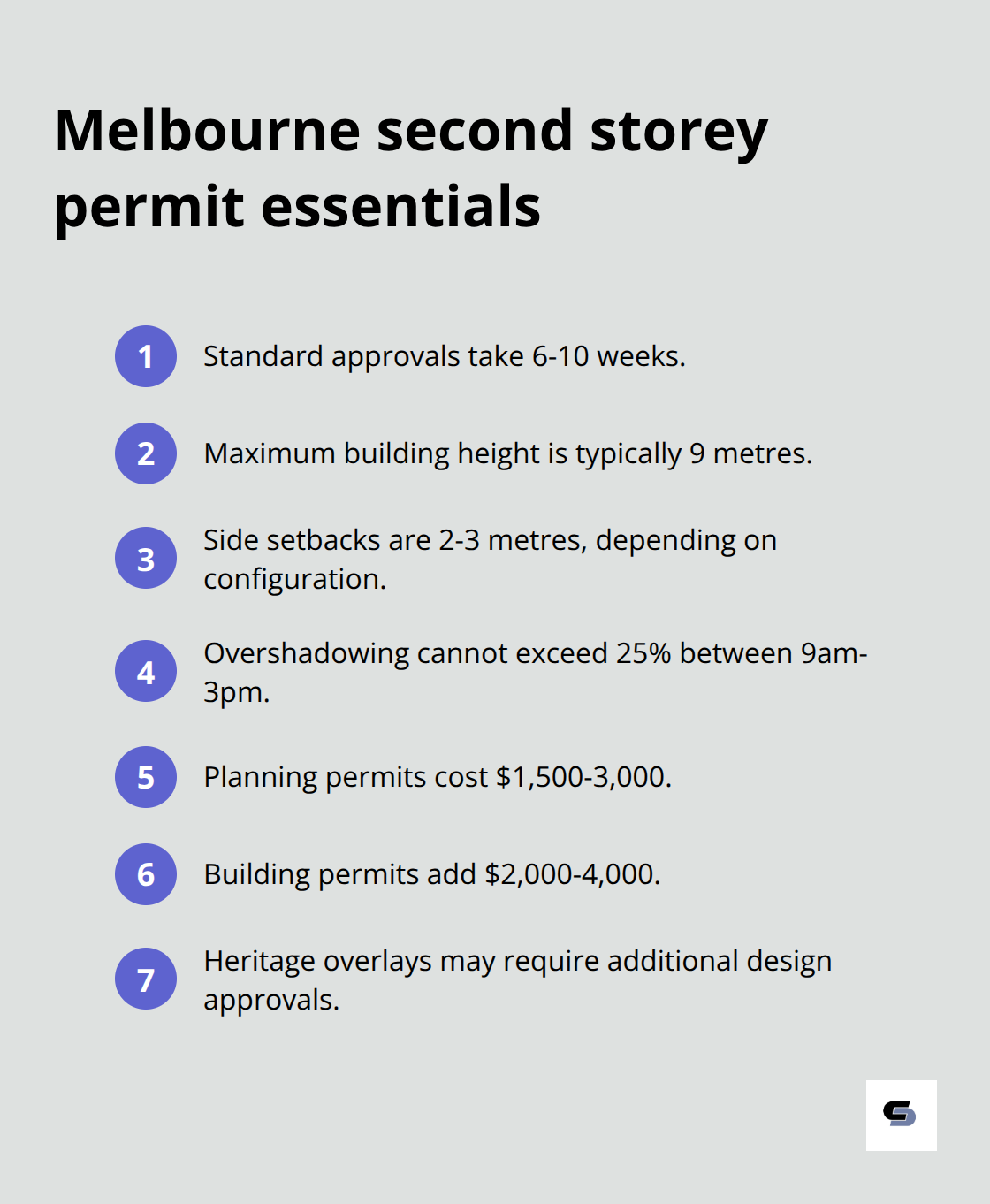
Councils like Boroondara and Glen Eira have stricter heritage overlays that require additional design approvals.
Budget Expectations for Melbourne Extensions
Second storey extensions cost $3,500-4,500 per square metre in Melbourne, which makes a 60-square-metre two-bedroom addition $210,000-270,000 (including permits and structural work). Premium finishes push costs to $5,000 per square metre. Structural modifications represent 25-30% of total costs, while electrical and plumbing upgrades add $25,000-35,000. Melbourne’s skilled tradesperson shortage has increased labour costs 15% since 2023, which makes accurate budgets essential before design work begins.
Once you establish these foundational elements, the focus shifts to design principles that maximise both comfort and functionality in your new upper level.
Essential Design Elements for 2 Bedroom Second Storey Extensions
Natural Light and Ventilation Strategies
Melbourne’s variable weather demands strategic window placement to capture northern light while managing afternoon heat from western exposure. Master bedrooms perform best on the north-east corner to maximise morning sun and cooling cross-breezes, while secondary bedrooms face east to avoid harsh afternoon temperatures. Double-hung windows with 1.8-metre head heights provide superior ventilation compared to standard casement windows, creating stack ventilation that draws hot air upward through the extension. Highlight windows along hallways eliminate dark corridors without compromising bedroom privacy.
Functional Bedroom Layouts and Storage Solutions
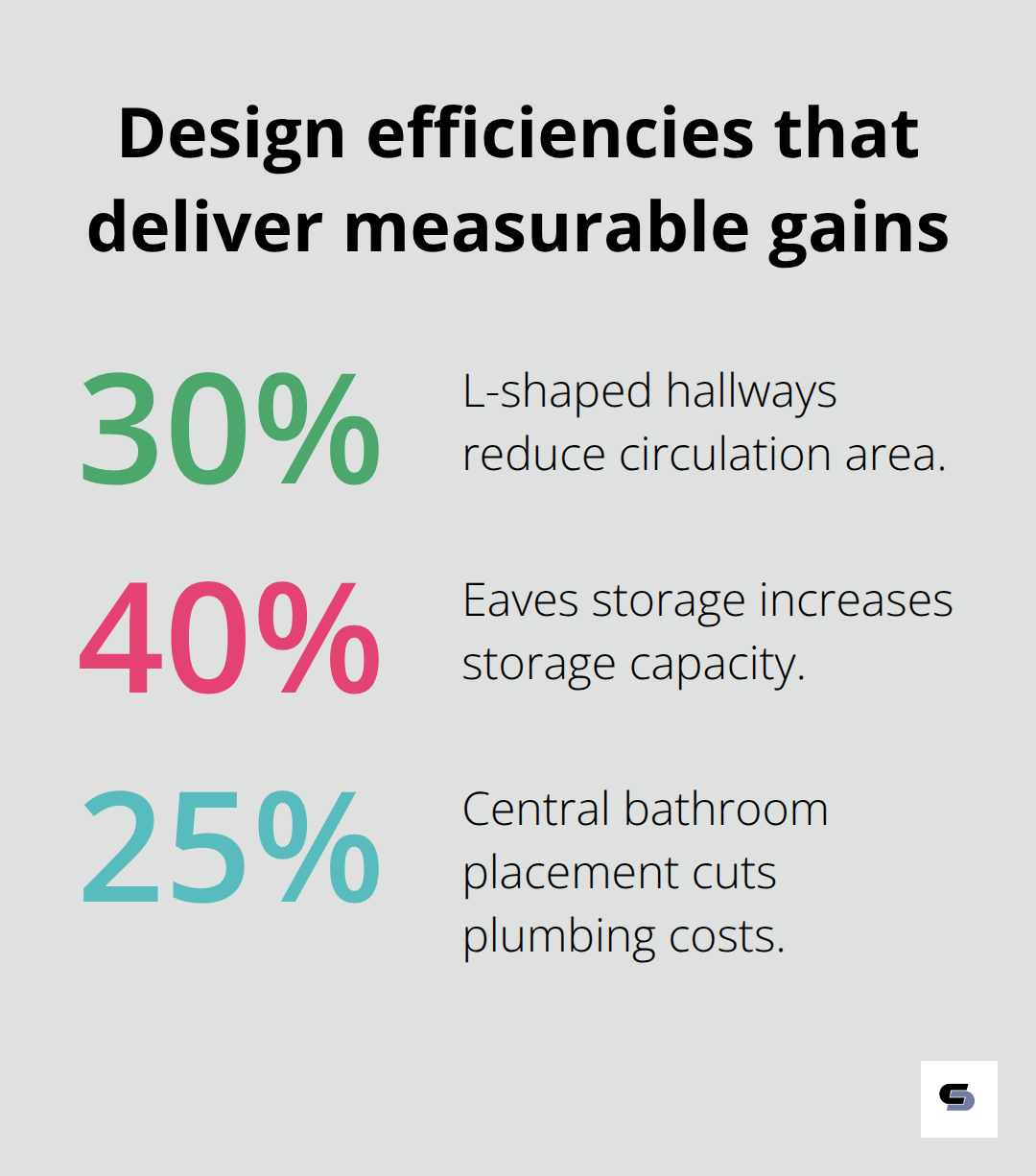
Successful two-bedroom extensions require minimum 3.2-metre room widths to accommodate queen beds with walking space on both sides. Walk-in wardrobes work best as 2.4-metre deep spaces that double as buffer zones between bedrooms, reducing noise transmission compared to standard partition walls. Built-in storage under eaves captures otherwise unusable space, adding 40% more storage capacity than freestanding furniture. Master bedroom ensuites work best at 2.5 square metres minimum, while shared bathrooms need 3.5 square metres for comfortable dual access from hallways.
Bathroom and Hallway Configurations
Central hallways consume valuable floor area, so L-shaped configurations reduce circulation space by 30% while maintaining bedroom privacy. Stair placement determines traffic flow patterns – positioning stairs near the front of the house creates better separation between public ground floor areas and private upstairs bedrooms. Installing 2.7-metre ceiling heights throughout maintains proportional relationships with ground floor spaces while staying within standard building height limits (typically 9 metres maximum).
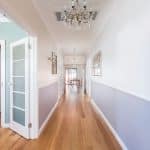
Hallway widths of 1.2 metres accommodate furniture movement during relocations while meeting accessibility requirements for future adaptability.
These design fundamentals establish the framework for your extension, but smart storage solutions and spatial planning strategies can transform good layouts into exceptional ones.
Maximising Space and Functionality
Strategic Built-In Storage Throughout the Second Level
The difference between cramped and spacious second storey extensions lies in strategic storage placement rather than floor area. We position floor-to-ceiling wardrobes along the longest bedroom walls to maximise space while creating acoustic barriers between rooms. Eaves storage accessed through 600mm wide doors captures 3-4 cubic metres of space per bedroom that would otherwise remain unusable. Under-stair storage on the upper level provides 2-3 cubic metres for linen or seasonal items, while built-in window seats with lift-up tops add seating plus storage without consuming floor space.
Smart Bedroom Layout Configurations
Master bedrooms benefit from walk-through wardrobes that connect to ensuites, which eliminates corridor waste while providing 40% more storage than corner wardrobes. This configuration creates a hotel-style retreat that separates sleeping areas from bathroom access. Secondary bedrooms work best with built-in desks along window walls, which maximises natural light for study areas while freeing floor space for larger beds. Corner wardrobes in smaller bedrooms capture dead space that standard furniture cannot utilise effectively.
Open Connectivity vs Private Bedroom Zones
Second storey extensions work best with separated bedroom zones connected by minimal hallway space rather than open floor plan layouts that compromise privacy and temperature control. Central bathroom design placement serves both bedrooms efficiently, which reduces plumbing costs by 25% compared to ensuite-only configurations. Sliding cavity doors between hallways and bedroom wings allow flexible connection during gatherings while maintaining separation for daily family life.
Balcony and Outdoor Access Considerations
Balcony access from master bedrooms adds 8-12 square metres of outdoor space without ground floor footprint expansion. These elevated outdoor areas provide natural ventilation that reduces cooling costs by 20-30% during Melbourne summers. North-facing balconies work best for morning coffee areas, while west-facing balconies suit evening relaxation (despite afternoon heat concerns). Juliet balconies offer visual connection to gardens below while maintaining security and weather protection at lower house extension plans installation costs.
Final Thoughts
Successful 2-bedroom second storey extension floor plans require three fundamental elements: structural integrity, council compliance, and thoughtful space planning. Melbourne homeowners who prioritise these factors from the outset avoid costly redesigns and construction delays that plague poorly planned projects. Smart extension design transforms cramped homes into spacious family havens without sacrificing outdoor space.
We at Cameron Construction handle structural assessments, council applications, and design coordination through our experienced team. This integrated approach eliminates communication gaps between trades while maintaining quality control throughout your extension project. Professional builders transform complex technical requirements into streamlined construction processes that deliver results on time and within budget.
Your next step involves securing accurate structural assessments and preliminary design concepts before committing to final floor plans. Cameron Construction provides comprehensive consultation services that evaluate your existing home’s extension potential while establishing realistic budgets and timelines. Melbourne’s competitive construction market rewards homeowners who engage qualified professionals early in the planning process (which positions your project for successful completion within budget and schedule expectations).