How To Add A Double Storey Extension Without Sacrificing Your Garden
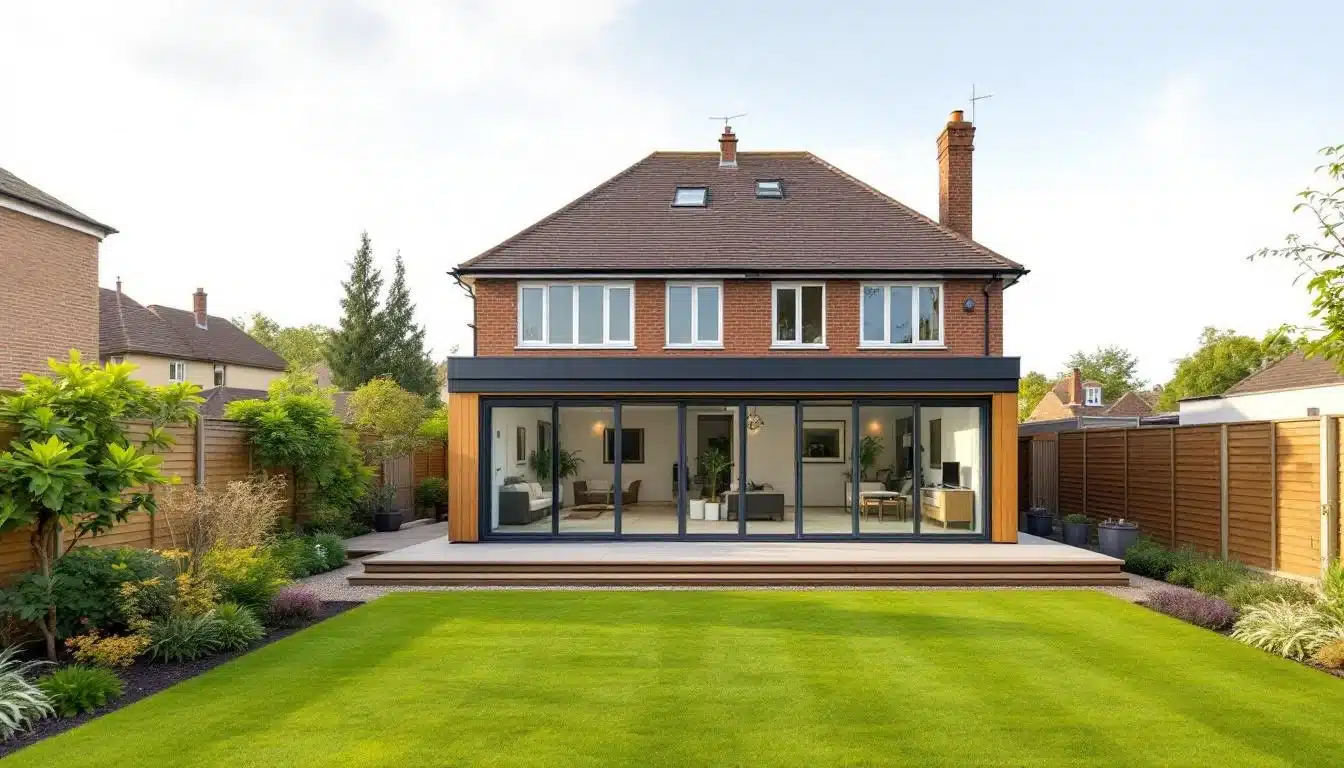
Adding a double storey extension is one of the smartest ways to expand your Melbourne home without losing the garden space you love. The challenge isn’t whether you can build up-it’s doing it right.
At Cameron Construction, we’ve helped countless homeowners navigate the design, planning, and budget decisions that make this possible. This guide walks you through the strategies that protect your outdoor space while delivering the extra rooms you need.
Building Up Rather Than Out
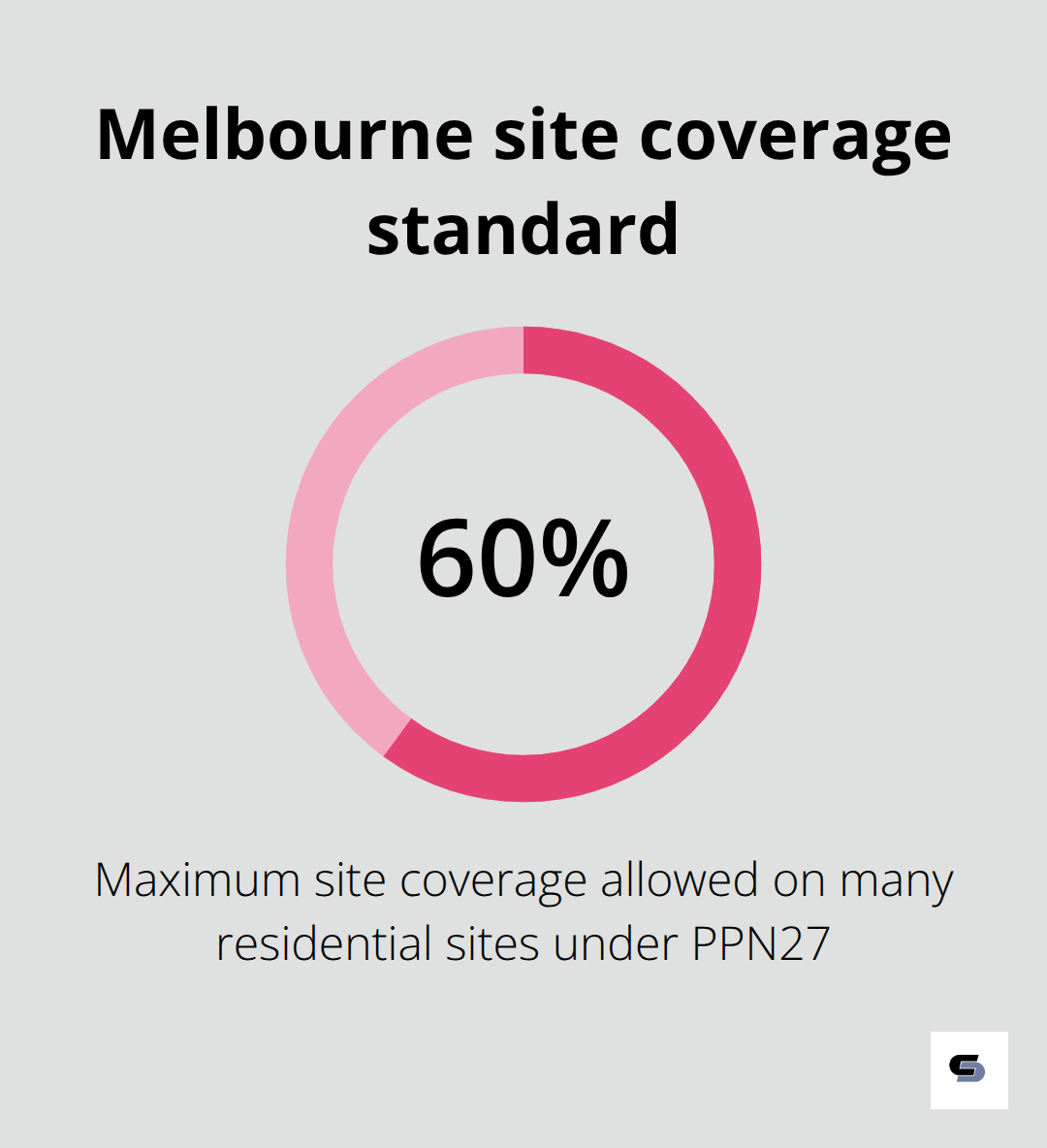
The most effective way to protect your garden is to build vertically from the start. A double storey extension that sits on a compact footprint preserves far more outdoor space than a sprawling single-level addition. Planning Practice Note 27 sets clear parameters for Melbourne extensions: maximum site coverage typically sits at 60%, which means you can add substantial floor area upward without consuming garden. The maths work in your favour. A two-storey extension on a 150-square-metre footprint delivers 300 square metres of usable space while leaving your garden largely untouched.
That same 300 square metres as a ground-level addition would demand roughly double the footprint and eliminate most outdoor living areas.
Footprint Placement Shapes Your Garden’s Future
Where you position the extension on your block determines whether your garden thrives or merely survives. Placing the extension toward the rear boundary rather than spreading it across the side yard preserves the most valuable garden space-the areas closest to your living zones. Front setbacks must align with street character or match adjacent homes; Planning Practice Note 27 allows porch and verandah encroachments up to 2.5 metres if they stay under 3.6 metres high. This flexibility lets you minimise the ground footprint without sacrificing functionality. Side and rear setbacks follow a height-based formula: at least 1 metre plus 0.3 metres for every metre of height above 3.6 metres, up to 6.9 metres. A thoughtfully positioned extension creates distinct garden zones-a formal area near the house, a play or entertaining space further back, and breathing room along boundaries.
Roof Design Controls Visual Impact
Varied roof lines and strategic setbacks on upper levels reduce the visual bulk that makes extensions feel dominating. Rather than a flat roof or a single pitch that extends the full height, stepping the upper storey back by even 1 to 1.5 metres dramatically changes how the extension reads from the street and from neighbouring properties. This approach also opens sightlines to sky and allows more light into lower-level garden areas during winter. Double-storey extensions in Melbourne rarely exceed 9 metres in height; most sit closer to 8.5 metres. Roof design-whether gabled, skillion, or hipped-should respond to your existing home’s character rather than introduce an entirely new aesthetic. A well-proportioned extension with considered setbacks and roof treatment becomes an asset to the streetscape rather than an intrusion, which simplifies planning approval and strengthens community support for your project.
Understanding these design principles positions you well for the next critical phase: navigating Melbourne’s council requirements and securing the approvals your extension needs.
Council Requirements and Planning Approval in Melbourne
Melbourne’s planning rules protect streetscapes, neighbouring amenity, and your own investment-but they’re not obstacles if you understand them upfront. The Victorian planning system operates through Planning Practice Note 27, which sets residential development standards that apply across most of Melbourne. Height limits for a double storey extension typically max out at 9 metres, or up to 10 metres on sites where the natural ground slope is 2.5 degrees or more. These aren’t arbitrary figures; they’re calibrated to prevent overshadowing of neighbouring properties and to maintain visual proportion within established streetscapes. Your local council interprets these standards, so the first step involves checking your specific zone and any overlays that apply to your property-some heritage areas or neighbourhood character overlays impose tighter restrictions. A building surveyor or architect familiar with your suburb can pull this information quickly, but you can also download planning scheme maps from your council’s website. The real cost of getting this wrong shows up later: a design that doesn’t comply means redesign, delayed approvals, or worse, construction that must stop mid-project.
Setback Formulas Determine Your Garden Layout
Setback requirements follow precise formulas that directly affect how much garden you retain. Side and rear setbacks demand at least 1 metre plus 0.3 metres for every metre of height above 3.6 metres, up to 6.9 metres. On a 7-metre-high extension, that means a rear setback of at least 1.2 metres-tight, but workable on most Melbourne blocks. Boundary walls are capped at 10 metres plus 25% of the remaining boundary length per boundary, which prevents long, oppressive walls that dominate neighbouring views.
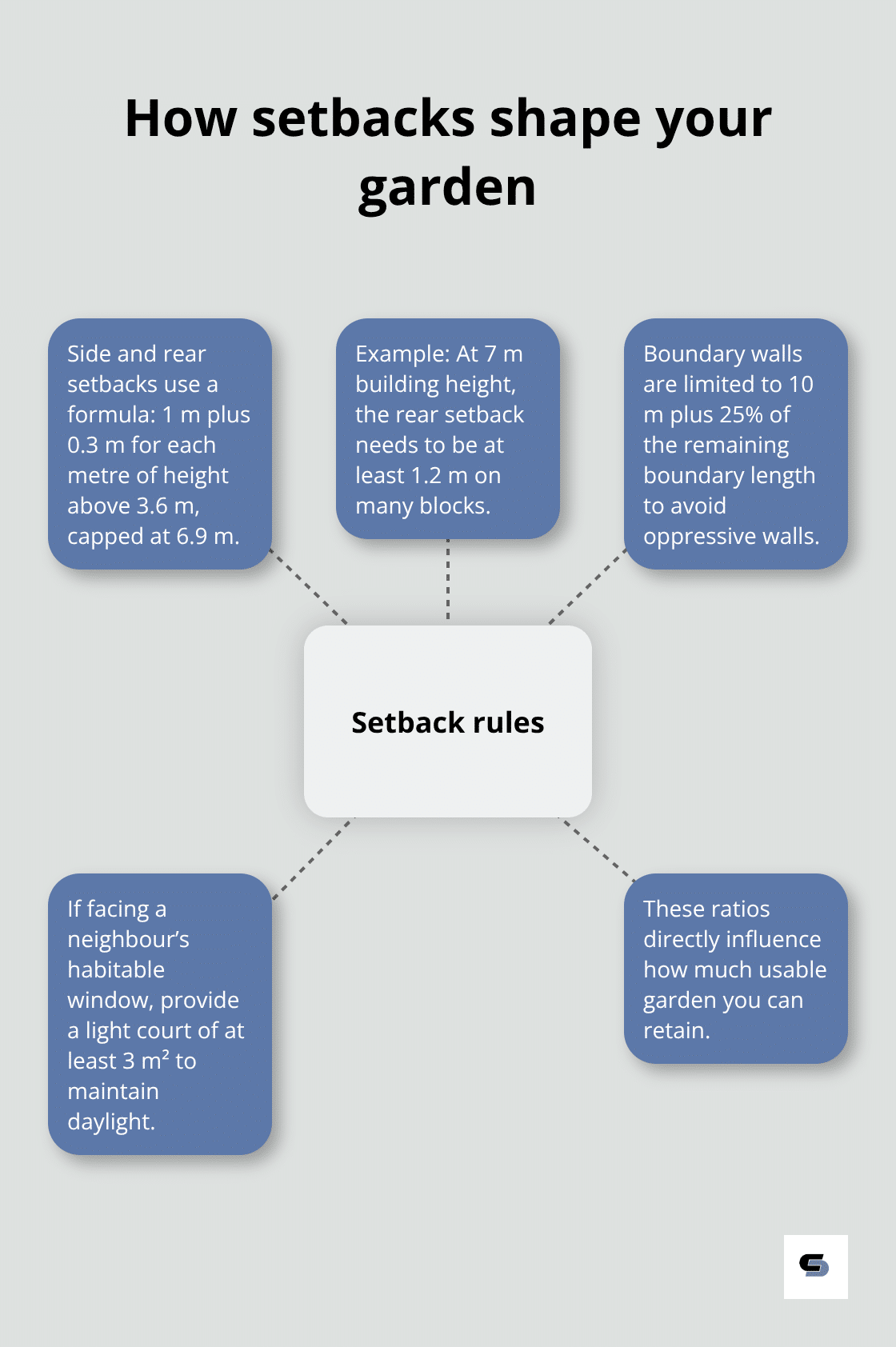
If your extension faces an existing habitable window on a neighbour’s property, you must provide a light court of at least 3 square metres to maintain daylight access.
Solar Access Rules Protect Winter Sunlight
Solar access rules are equally specific and non-negotiable in Melbourne’s climate. If a north-facing habitable window sits within 3 metres of a boundary, apply a setback formula of 1 metre plus 0.6 metres per metre of height above 3.6 metres, up to 6.9 metres, plus an additional 1 metre for greater heights. These rules protect your neighbour’s winter sun, which matters significantly for both their comfort and property value.
Building Code Compliance Runs Parallel to Planning
Building Code of Australia compliance runs parallel to planning approval and covers structural safety, fire safety, energy efficiency, and accessibility. Your extension must meet NCC 2022 energy standards-most extensions now target a minimum 7-star NatHERS rating, which reduces heating and cooling demand substantially. A registered building practitioner must obtain your building permit and oversee the work. If your project costs more than $10,000, you must have a major domestic building contract in place, and the builder must hold current domestic building insurance if the cost exceeds $16,000. These requirements exist because extensions create complex interfaces between old and new structures, and poor execution shows up as cracks, water ingress, and thermal failure years later. The Building and Plumbing Commission website lets you verify any builder’s registration number and check their history before you commit.
Getting these approvals right from the outset shapes not only what you can build, but also how much your extension costs and how quickly you can start construction-which brings us to the financial realities of double storey extensions in Melbourne.
Cost Considerations and Budget Planning
Double storey extensions in Melbourne typically range from $3,500 to $5,500 per square metre, depending on finishes, structural complexity, and your specific location. These figures reflect current Melbourne market conditions and assume standard construction methods on reasonably accessible sites. If your block slopes significantly, requires underpinning, or sits in a heritage area, costs climb noticeably-sometimes by 15 to 25 per cent.
Structural Complexity Drives Pricing
Structural complexity matters more than you might expect. A double storey extension that ties into an existing single-storey home demands careful engineering to manage load paths, which adds cost and time. The Building and Plumbing Commission requires any project over $10,000 to use a registered builder with a major domestic building contract, and projects exceeding $16,000 demand current domestic building insurance before the builder takes a deposit. These protections exist because extensions create complex interfaces between old and new structures, and poor execution shows up as cracks, water ingress, and thermal failure years later.
Your soil report and foundation data directly influence structural costs; a $1,500 soil investigation upfront prevents $20,000 in unexpected footing adjustments later. Most experienced builders factor this into early quotes, though some push it to the client’s account. Insist on clarity: confirm whether the soil report is included in the quote or billed separately, and obtain it before finalising your contract.
Timeline and Material Costs Shift Together
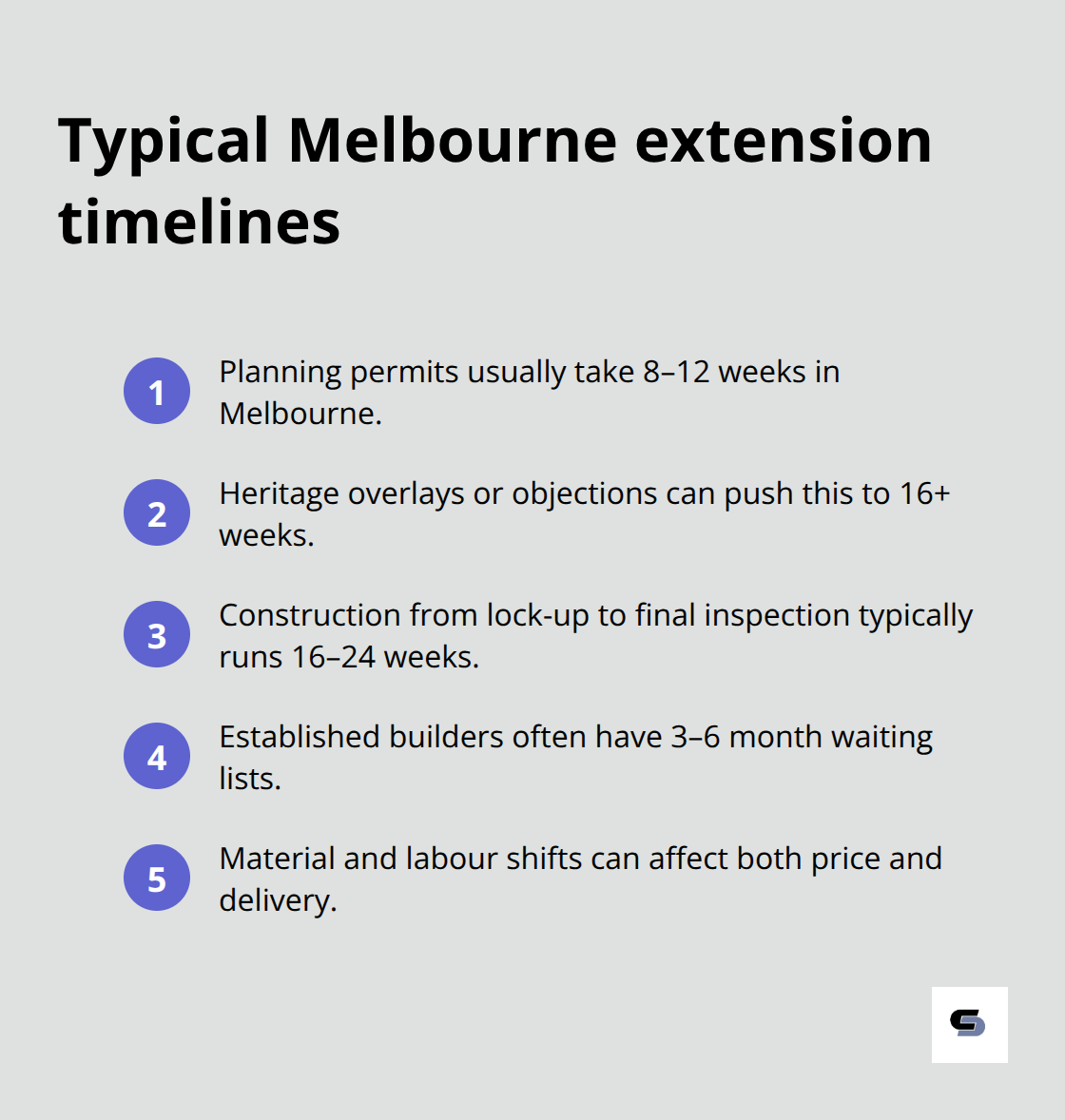
Timeline and pricing intertwine in ways that catch homeowners off guard. A double storey extension typically takes 16 to 24 weeks from lock-up to final inspection, but the real timeline begins with approvals-planning permits usually take 8 to 12 weeks in Melbourne, and heritage overlays or neighbour objections can extend this to 16 weeks or longer. Your builder’s schedule depends partly on when they can slot your project into their workflow; established builders with strong reputations often have waiting lists of 3 to 6 months. Material costs and labour availability shift constantly, which affects both price and delivery.
Getting Transparent Quotes
Getting quotes from three experienced builders is essential, but comparing them fairly requires detailed specifications. Vague quotes-those listing prime-cost or provisional-sum items without specifics-hide risk; you’ll almost certainly pay more when the builder invoices for unknowns mid-project. Demand quotes that specify materials, appliances, fittings, colours, and finishes in writing. Ask whether the quote includes site establishment, demolition, permits, and professional fees. A builder who won’t itemise these elements isn’t being transparent about cost drivers.
Protect Yourself With Stage Payments and Legal Review
Stage payments-base, frame, lock-up, fixing, and completion-protect both parties; pay only after inspecting completed work at each stage, never in advance of delivery. The Domestic Building Contracts Amendment Bill 2025 (passed September 2025) may affect consumer protections and contract obligations in Victoria, so seek independent legal advice before signing to protect your interests. A building lawyer’s fee-typically $1,500 to $3,000-is genuine insurance against costly disputes later.
Final Thoughts
A double storey extension that preserves your garden isn’t a compromise between space and outdoor living-it’s the smarter choice. Strategic design, informed planning decisions, and accurate budgeting work together to deliver both the rooms you need and the garden you value. The design principles we’ve covered-vertical building, thoughtful footprint placement, and considered roof treatment-directly protect your outdoor space while meeting Melbourne’s planning standards.
Council requirements and building code compliance matter equally. Understanding setback formulas, solar access rules, and height limits upfront prevents costly redesigns and delays. A registered building practitioner and proper contracts protect your investment and ensure the extension performs as designed, while transparent quotes and stage payments eliminate hidden costs and disputes.
Professional guidance matters most at the outset. An architect or designer who understands Melbourne’s planning landscape, a building surveyor who knows your council’s interpretation of standards, and a builder with proven experience in double storey extensions all reduce risk and improve outcomes. Contact Cameron Construction to discuss your project with specialists who understand both the design and the approvals landscape in your suburb.
![Second Storey Additions For Growing Families [Guide]](https://www.cameronconstruction.com.au/wp-content/uploads/emplibot/second-storey-additions-hero-1772259809-150x150.webp)